

Kalpataru Group: From One Mumbai Project to a Pan-India Real Estate Powerhouse
Kalpataru Group: Mumbai Legacy to Pan-India Real Estate Power
SHARE:
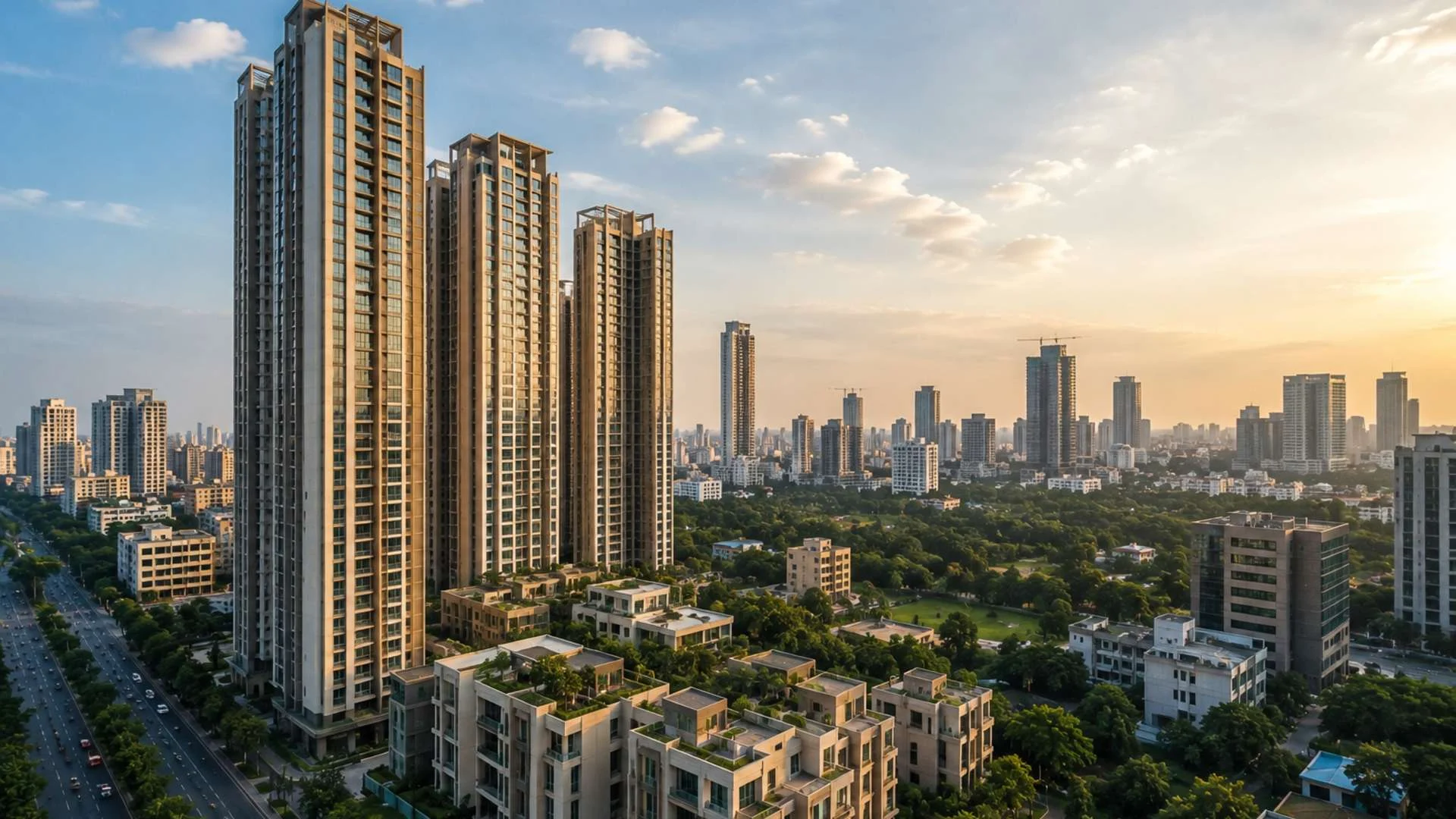
How did Kalpataru grow from a single Mumbai project in 1969?
Kalpataru’s journey from its establishment in Mumbai in 1969 to becoming a listed real estate company is a story built around design, scale and an ability to evolve with India’s housing market. What began with a Mumbai-focused vision has grown into a portfolio spanning residential, commercial, retail and integrated developments.
From Mumbai landmark to national footprint
The Kalpataru Group’s 1969 Mumbai-to-pan-India real estate powerhouse story began with founder Mofatraj Munot. Over the decades, the company expanded its presence across Mumbai and the wider Mumbai Metropolitan Region before moving into other Indian markets.
According to Kalpataru’s official legacy page, the developer has delivered 97 landmark projects and developed more than 24.10 million sq ft across residential and commercial projects. Its portfolio today includes luxury, premium and mid-income housing, townships, offices and retail developments.
The company’s growth has also been marked by design-led milestones rather than simply increasing its project count.
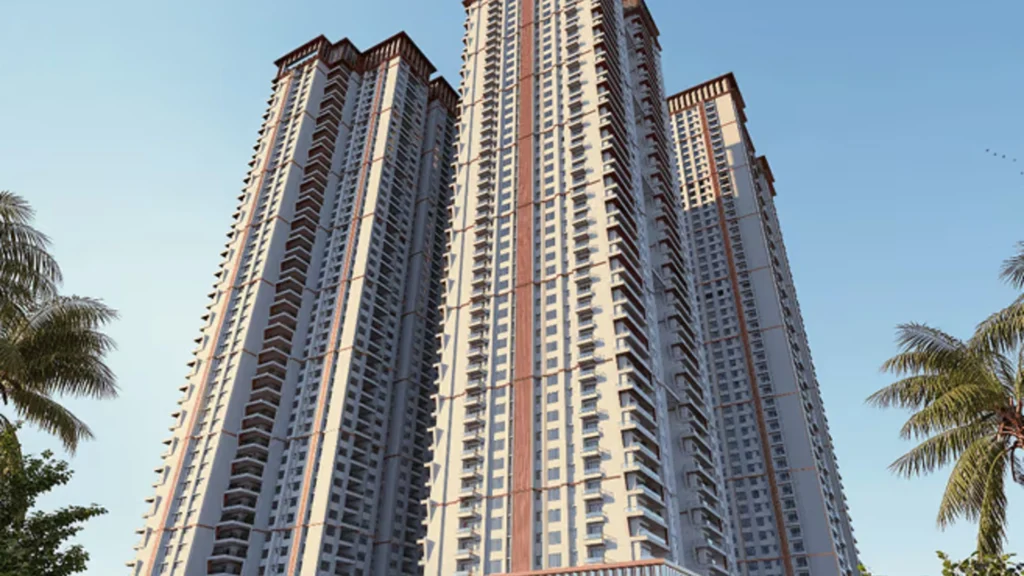
In 1976, Kalpataru Kshitij became Mumbai’s tallest residential tower at 33 storeys, a record that remained for 25 years. Later, the company introduced the 1.5-bedroom apartment format at Srishti in 1983, a configuration that has since become common in Indian housing.
These milestones form an important part of Kalpataru Limited 55 years developer story legacy, where innovation was often used to differentiate projects in a competitive Mumbai market.
Green buildings and changing expectations
Kalpataru’s sustainability journey became another defining part of its brand.
Its Kalpataru Square project in Andheri East became Asia’s first and the world’s sixth building to receive Platinum-level LEED certification under the US Green Building Council’s Core and Shell programme. The company’s sustainability timeline records the certification in 2009.
The developer says it has since accumulated 47 IGBC-certified projects, while incorporating features such as EV-ready parking and water-reclamation systems into its developments.
IPO adds a new chapter
The biggest corporate milestone came in 2025 when Kalpataru Limited listed on the BSE and NSE following its IPO. The ₹1,590-crore issue marked the company’s transition into a publicly traded real estate business.
The momentum was visible even before listing. Kalpataru reported Q1 FY26 pre-sales of ₹1,249 crore, an 83% year-on-year increase, alongside collections of ₹1,147 crore, up 37%.
The company subsequently reported FY26 pre-sales of ₹5,280 crore, up 17% year-on-year, according to The Economic Times.
What comes next for Kalpataru?
For India’s leading real estate conglomerate Kalpataru’s 2026 story, the IPO is not just a financial milestone. It is more about transparency, project delivery and sustainable development.
From city icons to multi-market projects, Kalpataru’s next chapter will not be measured solely by the volume of construction, but by how well it leverages its legacy to serve the needs of India’s next generation of homebuyers.
Want to keep a tab on big developers, upcoming projects and India’s changing property landscape? Visit RealtyConnect’s AI-powered property discovery platform at chat.realtyconnect.tech.