

Singapore Home Prices Rise Despite Low Launches in 2026
Singapore Home Prices Rise Despite Fewer Launches in 2026
SHARE:

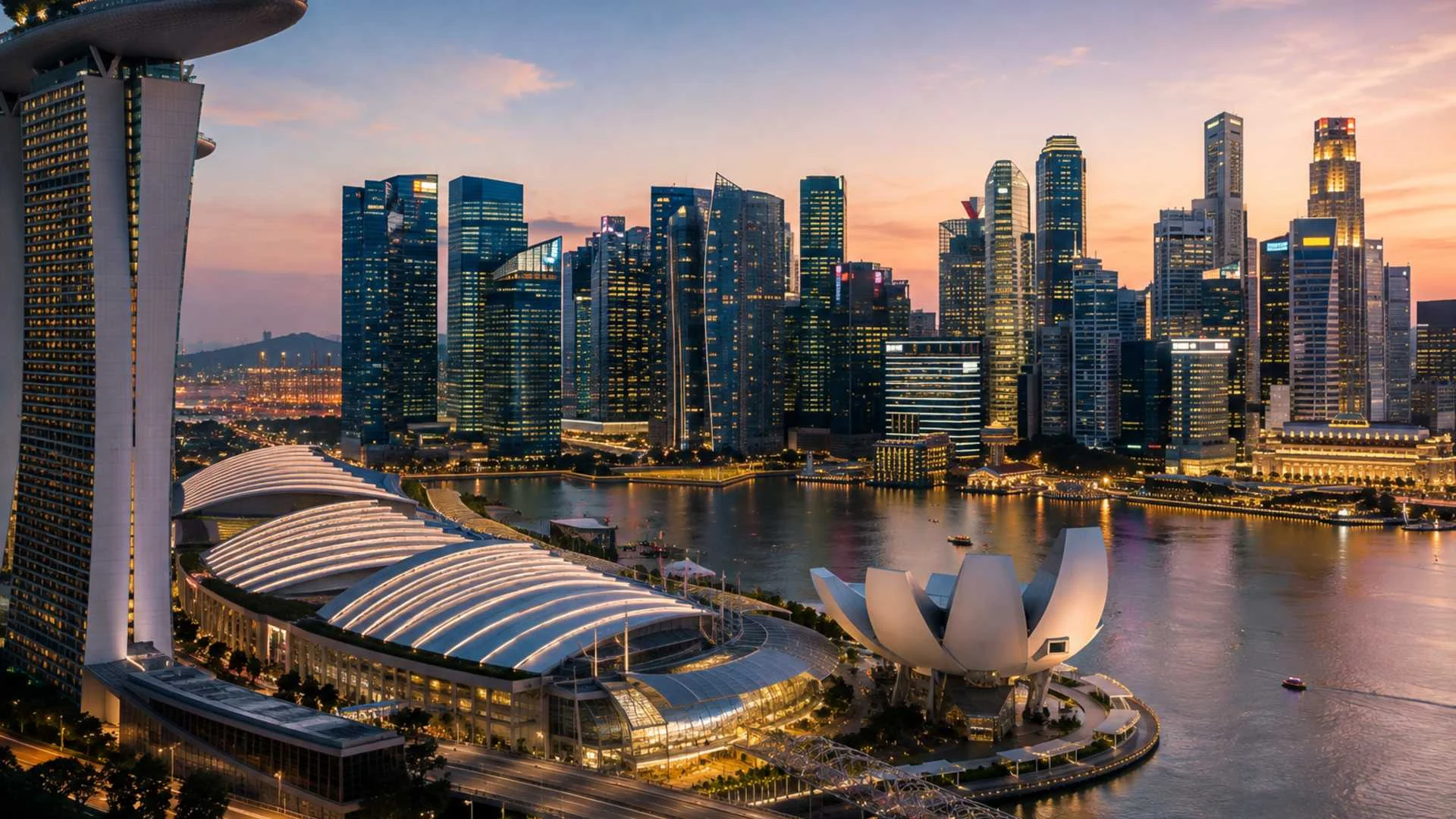
The residential market in Singapore is sending a surprise signal in 2026: fewer launches and higher prices. Many global markets depend on a fresh supply to sustain growth, but the city-state’s private home values are steadily climbing, even with a steep fall in the number of new project launches.
For Indian investors looking overseas for real estate, the question is gaining ground: is this a once-in-a-lifetime opportunity to invest in a supply-constrained market, or a warning to tread carefully?
Prices Climb Even as New Supply Slows
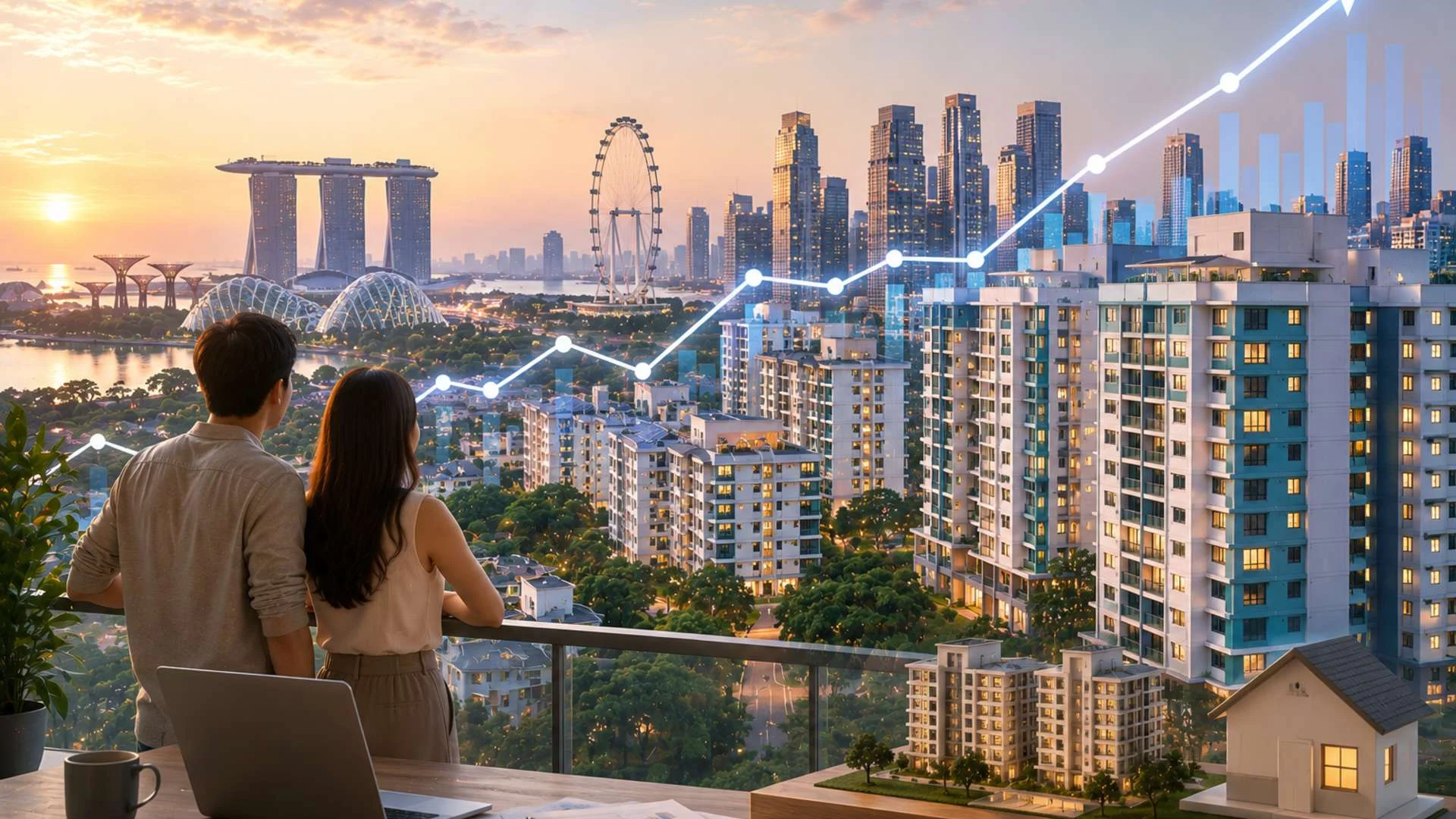
The latest data shows Singapore Q1 2026 home prices rose 0.9% quarter-on-quarter and 3.41% year-on-year, reinforcing the trend of a steady rise in Singapore private home prices 2026.
At the same time, new home sales fell to 2,013 units in Q1 2026, nearly 40% lower than the previous quarter. Yet prices continued moving upward.
Why?
The answer lies in supply. Singapore’s unsold inventory has dropped to approximately 16,095 units, one of the lowest levels seen in recent years. With limited stock available and demand remaining resilient, price pressure has naturally intensified.
What Is Driving the Market?
Several factors are supporting the Singapore private home price forecast 2026:
- Historically low unsold inventory levels
- Continued demand from local buyers and high-net-worth investors
- Stable employment and economic outlook
- Limited pipeline of new launches in prime districts
- Strong confidence in Singapore as a global safe-haven market
Analysts expect Singapore private home price forecast 2–4% growth in 2026, indicating moderation rather than a major correction.

The Big Challenge for Indian Investors
While the market fundamentals appear attractive, foreign buyers face a significant hurdle.
Under current regulations, foreign purchasers are subject to a 30% Additional Buyer’s Stamp Duty (ABSD), while permanent residents face lower rates depending on ownership status. This substantially increases acquisition costs and affects investment returns.
For those evaluating Singapore property Indian investors opportunity 2026, taxation becomes just as important as price appreciation.
Where Should Investors Look?
Singapore’s residential market is broadly divided into:
- CCR (Core Central Region): Luxury and prime districts
- RCR (Rest of Central Region): City-fringe growth locations
- OCR (Outside Central Region): Mass-market residential hubs
Many analysts believe RCR projects currently offer the most balanced mix of affordability, rental demand and capital growth potential.
Opportunity or Caution?
The answer may be both.
Singapore property low new launch volumes 2026 scarcity created and scarcity supporting prices. However, high entry costs, high taxes and low rental yields compared to some emerging markets need to be carefully evaluated.
Singapore continues to be an attractive destination for Indian investors for wealth preservation, currency diversification and access to a transparent real estate market. For those looking purely at the returns, the numbers are worth a closer look.
Considering international real estate in 2026? Compare taxation, rental yields and long-term appreciation potential between Singapore, Dubai and other global investment destinations to help determine which market best fits your investment goals before you make your next move.