

Lodha’s ₹10,000 Crore Data Centre Bet Is Reshaping MMR Real Estate
Discover how Lodha’s ₹10,000 crore Palava data centre strategy is reshaping MMR real estate
SHARE:
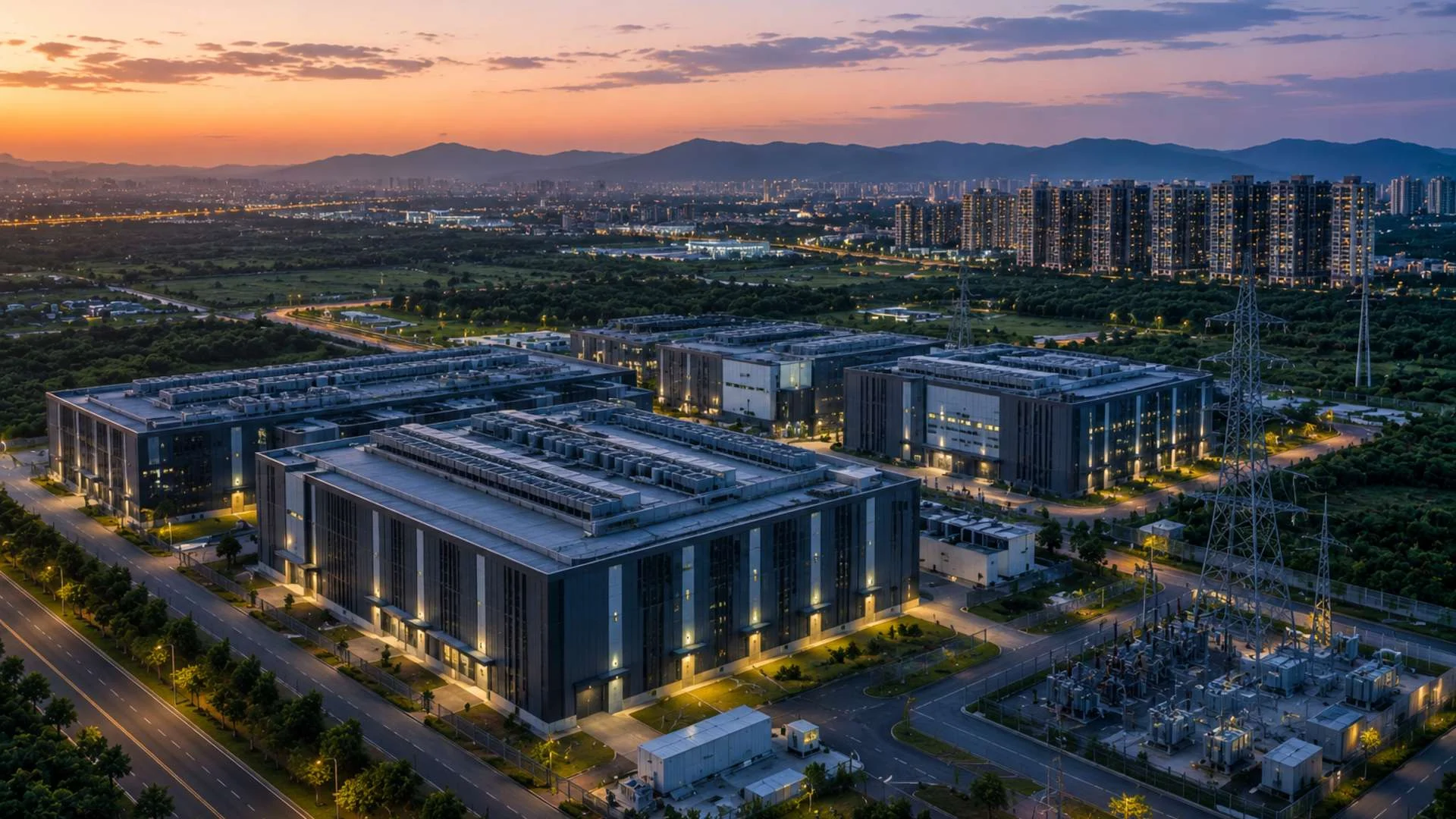
What is Lodha Palava Data Centre Park?
Lodha’s Palava data centre park is a large digital infrastructure hub in the Mumbai Metropolitan Region, where the developer is monetising land for hyperscale operators while building a new recurring-income business around data centres. The park has emerged as an important example of how India’s digital economy is creating a new category of real estate demand.
From Residential Land to Digital Infrastructure
Lodha Developers is turning its substantial Palava land bank into a data centre-led asset play, signalling how the Mumbai-region real estate market is expanding beyond homes, offices and retail.
According to The Economic Times Realty, Lodha plans to monetise another 150 acres at its Palava data centre park over the next three to four years. The latest plan is expected to generate around ₹9,000 crore, while earlier projections had put the opportunity at approximately ₹10,000 crore.
The strategy is significant because the land sales are expected to help finance the development of approximately 1 GW of powered-shell data centre capacity, without materially increasing the company’s leverage. (SAHI)
Why Data Centre Land Is Suddenly Valuable
The attraction is not simply the land. Data centres require reliable electricity, fibre connectivity, water infrastructure and proximity to major digital networks, making suitable sites increasingly valuable.
Lodha’s April 2026 investor presentation highlighted around 400 acres of shovel-ready land, approximately 3 GW of power availability and five existing fibre routes at the Palava park. The project also has anchor operators, including Amazon Web Services and STT Global Data Centres. (Lodha Group)
The momentum is already visible. In June, Business Standard reported that Amazon Data Services India acquired 10.6 acres in Palava for ₹125.13 crore, adding to its existing land position in the region. (Business Standard)
That transaction puts a real-world benchmark behind the broader MMR data centre real estate story.
The Bigger Lodha Strategy
The interesting part is what happens after the land sales. Lodha plans to develop roughly 1 GW of build-to-suit powered-shell capacity, with the company targeting more than ₹2,000 crore in annual rental income by FY32. (NDTV Profit)
This represents a shift from traditional development economics toward annuity income and digital infrastructure, potentially giving Palava a new role within the Mumbai Metropolitan Region.
For the surrounding Palava and Dombivli belt, the implications could extend beyond data centres. Infrastructure investment, large corporate occupiers and improved connectivity can strengthen the region’s commercial profile and potentially influence residential demand over time.
The Bottom Line
Lodha’s Palava data center strategy explains why data center real estate is fast becoming one of India’s most closely-watched new asset classes in 2026. The bigger story is not just the 150 acres being sold. It is the transformation of land into a recurring revenue, hyperscale infrastructure and long-term MMR growth platform.
Want to know what emerging infrastructure assets could mean for property in the Mumbai area? Learn more insights or speak with RealtyConnect’s AI property assistant: RealtyConnect AI Property Assistant