

Mumbai Redevelopment Boom: 59,000 Homes Set to Transform Suburbs
Mumbai Redevelopment Boom: 59,000 New Homes by 2031
SHARE:
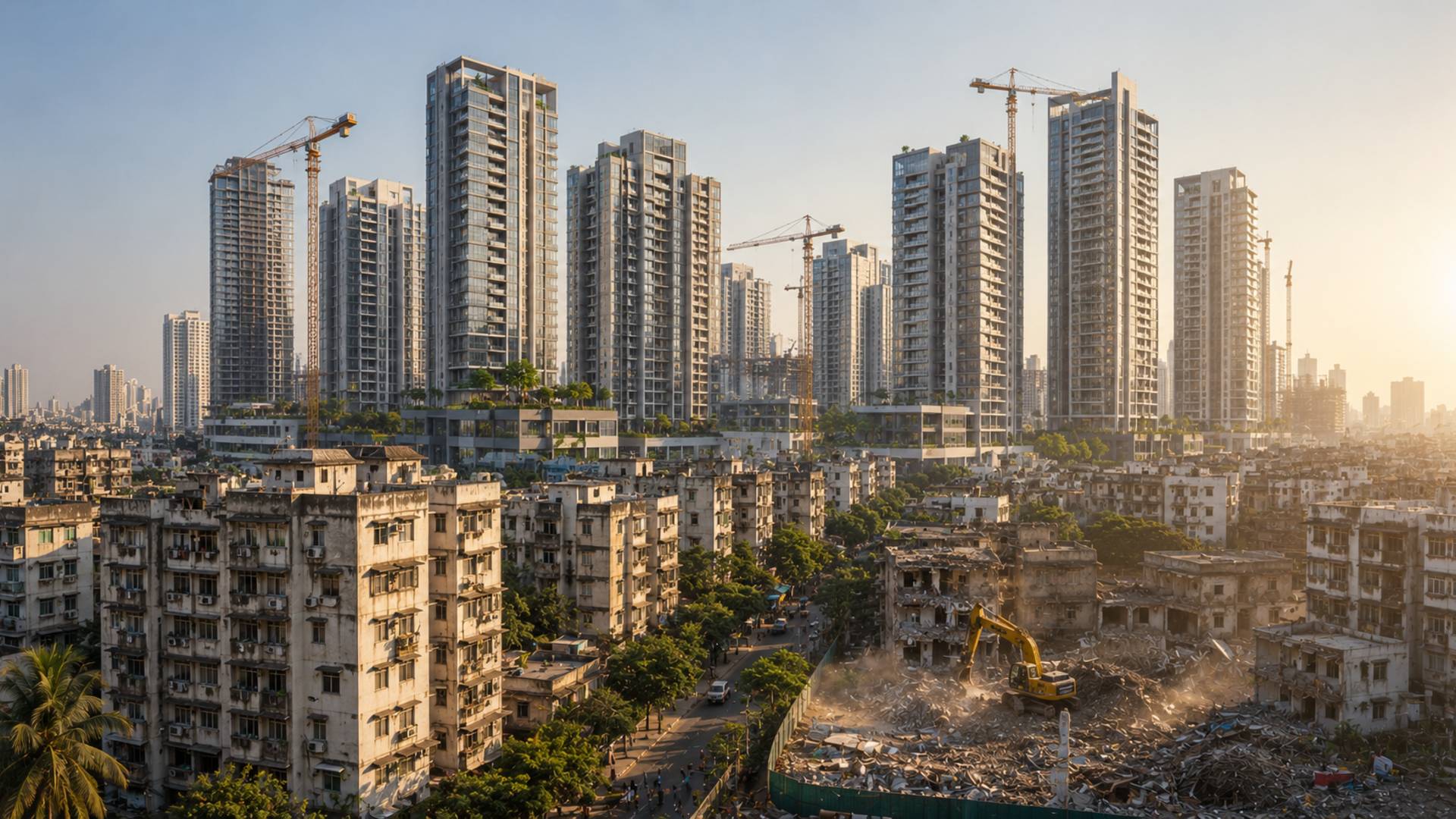
Which Mumbai areas will benefit most from 59,000 new redevelopment homes by 2031?
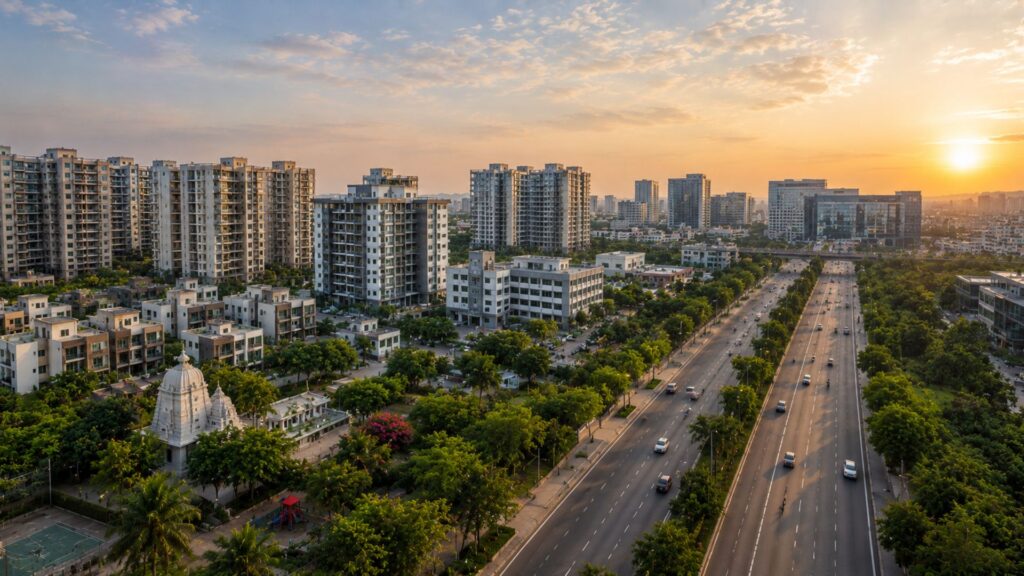
According to the Knight Frank Mumbai redevelopment report 2026, Borivali, Andheri and Bandra are expected to be the biggest beneficiaries of Mumbai’s redevelopment pipeline, which could unlock nearly 59,000 homes worth ₹1.5 trillion by 2031. Western suburbs account for approximately 95% of redevelopment activity, making them the city’s strongest redevelopment-led investment markets.
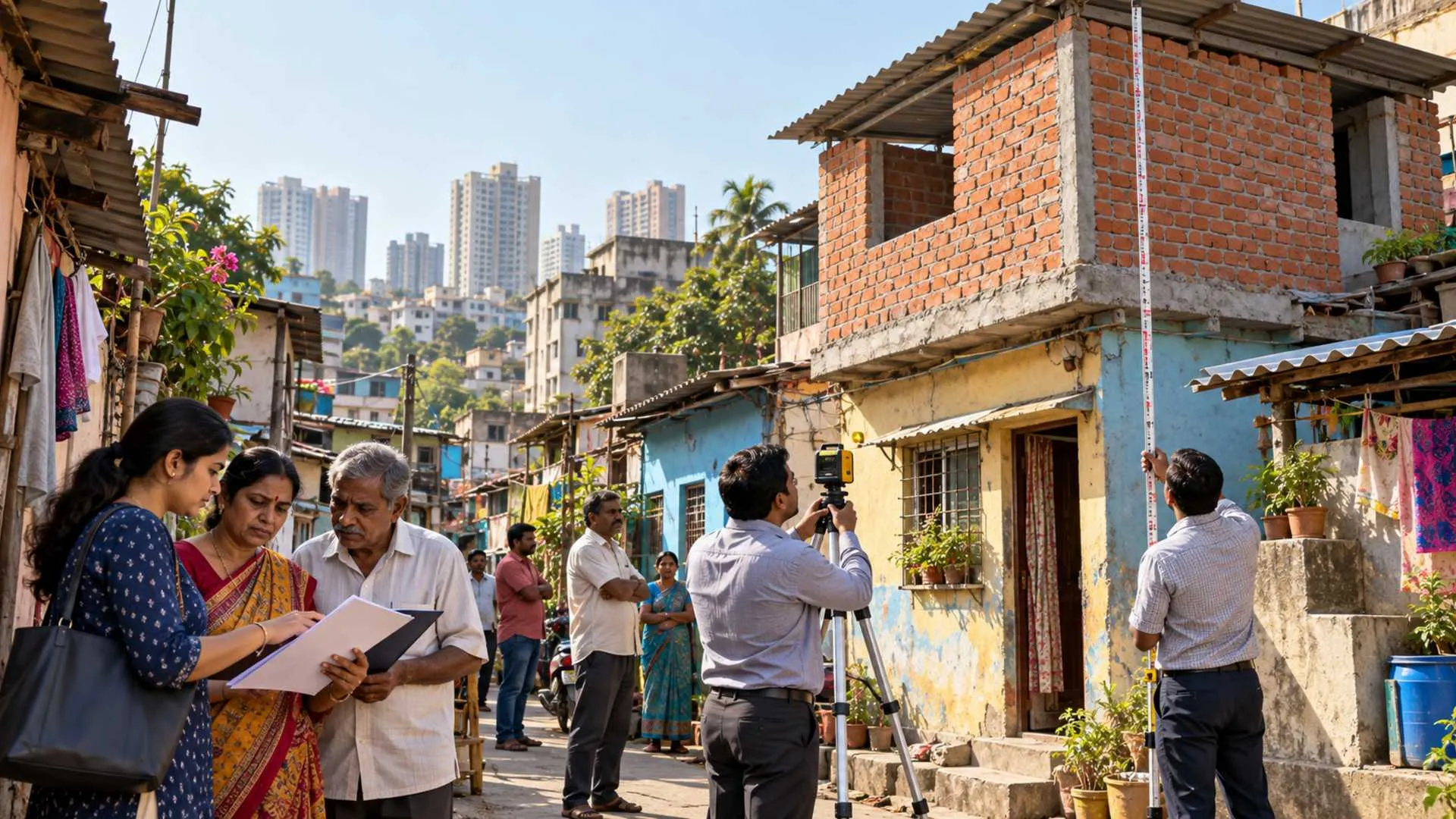
Mumbai’s next property boom might not be greenfield townships or luxury skyscrapers. It’s coming out of aging housing societies.
According to Knight Frank India, the recently announced redevelopment pipeline in Mumbai is 59,000 homes worth ₹1.5 trillion by 2031. It states 1,094 societies across 432 acres are under redevelopment. This pipeline has the potential to transform whole neighbourhoods, while unlocking one of the biggest urban renewal opportunities in the country’s history, reports Business Standard, Fortune India and Investment Guru India.
At the heart of this story is a simple truth: Mumbai is getting old. With the city’s infrastructure getting old and maintenance costs going up, the BMC’s requirement for structural audits is gaining traction. Nearly 160,000 buildings are estimated to be 30 years old by the BMC.
Why Western Suburbs Are Winning
The biggest surprise in the Mumbai suburban redevelopment winning pockets 2026 story is the sheer dominance of the western corridor.
Data highlighted by Knight Frank India, Shishir Baijal and Gulam Zia shows that Western suburbs 773 societies 95% Mumbai redevelopment share currently account for the overwhelming majority of projects.
Leading the race is Borivali redevelopment projects new homes 2026, with an impressive 220 societies under redevelopment. The locality has quietly evolved into Mumbai’s most active redevelopment market.
Experts tracking how Borivali became Mumbai’s number 1 redevelopment market with 220 societies point to larger plot sizes, cooperative society participation and strong end-user demand. For buyers evaluating Borivali redevelopment vs Kandivali comparison investment, Borivali currently offers a deeper redevelopment pipeline and stronger future supply visibility.
Andheri follows with 115 societies, while Bandra records 75 redevelopment projects, reinforcing their positions among the city’s most sought-after micro-markets.
From Building Redevelopment to Neighbourhood Renewal
The biggest structural shift is the move toward Mumbai cluster-led redevelopment at the 2026 neighbourhood scale.
Instead of replacing individual buildings, authorities are increasingly encouraging larger precinct-level transformation under DCPR 2034, Self-Redevelopment Policy, FSI, TDR and cluster development norms.
This directly addresses a growing question: How cluster-led redevelopment is changing Mumbai from building by building to neighbourhood renewal?
The answer lies in better roads, open spaces, infrastructure upgrades and improved urban planning outcomes that individual projects simply cannot achieve.
Developers such as Rustomjee, Godrej, Lodha, Raymond and SD Corp are increasingly participating in redevelopment-led growth strategies across Mumbai.
Where Investors Should Watch Closely
Beyond Borivali, Andheri and Bandra, emerging hotspots include:
- Ghatkopar redevelopment societies property impact 2026
- Kandivali Malad redevelopment new homes supply 2026
- Goregaon Vile Parle society redevelopment property prices
- Chembur Mulund redevelopment eastern suburb investment
Meanwhile, South Mumbai redevelopment 416 units premium ultra luxury projects continue to attract high-net-worth buyers despite limited supply.
However, investors should remain selective. Market researchers, including Liases Foras, continue to track 288850 unsold homes Mumbai MMR absorption concern, making project quality and location selection more important than ever.

What This Means for Homebuyers
The answer to “is buying in Mumbai redevelopment project a good investment in 2026?” depends on due diligence.
Homebuyers should verify:
- Development agreements
- Society approvals
- RERA registrations
- Developer track record
- Construction timelines
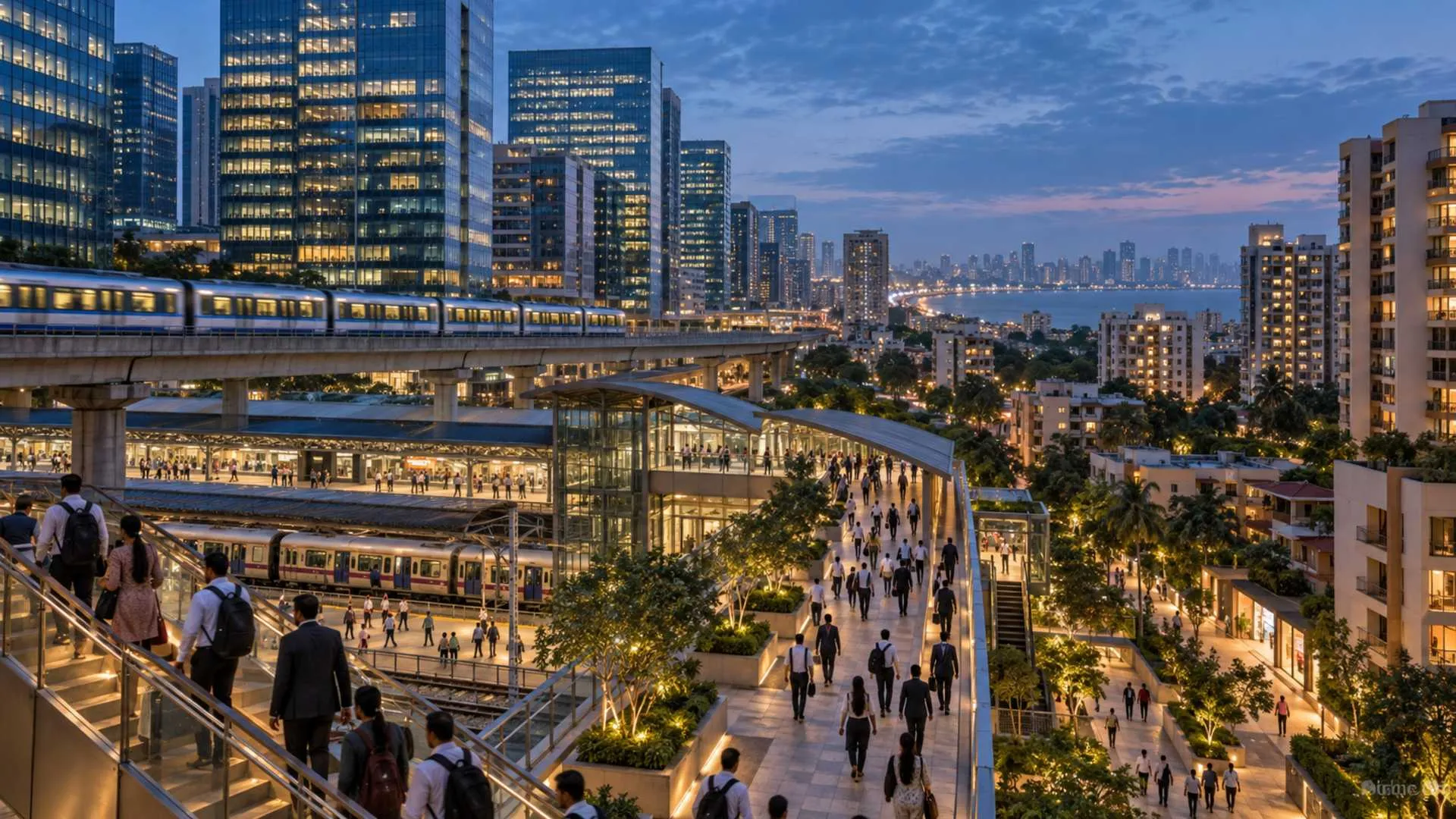
Redevelopment is no longer just a housing solution; it is becoming a city-building strategy as Mumbai enters what could be its largest urban renewal cycle.
The ₹1.5 trillion redevelopment wave may bring new homes, but its bigger impact could be the reinvention of entire suburbs.
Thinking about your next property purchase? Mumbai’s next growth cycle to define the real estate map of the city; Redevelopment-driven opportunities in Borivali, Andheri, Bandra and emerging suburban clusters.