

₹12.2 Lakh Crore Capex: India’s Next Property Hotspots
₹12.2 Lakh Crore Capex: India’s Next Property Hotspots
SHARE:
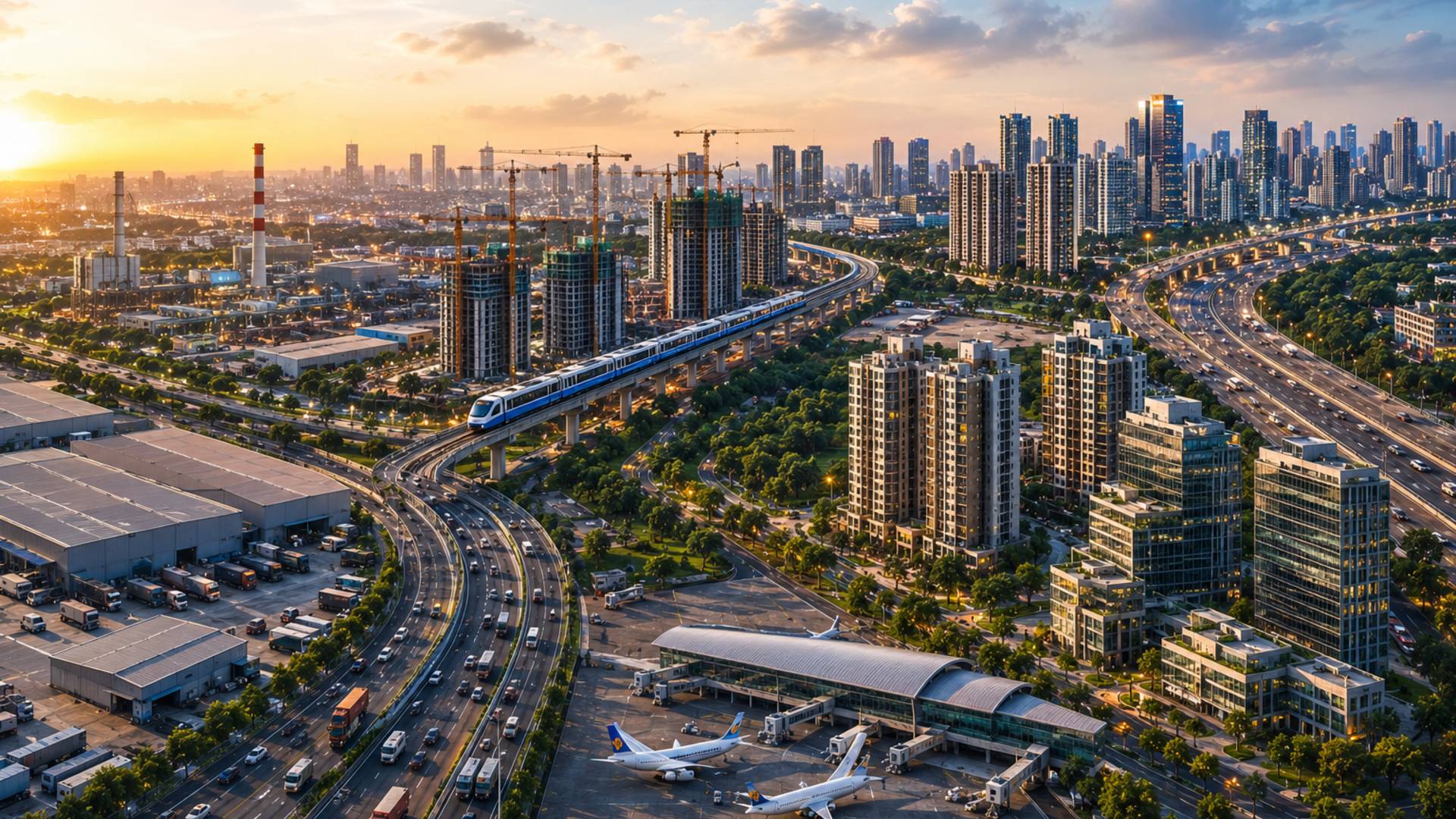
Which real estate micro-markets are directly in the path of India’s ₹12.2 lakh crore infrastructure push in 2026–27?
The impact of India’s ₹12.2 lakh crore capex 2026-27 on real estate is likely to be strongest in micro-markets near new metro corridors, expressways, industrial clusters, logistics hubs, dedicated freight corridors and smart-city projects. The areas around Mumbai, Pune, Bengaluru, Hyderabad, Chennai, Ahmedabad, Lucknow and Indore are emerging as the biggest beneficiaries of India’s infrastructure mega-spend, creating new opportunities for homebuyers and investors.
India’s Biggest Infrastructure Bet Is Also a Real Estate Story
New Delhi: Infrastructure is back in the limelight in India’s Union Budget with a huge ₹12.2 lakh crore capital expenditure allocation for FY 2026-27, putting the sector at the heart of economic growth. This is part of the larger development plan backed by NIP 2.0, which will generate about ₹150 lakh crore for infrastructure between 2026 and 2032, the Ministry of Finance said.
While headlines focus on highways, railways, ports and manufacturing corridors, the bigger question for investors is simple:
Which micro-markets benefit from India’s 12.2 lakh crore capex?
The answer lies in the corridors where connectivity, employment, and urban expansion converge simultaneously.
Why Capex Creates Real Estate Winners
Property markets rarely grow in isolation. They grow when infrastructure arrives.
Industry studies by KPMG, Colliers, ANAROCK and Knight Frank consistently highlight that roads, metro networks, industrial corridors and logistics hubs improve accessibility, generate jobs and attract private investment. This creates the classic India capex-driven real estate growth 2026-27 cycle.
The government’s newly announced Infrastructure Risk Guarantee Fund real estate impact 2026 initiative is also expected to encourage greater private participation in PPP projects, accelerating execution timelines across sectors.
The result? Once, peripheral micro-markets can suddenly become investment hotspots.
The Corridors Investors Are Watching Closely
Pune: Metro, Ring Road and IT Expansion
Pune remains one of the strongest examples of the budget 2026-27 capex real estate hotspots in India.
With the Pune Metro expansion, Metro Line 3 connecting Hinjewadi to Shivajinagar, and the long-awaited Pune Ring Road project moving forward, locations such as:
- Hinjewadi
- Wakad
- Mahalunge
- Baner
- Kharadi
- Wagholi
- Ravet
are witnessing rising investor attention.
Infrastructure analysts believe these corridors could benefit significantly from the capex multiplier effect, the Tier 2 Tier 3 cities real estate phenomenon, where public spending triggers private housing and commercial investments.
Mumbai Metropolitan Region: Connectivity-Led Growth
The MMR continues to gain momentum through:
- Atal Setu (MTHL)
- Coastal Road
- Metro network expansion
- Upcoming multimodal transport projects
Micro-markets expected to benefit include:
- Panvel
- Ulwe
- Dronagiri
- Kalyan
- Dombivli
- Thane
- Navi Mumbai
These areas are increasingly attracting end-users seeking affordability and investors looking for infrastructure-led appreciation.
Ahmedabad–Mumbai High-Speed Corridor
One of the most discussed investment themes today is:
“Will property prices near bullet train and expressway corridors double after construction?”
While no appreciation is guaranteed, history shows that high-speed connectivity often transforms regional real estate markets.
Micro-markets around:
- Surat
- Vapi
- Bharuch
- Ahmedabad outskirts
are already seeing growing developer interest due to the bullet train corridor and industrial expansion.
Industrial & Logistics Corridors
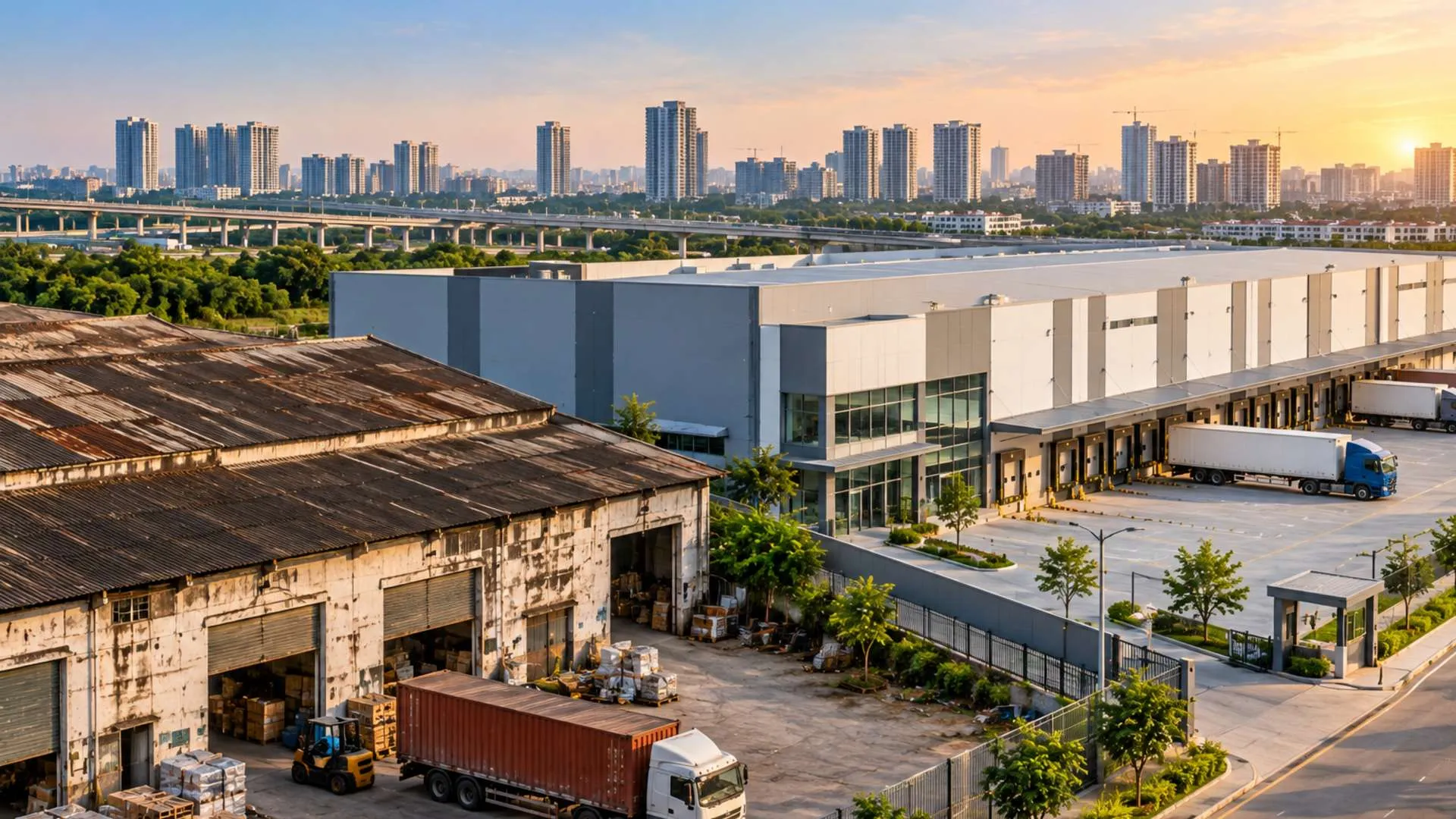
The dedicated freight corridors India real estate logistics impact story is becoming increasingly important.
As logistics parks, warehousing hubs and manufacturing clusters expand, cities such as:
- Indore
- Nagpur
- Lucknow
- Ahmedabad
- Chennai outskirts
are witnessing stronger residential demand from professionals employed in these ecosystems.
This is particularly relevant as India pushes investment into seven strategic manufacturing sectors under its industrial growth strategy.
The Rise of Tier 2 and Tier 3 Winners
One of the biggest takeaways from the current cycle is that future growth may not be limited to metros.
Experts believe the capex multiplier effect, Tier 2, Tier 3 cities’ real estate trend could create entirely new investment destinations over the next five years.
The combination of:
- Expressways
- Industrial corridors
- Smart-city projects
- Airport upgrades
- Logistics infrastructure
is reshaping housing demand across emerging cities.
For investors asking, “Will Tier 2 and Tier 3 cities see the fastest property growth from the capex push 2026-27?”, the answer increasingly appears to be yes.

The Smart Money Is Following Infrastructure
The biggest lesson from every real estate cycle remains unchanged:
Infrastructure arrives first. Property appreciation follows.
Whether it is a metro station, an expressway interchange, a logistics hub or an industrial corridor, the most successful investors often identify locations before infrastructure becomes fully operational.
As NIP 2.0, PPP projects, InvITs, REIT monetization and institutional infrastructure financing accelerate, India is entering a decade where connectivity could become the single biggest driver of real estate wealth creation.
Planning your next property investment? Track infrastructure corridors, not just city names. The biggest winners of India’s ₹12.2 lakh crore capex 2026-27 real estate impact may emerge from today’s overlooked micro-markets and become tomorrow’s most valuable addresses.
FAQs:
- Which neighborhoods will see the biggest property value jump from new infrastructure?
Areas located near upcoming metro stations, expressway interchanges, industrial corridors and logistics hubs typically see the strongest appreciation potential. - Should I buy property near upcoming highway projects?
Properties near major highway and expressway projects often benefit from improved connectivity, higher demand and long-term capital appreciation. - What areas will get metro connectivity in the next few years?
Several micro-markets across Pune, Mumbai, Bengaluru, Hyderabad, Chennai and Ahmedabad are expected to gain expanded metro connectivity through ongoing projects. - How does government capex spending directly impact property prices near corridors?
Capex improves infrastructure, attracts businesses and creates jobs, which increases housing demand and supports property price growth. - Will property prices near bullet train and expressway corridors double after construction?
While doubling is not guaranteed, strategically located properties near transformative infrastructure projects have historically delivered strong long-term appreciation.