

The Premiumisation of Indian Retail Real Estate: Experience-Led Malls, F&B Clusters & Global Brand Rollouts in 2026
Premium Retail Malls Redefine India's Shopping Experience
SHARE:
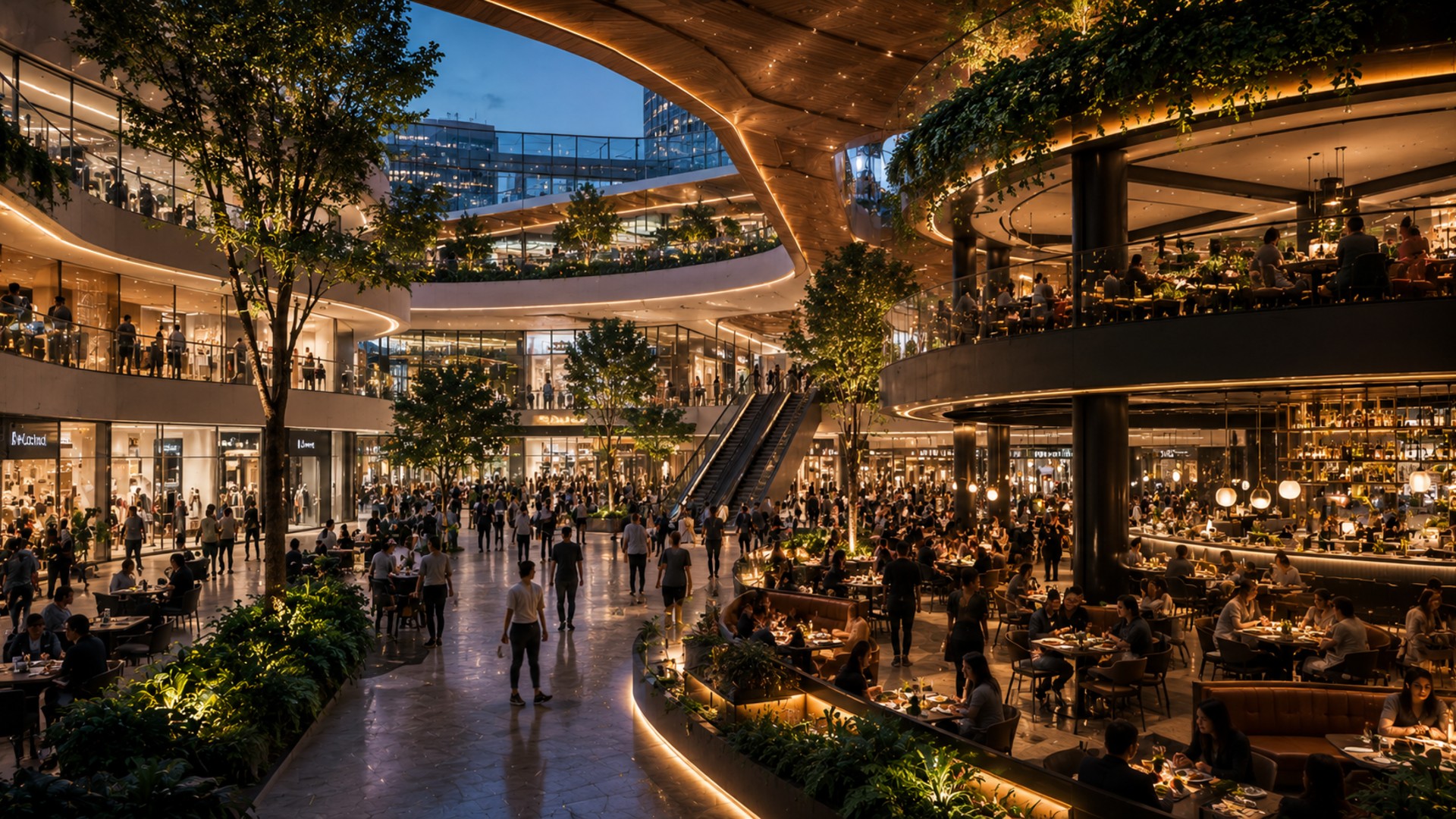
India’s retail real estate market is no longer shopping alone. By 2026, malls will become lifestyle destinations, with dining, entertainment, wellness, technology, and luxury retail all in one place. Premiumisation of Indian retail real estate in 2026 is changing the way developers build malls, brands expand, and consumers spend their time.
The transactional visit to buy products has become an experience-driven outing. This has led to experience-driven malls in India 2026 being one of the most exciting growth stories in commercial real estate.
A New Era of Premium Retail
Industry reports indicate that nearly 5.9 million sq ft of new mall supply is expected to enter major Indian cities in 2026, with almost 70% of the upcoming inventory comprising Grade A+ superior malls. These developments are being planned around curated experiences rather than traditional retail formats.
Developers are focusing on:
- Luxury shopping boulevards
- Destination dining zones
- Entertainment and gaming hubs
- Family-centric experiences
- Smart retail technologies and AI-driven analytics
The result is a broader India retail real estate transformation 2026, where footfalls are driven as much by experiences as by shopping.
Why F&B Is Becoming the New Anchor
One of the biggest shifts in retail real estate is the rise of F&B clusters in India’s retail growth in 2026.
Traditionally, department stores and fashion brands anchored malls. Today, premium restaurants, artisanal cafés, rooftop dining concepts and global food chains are becoming the biggest crowd-pullers.
Industry projections suggest dedicated F&B space across organised retail could exceed 6 million sq ft by 2028, highlighting the growing importance of dining-led destinations.
Consumers increasingly choose malls that offer:
- Multi-cuisine dining experiences
- Gourmet food halls
- Entertainment-linked restaurants
- Late-night social hubs
This trend is helping malls extend visitor dwell time and increase spending per customer.
Global Brands Are Expanding Aggressively
The second major driver behind the story of global brand rollouts in Indian malls in 2026 is the continued entry and expansion of international retailers.
Luxury, beauty, fashion and lifestyle brands are expanding across top cities as India’s affluent consumer base grows rapidly.
Brands such as Zara, H&M, IKEA, Sephora, Uniqlo and other international players continue to expand footprints in premium locations. At the same time, India’s fast-growing D2C ecosystem accounted for nearly 27% of retail leasing activity, reflecting strong demand from digital-first brands entering physical retail.
The combination of global brands and homegrown premium labels is creating a more sophisticated tenant mix across leading malls.
India’s Premium Mall Map Is Expanding
The strongest activity is visible across major metropolitan markets.
Mumbai
Premium destinations such as Jio World Drive, Phoenix Palladium, High Street Phoenix and Oberoi Mall continue attracting luxury retailers and flagship F&B concepts.
Pune
Phoenix Marketcity, Amanora Mall, Westend Mall and Seasons Mall are witnessing increasing demand from premium brands and experiential tenants.
Delhi NCR
DLF Promenade, Select Citywalk, Ambience Mall and DLF Mall of India remain among the country’s most sought-after retail destinations.
Bengaluru
UB City, Phoenix Marketcity, Orion Mall and Lulu Mall are benefiting from strong consumer spending and growing premium retail demand.
Vacancy Is Falling, Rentals Are Rising
As consumer demand concentrates around high-quality assets, India’s retail vacancy tightening premium malls in 2026 has become a defining trend.
Premium malls are witnessing stronger occupancy levels, rising rentals and increased competition for prime retail spaces. In several top-performing centres, rental values have recorded significant growth as brands compete for limited high-footfall locations.
For investors and developers, this is creating a compelling case for Grade A retail assets with strong tenant mixes and experiential offerings.
The Big Picture
The future of Indian retail is not about selling products; it’s about creating memorable experiences.
Experience-led malls in India 2026 are evolving into modern urban destinations with luxury brand launches, immersive entertainment zones, curated dining districts, and smart retail technologies.
2026 is set to be one of the most transformational years for the Indian retail real estate sector, with premiumisation gaining momentum in the sector. The confluence of new supply, global brand roll-outs and thriving F&B ecosystems is ushering India’s retail landscape into a golden era where shopping is just part of the experience.
The message for investors, retailers and commercial real estate players is clear: the next wave of growth will be for destinations that blend retail with entertainment and lifestyle into one seamless experience. Watch the premium retail revolution unfold in India today.