

Hiranandani Group at 46: How Two Brothers Built India’s Most Ambitious Township Model and What’s Next
From a Swampy Stretch in Powai to Landmark Integrated Townships, the Hiranandani Story Is One of Indian Real Estate's Most…
SHARE:
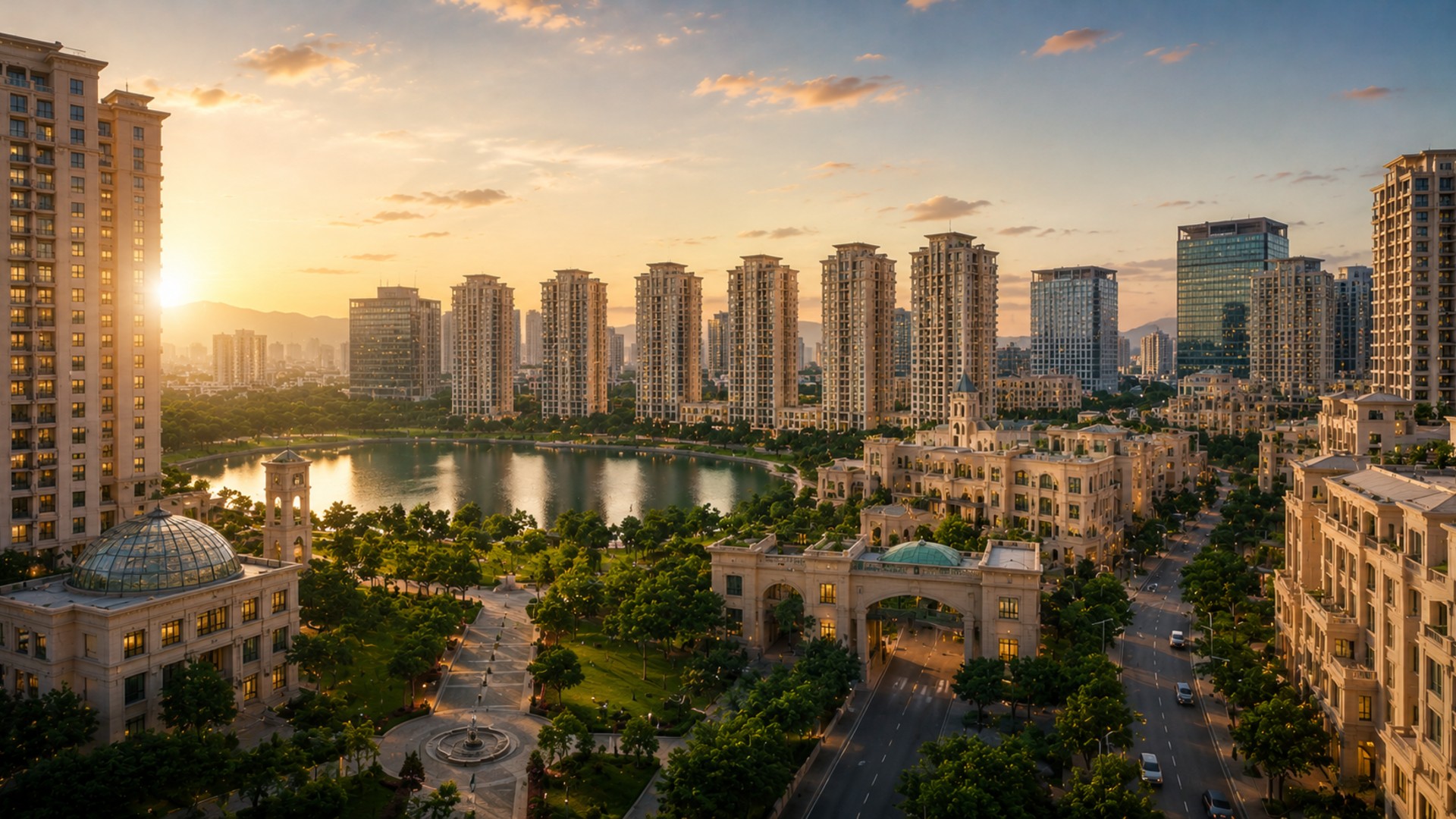
There are very few developers who have had the same impact on India’s urban landscape as the Hiranandani Group. In its 46-year journey, the company has redefined the concept of township living, proving that homes, workplaces, schools, retail, healthcare and lifestyle infrastructure can co-exist within a single ecosystem.
The story behind this success is of the two brothers, Niranjan Hiranandani and Surendra Hiranandani, whose vision helped build one of India’s most influential realty brands.
Hiranandani was building integrated townships long before they became an industry buzzword.
The Powai Transformation That Changed Everything
The defining chapter in the Hiranandani Group’s history and township model in India began in Powai, Mumbai.
In the 1980s, the area was largely underdeveloped, dotted with quarries, marshland and limited infrastructure. What followed would become one of India’s most celebrated urban redevelopment stories.
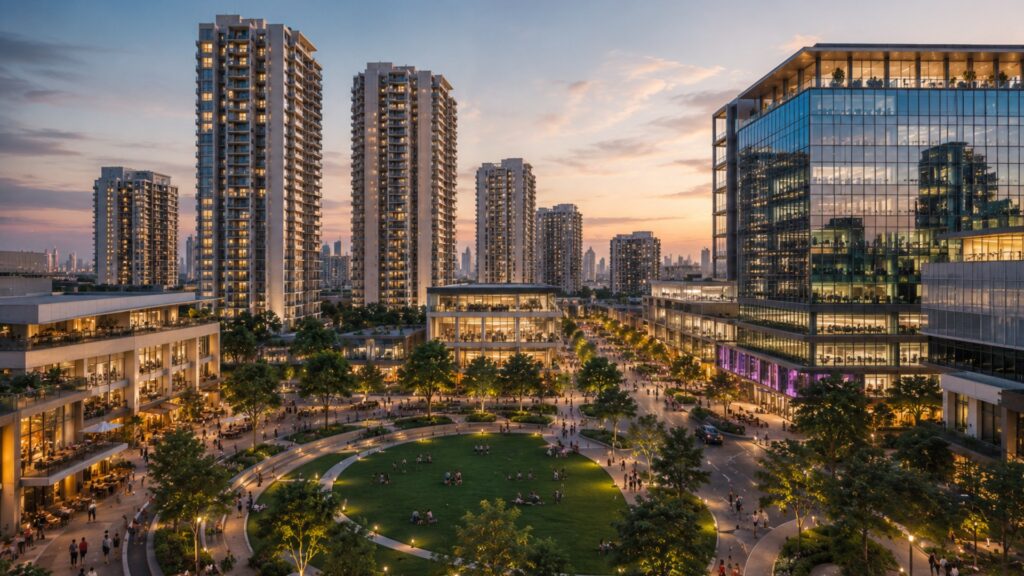
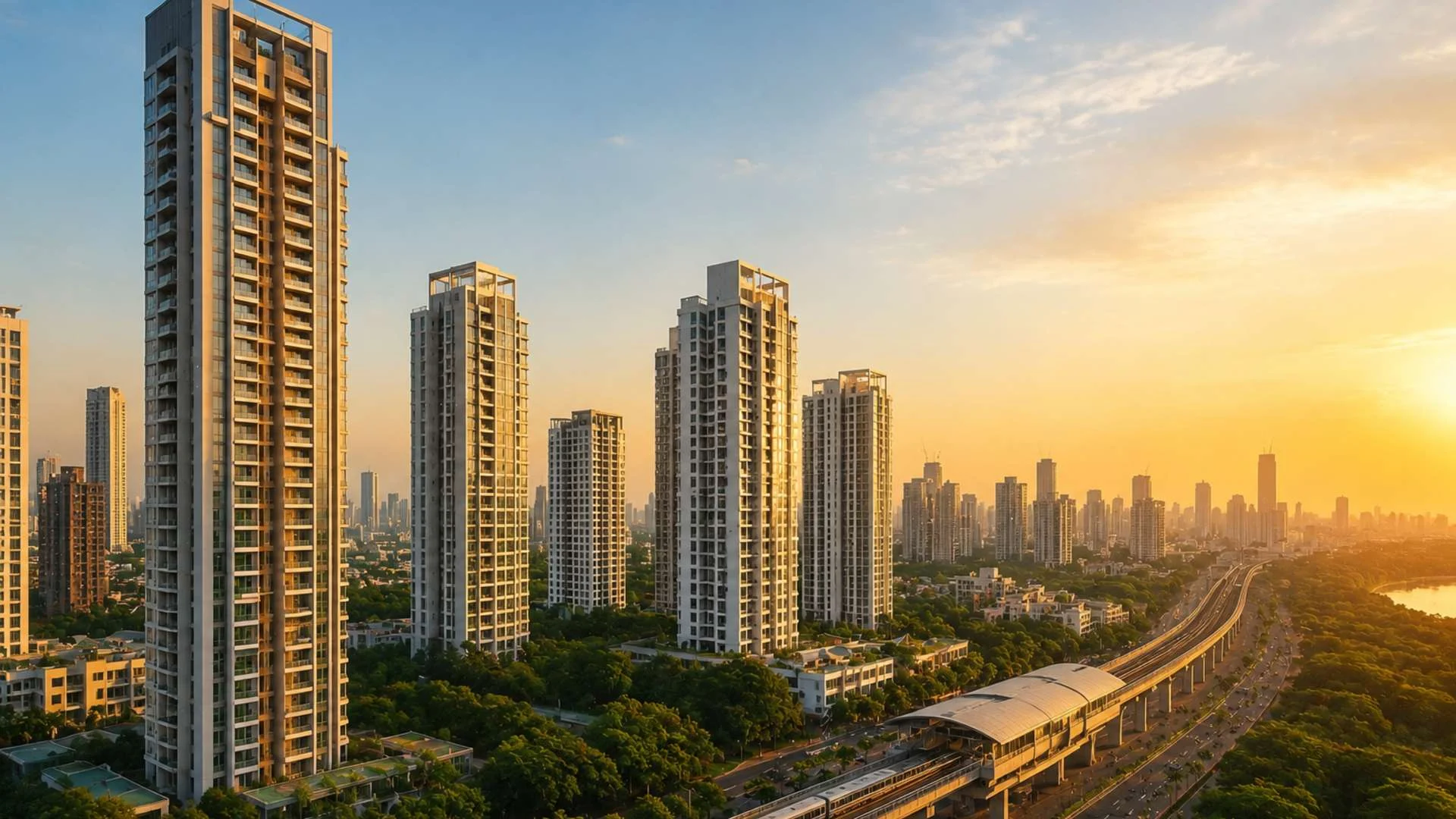
The creation of Hiranandani Gardens Powai, spread across nearly 250 acres, transformed the locality into a self-sustained urban destination featuring:
- Residential towers
- Business parks
- Educational institutions
- Retail hubs
- Healthcare facilities
- Public spaces and landscaped avenues
Today, Powai is considered one of Mumbai’s most premium residential and commercial addresses, attracting professionals, entrepreneurs and multinational corporations.
The project didn’t just build homes; it created an entirely new lifestyle ecosystem.
Building the Township Blueprint
The success of Powai became the foundation for a larger vision.
Over the years, the group replicated its integrated township philosophy across multiple cities, most notably through Hiranandani Estate in Thane, a 375-acre development that redefined suburban living in the Mumbai Metropolitan Region.
What made the Hiranandani model different?
- Integrated planning
- Walk-to-work concepts
- Strong social infrastructure
- Mixed-use development
- Long-term community creation
While many developers focused on standalone projects, Hiranandani focused on creating complete neighbourhoods.
This township-first approach helped establish the company as one of India’s pioneers in integrated urban development.

A Legacy Beyond Luxury Housing
The Hiranandani brand became synonymous with premium construction quality, distinctive architecture and large-scale master planning.
The company’s developments benefited from their proximity to key employment hubs such as:
- Powai Lake
- IIT Bombay
- SEEPZ
- Emerging business districts across Mumbai
As India’s middle and upper-middle classes evolved, Hiranandani projects increasingly became aspirational addresses that combined convenience with lifestyle.
The Family Business Evolves
One of the most significant developments in the group’s history came when Niranjan and Surendra Hiranandani divided certain jointly held real estate assets and projects, creating clearer operational pathways for their respective businesses.
This led to greater distinction between:
- Hiranandani Group
- Hiranandani Communities
- House of Hiranandani
While the brands continue to share a common legacy, each has pursued its own growth strategy and regional focus.
The transition also opened the door for next-generation leadership to play a larger role in shaping the business’s future.
What’s Next for the Hiranandani Legacy?
Even after nearly five decades, the growth story is far from over.
The group’s expansion ambitions extend beyond Mumbai, with significant interest in emerging markets and large-format developments.
Industry attention is increasingly focused on opportunities in:
- Panvel
- Pune region
- Alibaug
- Integrated mixed-use developments
- New-age urban communities
The demand for master-planned townships, especially in infrastructure-led growth corridors, is creating fresh opportunities for developers with proven expertise in large-scale execution.
Why the Hiranandani Model Still Matters
In an era dominated by high-rise towers and fragmented developments, the Hiranandani philosophy remains remarkably relevant.
Homebuyers today are seeking:
- Better live-work balance
- Social infrastructure
- Open spaces
- Community-centric environments
- Integrated urban experiences
These are the very principles on which the company’s township model was built decades ago.
What started as a bold experiment in Powai has evolved into a blueprint that continues to influence Indian real estate development today.
The Next Chapter Begins
With India’s cities expanding and urban planning trending toward mixed-use, self-sustained communities, the Hiranandani legacy appears well-positioned for its next phase of growth.
Can the Township Model Shape India’s Future Cities?
As infrastructure corridors expand and home buyers want more than just apartments, integrated communities are back on centre stage. If the next generation of Indian urban development is guided by the principles pioneered in Powai, the Hiranandani story may have some of its most influential chapters ahead.