

India Infrastructure Boom: How ₹11 Lakh Crore Capex Budget Is Creating New Real Estate Hotspots
India’s Biggest Real Estate Catalyst in 2026 Is Not Housing; It’s Infrastructure
SHARE:
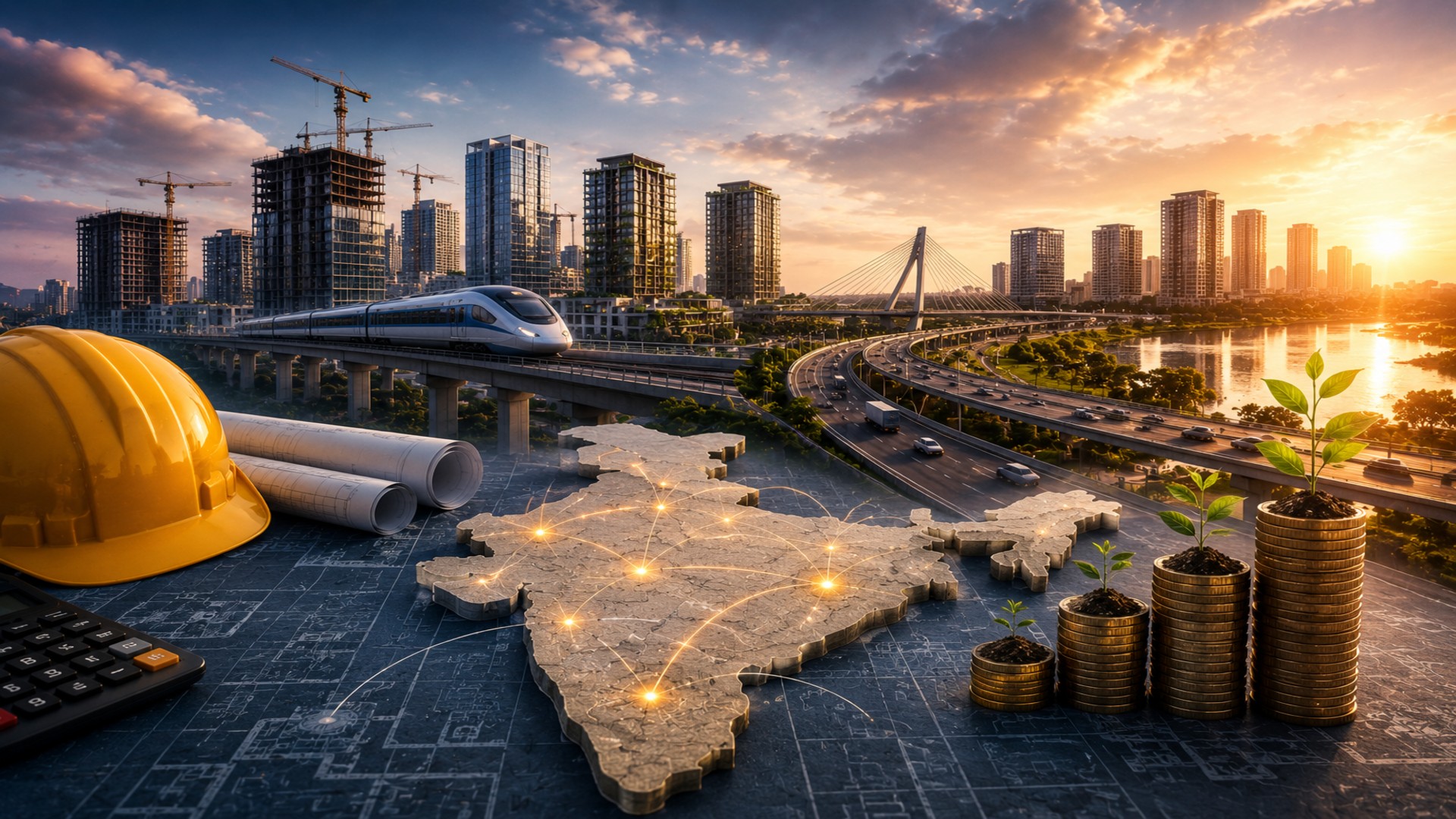
The property market in India is entering a new growth cycle and this time, the momentum is not just driven by housing demand or luxury launches. It is driven by one of the biggest public spending splurges in the country’s history.
The impact of India’s infrastructure capex budget on real estate in 2026 is quickly changing investment trends across the country. The government’s huge capital expenditure allocation of ₹11 lakh crore is altering connectivity, logistics, industrial corridors and urban growth.
Infrastructure is now determining the next real estate hotspots, from metro cities to emerging Tier-2 destinations.
Why the ₹11 Lakh Crore Capex Budget Matters
The Union Budget’s infrastructure-led approach is designed to accelerate:
- High-speed connectivity
- Industrial growth
- Urban expansion
- Logistics efficiency
- Smart city development
This has triggered the rise of:
“11 lakh crore capex new real estate hotspots India.”
because infrastructure investment has traditionally been the most powerful long-term driver of property appreciation.
Almost all major real estate booms in India, whether it is the motorway growth in Gurgaon or IT corridors in Hyderabad, are closely linked to the expansion of infrastructure.
Now this trend is taking off in new cities and economic corridors.
Infrastructure Is Expanding Beyond Metro Cities
The biggest shift in the India infrastructure boom property market 2026 2027 narrative is decentralisation.
Instead of concentrating growth only in metros like:
- Mumbai
- Bengaluru
- Hyderabad
The new capex cycle is creating opportunities across:
- Indore
- Lucknow
- Nagpur
- Coimbatore
- Bhubaneswar
- Kochi
- Jaipur
- Ahmedabad
This is accelerating:
Tier 2 Tier 3 cities real estate growth India 2026
as investors increasingly look beyond saturated metro markets.

High-Speed Corridors Are Changing Property Economics
One of the most powerful trends shaping real estate today is transportation-led appreciation.
The proposed and expanding:
- High-speed rail corridors
- Industrial freight routes
- Expressways
- Metro networks
- Logistics hubs
are dramatically reducing travel time and unlocking new development zones.
How does high-speed rail Mumbai Pune Hyderabad Bengaluru impact property prices:
Properties located near future transit corridors typically witness:
- Faster capital appreciation
- Stronger rental demand
- Higher commercial activity
- Improved investor sentiment
Connectivity has become the new currency of Indian real estate.
Tier-2 Cities Are Becoming the Biggest Winners
The strongest impact of the capex cycle may actually be visible outside India’s traditional metro hubs.
Which tier 2 cities will benefit most from India’s infrastructure boom?
Industry experts are closely watching:
- Nagpur
- Lucknow
- Indore
- Coimbatore
- Bhubaneswar
- Kochi
because these cities combine:
- Lower entry pricing
- Infrastructure expansion
- Industrial growth potential
- Rising employment ecosystems
The emerging:
capex-driven real estate hotspots India tier 2 tier 3
The story is increasingly attracting both developers and institutional investors.
Government Spending Is Fueling Real Estate Confidence
One of the biggest questions investors ask is:
“How does government capex spending affect property prices in India?”
The answer lies in economic multiplier effects.
Infrastructure investment creates:
- Jobs
- Business activity
- Commercial demand
- Residential absorption
- Urban migration
This cycle directly boosts property values around infrastructure corridors.
Key growth drivers include:
- Ganga Expressway
- Industrial corridors
- Smart City Mission
- Logistics parks
- City Economic Regions (CERs)
The growing:
City Economic Regions CER real estate investment
trend is expected to become one of the strongest wealth-creation themes over the next decade.
REITs, InvITs and Institutional Capital Are Strengthening the Market
Another major reason the infrastructure-led growth story is gaining momentum is financing innovation.
The expanding role of:
- InvITs
- REITs
- NIIF
- NABFID
- Municipal bonds
is improving long-term infrastructure funding capacity.
This is strengthening:
India capex budget InvIT REIT real estate impact
across both commercial and residential segments.
Large-scale infrastructure financing is no longer limited to government spending alone; institutional capital is now deeply involved in India’s urban growth story.
Infrastructure-Led Appreciation Is Already Visible
Across India, locations near:
- Metro stations
- Expressways
- Ring roads
- Industrial zones
- Logistics corridors
We are already witnessing rising investor activity.
Infrastructure-led property appreciation in India 2026
is especially visible in:
- Peripheral growth corridors
- Emerging business districts
- Transit-oriented developments
Developers are now launching projects strategically around future infrastructure instead of existing city centres.
Why 2026 Could Redefine Indian Real Estate
The biggest difference between this infrastructure cycle and previous ones is scale.
The current capex push is not focused on isolated projects; it is building interconnected economic ecosystems.
This includes:
- Freight connectivity
- Industrial manufacturing
- Housing demand
- Commercial expansion
- Logistics integration
As infrastructure reshapes mobility and business activity, entirely new real estate corridors are being created.
India’s next property boom may not emerge from traditional metro cores alone; it may rise from infrastructure-led growth corridors across the country.
Final Take
The real estate growth story and the budget 2026 infrastructure spending are emerging as one of the biggest investment themes in India.
Infrastructure is transforming the how and where of India’s growth with ₹11 lakh crore in capex spending fuelling highways, rail networks, industrial corridors and urban sprawl.
The next generation of real estate hotspots in the country is already emerging from Tier-2 cities to high-speed rail corridors.
Even as infrastructure supports real estate growth, it is defining the future map of Indian property investment in 2026.
Stay updated on the latest infrastructure projects, emerging investment corridors, Tier-2 city growth trends, and real estate insights that are shaping India’s property market in 2026 and beyond.