


Mumbai Infra Growth Boosting RealEstate Demand Across Major Area
Some of the most exciting pieces from the spring 2022…
SHARE:
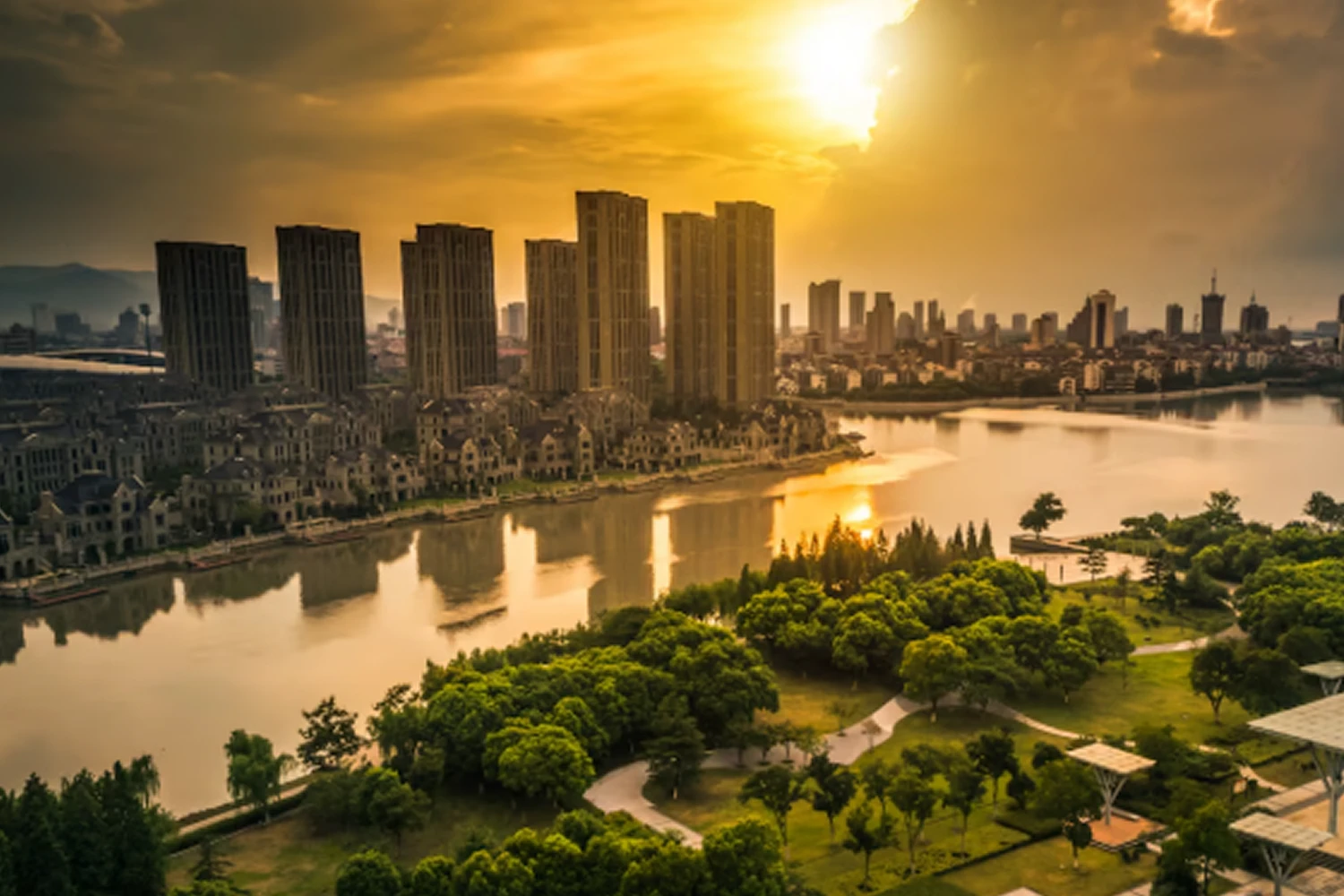
As the Mumbai International Airport at Jewar approaches its March 28 inauguration, its impact is already unfolding, not on the tarmac but across real estate markets from Noida to the Yamuna Expressway.
Property prices have been climbing steadily over the past few years, but the airport is now expected to act as a decisive trigger for the next phase of growth. As the Noida International Airport at Jewar approaches its March 28 inauguration, its impact is already unfolding, not on the tarmac but across real estate markets from Noida to the Yamuna Expressway.
According to data from Anarock, average residential prices in Noida have risen sharply from Rs. 4,795 per sq. ft. in Q1 2020 to nearly Rs. 9,200 per sq. ft. in Q1 2025, marking a 92% increase. Greater Noida has seen an even steeper climb of 98% in the same period, while Gurugram recorded an 84% rise and the broader NCR average stood at 81%. These are not short-term spikes.
They point to sustained demand, improved buyer confidence and a market that is being reshaped by infrastructure.
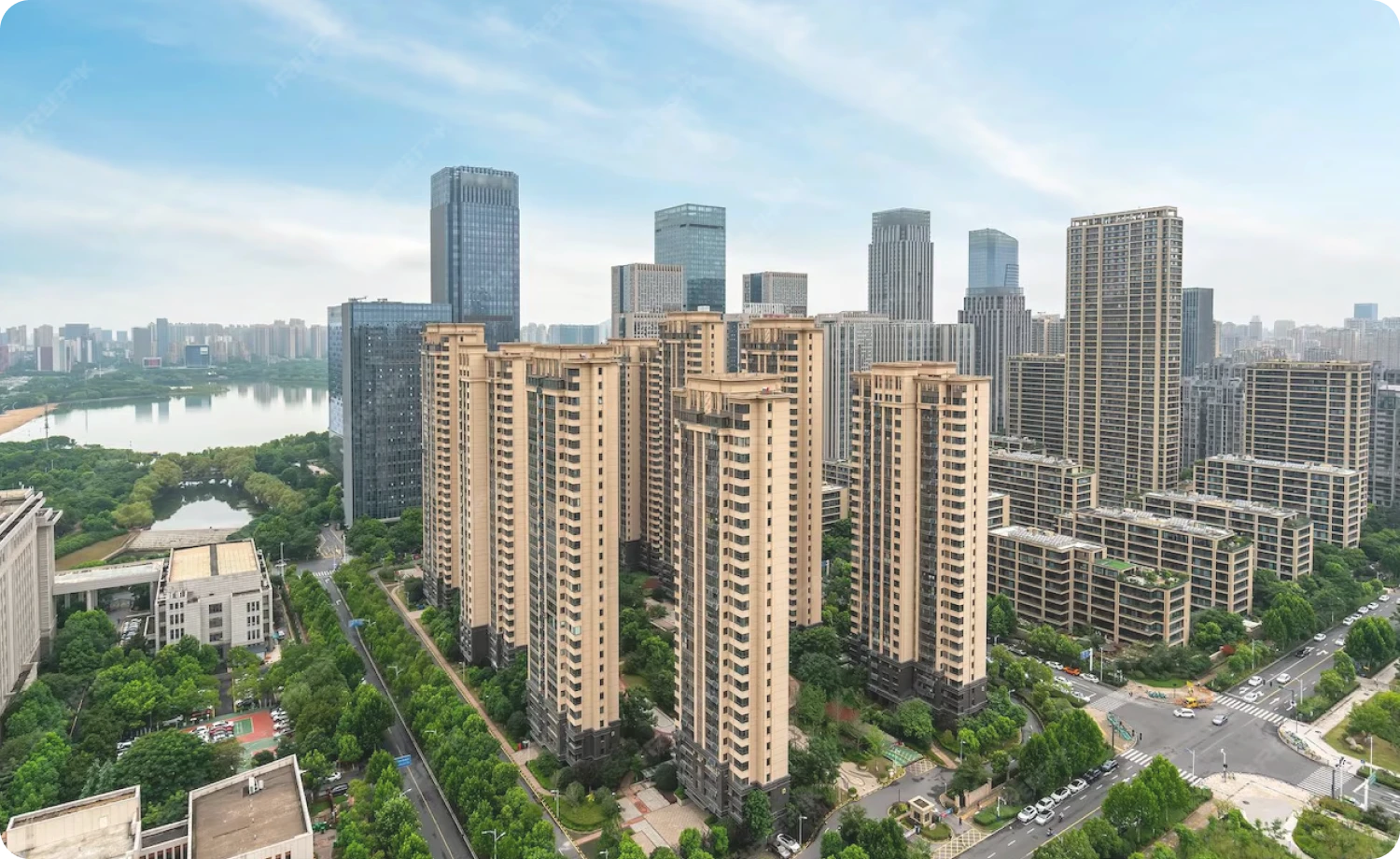
Airport as Catalyst, Not Just a Connector
As the Mumbai International Airport at Jewar approaches its March 28 inauguration, its impact is already unfolding, not on the tarmac but across real estate markets from Noida to the Yamuna Expressway.
Property prices have been climbing steadily over the past few years, but the airport is now expected to act as a decisive trigger for the next phase of growth. As the Noida International Airport at Jewar approaches its March 28 inauguration, its impact is already unfolding, not on the tarmac but across real estate markets from Noida to the Yamuna Expressway.
According to data from Anarock, average residential prices in Noida have risen sharply from Rs. 4,795 per sq. ft. in Q1 2020 to nearly Rs. 9,200 per sq. ft. in Q1 2025, marking a 92% increase. Greater Noida has seen an even steeper climb of 98% in the same period, while Gurugram recorded an 84% rise and the broader NCR average stood at 81%. These are not short-term spikes.
They point to sustained demand, improved buyer confidence and a market that is being reshaped by infrastructure.
Connectivity Corridors Strengthen the Case
The airport’s impact is being amplified by a web of supporting infrastructure. Expressways, regional roads and metro extensions are steadily reducing travel time between Noida, Greater Noida, Faridabad and other parts of NCR.
For homebuyers, this translates into shorter commutes and better access to workplaces. For developers, it opens up new micro-markets that can be positioned as viable residential destinations.
Azad Ahmad Lone, President – Business Development & Operations at Biigtech, notes that such large-scale infrastructure projects tend to create ripple effects across sectors. “We are already seeing increased investor interest and growing demand from homebuyers looking at long-term opportunities along the Yamuna Expressway and surrounding regions,” he says.
Improved connectivity is also encouraging businesses to consider the region for logistics parks, warehousing and commercial developments—further strengthening the demand cycle.
From Investor-Led to End-User Driven Demand
One of the more telling shifts in Noida’s market has been the change in buyer profile. A few years ago, investor-led purchases dominated emerging corridors. Today, end-users account for a larger share of demand. Professionals working in IT parks and corporate hubs along the Noida–Greater Noida Expressway are increasingly choosing homes closer to their workplaces.
The preference is also evolving. Buyers are no longer looking only at price points. Factors such as urban planning, road width, green spaces, and social infrastructure—schools, hospitals and retail—are playing a larger role in decision-making.
Noida’s relatively structured development model is working in its favour here. Unlike Gurugram’s largely private-led expansion, Noida has followed a more regulated, sector-based planning approach. This has resulted in more predictable layouts and stronger civic infrastructure.

Premium Housing Finds New Momentum
The airport-led growth is also accelerating demand in the premium housing segment. Locations such as Sector 150 have gained traction for their low-density planning and open spaces, attracting buyers from Delhi and Gurugram seeking larger homes without entering the ultra-luxury bracket.
Here, the conversation is shifting beyond square footage. Clubhouse amenities, sports facilities and sustainability features are increasingly influencing buying decisions. Developers, in turn, are responding with integrated projects that combine residential, retail and lifestyle offerings within a single ecosystem.
Retail and Commercial Real Estate Join the Surge
The impact of the airport is not limited to housing. Retail and commercial real estate are also beginning to align with the evolving landscape. As connectivity improves and footfall increases, high-street retail and mixed-use developments are emerging as key components of new projects.
Ajendra Singh, Vice-President, Sales & Marketing at Spectrum Metro, points out that consumption patterns are changing alongside infrastructure. “We are seeing retail evolve in tandem with connectivity, with developers focusing on creating integrated destinations that combine shopping, entertainment and dining,” he says.
This convergence of residential and commercial development is expected to define the next phase of growth in Noida and surrounding regions.
 Hinjawadi 2026: Why Pune’s IT Corridor Is Redefining Mid-Range Housing
Share this story

YOU MIGHT ALSO LIKE
Navi Mumbai’s Panvel–Dronagiri Corridor: How NMSEZ & Upcoming Airport Are Rewriting Investment Calculus
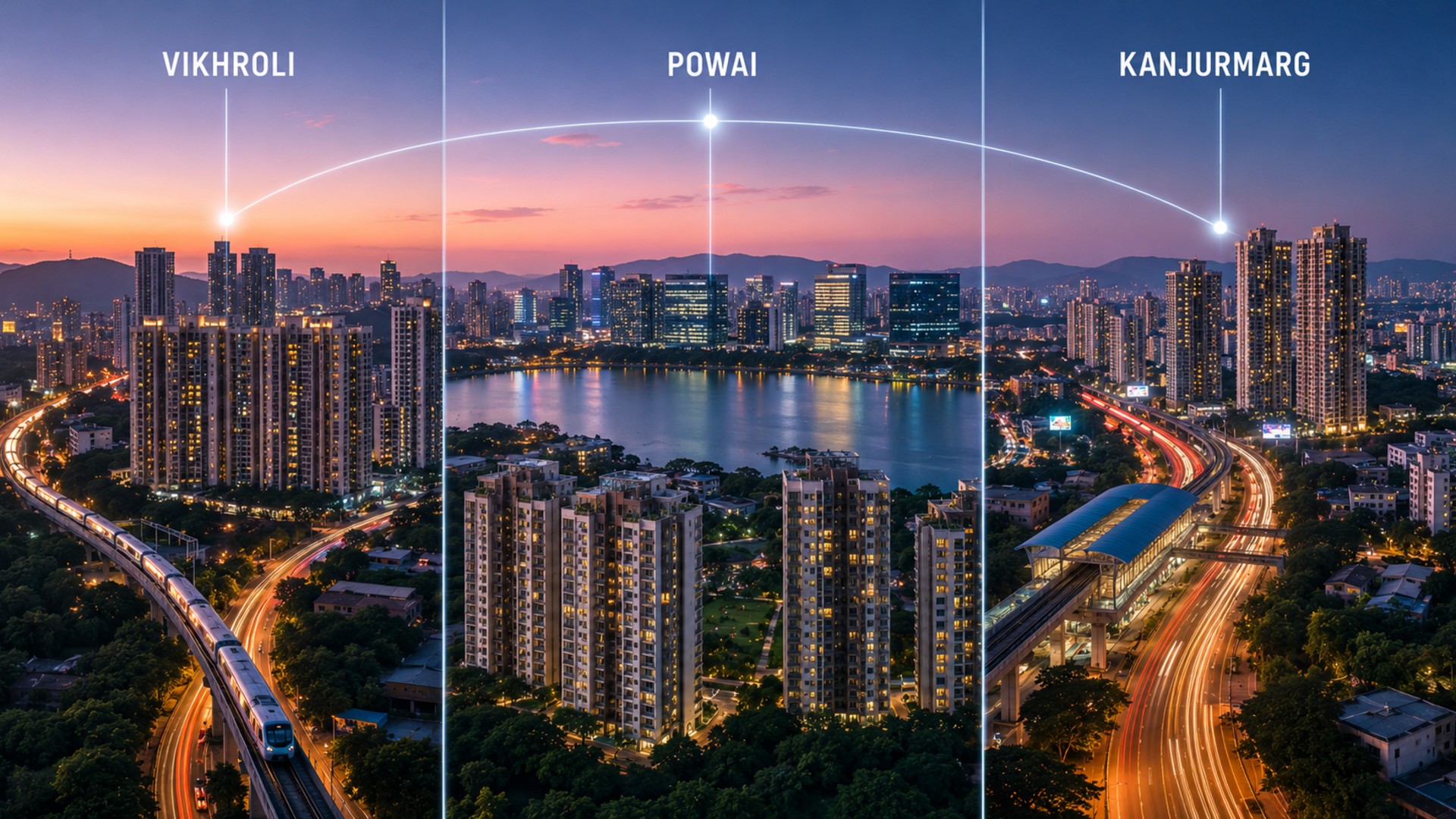
Mumbai’s Vikhroli–Powai–Kanjurmarg Triangle: The Eastern Micro-Market Quietly Outperforming the City
Pune Real Estate 2026: Metro Expansion, Luxury Housing and Infrastructure Push Fuel Market Momentum
Bavdhan–Sus Road, Pune: Why This Quiet Western Suburb Is Becoming the City’s Next Upmarket Address
North Bengaluru’s Luxury Surge: Why Devanahalli & Hebbal Are Rewriting the City’s Property Map
Mumbai’s Eastern Waterfront: How Bhendi Bazaar to Sewri Is Rewriting the City’s Real Estate Future