

Mumbai’s Eastern Waterfront: How Bhendi Bazaar to Sewri Is Rewriting the City’s Real Estate Future
Mumbai’s Eastern Waterfront Becomes Realty Hotspot
SHARE:
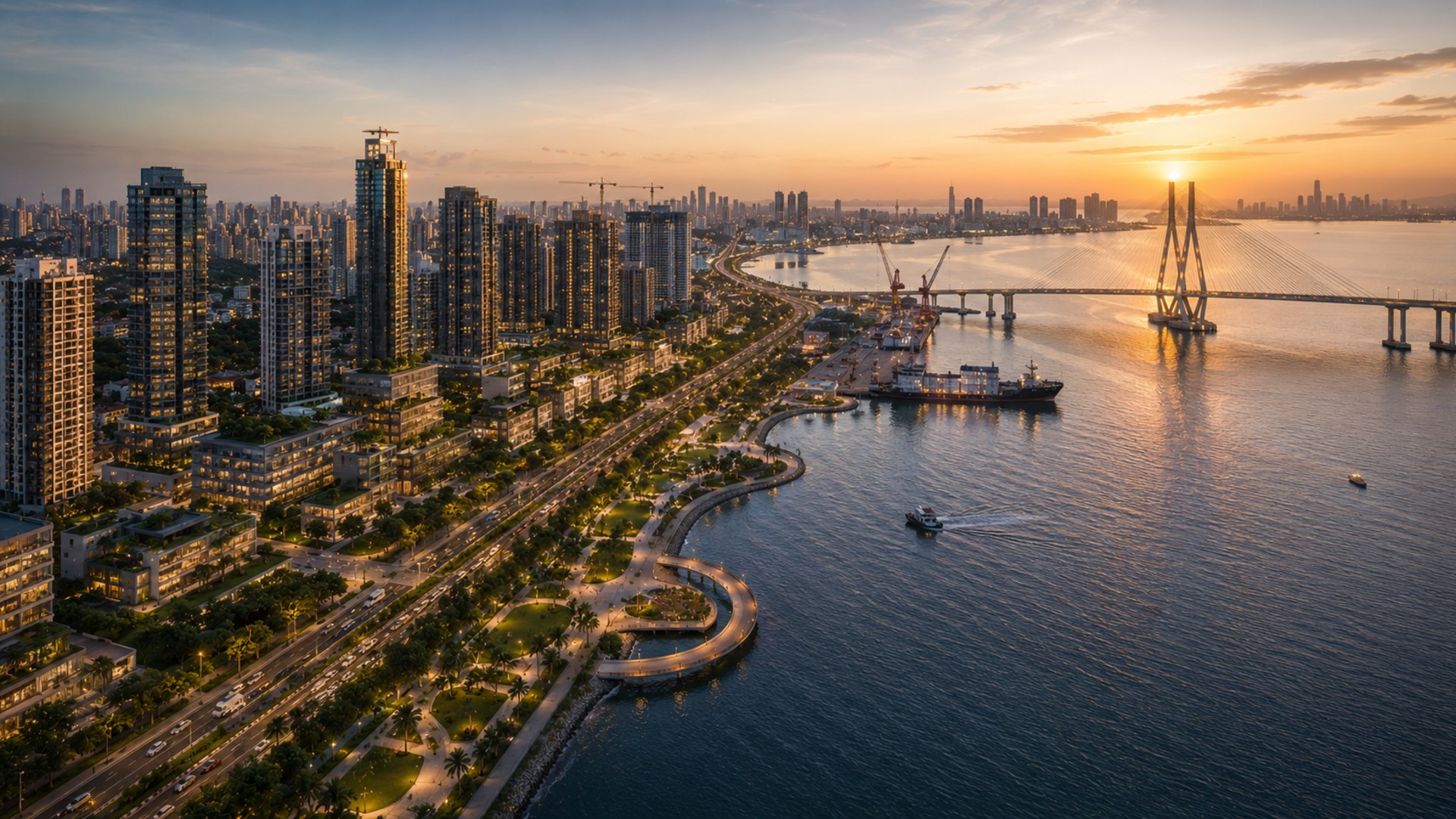
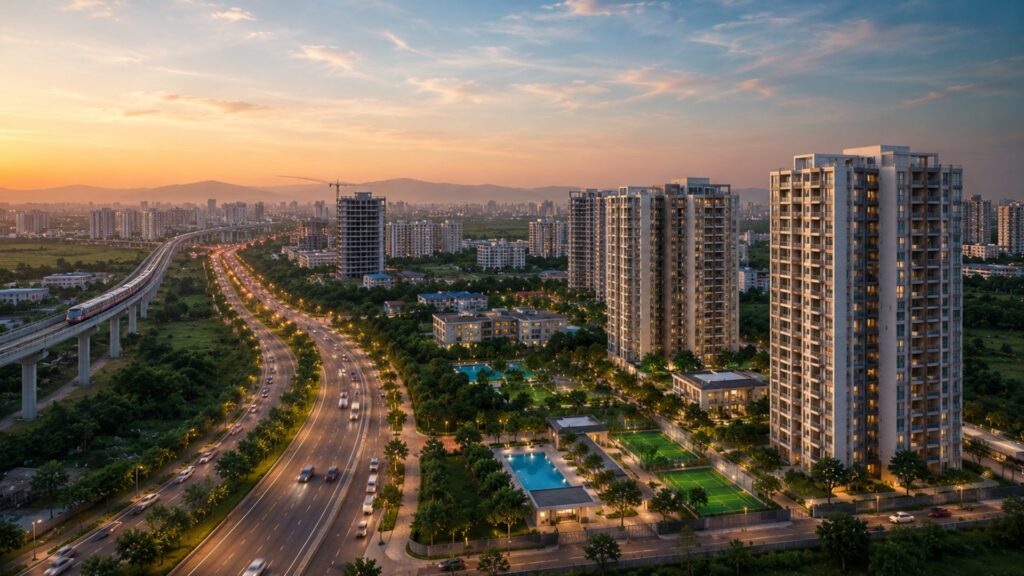
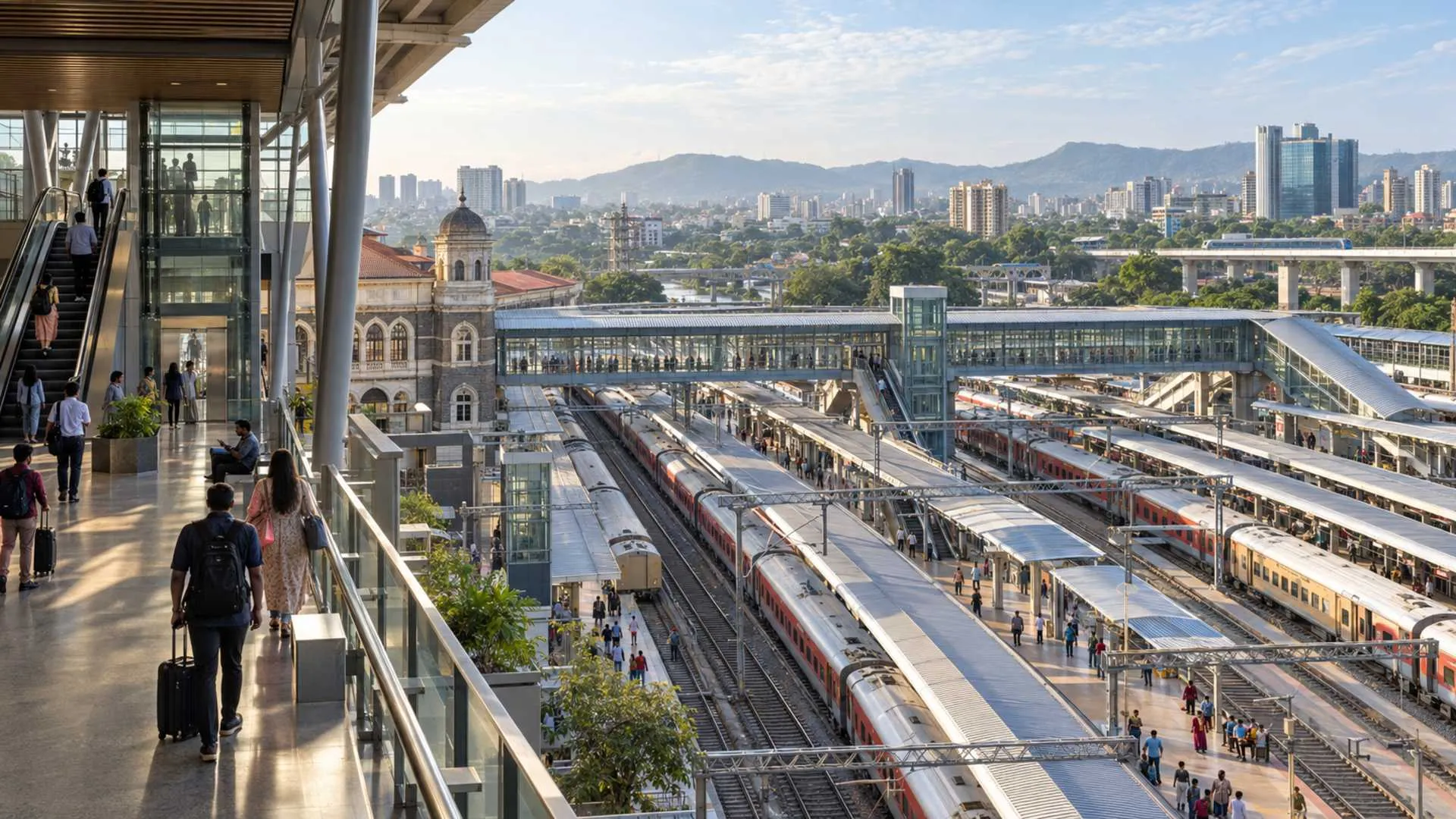
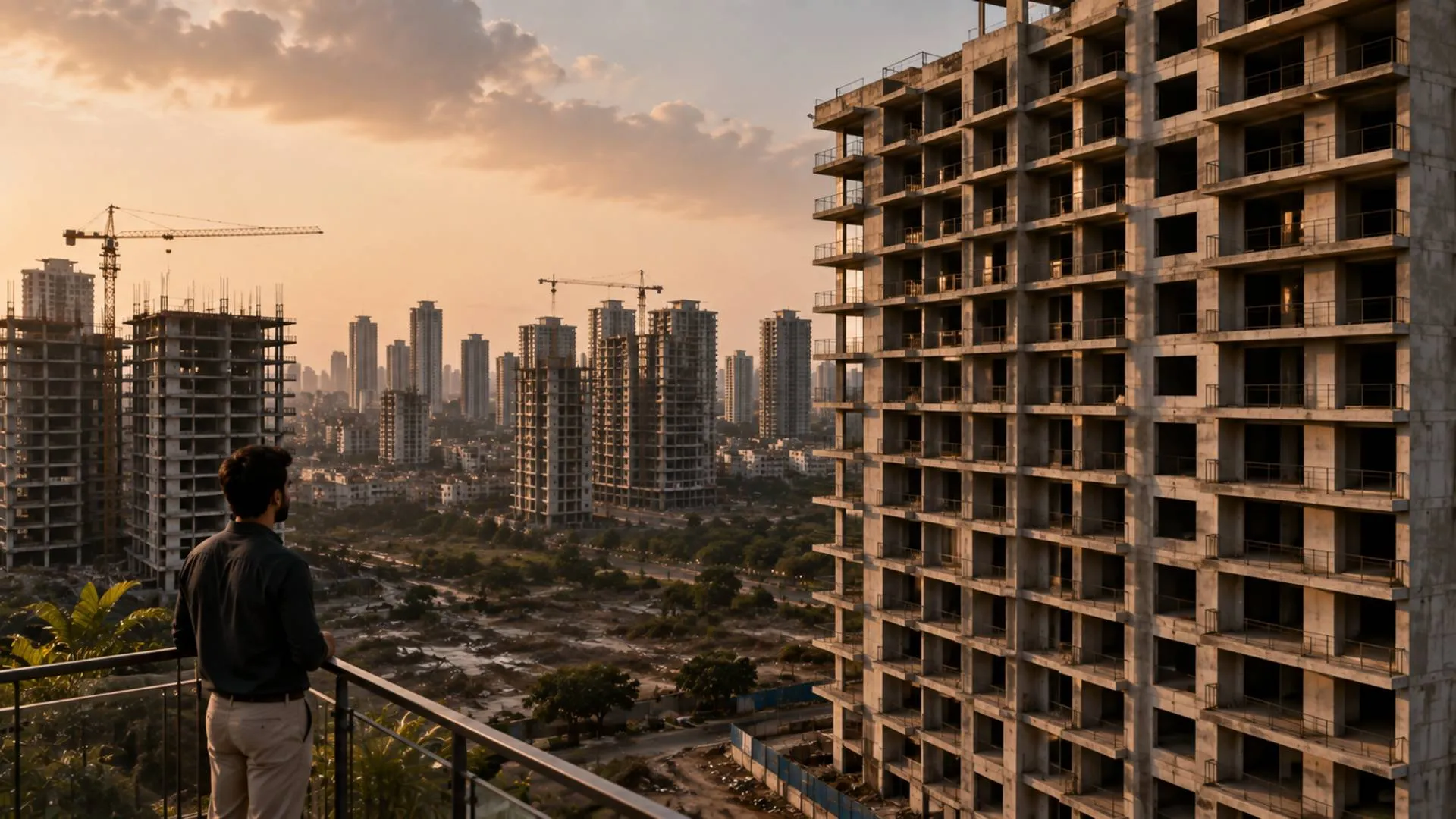
Mumbai has always grown westwards. But the biggest transformation in the city in 2026 is on its eastern fringes, from Bhendi Bazaar to Sewri, where old docklands, congested neighbourhoods and industrial belts are fast turning into premium urban real estate.
The Mumbai Eastern Waterfront redevelopment 2026 is no longer just a government vision document. Mega infrastructure, port-land redevelopment and high-value property investment are converging into a single growth corridor, making it one of India’s most audacious urban renewal stories.
And the market is listening.
Mumbai’s Forgotten Coastline Is Becoming Prime Real Estate
Despite its strategic location, the eastern waterfront of Mumbai was left unused for decades. That is changing dramatically today.
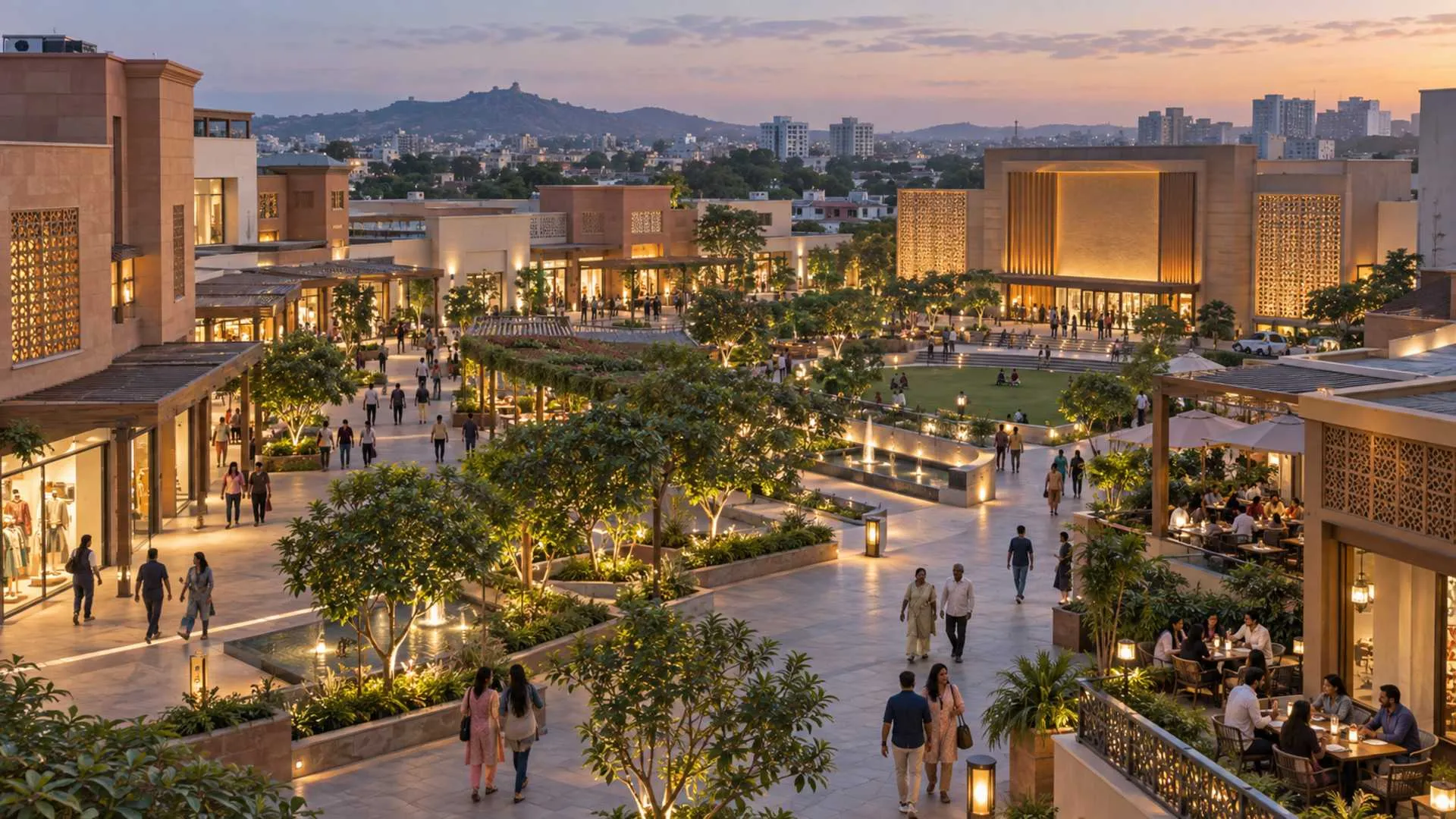
The proposed Eastern Waterfront 966 hectares Colaba to Wadala masterplan is to unlock huge economic and real estate value across the island city. The redevelopment encompasses promenades, mixed-use developments, tourism hubs, commercial districts and public spaces on former port areas.
The Mumbai Port Authority’s Eastern Waterfront initiative on 217-acre land lease adds momentum and is expected to unlock prime land parcels for urban development over the coming years.
Urban planners and developers are already drawing comparisons with the project to waterfront districts around the globe, such as Singapore’s Marina Bay.
Bhendi Bazaar: The Face of Community-Led Redevelopment
At the heart of this transformation lies the Bhendi Bazaar SBUT redevelopment 16.5-acre 4000 crore project, one of India’s most ambitious cluster redevelopment initiatives.
Led by the Saifee Burhani Upliftment Trust (SBUT), the project is transforming a congested South Mumbai neighbourhood into a modern mixed-use district while preserving its cultural fabric.
The redevelopment includes:
- Rehabilitation for thousands of residents
- Wider roads and improved infrastructure
- Commercial towers and residential high-rises
- Open spaces and smart urban utilities
Bhendi Bazaar is now being viewed as a blueprint for future high-density redevelopment projects across Mumbai.
What was once symbolic of urban congestion is now becoming a showcase for sustainable city renewal.
Sewri Is Emerging as Mumbai’s Next Investment Hotspot
If Bhendi Bazaar represents renewal, Sewri represents opportunity.
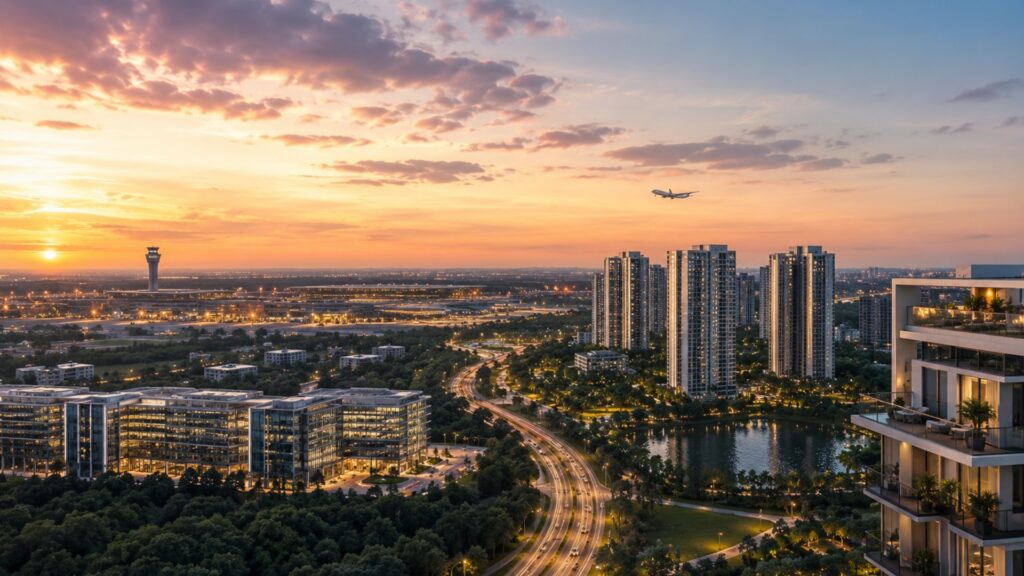
The launch of the MTHL Atal Setu Sewri Nhava Sheva corridor has dramatically changed the investment outlook for Mumbai’s eastern districts. Sewri, Wadala and nearby micro-markets are suddenly at the centre of infrastructure-led growth.
Industry estimates suggest Sewri property prices MTHL impact 20% growth across select pockets after the Mumbai Trans Harbour Link became operational.
Why are investors bullish?
Because Sewri now benefits from multiple mega infrastructure projects simultaneously:
- Mumbai Trans Harbour Link (MTHL)
- Sewri-Worli Connector
- Eastern Waterfront redevelopment
- Metro network expansion
- Port land transformation
The Sewri Worli connector Eastern Waterfront property impact is also expected to significantly improve connectivity between South Mumbai and the eastern corridor.
Many experts now believe this stretch could witness the same type of transformation Lower Parel saw during Mumbai’s mill-land redevelopment era.
Why Developers Are Watching the Eastern Belt Closely
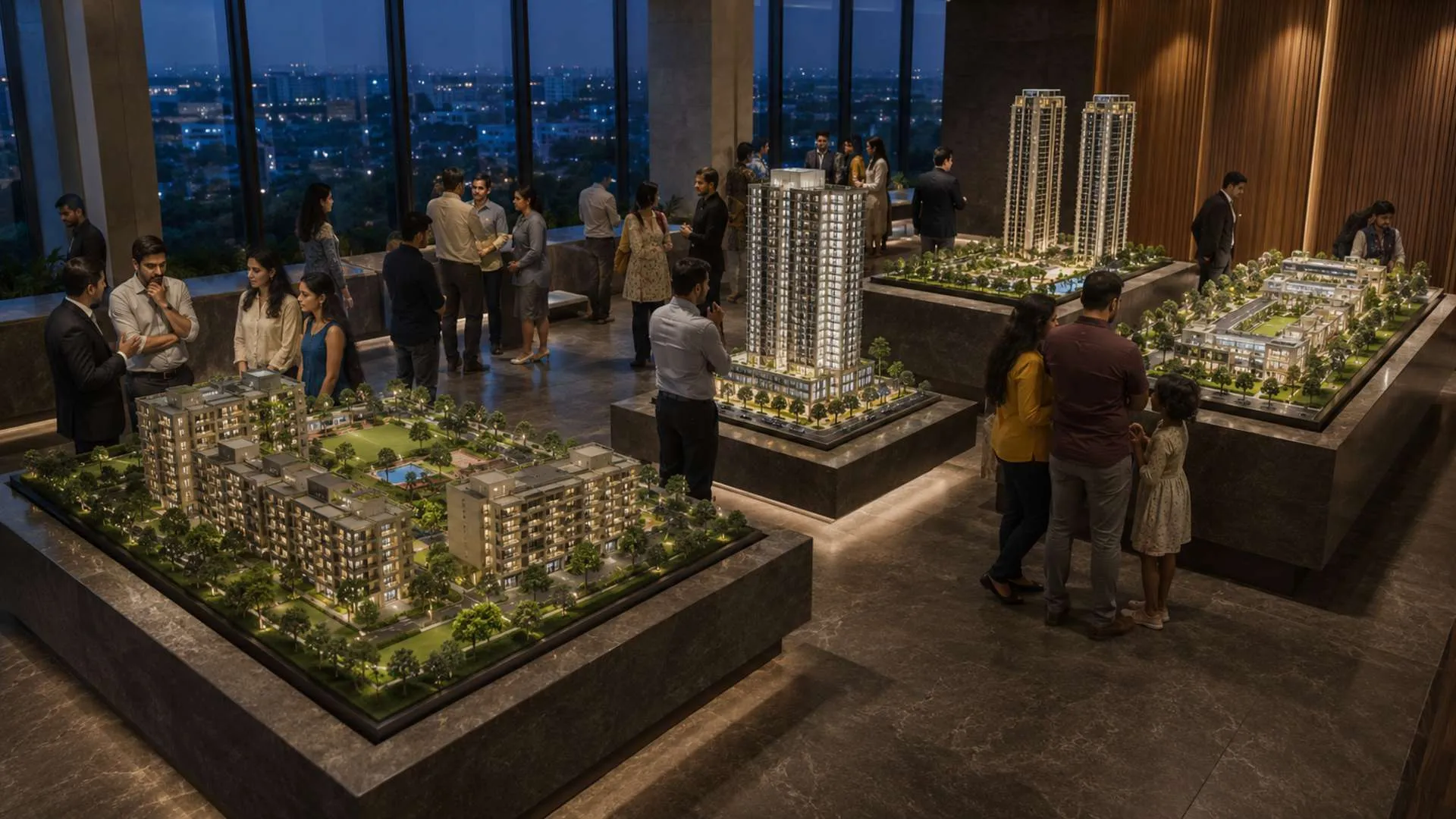
Mumbai’s western suburbs have become increasingly expensive and land-starved. Developers are now shifting focus toward eastern micro-markets with long-term redevelopment potential.
The Eastern Waterfront Mumbai property investment 2026 story is attracting attention because of three major factors:
Infrastructure-Led Appreciation
Mega connectivity projects are directly pushing land and housing demand upward.
Large Land Availability
The waterfront still has sizeable redevelopment parcels, rare in land-scarce Mumbai.
Lifestyle Upgrade
Future promenades, marina zones, cruise terminals and commercial hubs could redefine liveability along the corridor.
The result is a completely new investment narrative for eastern Mumbai.
Can Mumbai’s Waterfront Rival Global Cities?
That possibility is now driving conversations across the real estate sector.
The larger vision includes:
- Public waterfront promenades
- Tourism and entertainment districts
- Mixed-use commercial zones
- Green urban corridors
- Smart mobility infrastructure
If successfully executed, the Mumbai boldest urban redevelopment project could reshape not only property prices but also the city’s urban identity.
For Mumbai, this is more than redevelopment. It is a geographic reset.
Final Take
The Bhendi Bazaar to Sewri metamorphosis is part of a larger transformation in the way Mumbai is reconstructing itself – vertically, strategically and infrastructure-first.
From cluster redevelopments to waterfront urbanism, the eastern corridor is emerging as the city’s next premium growth belt.
And as infrastructure projects redefine accessibility and land value, the real estate impact of the Mumbai Eastern Waterfront could define the city’s next decade of real estate growth.
Mumbai’s eastern edge is not the forgotten side of the city any longer, for investors and developers as well as homebuyers. It is rapidly becoming its most important.
Keep reading for more real estate updates, infrastructure stories and investment insights shaping the future of Indian cities.