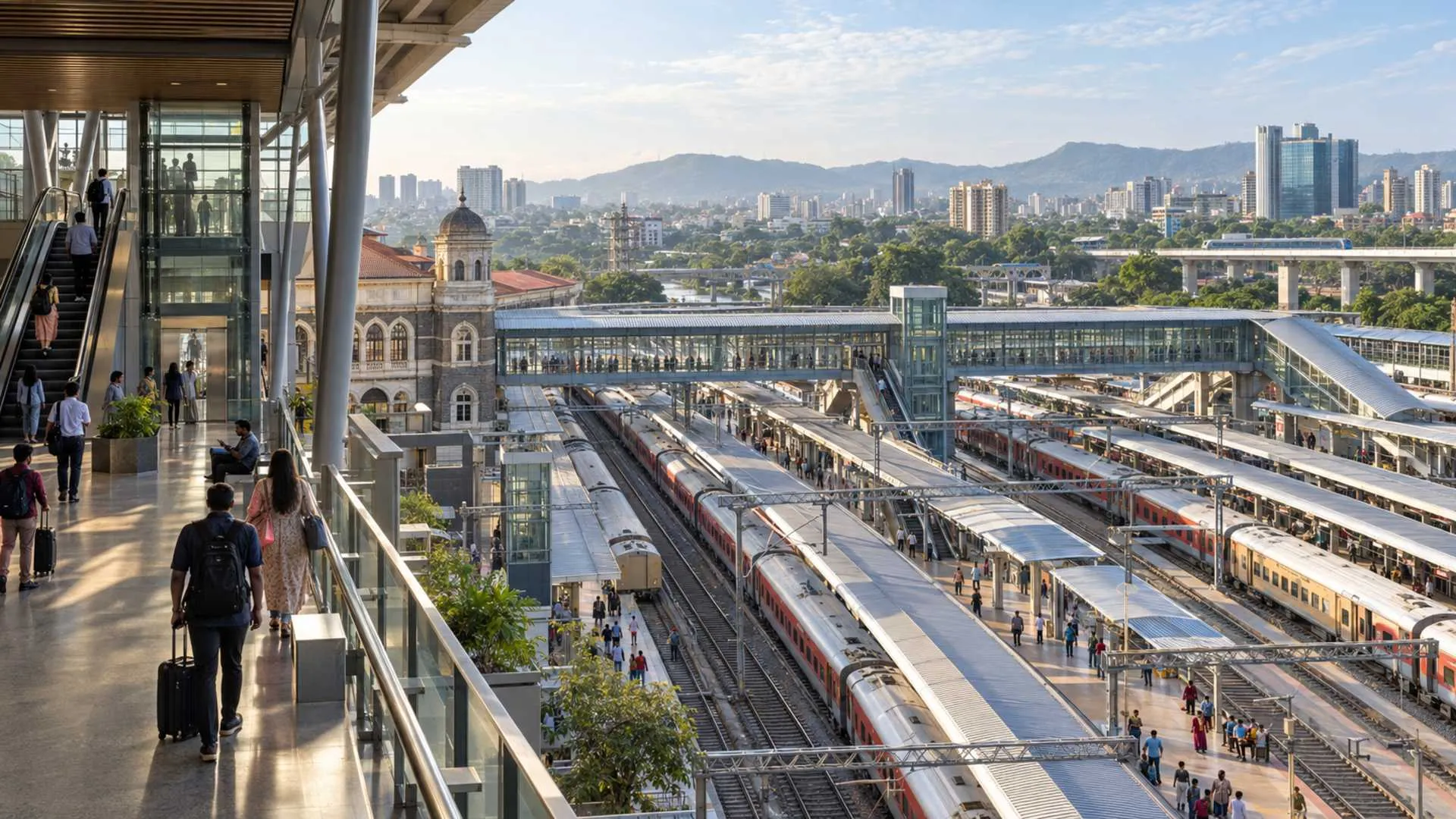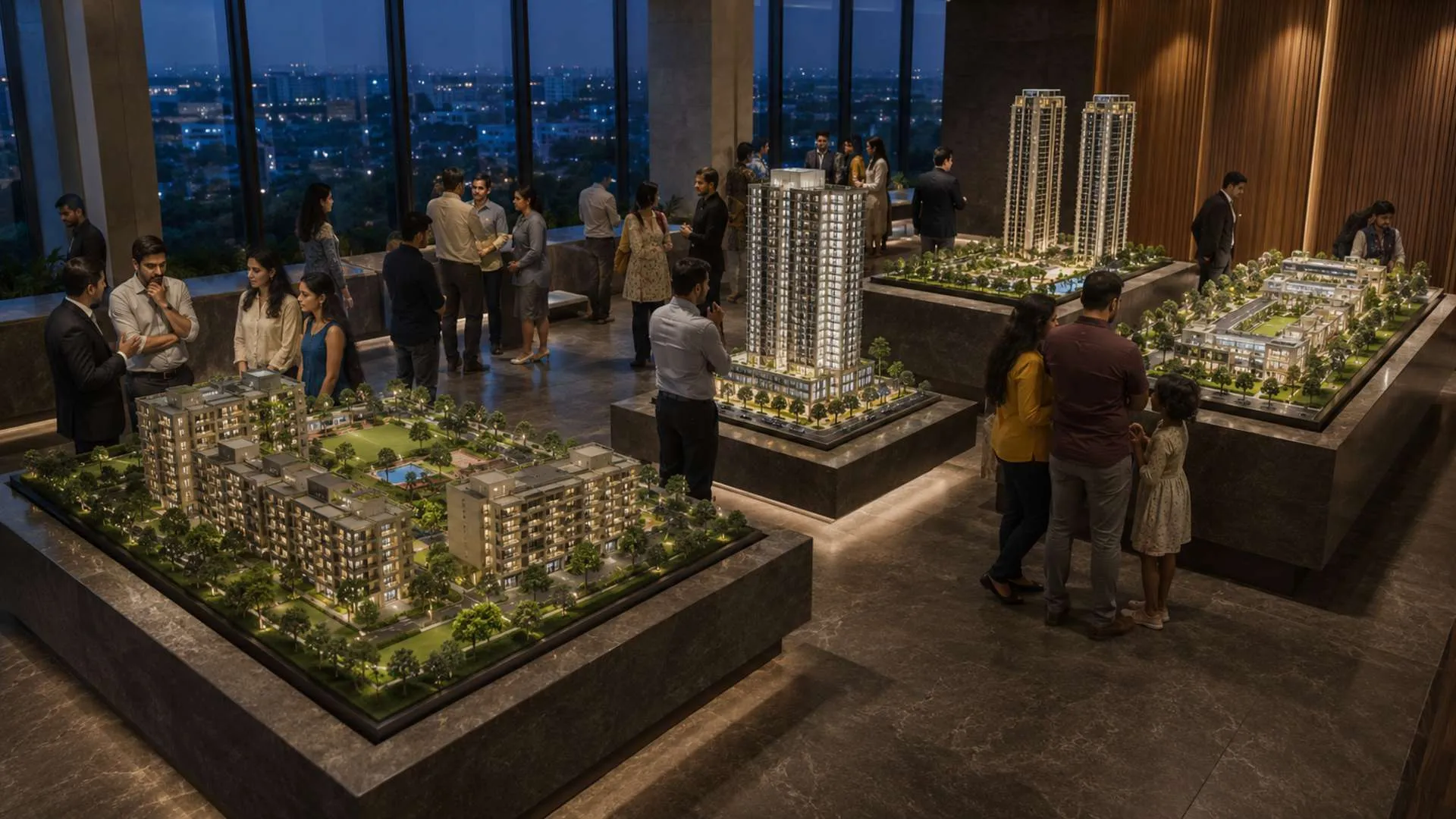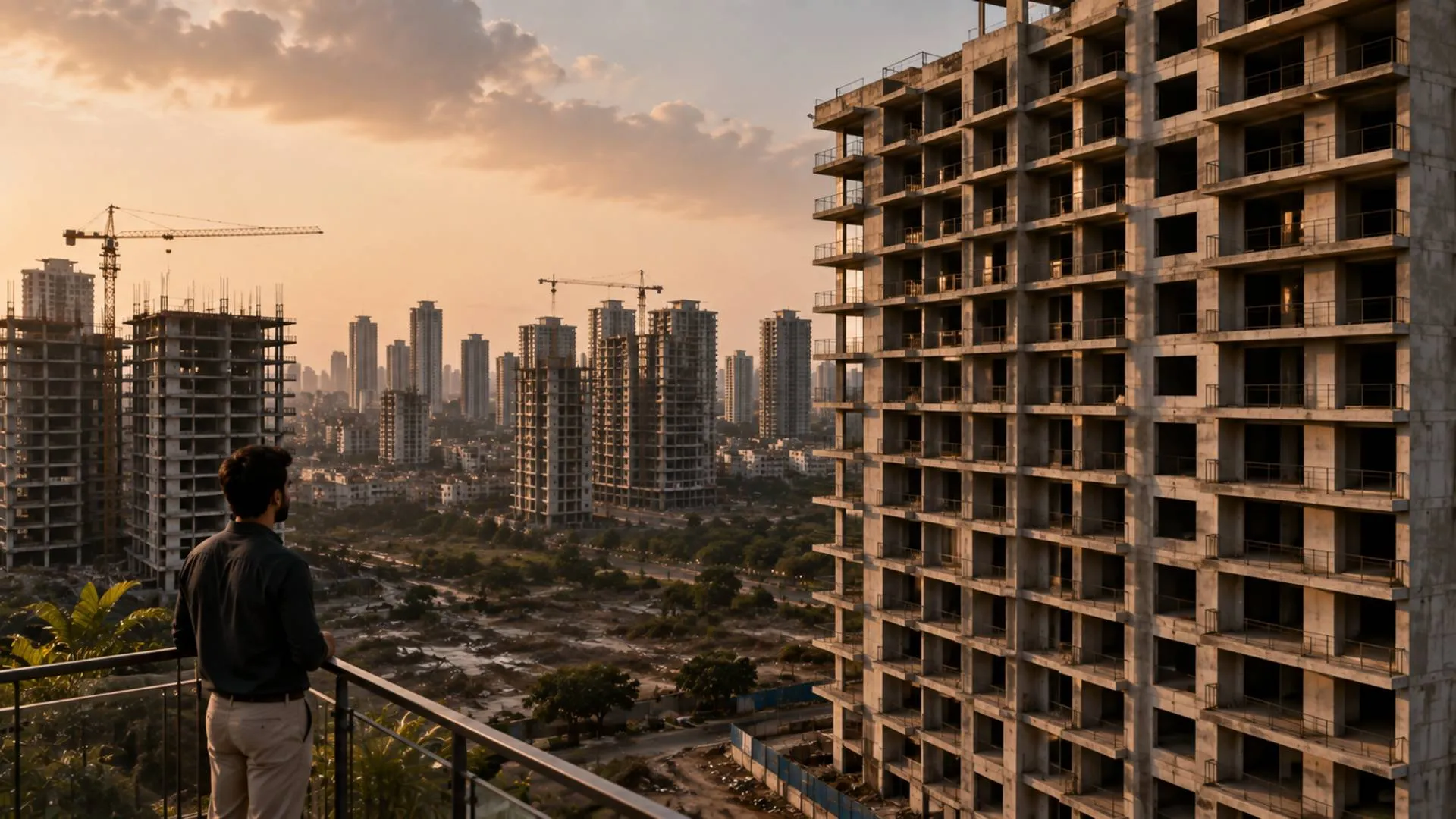


Navi Mumbai’s Panvel–Dronagiri Corridor: How NMSEZ & Upcoming Airport Are Rewriting Investment Calculus
A decade ago, Panvel and Dronagiri were seen as remote outskirts of Mumbai's growing urban landscape. Today, they are becoming…
SHARE:
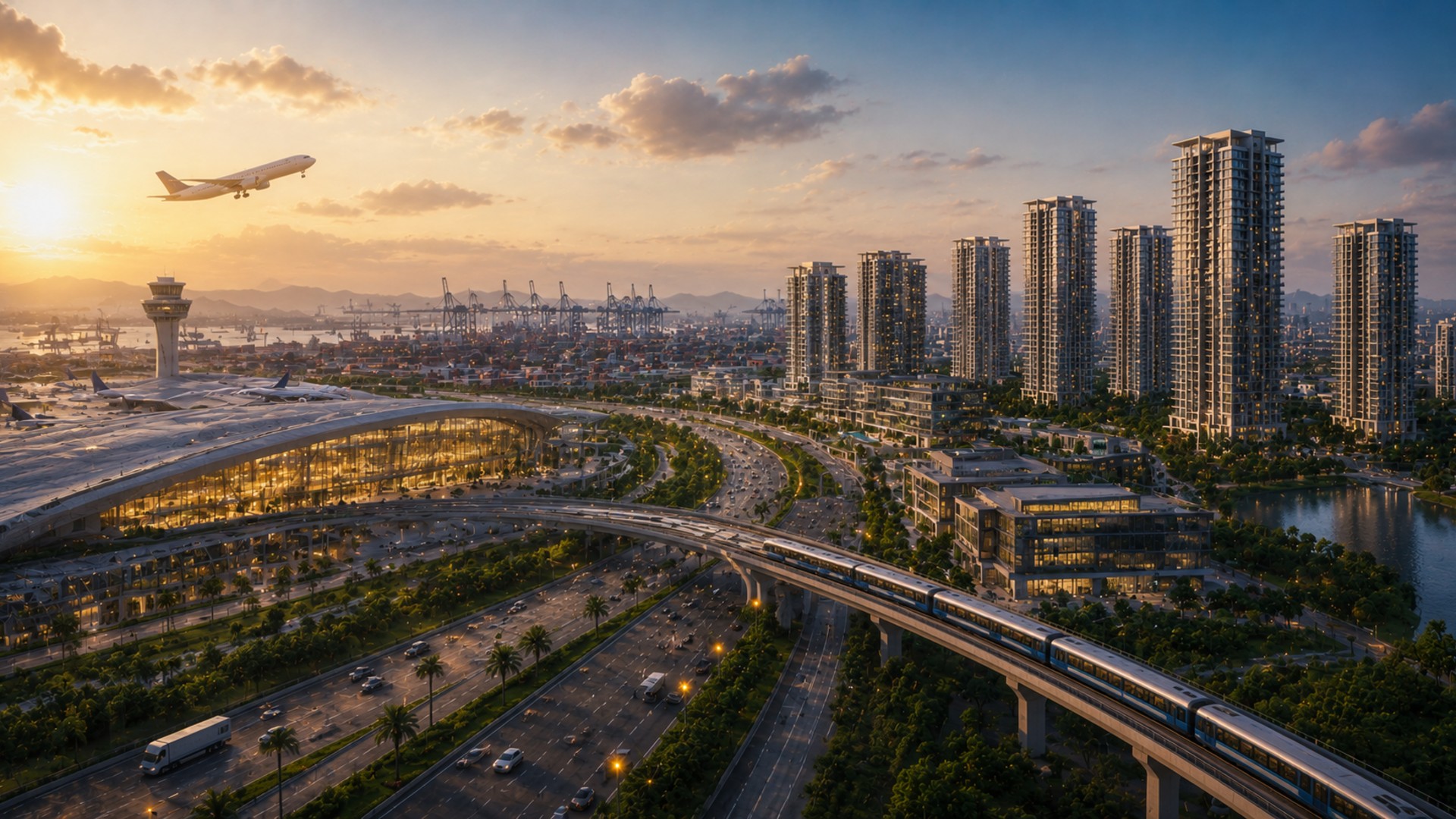
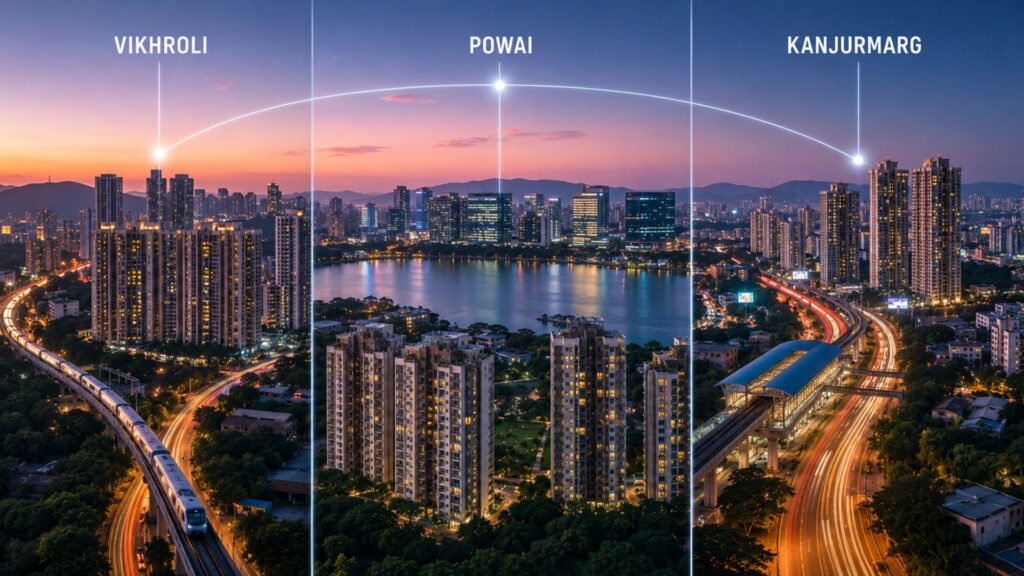
At the heart of this change is the strong growth story of the Navi Mumbai International Airport (NMIA) and the Navi Mumbai Special Economic Zone (NMSEZ). Together, these developments are changing how homebuyers, developers and long-term investors view their investments in Navi Mumbai.
The Infrastructure Trigger That Changed Everything
The upcoming Navi Mumbai International Airport is more than just an aviation project. Designed to eventually handle tens of millions of passengers annually, the airport is expected to create a vast economic ecosystem spanning hospitality, logistics, retail, commercial offices and residential housing.
The impact is already visible.
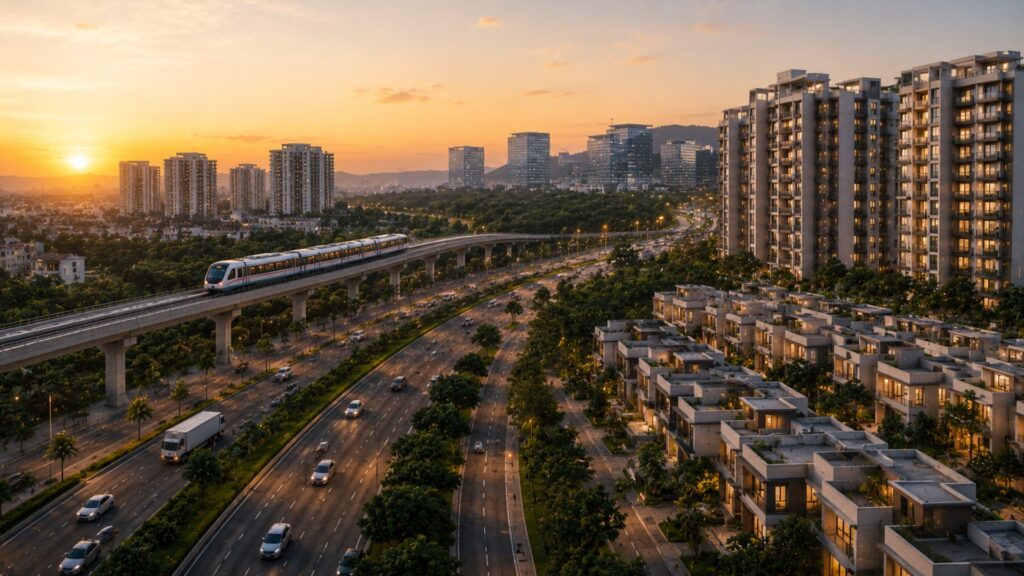
Industry reports indicate that parts of the Panvel region have witnessed significant property appreciation over the last few years as investors positioned themselves ahead of the airport’s operational phase. Improved connectivity through the Mumbai Trans Harbour Link (Atal Setu), upcoming metro corridors and enhanced road networks have further strengthened the region’s appeal.
For investors, the airport is no longer a future catalyst; it is becoming a present-day value driver.

Why Dronagiri Is Suddenly on Every Investor’s Radar
While Panvel has already established itself as a major residential destination, Dronagiri is increasingly being viewed as the corridor’s next growth frontier.
Located close to NMIA, JNPT Port and major logistics hubs, Dronagiri offers something rare in the Mumbai Metropolitan Region: affordability with future growth potential.
Current residential pricing remains relatively competitive compared to more mature Navi Mumbai nodes, making it attractive for first-time investors and long-term buyers seeking early entry.
Key advantages include:
- Proximity to Navi Mumbai International Airport
- Strategic access to JNPT and logistics infrastructure
- Planned urban development under CIDCO
- Strong connectivity through road, rail and metro projects
- Availability of larger land parcels for future development
Many market observers now describe Dronagiri as one of the last affordable entry points near a major international airport corridor.
The NMSEZ Factor: A Long-Term Employment Engine
The NMSEZ (Navi Mumbai Special Economic Zone) is another major piece of the growth puzzle.
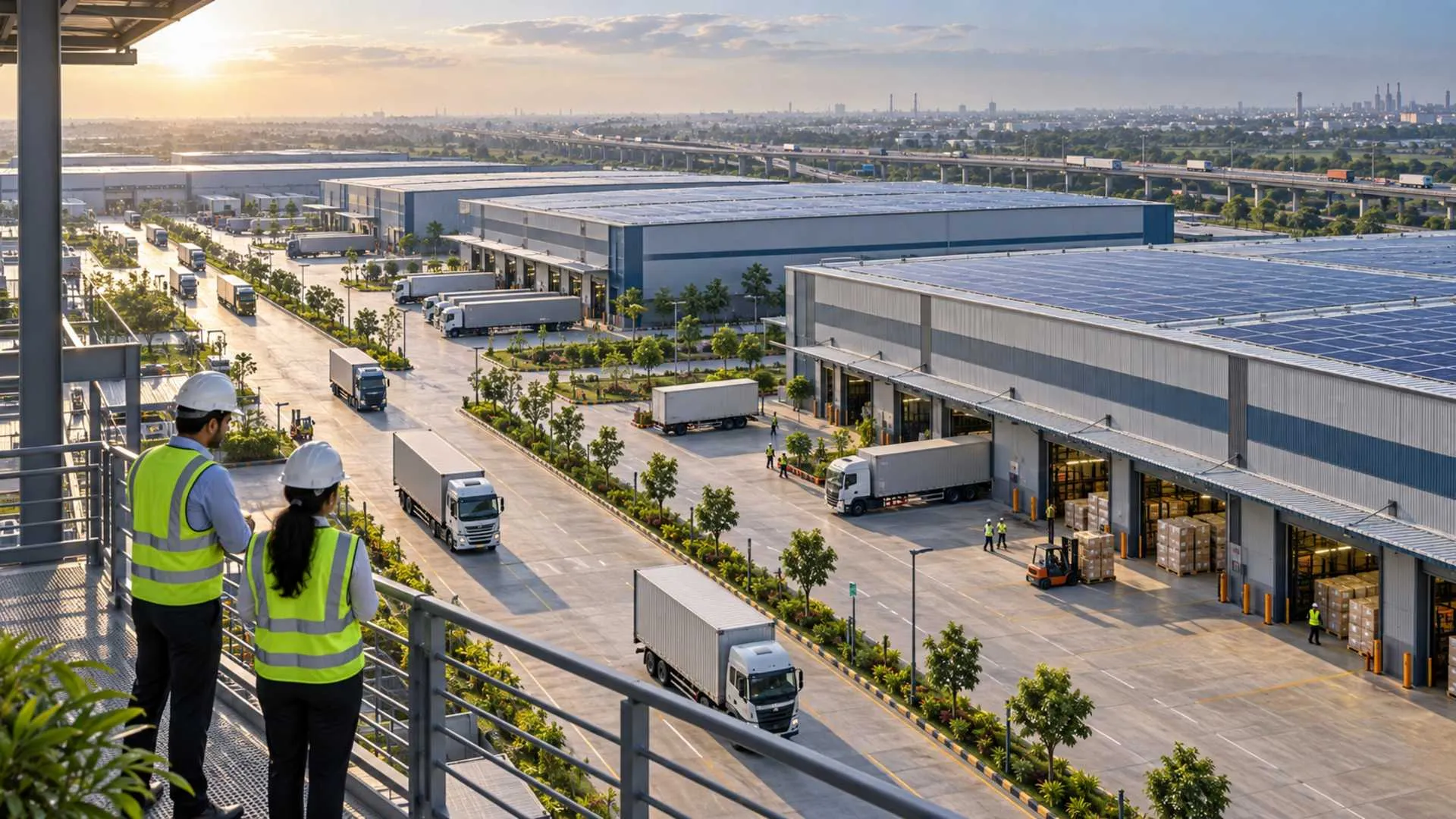
Spread across thousands of hectares and promoted through a large-scale development framework, the project is envisioned as a future hub for manufacturing, services, technology and export-oriented industries. As economic activity accelerates, employment generation is expected to drive sustained demand for housing, rentals and commercial real estate across nearby micro-markets.
Historically, real estate markets that combine employment centres with transportation infrastructure have delivered stronger long-term performance.
The Panvel–Dronagiri corridor is increasingly positioned to benefit from exactly that formula.
Panvel vs Dronagiri: Where Should Investors Look?
Both locations offer compelling opportunities, but they serve different investment profiles.
Panvel
- Established residential ecosystem
- Strong social infrastructure
- Higher liquidity and end-user demand
- Beneficiary of airport-led appreciation
Dronagiri
- Lower entry prices
- Greater upside potential
- Emerging employment and logistics ecosystem
- Ideal for long-term capital appreciation
For investors seeking immediate residential demand, Panvel remains a preferred choice. For those willing to take a longer horizon, Dronagiri offers significant growth potential.
The Bigger Picture
What makes the Panvel–Dronagiri corridor real estate investment story in 2026 different from earlier infrastructure-led narratives is the convergence of multiple growth drivers.
Consider the combination:
- Navi Mumbai International Airport
- NMSEZ economic development zone
- Atal Setu connectivity
- Metro expansion
- JNPT logistics ecosystem
- CIDCO-planned urban growth
- Emerging aerocity opportunities
Few micro-markets in India currently provide this level of connected development.
As Mumbai’s growth focus moves eastward, Panvel and Dronagiri are no longer just peripheral areas; they are becoming key players in Navi Mumbai’s next phase of growth.
Are you looking to invest before the next surge in property value? Check out new opportunities in the Panvel-Dronagiri corridor and look into projects that will benefit from the airport, NMSEZ and Navi Mumbai’s rapidly changing infrastructure.