

Mumbai MMR H1 2026: End-User Demand Keeps Housing Market Resilient
Mumbai MMR H1 2026: End-User Demand Keeps Housing Market Resilient
SHARE:
How many homes were sold in Mumbai in H1 2026?
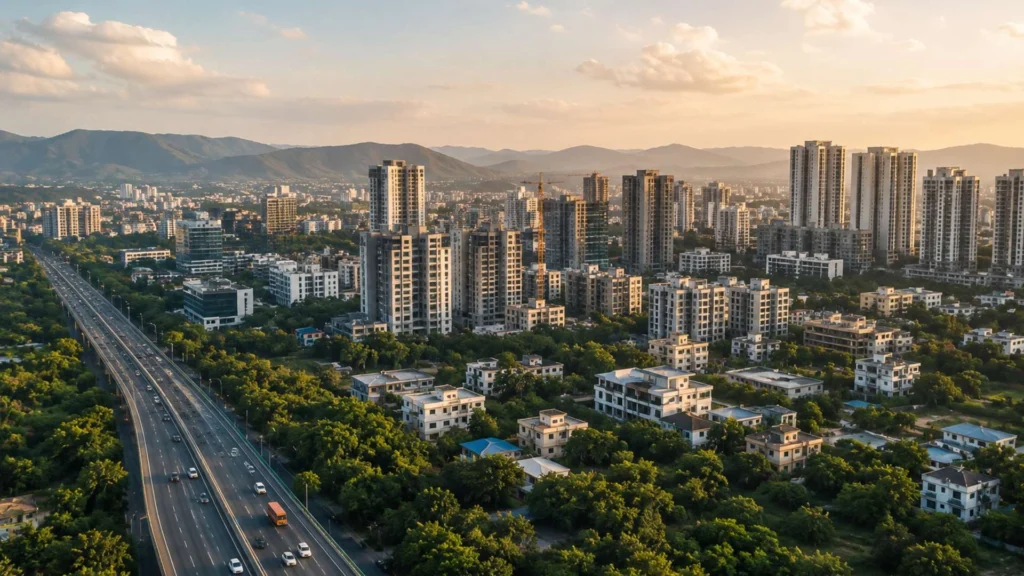
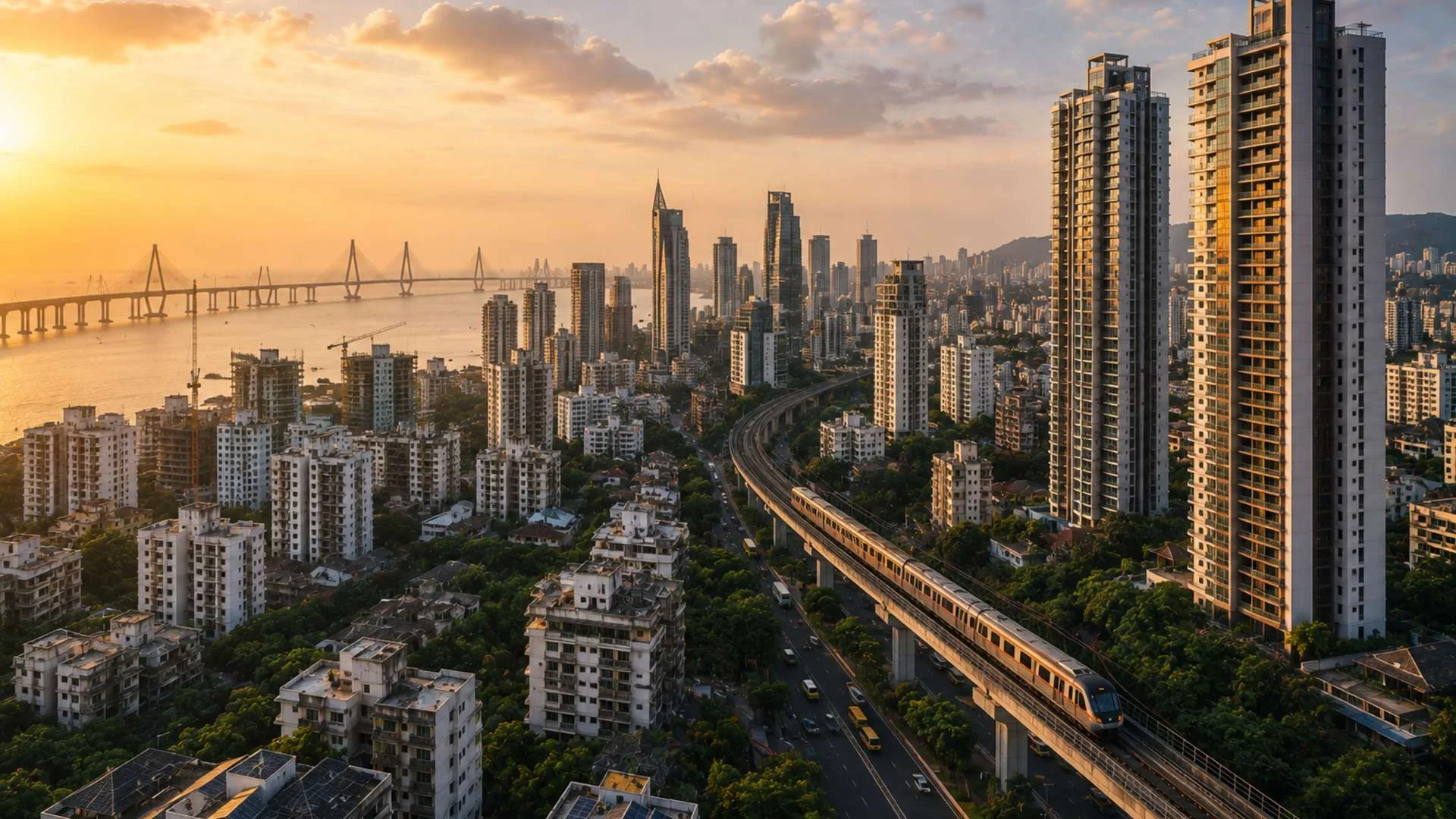
Mumbai MMR recorded 47,355 home sales in H1 2026, up 1% year-on-year, retaining its position as India’s largest residential market. The resilience came despite global uncertainty, rising prices and cautious buyer sentiment.
The headline number may look modest, but the underlying story is more significant. According to ETRealty, Mumbai recorded 47,355 housing sales while new launches rose 8% to 49,161 units. At the same time, unsold inventory fell 4% to 1,57,410 units, suggesting that new supply is being absorbed rather than simply added to stock.
That makes the Mumbai MMR 47,355 home sales H1 2026 figure less about a sudden boom and more about a market holding its ground.
End-users are keeping Mumbai housing demand alive
The strongest signal is the buyer mix. ETRealty, citing Knight Frank India, noted that higher supply additions were broadly aligned with end-user demand. Average residential prices also rose 4% year-on-year to ₹14,948 per sq ft.
The March registration data reinforces the trend. Mumbai recorded 15,516 property registrations in March 2026, its strongest March in 14 years, according to data analysed by Knight Frank India and reported by Business Standard.
The market is also broadening beyond entry-level housing. The ₹1 crore to ₹2 crore segment accounted for 22% of H1 sales, while ₹2 crore to ₹5 crore homes contributed another 13%. Meanwhile, homes below ₹50 lakh accounted for 36% of sales, down from 40% a year earlier.
This shift reflects a buyer who is increasingly willing to stretch for better locations, larger homes and stronger amenities.
Premium demand is adding another layer
Mumbai’s luxury market is telling a different but complementary story. Homes priced above ₹10 crore generated ₹18,512 crore in transactions during H1 2026, the highest half-yearly value recorded for the segment, according to The Times of India.
At the other end, the Times of India reported that 17,148 homes priced below ₹50 lakh were sold across MMR during the same period.
The message is clear: Mumbai’s residential market is not being driven by one buyer category. From first-time purchasers to affluent upgraders, demand is spreading across price points.
Why infrastructure still matters
Connectivity continues to influence where buyers put their money. Peripheral Central Suburbs accounted for 23% of sales, followed by Peripheral Western Suburbs at 21% and Navi Mumbai at 20%, according to Knight Frank data reported by ETRealty.
Navi Mumbai is particularly interesting. The Indian Express reported that Panvel recorded a 9% annual rise in housing prices, while Kharghar gained 6%, supported by infrastructure such as the Navi Mumbai International Airport, Mumbai Trans Harbour Link and upcoming metro corridors.
Meanwhile, established employment and lifestyle hubs such as Worli, Lower Parel, BKC and the western suburbs continue to command premium demand.
Is Mumbai’s H1 momentum sustainable?
The Mumbai housing demand H1 2026 global uncertainty story is one of resilience, not explosive growth. Sales grew only 1%, but inventory declined, and more launches and prices continued to remain firm.
This means the market is getting pickier for buyers. Location, developer credibility, connectivity, carpet area and long-term liveability are more important than just buying into a rising market.
The opportunity for developers is equally clear: the next phase of Mumbai real estate will be captured by projects that fulfil genuine end-user needs and not just premium positioning.
BeyondWalls and other market watchers have noted that Mumbai’s growth story is increasingly driven by infrastructure, redevelopment and changing buyer preferences, rather than speculation alone.
For a closer look at Mumbai’s premium housing opportunities and market trends, explore RealtyConnect’s Mumbai premium homes coverage.
Thinking about buying in Mumbai MMR? Compare locations, price segments and upcoming opportunities before making your next property move.