

Why Monsoon Is the Smartest Season for Plot Buyers
Monsoon Land Investment: Key Reasons to Buy a Plot This Season
SHARE:
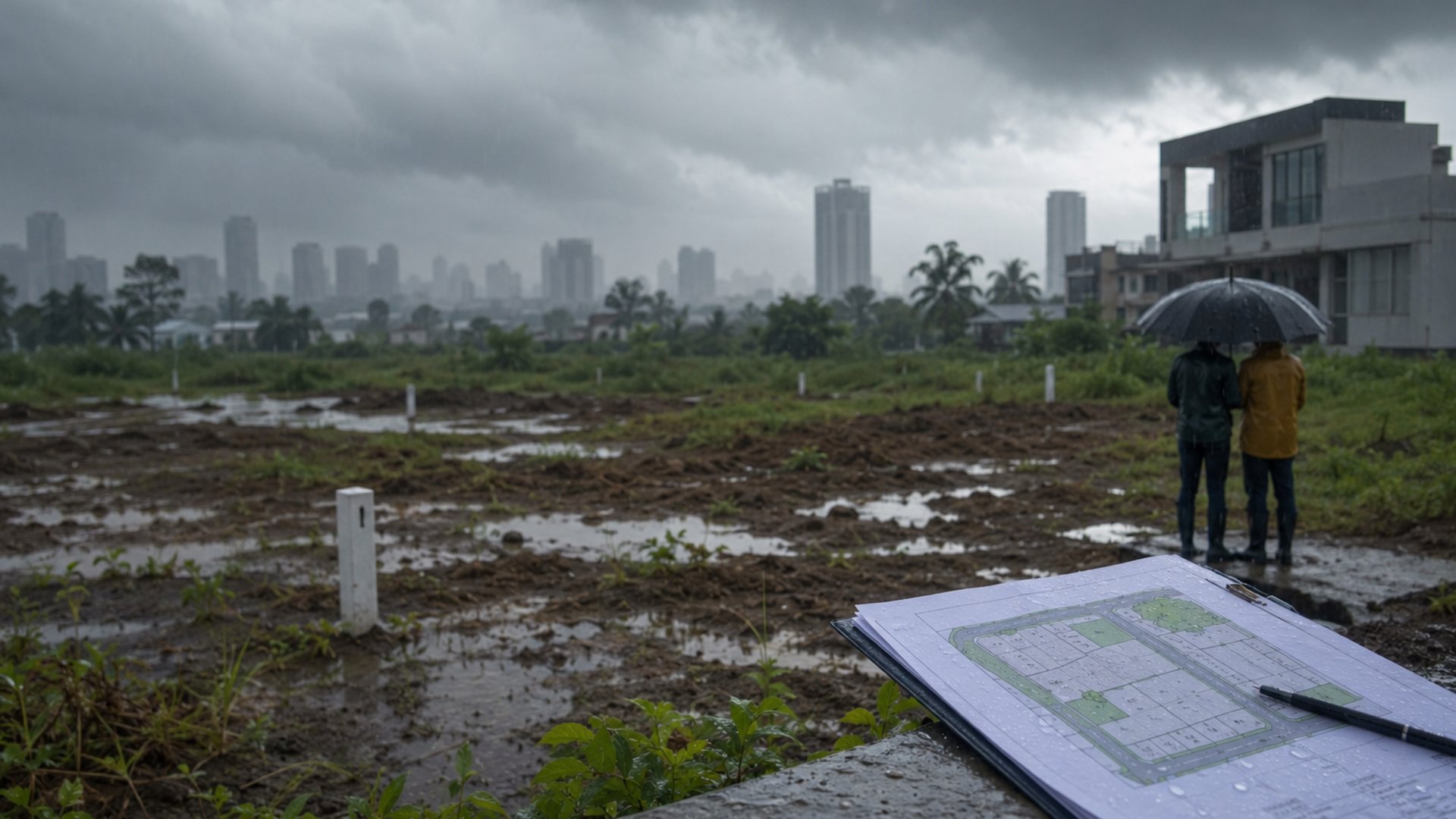
A plot may appear perfect on a sunny afternoon. Its real story unfolds when the rains arrive. Across India, land buyers are increasingly scheduling site visits during the monsoon because heavy rainfall reveals what brochures and dry-season inspections often miss. The rainy season has become the most reliable due diligence window before investing in land.
This growing trend has made monsoon due diligence plot buyers in India a major focus for investors seeking safer and smarter property decisions.
Monsoon Is Nature’s Plot Inspection
A well-planned monsoon season plot buying checklist in India allows buyers to assess a site’s real performance instead of relying on assumptions. Rain instantly highlights drainage efficiency, road accessibility, groundwater movement and the natural slope of the land.
According to insights shared by Marathon, Prescon and Anant Serene Park, visiting a property during monsoon helps buyers evaluate the surrounding infrastructure under actual weather conditions. These observations are difficult to make during the summer, but they can significantly influence long-term property value.
Why Buyers Prefer Rainy Season Site Visits
The answer to why buy a plot during the monsoon in India lies in transparency. Heavy rainfall exposes issues that remain hidden for most of the year.
A proper inspection should include:
- Checking natural runoff and drainage channels.
- Observing road conditions after rainfall.
- Monitoring groundwater and water table behaviour.
- Identifying low-lying or flood-prone areas.
A single rainy-day visit can reveal risks that could otherwise cost lakhs after construction begins.
Hidden Problems That Summer Never Shows
One of the biggest advantages of monsoon plot inspection, waterlogging drainage in India, is that buyers witness how the land behaves under stress.
A thorough waterlogging check before buying a plot in monsoon India should confirm whether rainwater drains naturally or remains stagnant. Equally important is a drainage inspection plot purchase during the monsoon season, which includes nearby roads, stormwater outlets and surrounding developments that may affect water flow.
For investors evaluating locations through Pune, Mumbai, Nashik, Bengaluru and Chennai waterlogging flood zone mapping, monsoon provides valuable on-ground verification before making a purchase decision.
Soil and Legal Checks Matter Equally
A soil test during monsoon plot buyers in India offers critical information about ground stability. Experts recommend borehole investigations to determine the SBC’s safe bearing capacity through an NABL-accredited geotechnical laboratory.
This becomes especially important when assessing the black cotton soil swelling monsoon Maharashtra plot risk. The black cotton soil expansive clay of the Deccan Plateau, Maharashtra, swelling and shrinking characteristics can affect future construction if left unchecked.
Buyers should also complete a water table level check, monsoon plot buying in India, while verifying NA plot conversion, RERA-approved layout, 7/12 extract and title clearance.
Technical verification and legal due diligence should always go hand in hand.
Questions Buyers Are Asking Before Investing
Many buyers now search online before scheduling a site visit.
Why should I visit a plot during the monsoon before buying it? Because rainfall exposes drainage patterns and water accumulation.
What problems does monsoon reveal about a plot that summer hides? It uncovers flooding risks, poor grading and drainage failures.
How to check if a plot has waterlogging issues during monsoon? Visit after heavy rain and inspect standing water, nearby roads and natural runoff.
Is the monsoon the best time to do due diligence before buying land in India? For many experts, the answer is yes.
Buyers exploring monsoon waterlogging check plot Pune outskirts 2026, plot buying monsoon season near Mumbai Panvel Karjat, black cotton soil check Pune PCMC plot monsoon, Pune Ring Road corridor plot waterlogging monsoon check and Navi Mumbai Panvel Dronagiri plot monsoon drainage inspection should prioritise multiple inspections during active rainfall.

Conclusion
A comprehensive plot due diligence rainy season India guide begins with choosing the right season to inspect the land. June, July and August best times to check plot waterlogging because nature reveals what paperwork cannot. Following monsoon 2026 plot buying tips India, completing a pre-monsoon plot visit checklist India 2026 and focusing on monsoon 2026 Maharashtra plot due diligence can help buyers make confident investment decisions.
For more verified real estate news, market trends and expert investment insights, visit https://realtyconnect.tech/ and stay informed before making your next property purchase.
FAQs:
 Why Plot Investments Around Pune Are Winning Over Apartment Buyers