

Why Pune Housing Demand Is Moving Beyond Baner and Kharadi in 2026
Pune Housing Demand Shifts Beyond Baner & Kharadi 2026
SHARE:
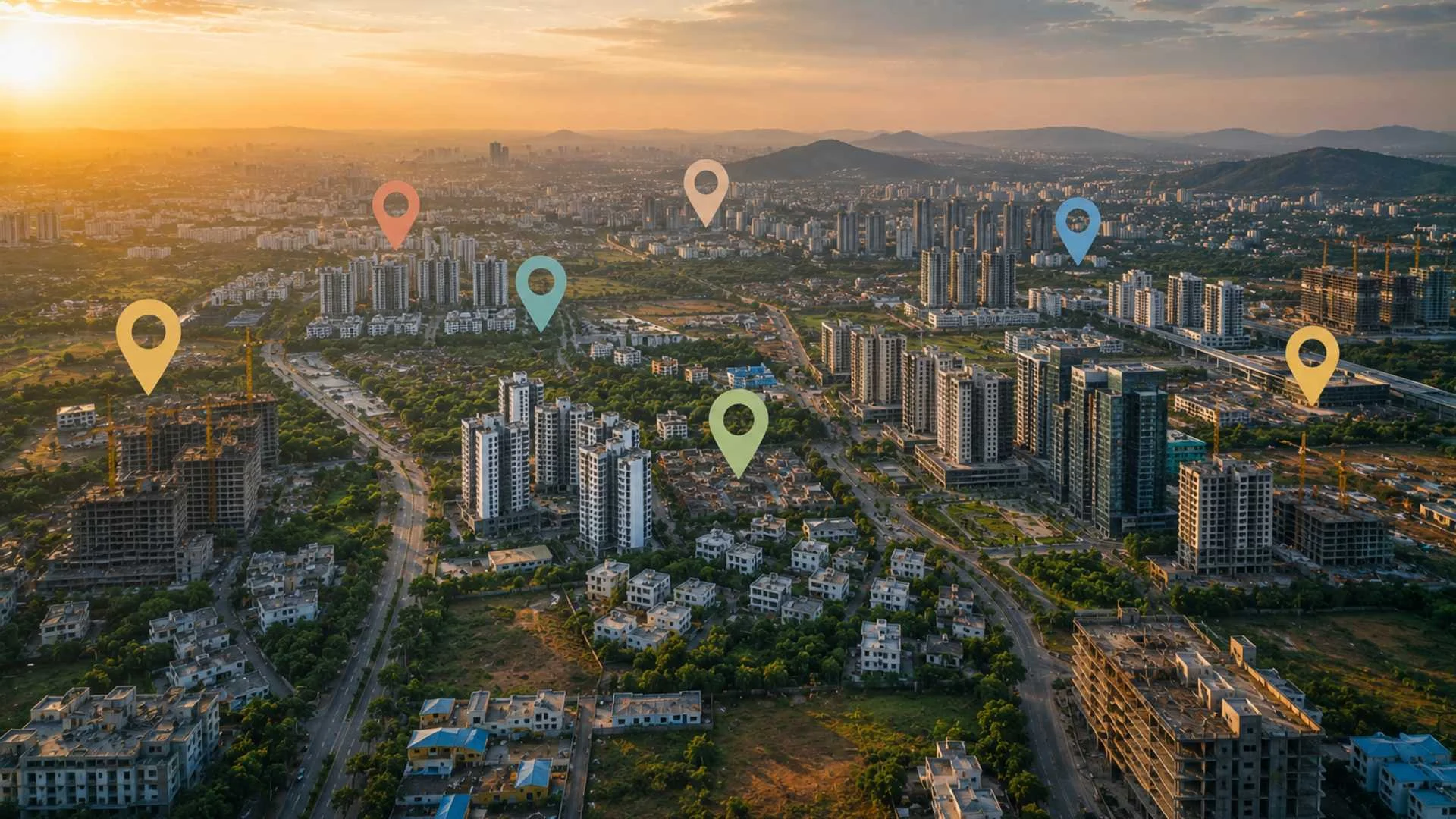
Where should I buy in Pune if not Baner or Kharadi?
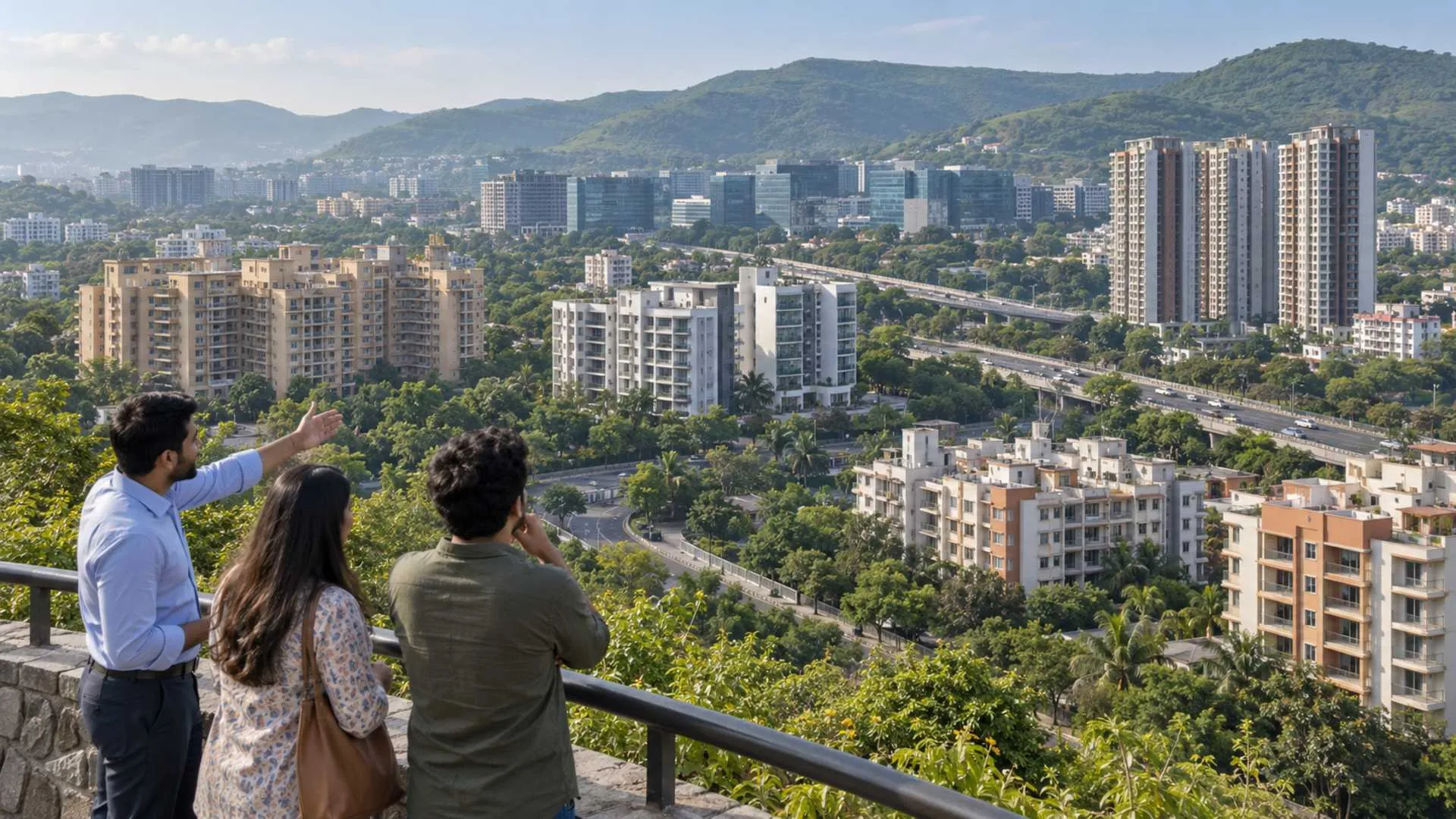
For many years, Baner and Kharadi have served as stand-ins for Pune’s most dynamic IT-driven housing areas, but in 2026, increasing entry prices and greater buyer sensitivity are causing demand to shift outward, so that Mahalunge, Punawale, Tathawade, Wagholi, Ravet, Moshi and Charholi are now becoming the next phase in Pune’s residential growth.
The change is not due to Baner or Kharadi becoming irrelevant. It is because of the spillover demand, which is setting up new areas for growth around the existing hotspots.
Why are Pune buyers looking beyond Baner and Kharadi?
According to BeyondWalls, Pune’s 2026 market is entering a more selective phase, with buyers comparing neighbouring micro-markets more closely as prices rise.
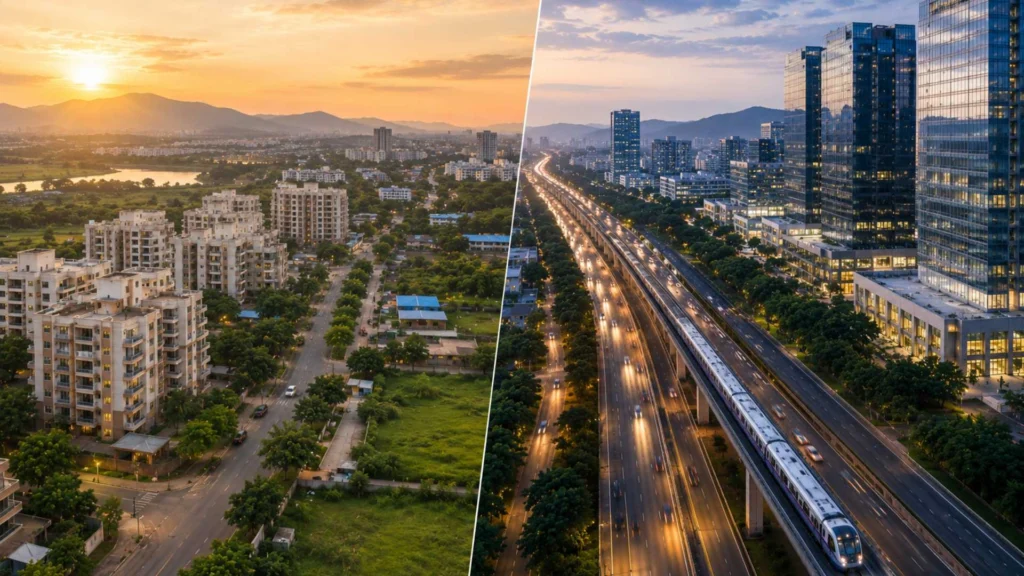
Baner and Kharadi remain employment-driven locations, but premium pricing has made affordability a bigger consideration. For buyers who want access to IT corridors without paying the full premium, the surrounding markets offer a different proposition.
Mahalunge and Punawale are absorbing western Pune’s spillover demand, while Wagholi, Manjari and Dhanori are providing eastern alternatives to Kharadi.
BeyondWalls’ Pune market research also identifies Dhanori and Lohegaon as alternatives for buyers seeking eastern Pune exposure without stretching budgets, while Charholi is emerging as a notable north Pune opportunity because of infrastructure progress and relatively lower entry pricing.
The next Baner or Kharadi may not look the same
The emerging markets are being driven by a combination of affordability, employment access and infrastructure.
In the west, Mahalunge, Punawale, Ravet and Tathawade benefit from proximity to Hinjewadi, Wakad and the Mumbai-Pune Expressway. BeyondWalls has highlighted Mahalunge and Punawale as beneficiaries of spillover demand from Baner and Wakad.
In the east, Wagholi, Manjari, Dhanori and Lohegaon offer buyers more options around the Kharadi-Hadapsar employment ecosystem. This creates a wider residential network rather than a single dominant micro-market.
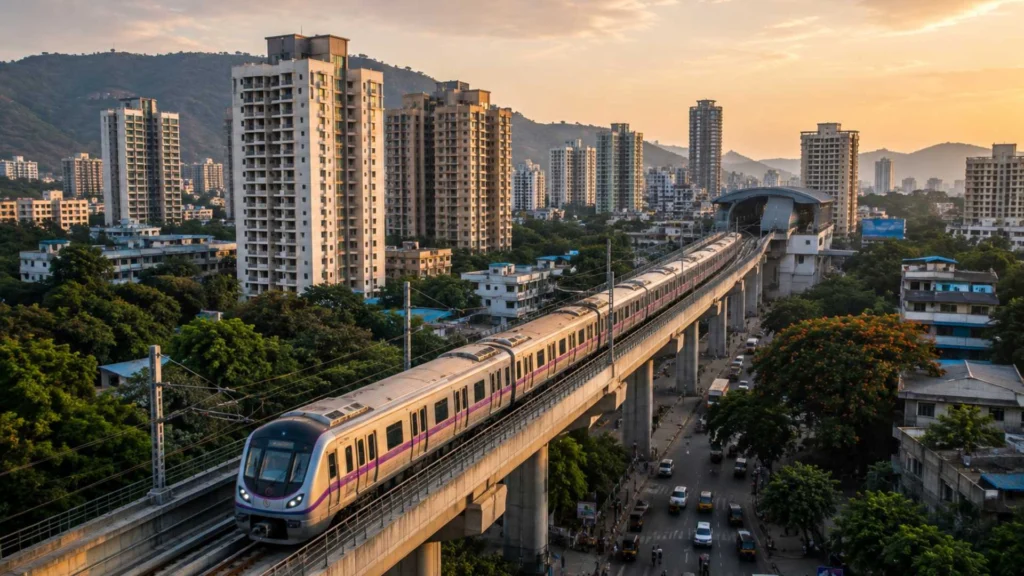
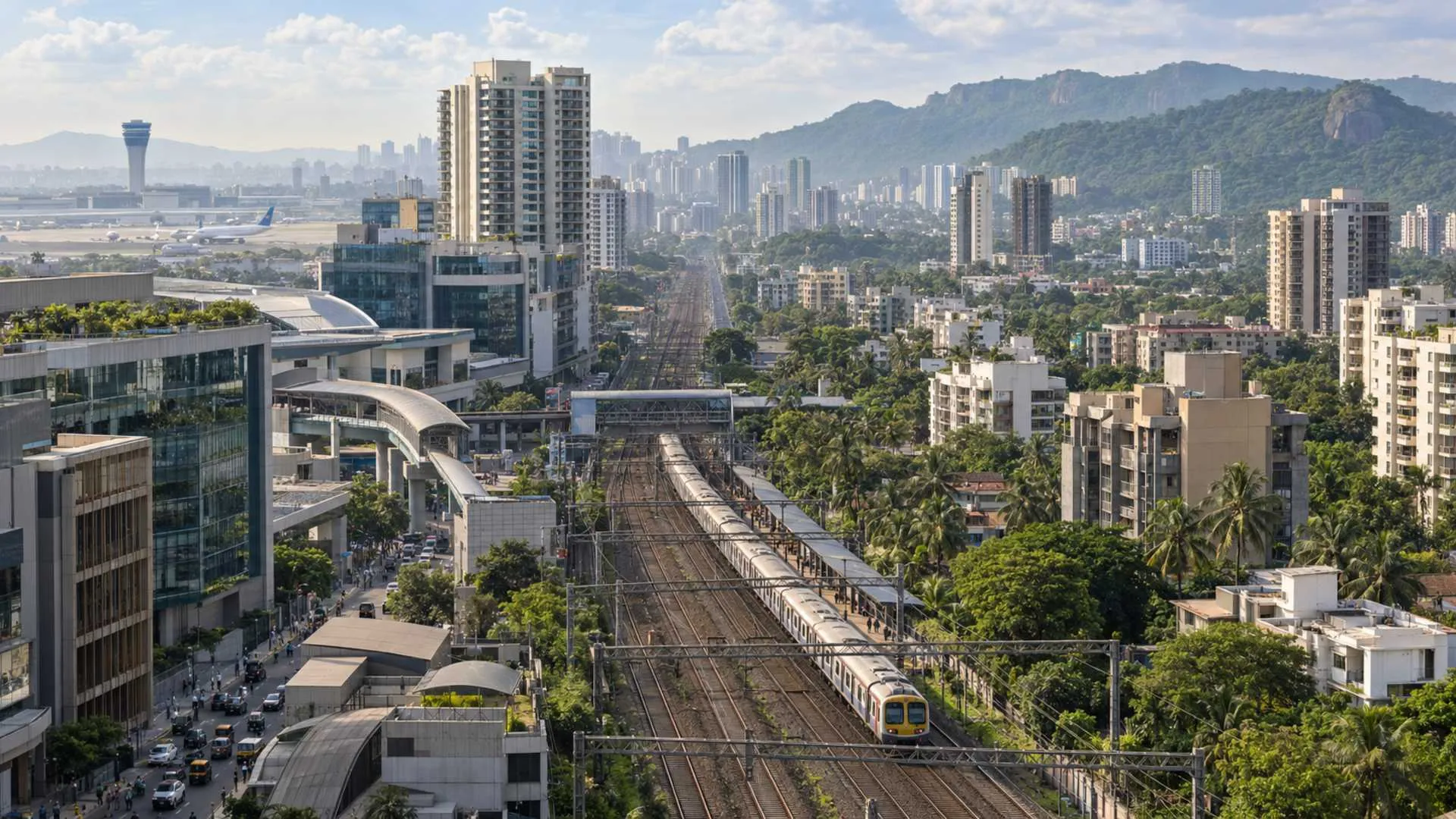
Infrastructure could accelerate the trend. The Pune Ring Road and Metro expansion are increasingly influencing how buyers evaluate locations, shifting attention towards areas where today’s affordability could meet tomorrow’s connectivity.
Is Baner still worth buying?
Certainly, especially for people who place a high importance on well-established social infrastructure, access to employment and mature neighbourhoods. But for those who are now looking at where to buy in Pune since both Baner and Kharadi are too expensive, they have a considerably wider range of options.
The main point is that the housing market in Pune is becoming more widely spread, and the next area for growth might not be within the existing hotspots but rather in the areas adjacent to them.
If people who are looking at different areas in Pune want to get further information about the market and property trends, they should use RealtyConnect AI before deciding on a location.