

Broken-Plan Living: Why Indian Homeowners Are Moving Beyond Open-Plan Layouts in 2026
Why Broken-Plan Living Is Trending in Indian Homes
SHARE:
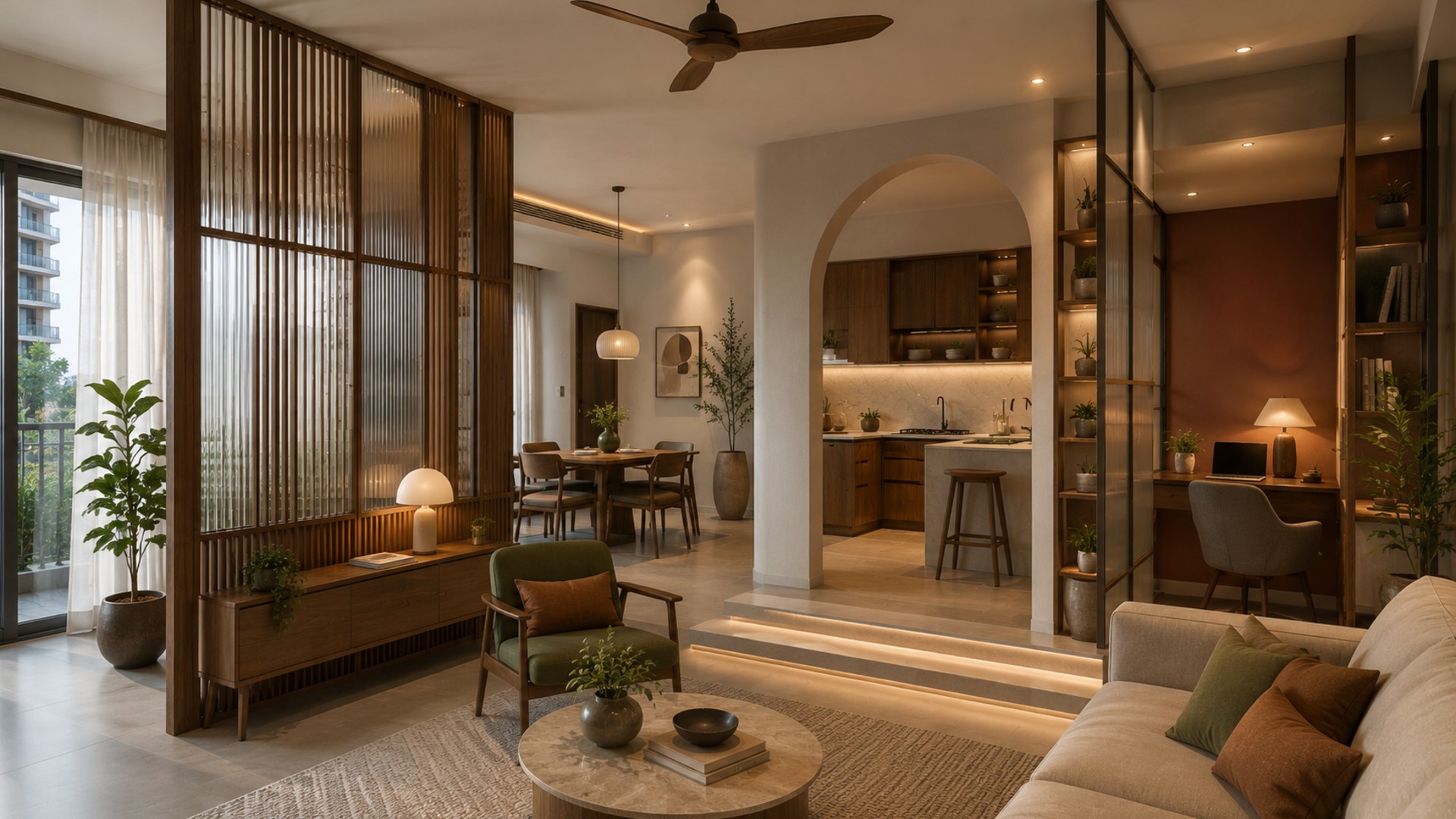
For years, open kitchens and wall-free layouts have dominated modern Indian interiors. But in 2026, a new design movement is quietly taking its place: broken-plan living.
In Mumbai, Bengaluru, Pune, and Hyderabad, homeowners are shifting toward smarter, more flexible layouts. These designs provide privacy without making homes feel small. The rise of broken-plan living in Indian homes in 2026 reflects changing lifestyles influenced by hybrid work, compact apartments, and multi-generational living.
Why Open-Plan Layouts Are Falling Out of Favour
The open-concept trend looked stylish, but many Indian families discovered its practical limitations.
Common concerns include:
- Noise travelling across rooms
- Lack of privacy during work calls
- Kitchen clutter is always visible
- Difficulty creating personal zones
- Limited acoustic comfort
This growing frustration is fuelling the broken plan vs open plan layout in India is debated among architects and interior designers.
Today’s homeowners want homes that feel connected, but not chaotic.
What Is Broken-Plan Living?
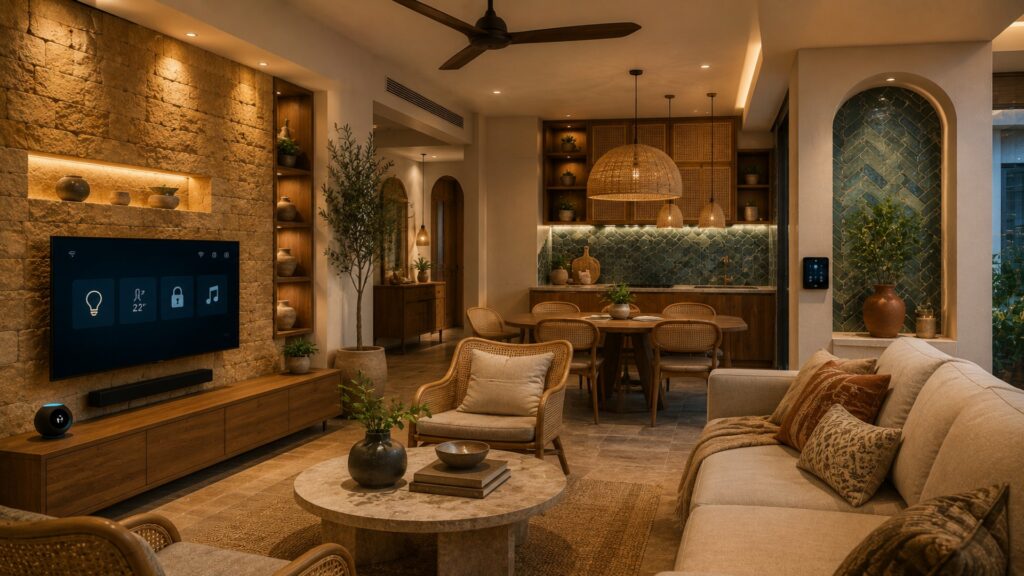
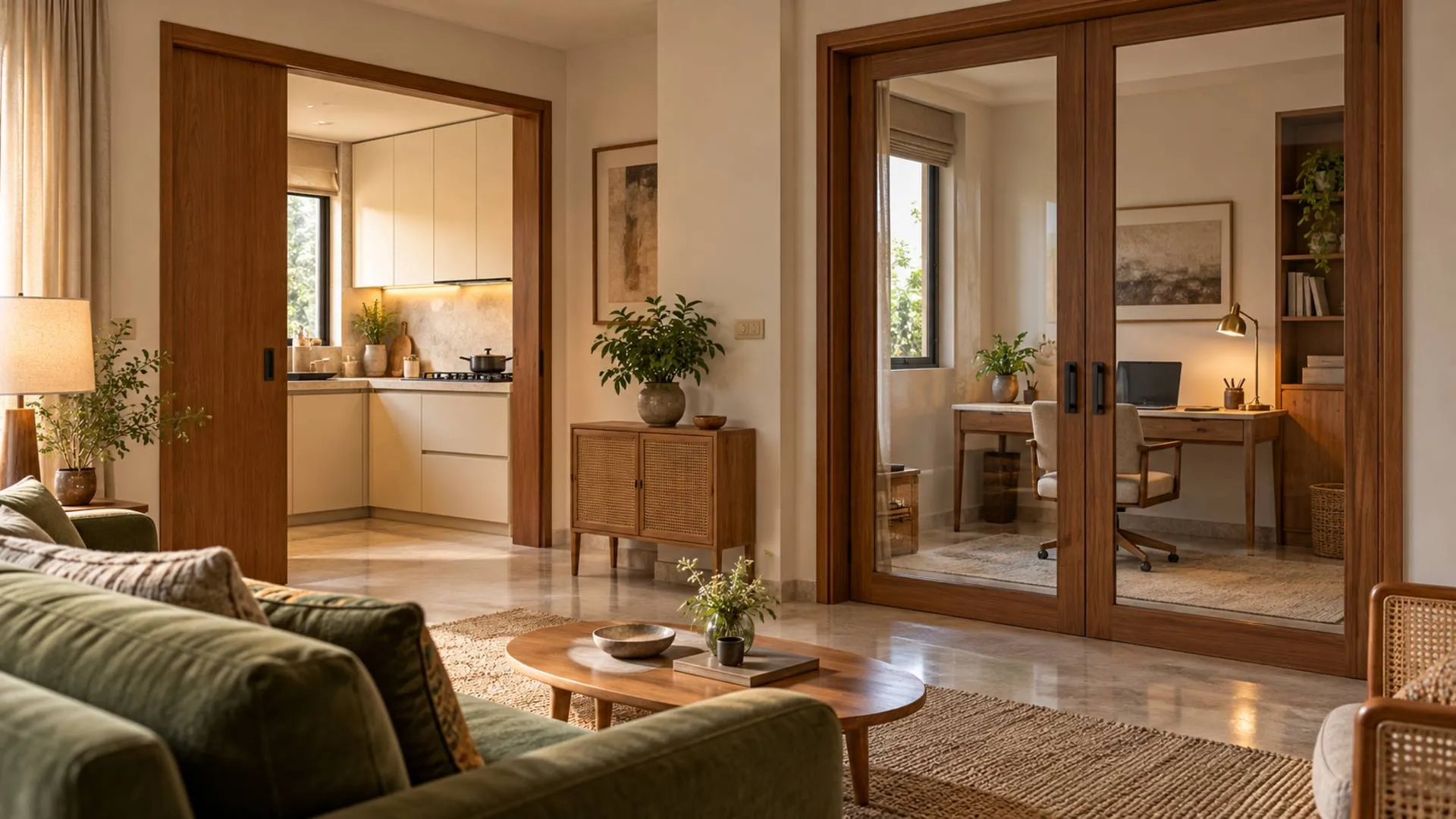
The broken plan interior design trend in India 2026 creates subtle separations within open spaces instead of using full walls.
Popular design elements include:
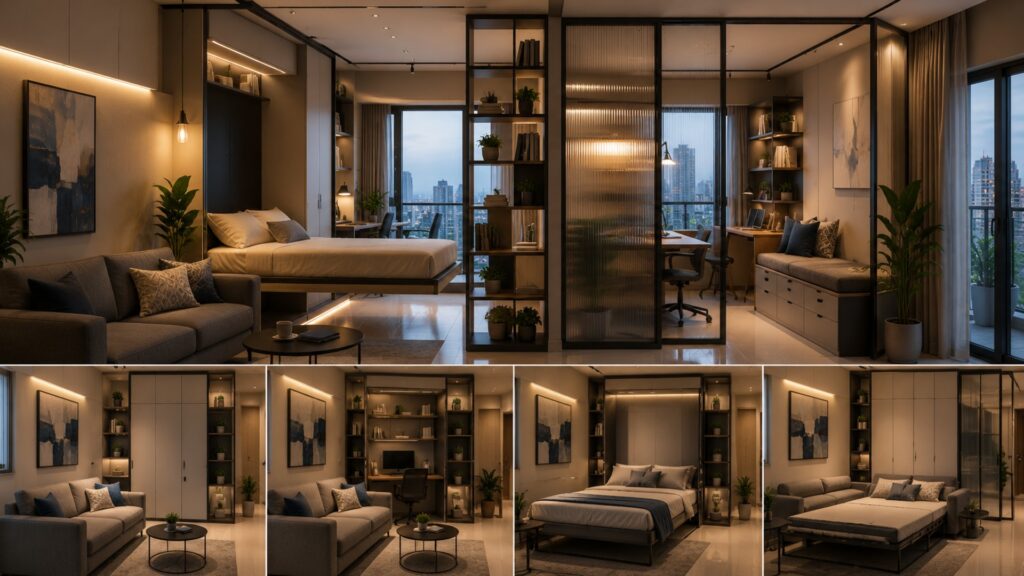
- Fluted glass partitions
- Half walls and open shelving
- Arched walkways
- Sliding wooden panels
- Sunken seating areas
- Modular furniture zoning
These techniques help define spaces while maintaining natural light and openness.
For compact Indian apartments, this layout creates better functionality without sacrificing spaciousness.
Hybrid Work Is Reshaping Indian Homes
One of the biggest drivers behind Indian homeowners moving beyond open plan 2026 is the work-from-home culture.
Dining tables now double as:
- Office desks
- Study corners
- Meeting zones
- Family dining spaces
As a result, buyers increasingly prefer:
- Semi-private workspaces
- Acoustic privacy
- Flexible layouts
- Multi-functional interiors
This shift has made zoned living in Indian apartments 2026 one of the biggest emerging interior trends.

Privacy Meets Wellness
Interior designers also connect broken-plan homes with emotional wellness and spatial psychology.
Structured layouts can:
- Reduce visual clutter
- Improve concentration
- Create calmer environments
- Support better family boundaries
Designers are blending:
- Biophilic interiors
- Earthy tones
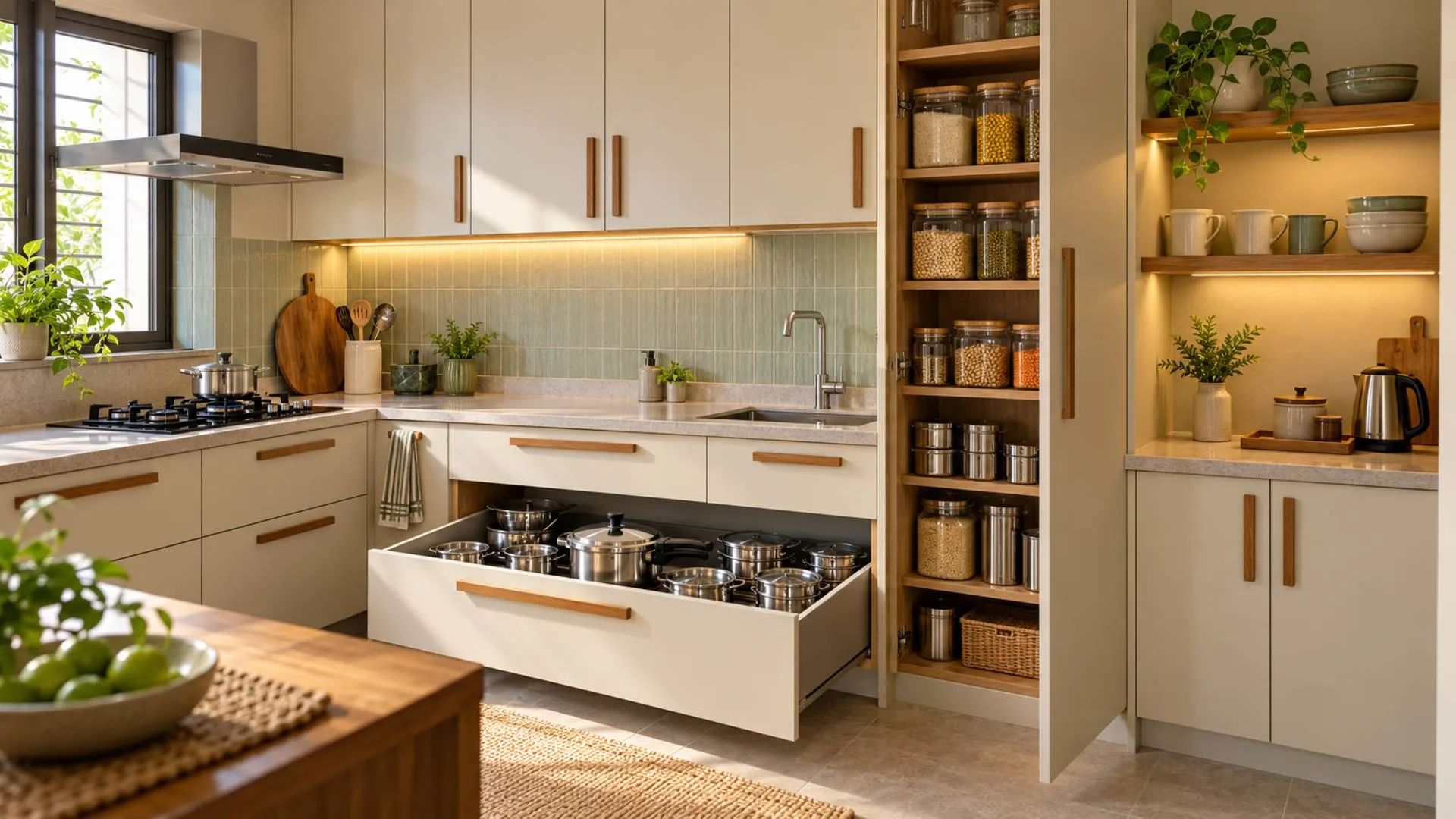
- Smart storage
- Vastu-compliant zoning
to create homes that feel both functional and emotionally balanced.
Small Homes, Smarter Design
Interestingly, broken-plan living works especially well in compact Indian homes.
Design studios are using:
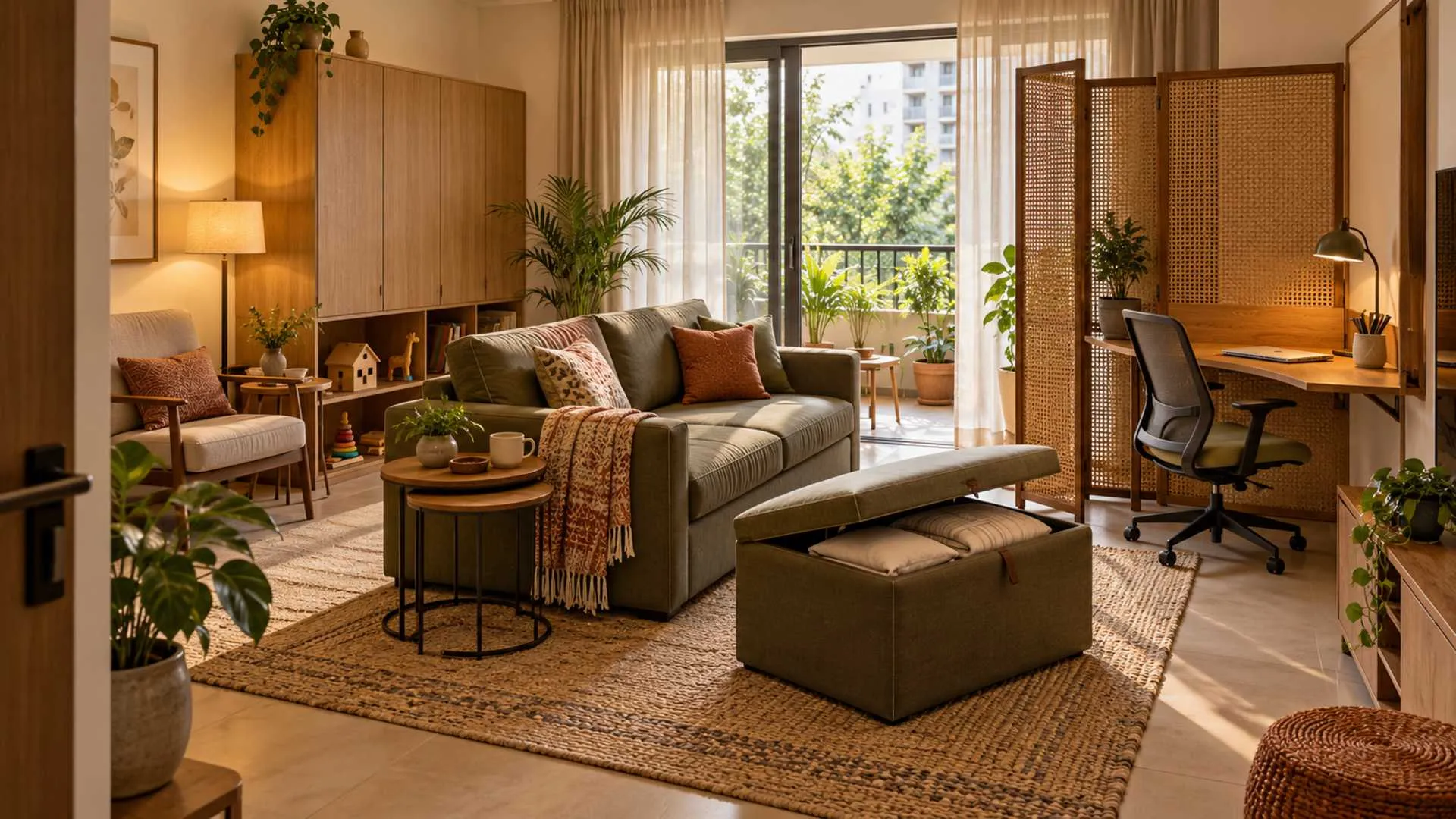
- Foldable dividers
- Modular shelving
- Glass-and-wood partitions
- Hidden storage elements
to maximise efficiency in urban apartments.
The focus in 2026 is no longer just on “open space”; it is on adaptable living.
Final Word
The rise of broken plan living in Indian homes in 2026 marks a significant change in Indian interior design. Homeowners now seek layouts that balance openness with privacy, beauty with practicality, and luxury with everyday usefulness.
The future of Indian homes is neither fully open nor fully closed; it is thoughtfully separated.
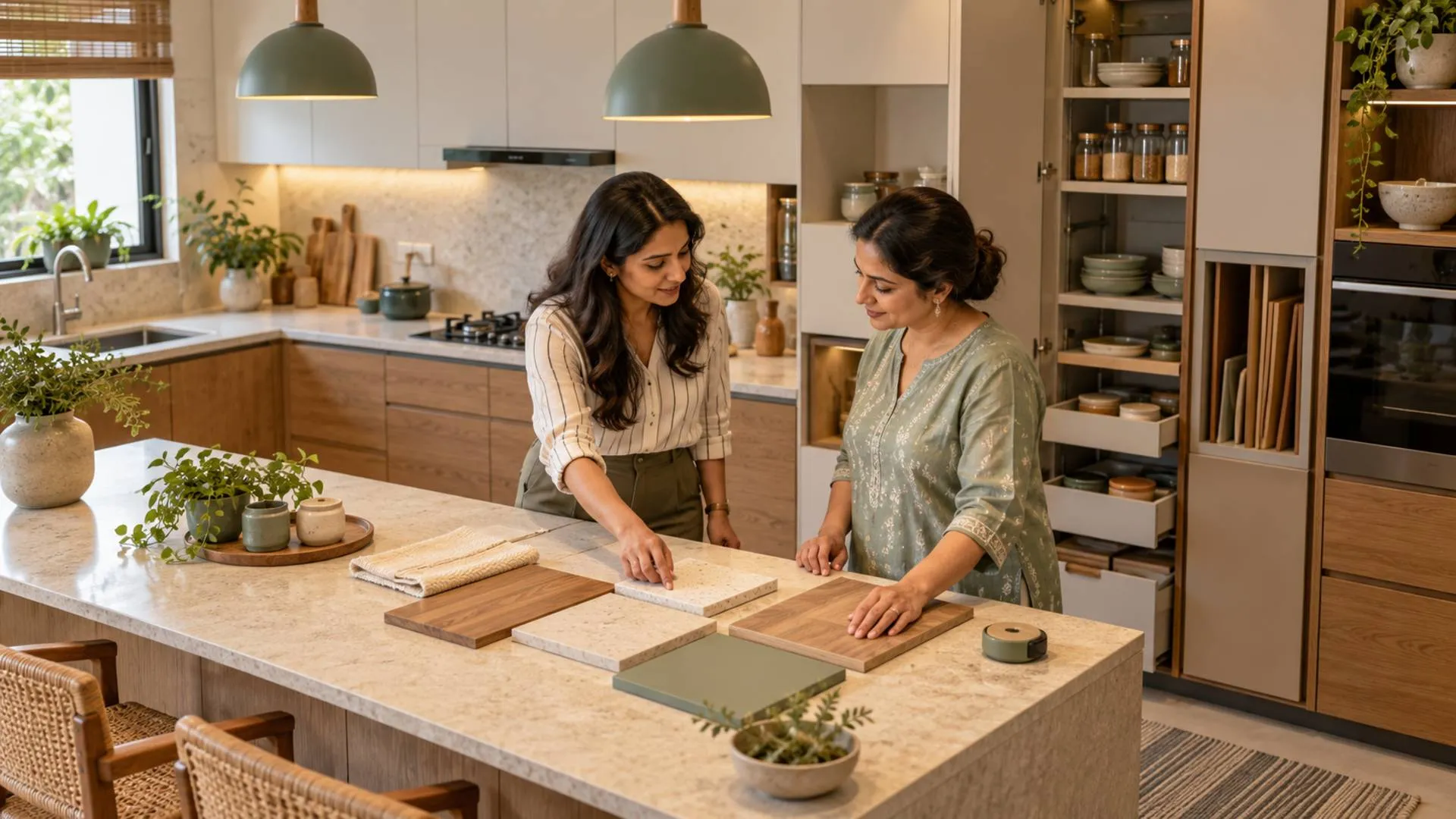
If you are planning a home upgrade in 2026, explore broken-plan layouts, smart zoning ideas, and flexible interior concepts that offer privacy, comfort, and style in modern Indian living.