DLF’s ₹1,985 Crore Aureva Sellout Signals India’s Luxury Retirement Housing Shift
DLF Aureva ₹1,985 Crore Sellout: Luxury Retirement Homes
SHARE:
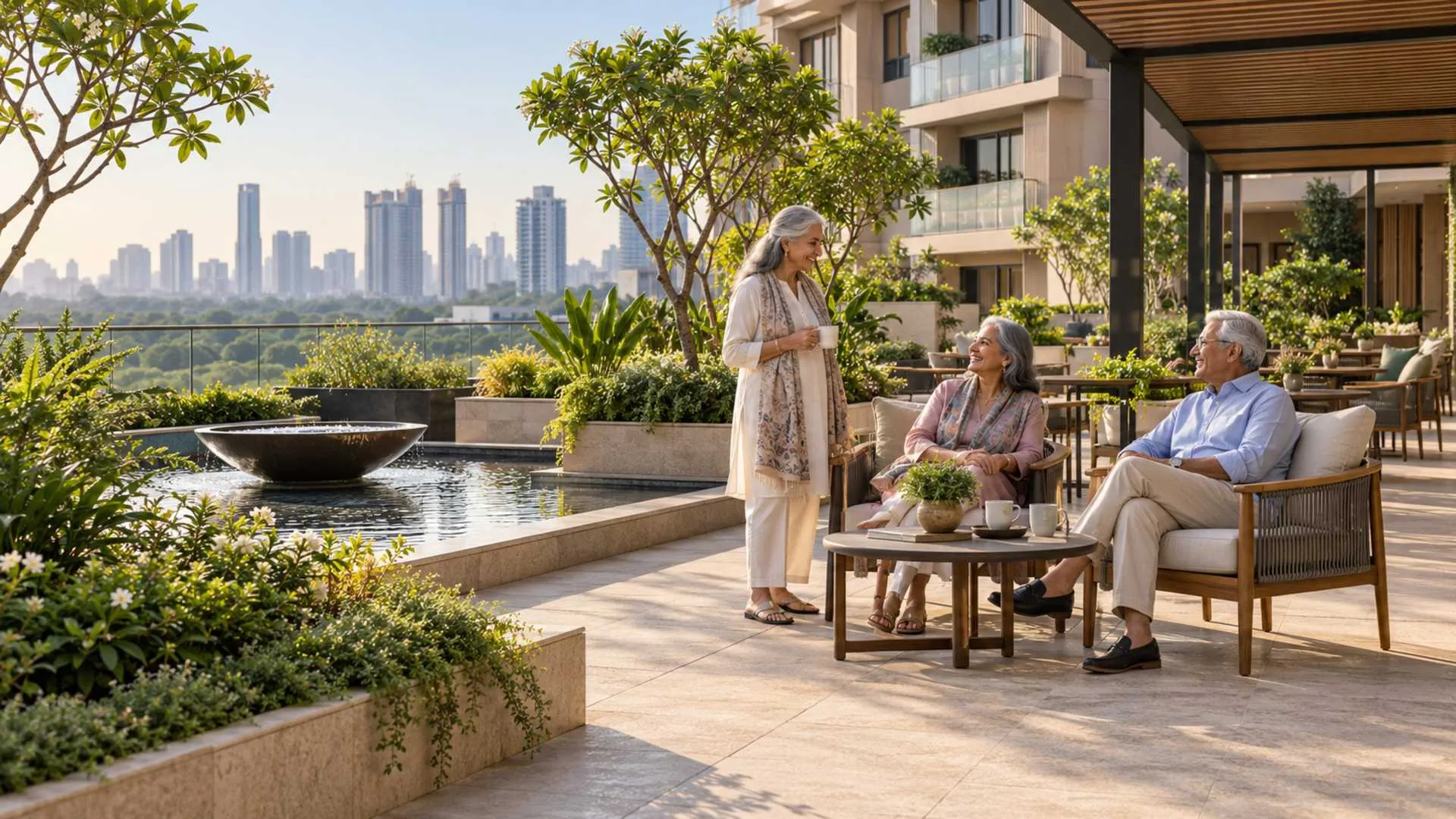
Gurugram, October 5, 2026: Retirement housing has entered a striking new price bracket. DLF has announced the complete sellout of The Aureva, its luxury senior-living project in Sector 63, Gurugram, recording approximately ₹1,985 crore in sales from 172 residences.
The average realisation was around ₹11.5 crore per apartment, according to Moneycontrol’s October 4 report.
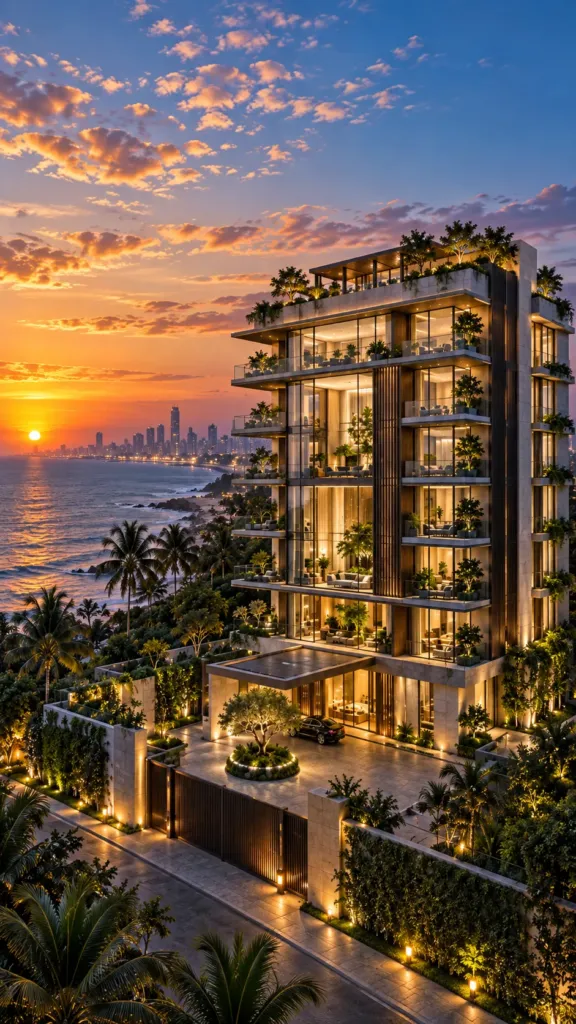
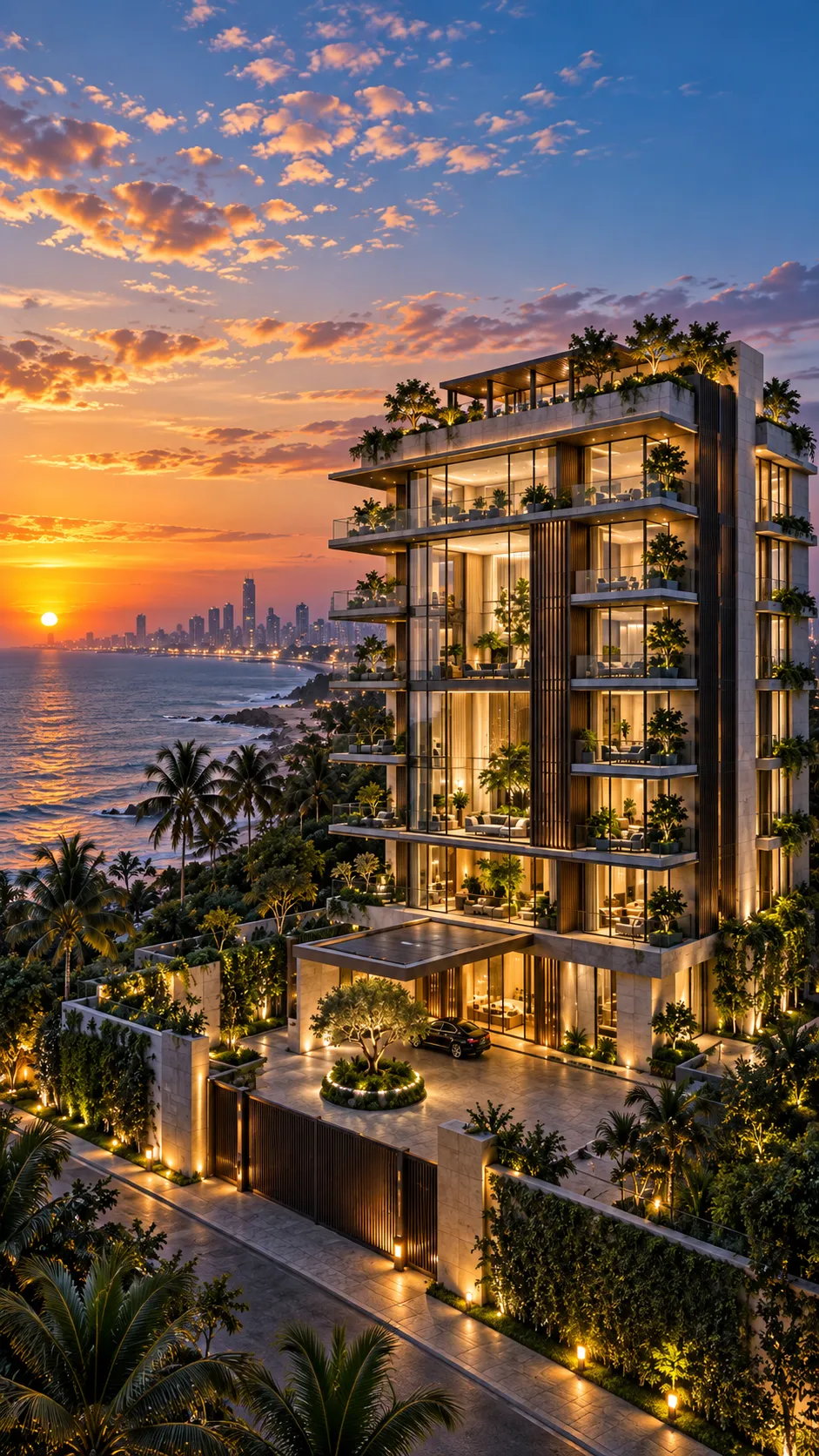
The significance extends beyond another expensive residential launch. The Aureva puts retirement at the centre of the luxury proposition: spacious homes, wellness facilities, healthcare access and community engagement offered together.
For developers watching luxury retirement homes in India, the response presents an intriguing question. Can later-life housing command a premium because of how it supports everyday living, alongside its address and finishes?
The sellout offers evidence of demand for this particular proposition. Its longer-term influence will depend on delivery and the experience residents receive.
What does DLF’s ₹1,985 crore Aureva sellout signal about India’s luxury retirement market?
The Aureva’s sellout suggests that a segment of affluent buyers is willing to pay ultra-luxury prices for retirement housing combining spacious residences with wellness, healthcare access and social connection. It gives developers a reason to examine specialised senior living more closely, although one Gurugram project does not establish demand at the same price across India.
That distinction matters. The story is a substantial commercial result for one development and a potentially influential test of a more specialised housing model.
What DLF sold: retirement living on an ultra-luxury scale
The Aureva occupies approximately 4.17 acres and comprises 172 residences. DLF’s announcement describes more than four lakh sq ft of total carpet area and over 7.5 lakh sq ft of saleable area. The Economic Times reported these project dimensions alongside the sellout.
| Project detail | Announced or reported information |
| Project | The Aureva |
| Developer | DLF |
| Location | Sector 63, Gurugram |
| Residences sold | 172 |
| Sales value | Approximately ₹1,985 crore |
| Average realisation | Approximately ₹11.5 crore per apartment |
Source: Moneycontrol.
DLF’s October 4 exchange-filed announcement describes a standalone G+45 tower with 4 BHK residences, private decks, dedicated staff accommodation, accessible design elements and three parking spaces per home.
This is retirement housing built around a substantial residential footprint. The proposition allows buyers to consider a specialised community without necessarily surrendering the space and domestic arrangements associated with a large luxury apartment.
The reported ₹11.5 crore figure is an average realisation, not a fixed price for every unit. Likewise, sales value should not be confused with profit, completed construction or cash collected in full. The announcement records a sellout; it does not mean residents have already moved in.
Why the offer goes beyond a regular premium flat
A premium apartment can provide security, a gym and a clubhouse. A retirement community has to answer more specific questions: how residents remain independent, how assistance is accessed and how daily life continues to feel connected.
The Aureva’s announced facilities include an indoor swimming pool, spa, yoga pavilion, meditation centre, library, landscaped spaces and a professionally managed on-site medical centre with emergency-response support. These are planned elements of DLF’s offering, as set out in its exchange filing.
For senior living, the operating model is as important as the floor plan.
A medical centre needs clarity about staffing, hours, services and escalation arrangements. Accessible design needs to work throughout the building. Community spaces need activities that residents actually want to join.
According to Fortune India’s October 5 report, DLF plans to appoint a specialised healthcare brand closer to delivery, while managing the wider amenities and facilities itself.
That makes execution central to the next chapter. A developer can demonstrate demand through bookings; demonstrating dependable service requires an occupied community.
Buyers should also distinguish healthcare access from comprehensive assisted living. An on-site medical facility does not, by itself, establish continuous nursing, dementia care, or every form of long-term support.
For families comparing a luxury retirement community with a regular premium flat, the decisive question is practical: what support is contractually available, who provides it and what does it cost over time?
Who is buying and why staying in the city matters
The ticket size places The Aureva within an affluent buying segment, but the available reports do not provide a complete breakdown by occupation, wealth category, or intended use.
Fortune India reports that about 65% of buyers are from Delhi-NCR, with the remaining 35% comprising buyers from elsewhere in India and NRIs. That combined figure should not be presented as a separate NRI share.
The geographic pattern supports an important interpretation: retirement housing can appeal to people who want to retain their existing urban connections.
Moving into a specialised community need not mean moving away from friends, familiar institutions and family networks. The potential attraction is a different residential arrangement within a city the buyer already knows.
Aakash Ohri, Managing Director and Chief Business Officer of DLF Home Developers, framed the project as “redefining luxury retirement housing in India”, according to Moneycontrol.
The commercial response suggests that this positioning found buyers. It does not establish that every purchaser is already retired or that every residence will be occupied immediately.
For developers, the lesson is to investigate the household behind the booking. A retirement purchase may involve the future resident, adult children and others helping evaluate healthcare, convenience and long-term costs.
A market opportunity and a higher delivery standard
The Aureva gives luxury senior living in India a prominent commercial reference point. Its response could encourage developers to examine housing aimed at particular stages of life more closely.
The strongest opportunity, however, is not simply attaching “senior living” to an expensive tower.
A specialised development has to connect architecture with services. Room layouts, lifts, emergency arrangements, mobility, staffing and recurring charges all influence whether the proposition remains useful as residents’ needs change.
For builders, that creates a more demanding product brief. For buyers, it makes the service agreement part of the property decision.
Three questions deserve attention:
- What is included? Separate the apartment price from maintenance, healthcare and optional support charges.
- Who operates the services? Establish responsibilities, availability and arrangements if an operator changes.
- How can the home be used later? Check occupancy eligibility, leasing, resale and succession terms.
These questions apply across retirement housing in India, regardless of whether the project targets a moderate or ultra-luxury budget.
The sellout also does not establish a guaranteed investment return. Demand at launch cannot, on its own, predict rental income, resale liquidity or appreciation. For someone buying primarily for retirement, the service model and suitability may carry greater weight than an assumed financial upside.
Will Pune or Mumbai see an Aureva-style project?
The result naturally raises questions for readers exploring a flat in Pune, a luxury retirement flat in Mumbai, or a premium community elsewhere.
The Aureva gives those searches a useful comparison framework: location, accessible space, healthcare arrangements, social engagement and lifetime ownership costs.
It does not confirm a similar DLF launch in another city. Fortune India reports that DLF is currently focused on delivering The Aureva rather than committing to a wider senior-living pipeline.
Other developers may study the response, but replication would require local evidence. A Pune or Mumbai project would need to establish its own customer base, price acceptance and service partnerships.
For buyers comparing a premium flat in Pune with retirement-focused housing, the relevant distinction is whether the latter supplies documented support that an ordinary society does not. The name of the category is only the starting point.
The same caution applies to comparisons with overseas retirement communities. Prices are difficult to compare without understanding tenure, service charges, healthcare provision and eligibility rules.
The next milestone is the resident experience
DLF’s 1,985-crore Aureva sellout signals the rise of luxury retirement housing as a prime choice for buyers in India’s premium residential market. With residents investing significantly in a development centred around retirement, the industry needs to look at the results this sellout has generated.
The next big step will not be as eye-catching as a sellout announcement but rather focus on creating a community where homes and services complement each other
This is where the true value of this model will be tested. While luxury can attract attention, the ability to deliver consistent day-to-day support will determine if the promise can be fulfilled.
Follow RealtyConnect for verified developer announcements and the latest in housing trends. Discuss the conversation at chat.realtyconnect.tech, and compare retirement communities by their service commitments as closely as their addresses.