

Earthy Maximalism Is Redefining Indian Homes in 2026
Earthy Maximalism Is Transforming Indian Homes in 2026
SHARE:
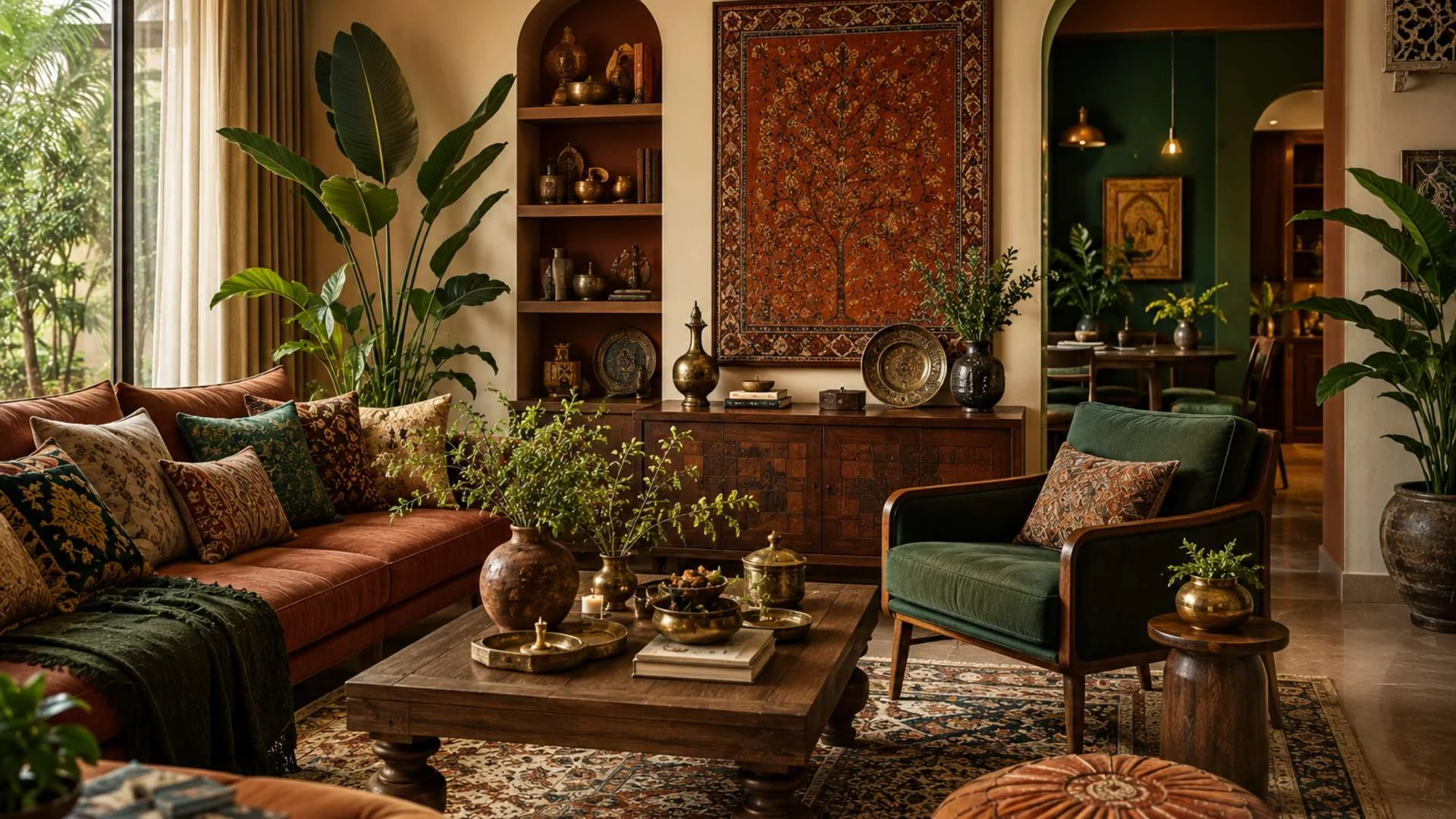
Is minimalism losing its appeal in Indian homes?
Yes. In 2026, Indian interiors are moving beyond minimalist white-and-grey palettes toward earthy maximalism, a design movement that embraces rich ochre, rust, forest green, handcrafted textiles and layered textures. The trend celebrates warmth, personality and Indian craftsmanship without creating visual clutter.
The period of white walls, cool grey sofas and almost no accessories are going away to be replaced by something warmer and far more expressive. Accumulated knowledge and information on the theme of Earthy Maximalism Indian Interiors 2026 suggests that people do not want houses anymore that look like a showroom. People desire houses that tell stories.
According to Fleegl, Astral Paints and several leading Interior Designers, warm earthy tones replacing stark white and cool grey is more than just a colour shift. It indicates a strong preference for comfort, sustainability, and culturally Indian homes.
From Cold Minimalism to Crafted Warmth
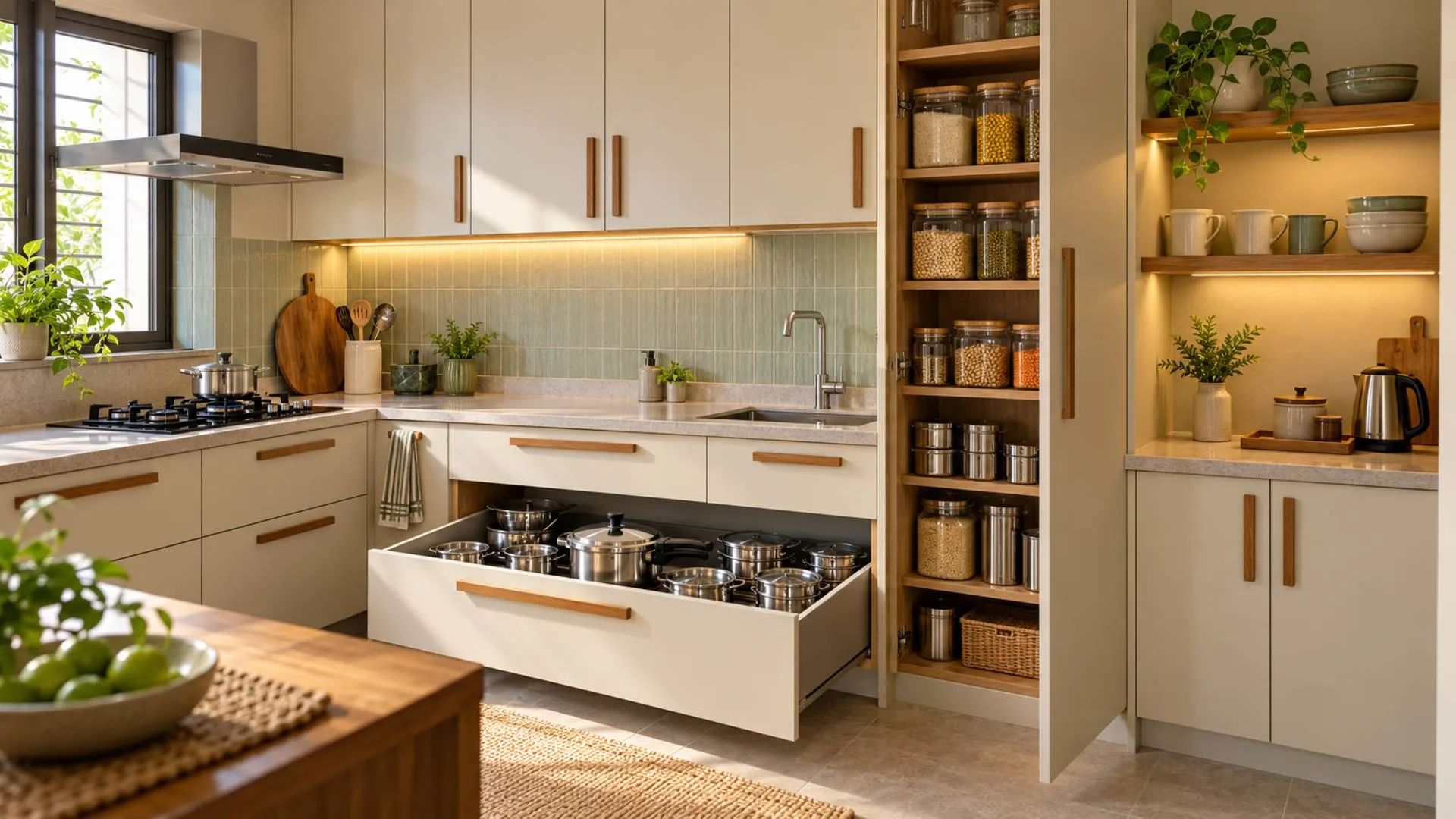
Rather than filling rooms with excess décor, crafted maximalism in Indian homes offers rich layered interiors and thoughtful curation. Designers describe it as “curation, not volume”, where every layer has meaning.
The defining palette includes:
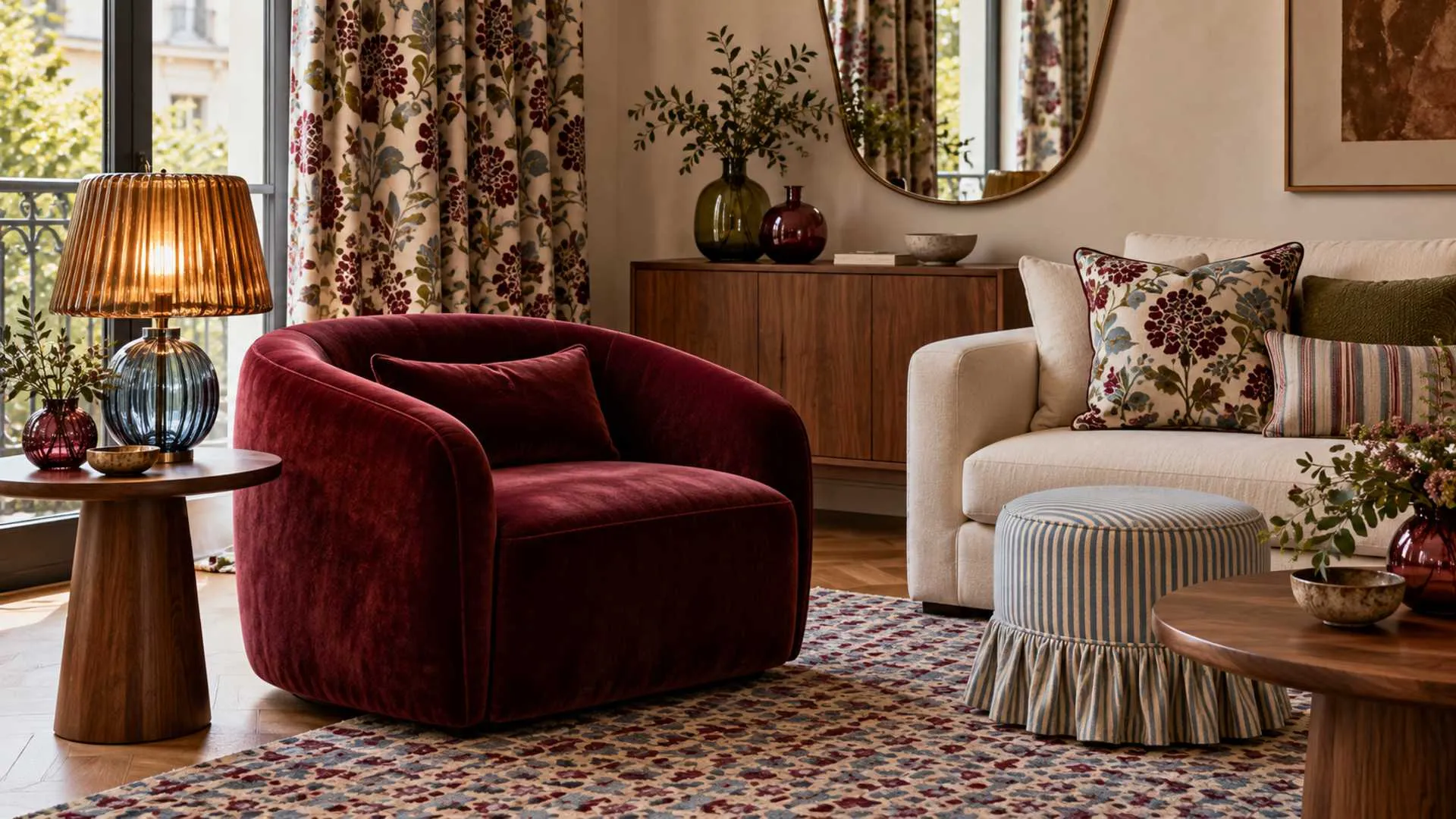
- Rich ochre, rust, terracotta, clay red, warm brown, olive, sage and forest green
- Brass accents with natural patina
- Carved wood, glazed ceramics and handcrafted décor
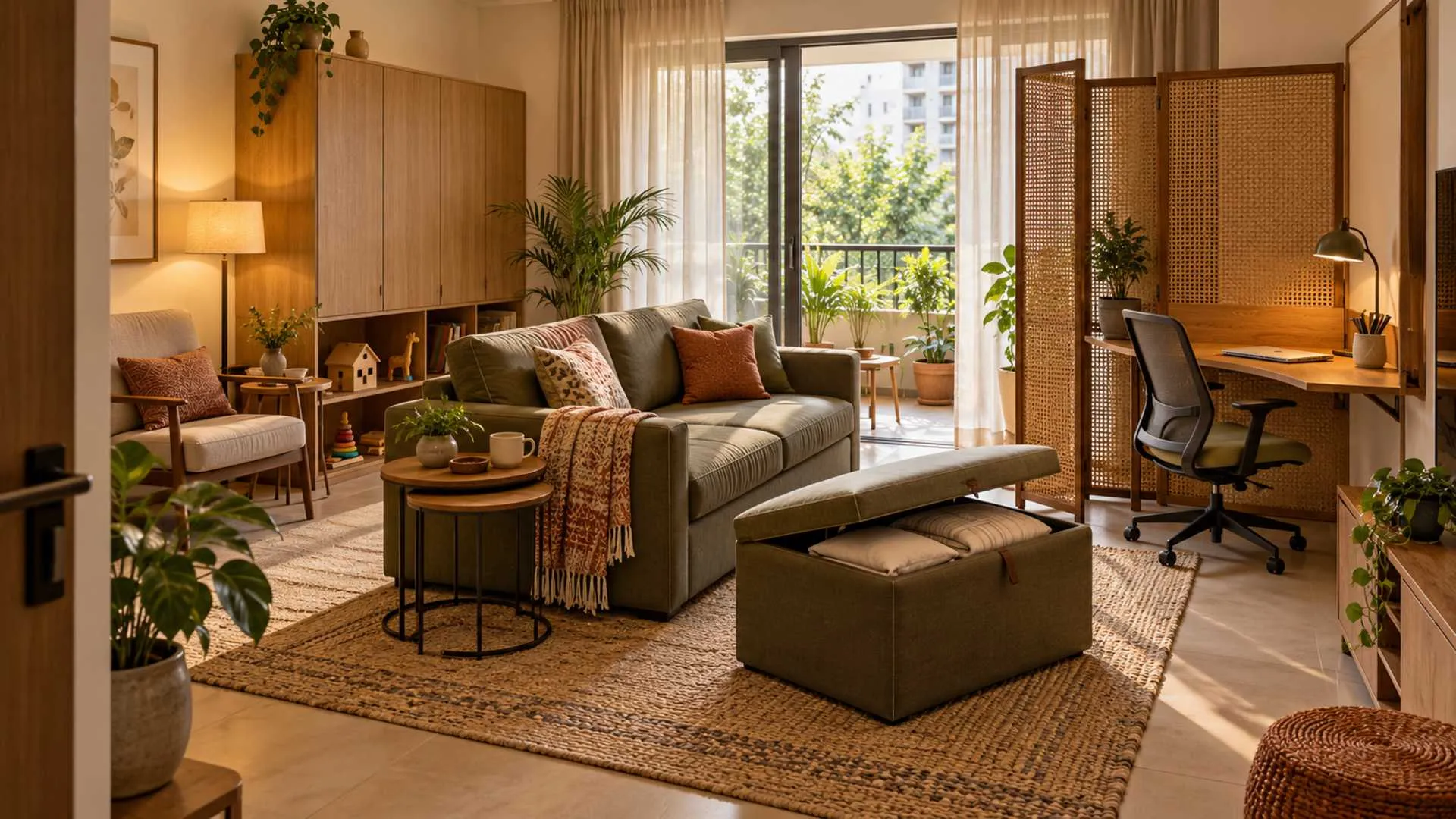
- Embroidered cushions, woven rugs and textured fabrics
As highlighted by HTOH Shop and Astral Paints, grey is on notice; ochre, terracotta and forest green are taking over India, bringing warmth that complements the country’s natural light and climate.
Why Earthy Maximalism Fits Indian Homes
Perhaps the biggest reason the trend is gaining momentum is India’s design heritage itself.
Instead of imported aesthetics, homeowners are embracing block printing, weaving, embroidery and Indian textile maximalism in 2026 through Ajrakh, Kalamkari, Ikat and Rajasthani crafts. These handcrafted elements naturally create pattern-on-pattern layering and rich textures without making interiors feel chaotic.
Design platforms such as Livspace, along with creators featured on Instagram and CraftXSpaces, increasingly showcase homes that combine quiet luxury, Japandi evolution and crafted maximalism in 2026, blending modern layouts with timeless Indian artistry.
Layered, Not Cluttered
One of the biggest misconceptions is that maximalism means overcrowding.
In reality, earthy maximalism replacing cold minimalism in India 2026 follows a disciplined approach:
- Build around one earthy colour palette.
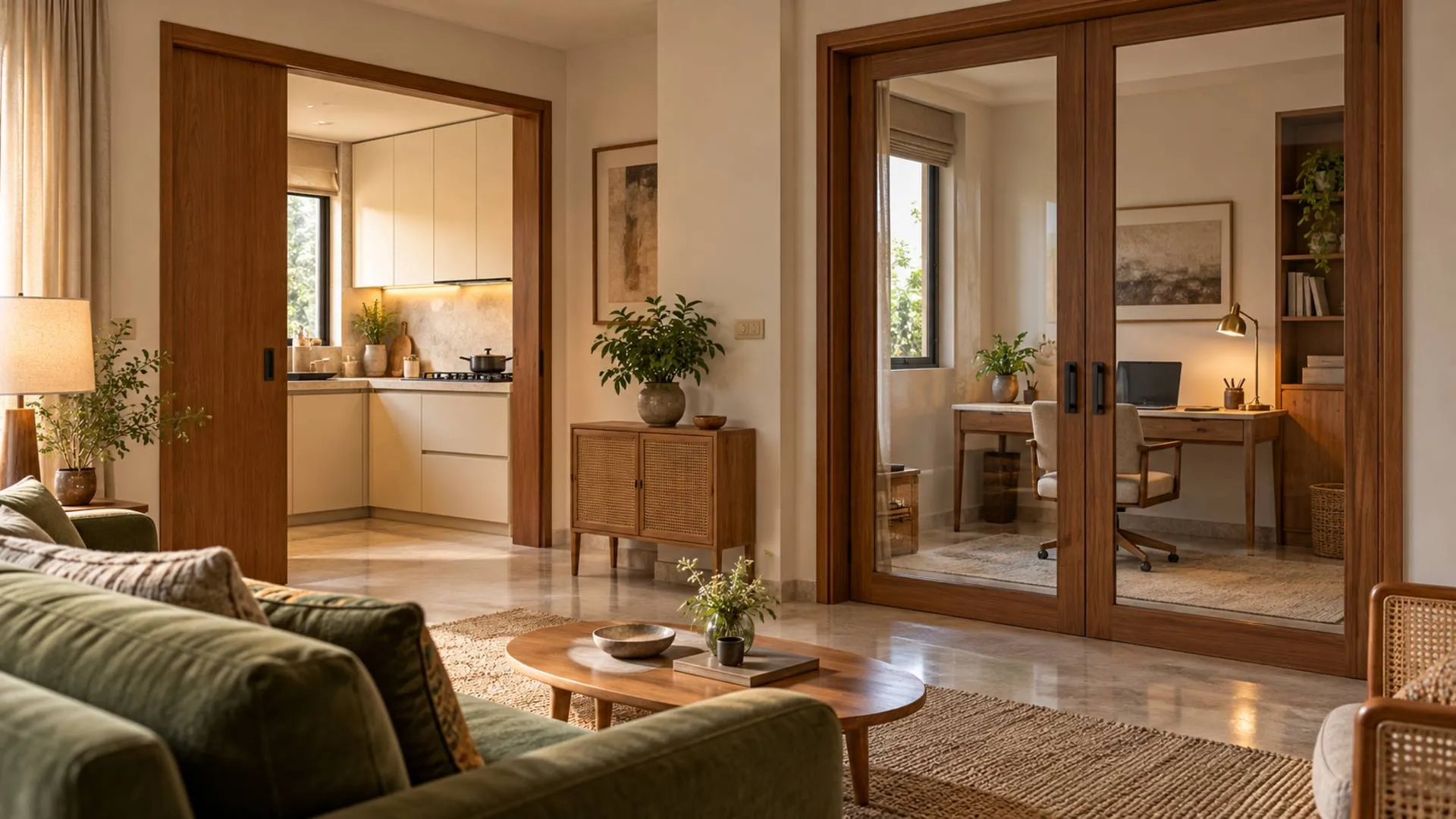
- Mix natural materials like wood, linen, stone and brass.
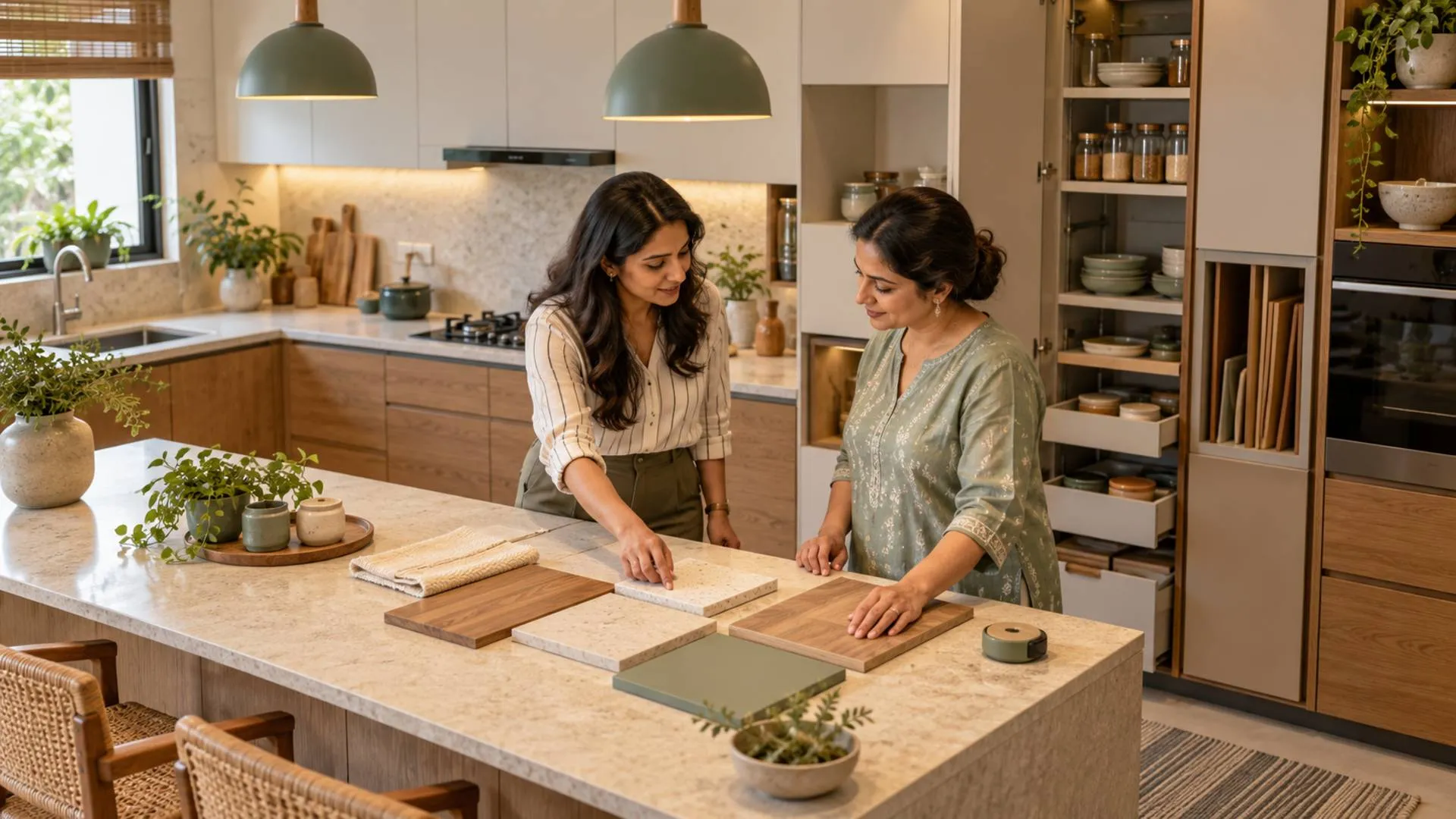
- Layer handcrafted décor instead of mass-produced accessories.
- Let every piece have visual purpose.
The outcome is a home that is welcoming, lived-in and very personal.
As Indian homeowners abandon minimalism in Indian interior design 2026, the shift to earthy maximalism has become more about identity than trends. It celebrates craftsmanship and supports local artisans to create interiors that feel authentic rather than uniform.
In search for more home design ideas and the latest real estate lifestyle trends? Stay connected with RealtyConnect for expert insights shaping the future of homes and places in India.