

From IT Park to Lifestyle Hub: Hinjawadi’s 2026 Transformation
Hinjawadi 2026: From IT Park to Lifestyle Hub
SHARE:
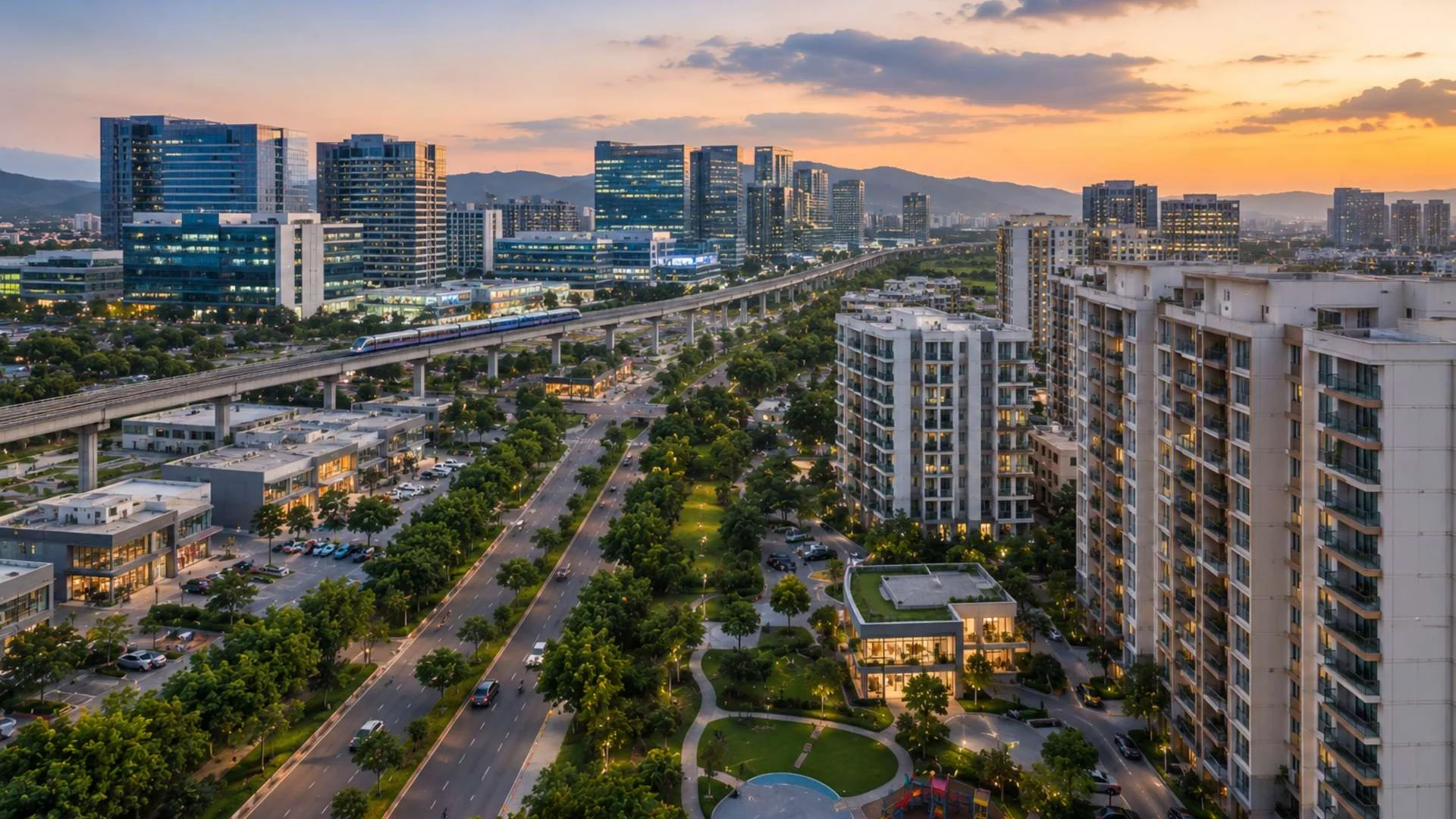
Hinjawadi in Pune is not merely a place where one works anymore; it is turning into a place where people can live, have a family, socialise and establish a long-term way of life.
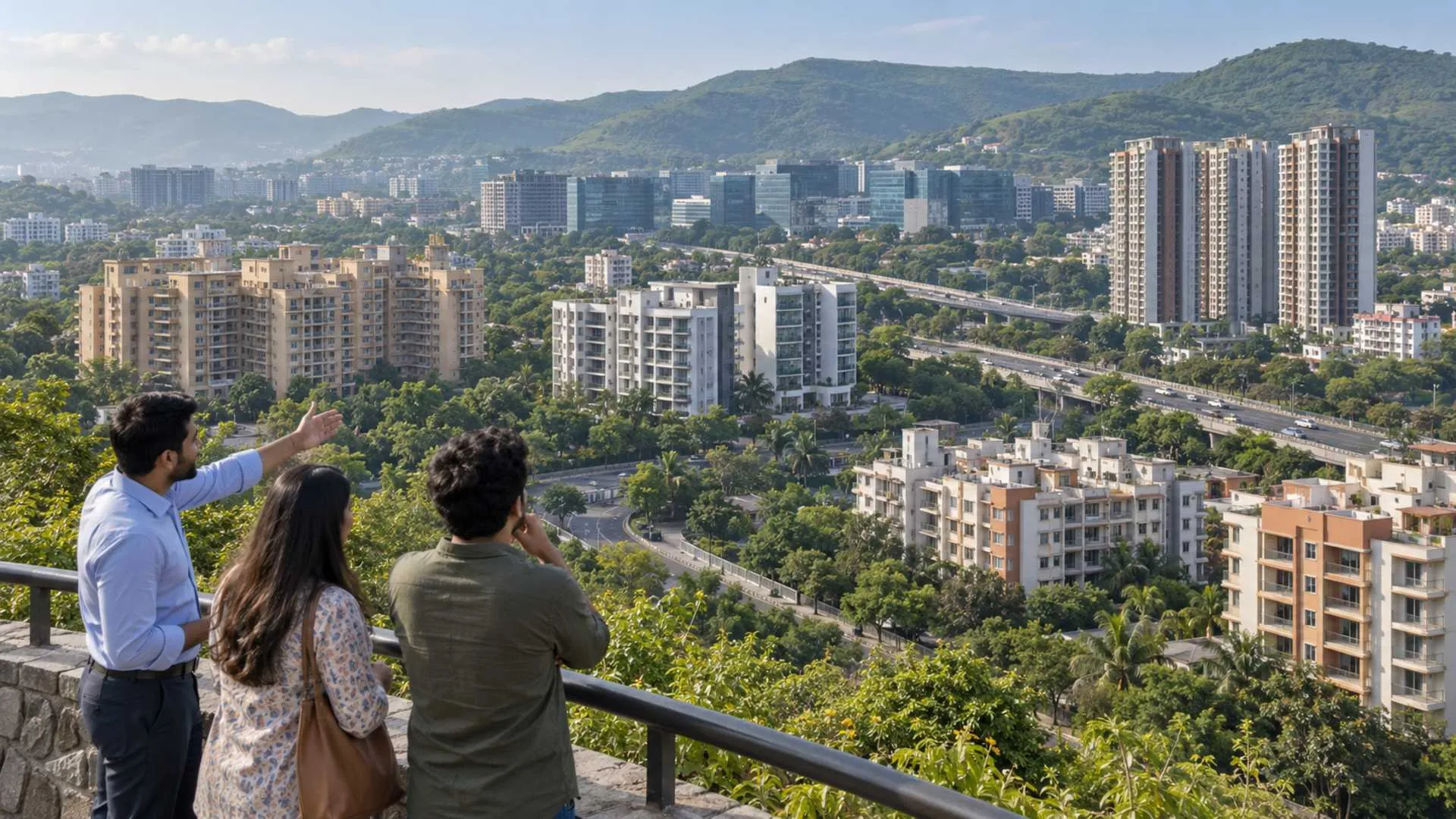
For many years, the name Hinjawadi was nearly identical to that of the Rajiv Gandhi Infotech Park, but nowadays this association is undergoing a change. The development of residential areas, schools, hospitals, retail shops, dining facilities, recreational facilities and better connectivity is transforming the western Pune corridor into a more fully realised urban destination.
The change is important for both people who are buying homes and for investors. The residential transformation in Hinjawadi is nowadays mainly based on what life is like after office hours, rather than on how close a house is to the IT park.
From IT Hub to Everyday Neighbourhood
Hinjawadi’s transformation began with employment. The Rajiv Gandhi Infotech Park brought major technology companies, including Infosys, Wipro, TCS, Cognizant and Tech Mahindra into the region, creating a large and consistent workforce.
That workforce eventually created demand for everything around it.
As Ashiana Housing’s Hinjawadi overview notes, the locality has evolved from a technology corridor into a residential destination combining employment, housing, infrastructure and social amenities.
The important change is that Hinjawadi is developing as an ecosystem rather than remaining a standalone office district.
Today, gated communities, supermarkets, cafés, restaurants, gyms and recreational facilities are becoming part of the everyday landscape. The result is a more cosmopolitan neighbourhood serving both young professionals and families.
Why Families Are Looking Beyond the IT Park
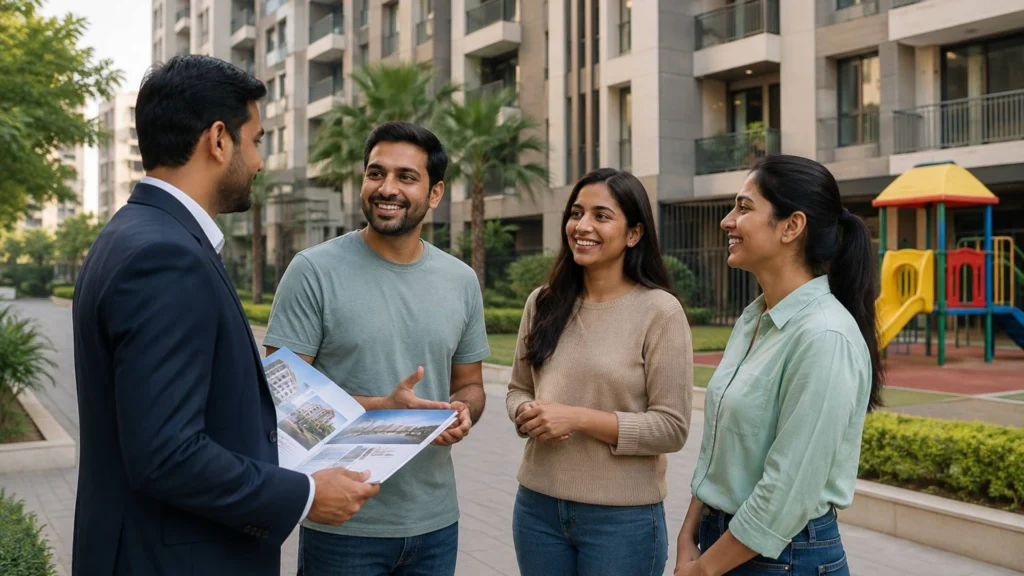
The biggest test of any emerging residential destination is whether it can support families. Hinjawadi is increasingly clearing that test.
Schools such as Blue Ridge Public School, VIBGYOR High School and other educational institutions serve the growing residential catchment, while healthcare options, including Lifepoint Multispeciality Hospital, add to everyday convenience. (Life Republic by Kolte-Patil)
Shopping and leisure are also becoming important lifestyle anchors. Xion Mall, high-street retail, cafés, restaurants and fitness centres have helped create a social ecosystem around the technology corridor.
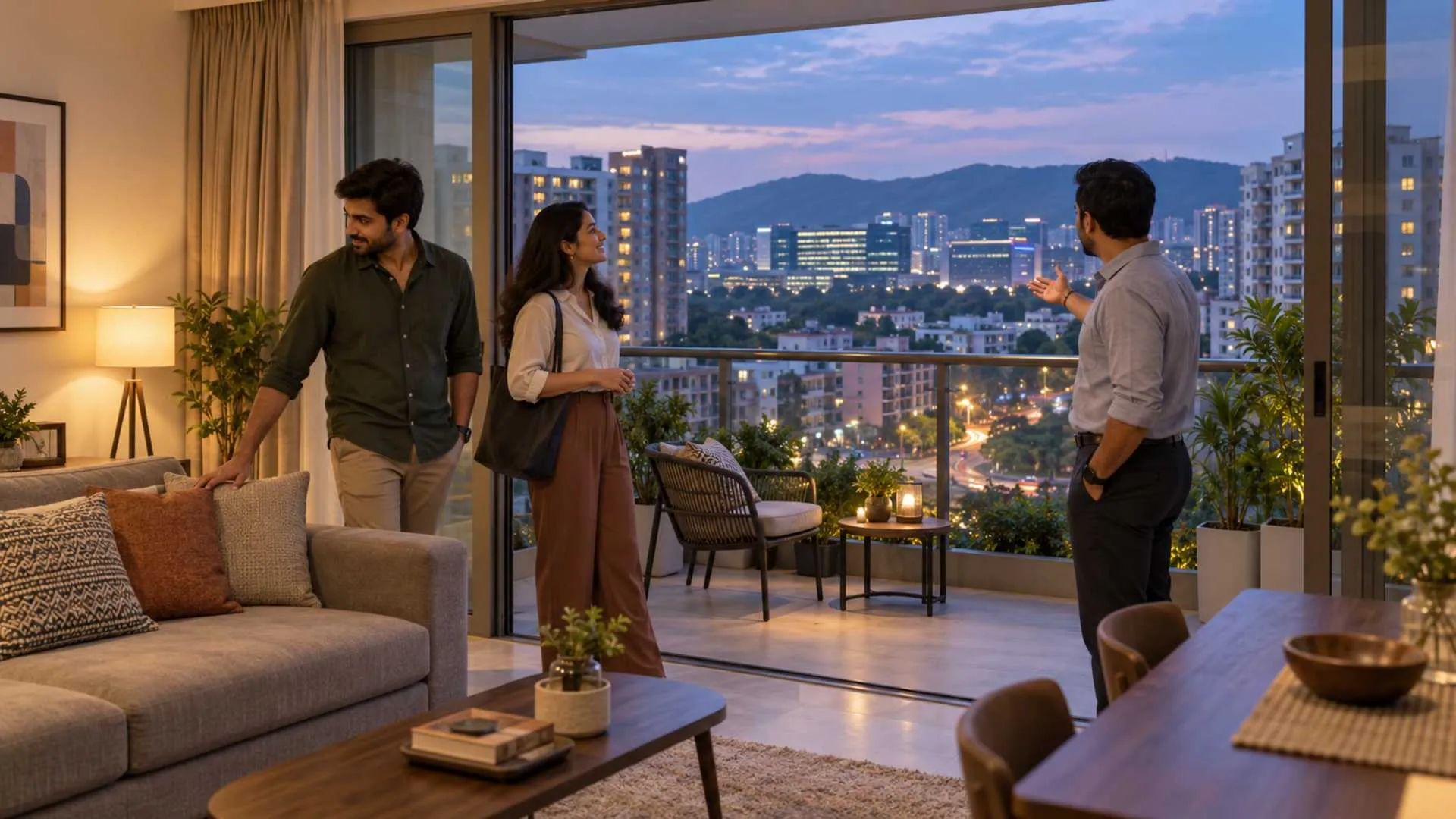
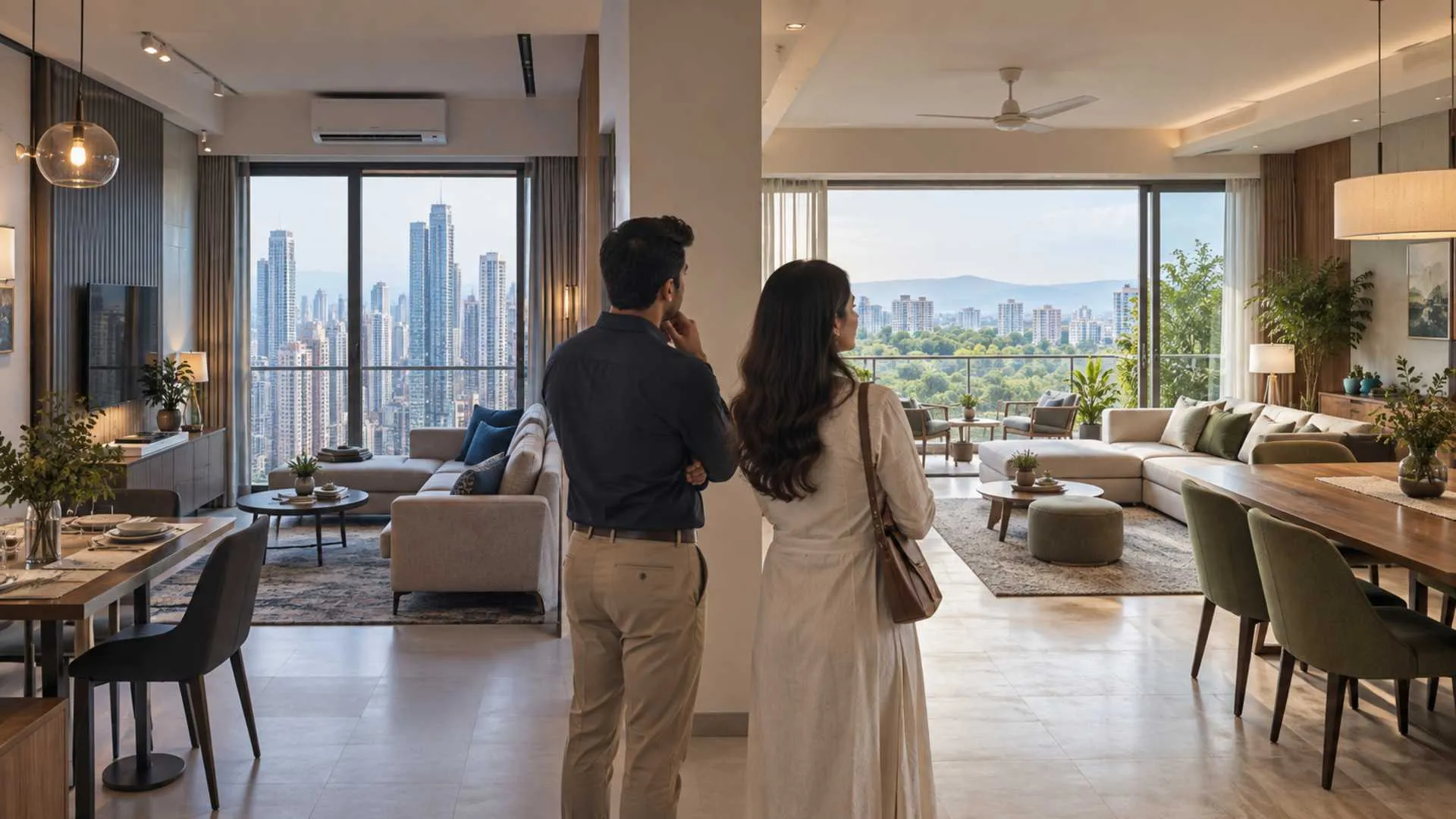
This matters because modern buyers are increasingly searching for more than a flat. They want schools, healthcare, grocery stores, parks, gyms, clubhouses and entertainment within reasonable reach.
That broader demand is also supporting the rise of large residential communities and integrated townships.
The Township Effect Is Changing the Address
The rise of integrated communities has accelerated Hinjawadi’s lifestyle-hub transformation.
For example, Kolte-Patil’s Life Republic is a 400-acre integrated township near Hinjawadi, designed around residential living, green spaces and community infrastructure. Such developments demonstrate how the region is moving towards a live-work ecosystem, where residents can access several everyday needs without travelling across Pune.
The broader township trend reflects what JLL Homes describes as the evolution towards communities combining residential, commercial, recreational and social infrastructure.
In Hinjawadi, that model is particularly relevant because the employment base already exists.
Connectivity Could Push the Transformation Further
Infrastructure remains one of Hinjawadi’s biggest growth catalysts.
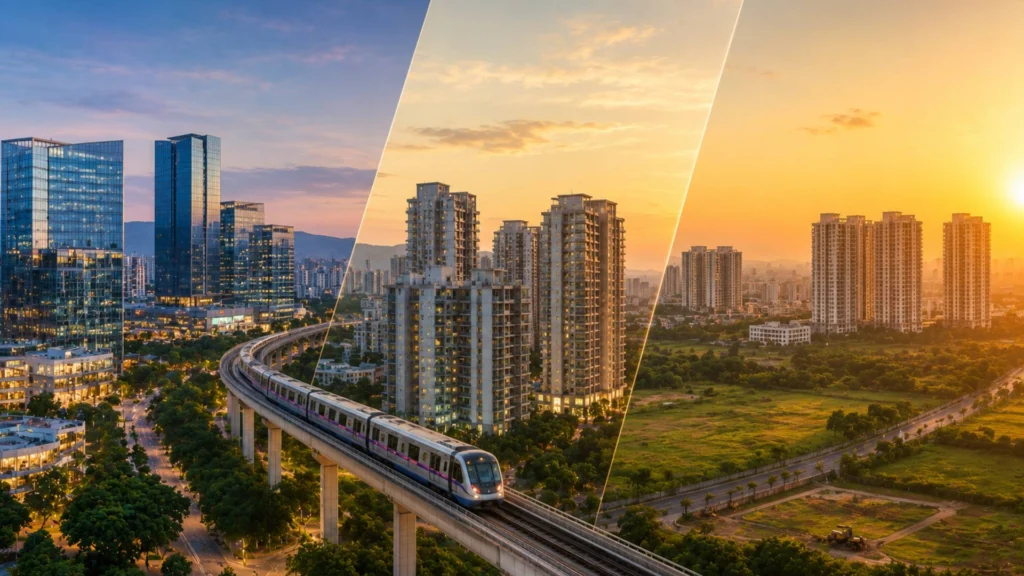
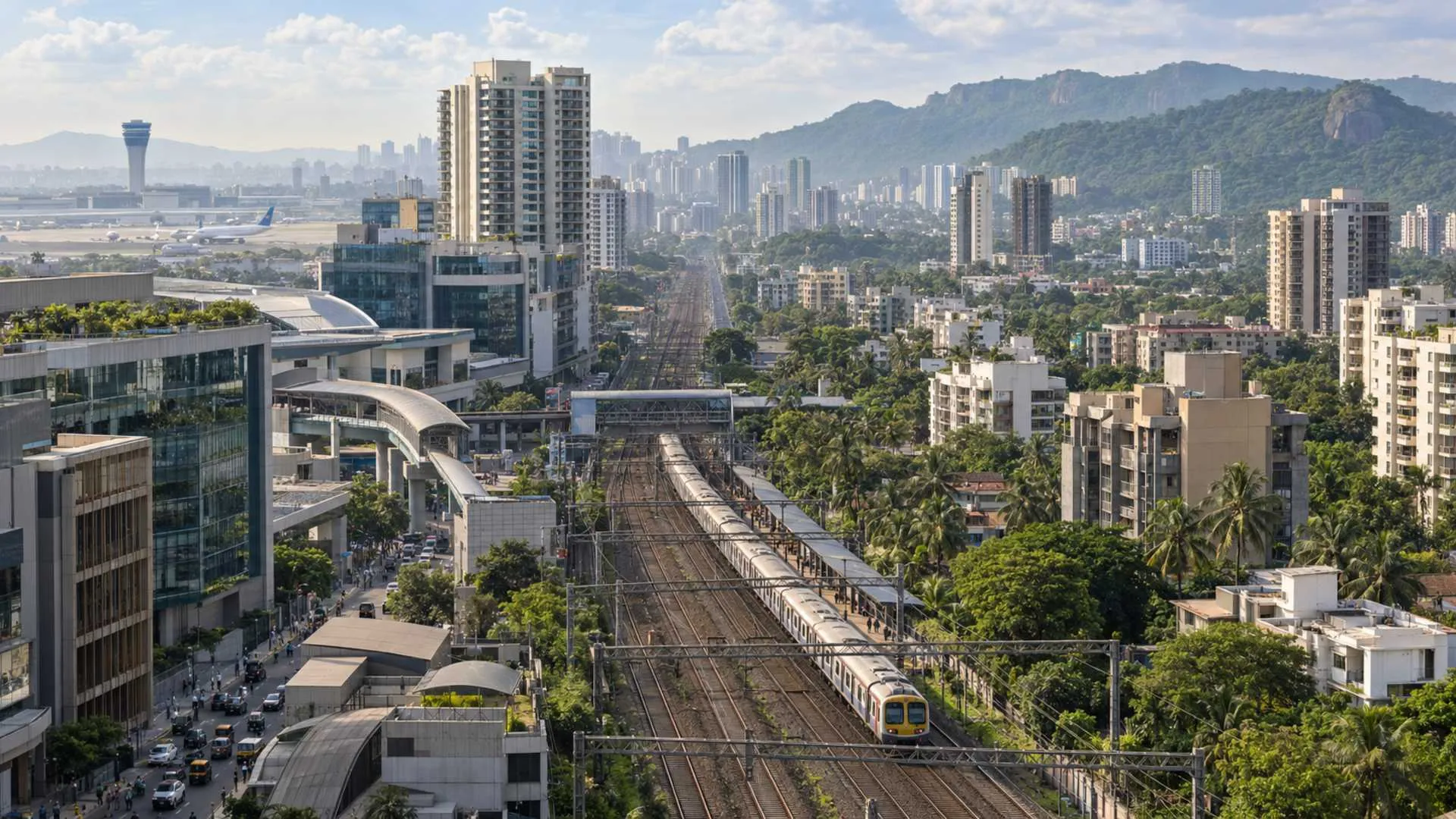
Pune Metro Line 3 is planned as a 23.203-km elevated corridor with 23 stations connecting Hinjawadi and Shivajinagar. PMRDA says the project is intended to reduce traffic congestion, travel time and transportation costs while supporting urbanisation around the IT park. (PMRDA)
The metro is important not simply because it improves commuting. Better public transport can change how people perceive distance, encouraging businesses, retail and residential development along the corridor.
Road upgrades are adding another layer to this transformation.
For buyers comparing Hinjawadi Phase 1, Phase 2 and Phase 3, the lifestyle experience can differ significantly. Phase 1 remains the most established; Phase 2 offers a developing middle ground, while Phase 3 and the Maan-Marunji belt provide opportunities for newer residential development.
Is Hinjewadi Good for Families to live in?
Yes, particularly for families who value proximity to employment, gated communities, schools, healthcare and emerging lifestyle infrastructure. However, the experience varies by phase, project and access to daily amenities.
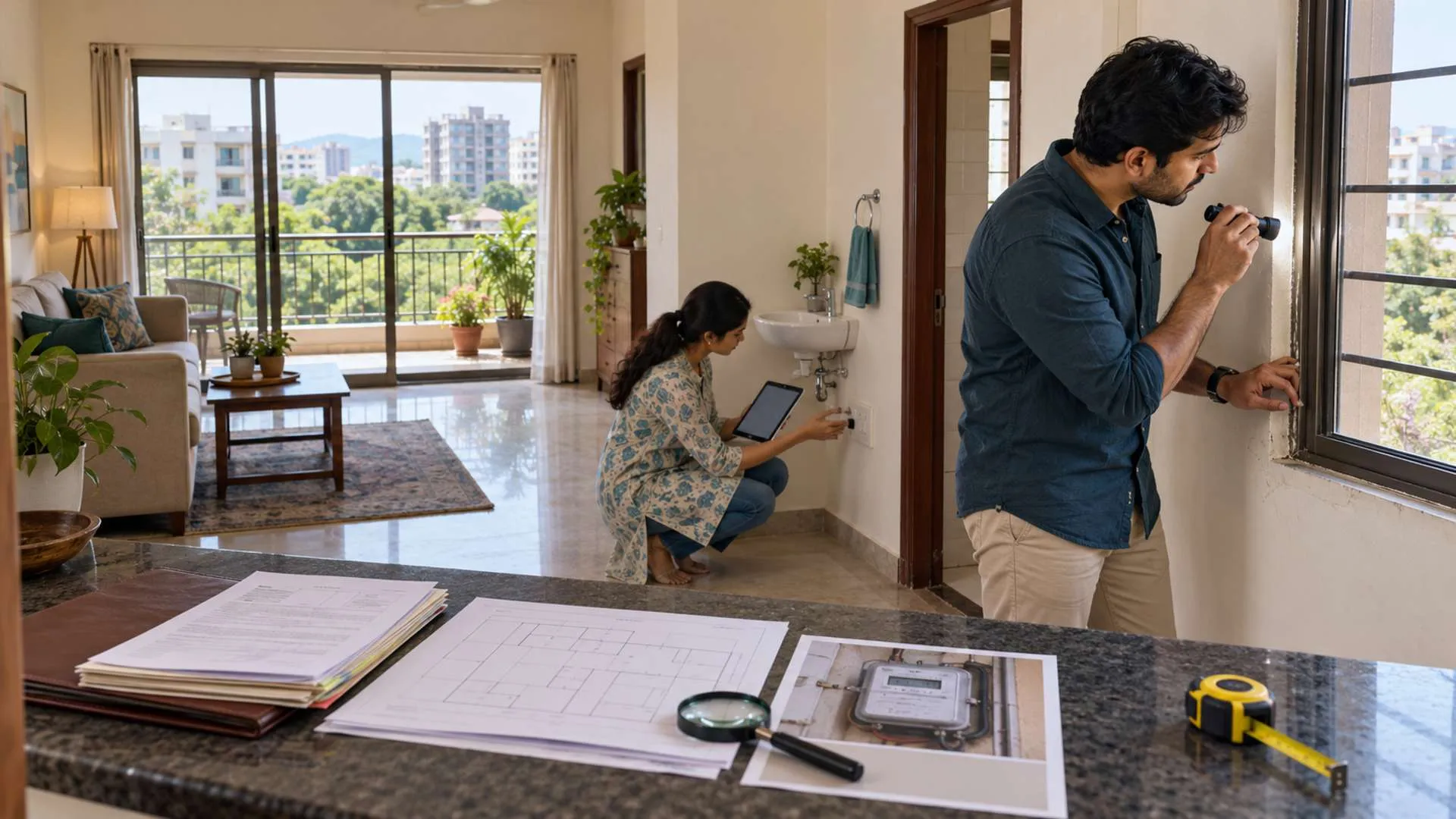
A homebuyer should therefore evaluate more than the property itself:
- Distance to the workplace
- School and hospital access
- Peak-hour traffic
- Public transport connectivity
- Retail and dining options
- Quality of the residential community
- Future infrastructure
Kolte-Patil’s Hinjewadi locality guide also highlights the locality’s growing mix of IT employment, residential development, education, healthcare, shopping and entertainment.
The Bigger Story: Hinjawadi Is Building a Life Around Work
The real transformation of Hinjawadi is not the number of towers rising along the skyline. It is the emergence of an urban lifestyle around the employment engine that created the locality in the first place.
From Rajiv Gandhi Infotech Park and corporate campuses to schools, hospitals, cafés, townships and green spaces, Hinjawadi is steadily becoming a neighbourhood where professionals can work, families can settle and communities can grow.
As Yukio’s 2026 Hinjawadi guide observes, the experience of living in Hinjawadi increasingly depends on the phase, commute and surrounding amenities rather than simply being close to the IT park.
That is perhaps the clearest sign that Hinjawadi is no longer just Pune’s IT address. It is becoming one of Pune’s emerging lifestyle addresses.

Looking to understand Hinjawadi’s next growth phase?
Explore more real estate insights and ask your property questions at RealtyConnect AI before making your next property decision.