

Hinjewadi Phase 1 vs 2 vs 3: Where Should You Buy in 2026?
SHARE:
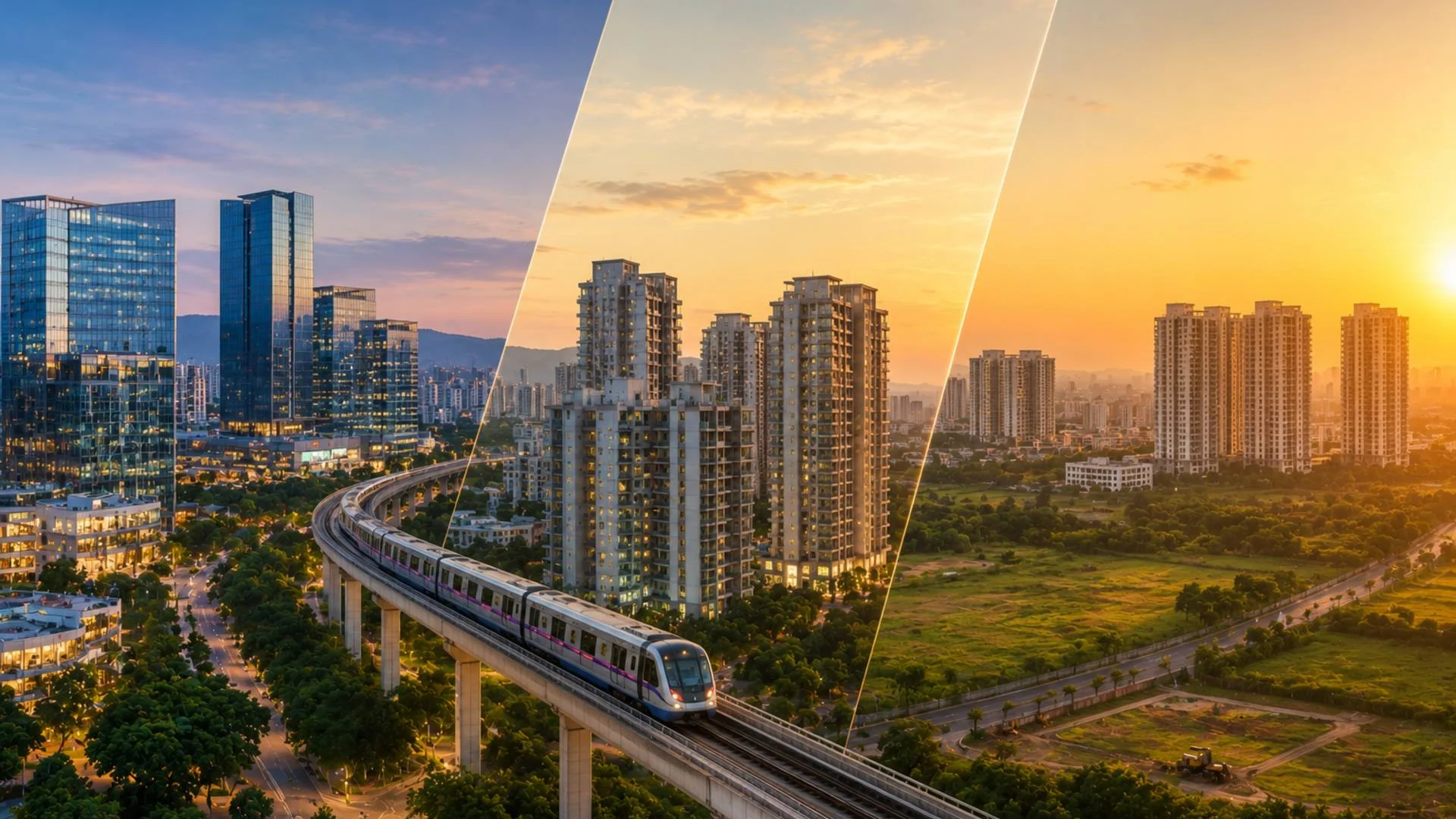
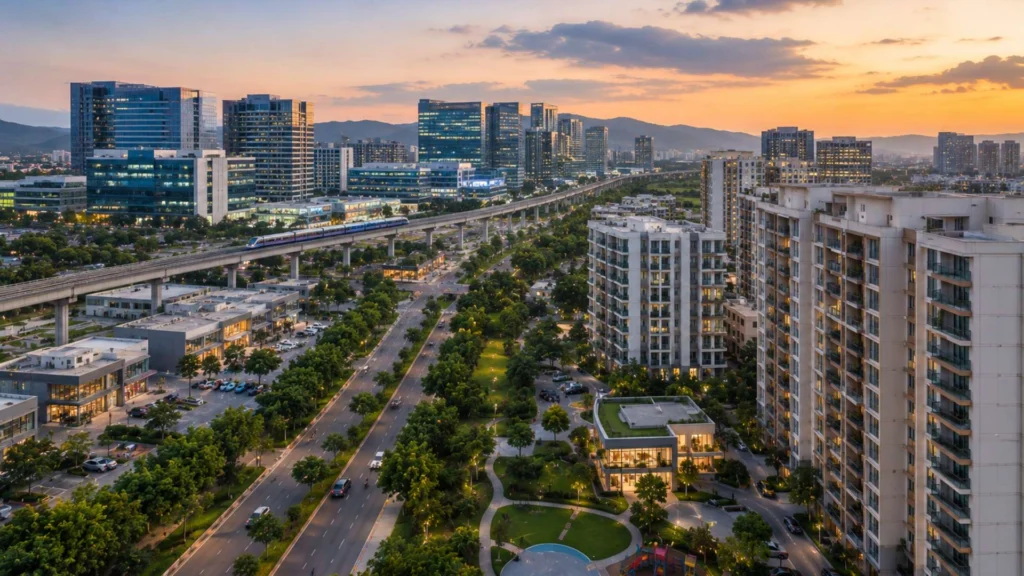
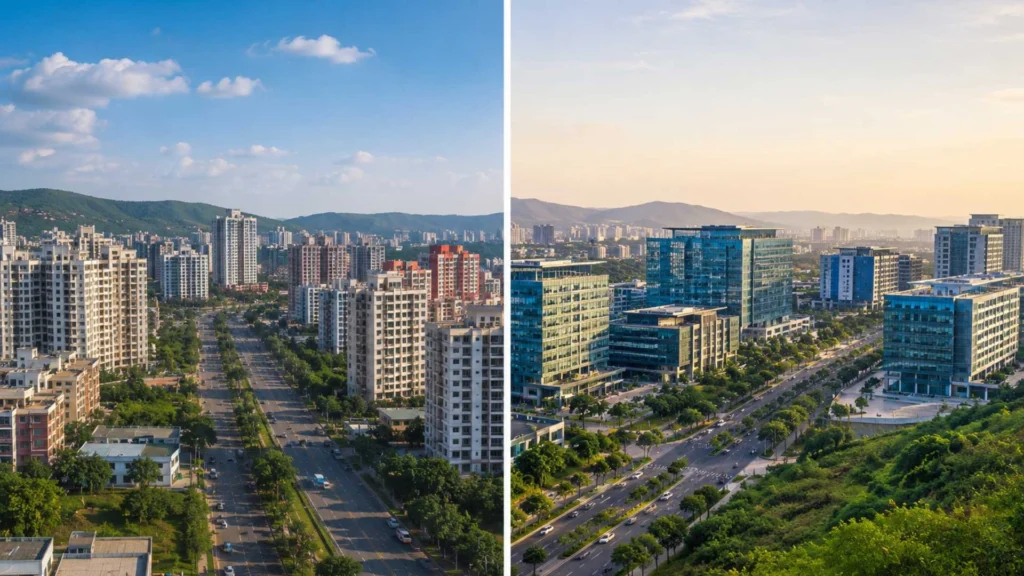
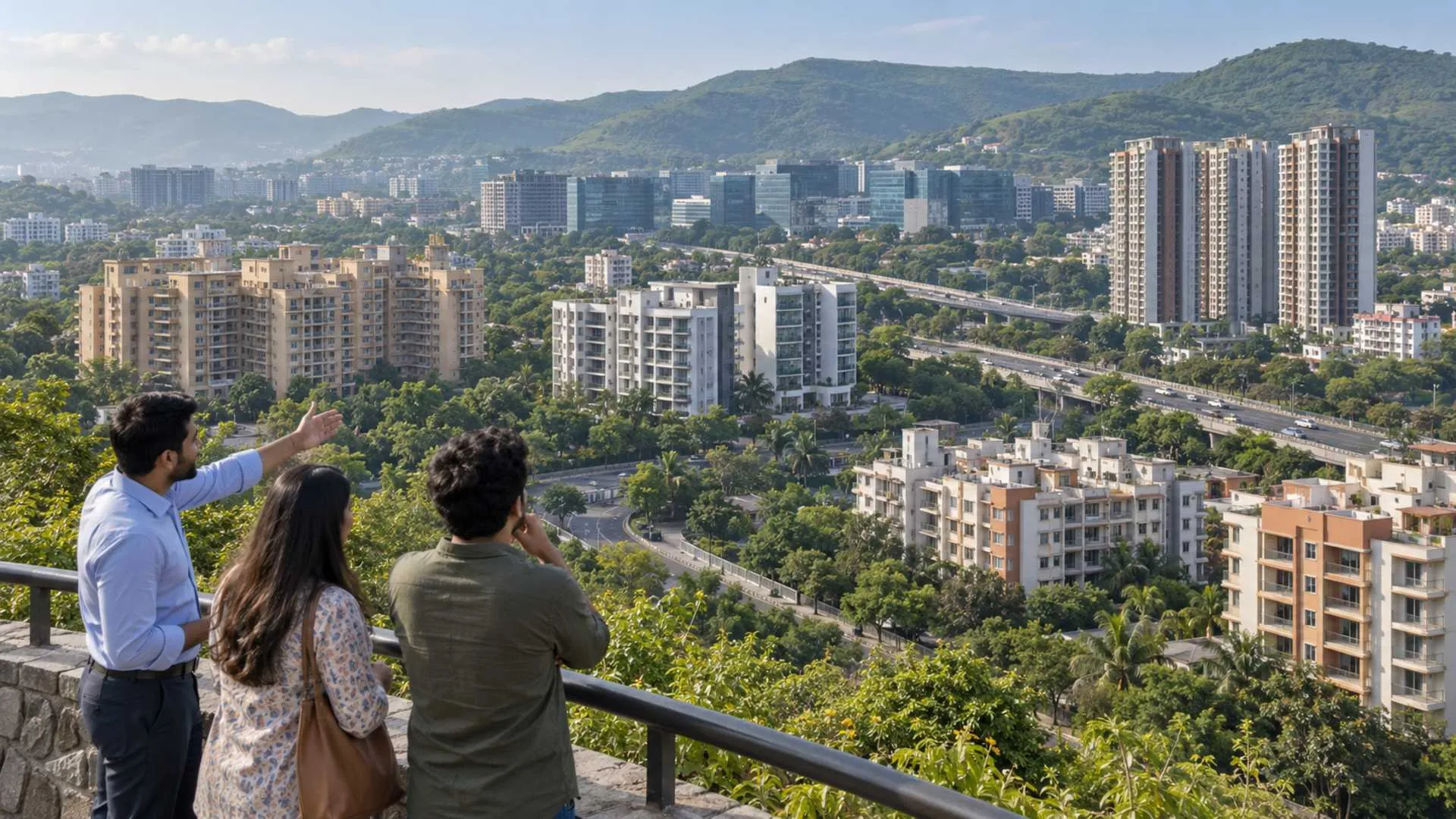
Pune’s Hinjawadi is no longer a single real estate market. Phase 1, Phase 2 and Phase 3 now offer three different propositions for homebuyers, shaped by office proximity, property prices, connectivity, rental demand and future appreciation.
For an IT professional, the choice might be as simple as taking the route with the shortest commute, but for an investor, the more important question is whether to pay a premium at the moment or instead enter an emerging micro-market which has more potential for growth.
Then, when comparing Hinjewadi Phase 1 with Phase 2 and Phase 3, which one is better to buy in 2026?
Hinjawadi Phase 1: Pay More for Established Convenience
Phase 1 remains the most established part of the Rajiv Gandhi Infotech Park and is closest to the Wakad side of Hinjawadi. It has a strong concentration of technology companies, established residential communities, retail, restaurants, healthcare and everyday services.
That maturity comes at a price. MagicBricks puts the average Phase 1 apartment rate at around ₹9,367 per sq ft in Q2 2026, while Housing.com reports an average of about ₹9,138 per sq ft. (MagicBricks)
For buyers looking for a flat near Rajiv Gandhi IT Park Phase 1 entry, property near major office campuses can offer a practical walk-to-work advantage. The Wakad-Hinjewadi junction is another important residential catchment.
Phase 1 is therefore best suited to buyers who prioritise convenience, established infrastructure and rental demand over getting the lowest entry price.
Hinjawadi Phase 2: The Middle-Ground Opportunity
Phase 2 occupies the middle ground, both geographically and in terms of pricing. It provides access to major technology campuses while offering more residential choices than the immediate Phase 1 belt.
Current market data puts Phase 2 apartment prices around ₹7,877 per sq ft, according to MagicBricks, with a broad buying range of roughly ₹6,500 to ₹9,100 per sq ft. (MagicBricks)
This makes Hinjawadi Phase 2 a potential sweet spot for first-time buyers, IT couples and families who want proximity to work without paying the full Phase 1 premium.
The area also competes with Tathawade, Punawale, Maan and Marunji, making a project-level comparison important. A buyer searching for a 2 BHK or 3 BHK near TCS, IBM or other Phase 2 workplaces may find the location particularly practical.
Hinjawadi Phase 3: The Value and Appreciation Play
Phase 3 is where the investment story becomes more interesting. It is farther from central Pune and currently has fewer established amenities than Phase 1, but it offers a lower entry point and exposure to the longer-term expansion of the Hinjawadi employment corridor.
Magicbricks records an average Phase 3 apartment price of ₹7,997 per sq ft in Q2 2026, while its broader data shows prices rising from ₹5,713 per sq ft in 2022 to ₹7,475 in 2025. (MagicBricks)
Housing.com currently reports an average of about ₹9,090 per sq ft, illustrating why buyers should compare individual projects rather than rely on one locality-wide number. (Housing)
For buyers considering Hinjawadi Phase 3 property at ₹6,200 to ₹8,500 per sq ft, the attraction is clear: more affordable entry compared with established premium pockets and potential upside as infrastructure catches up.
It can particularly suit someone working in the Phase 3 IT park who wants to minimise the daily commute while buying into an emerging residential belt.
The Metro Could Change the Equation
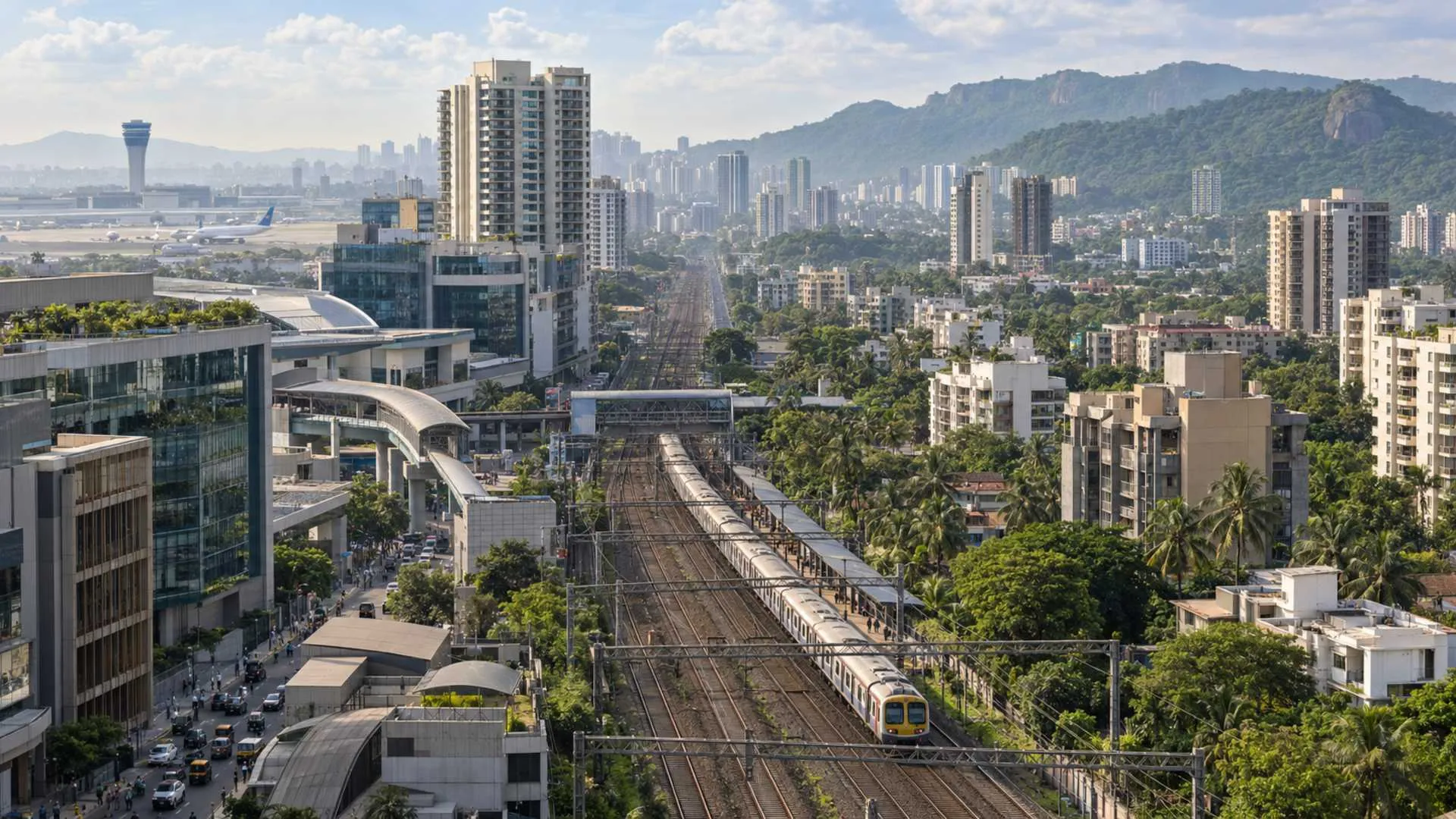
Connectivity remains one of the biggest factors in the Hinjawadi Phase 1, 2 and 3 property comparison for 2026.
Pune Metro Line 3 is planned as a 23.203 km elevated corridor with 23 stations connecting Hinjawadi with Shivajinagar, according to PMRDA. The authority says the project is intended to reduce congestion around Rajiv Gandhi IT Park and improve travel times and connectivity. (PMRDA)
That matters for property investors because improved public transport can widen the practical residential catchment around employment centres.
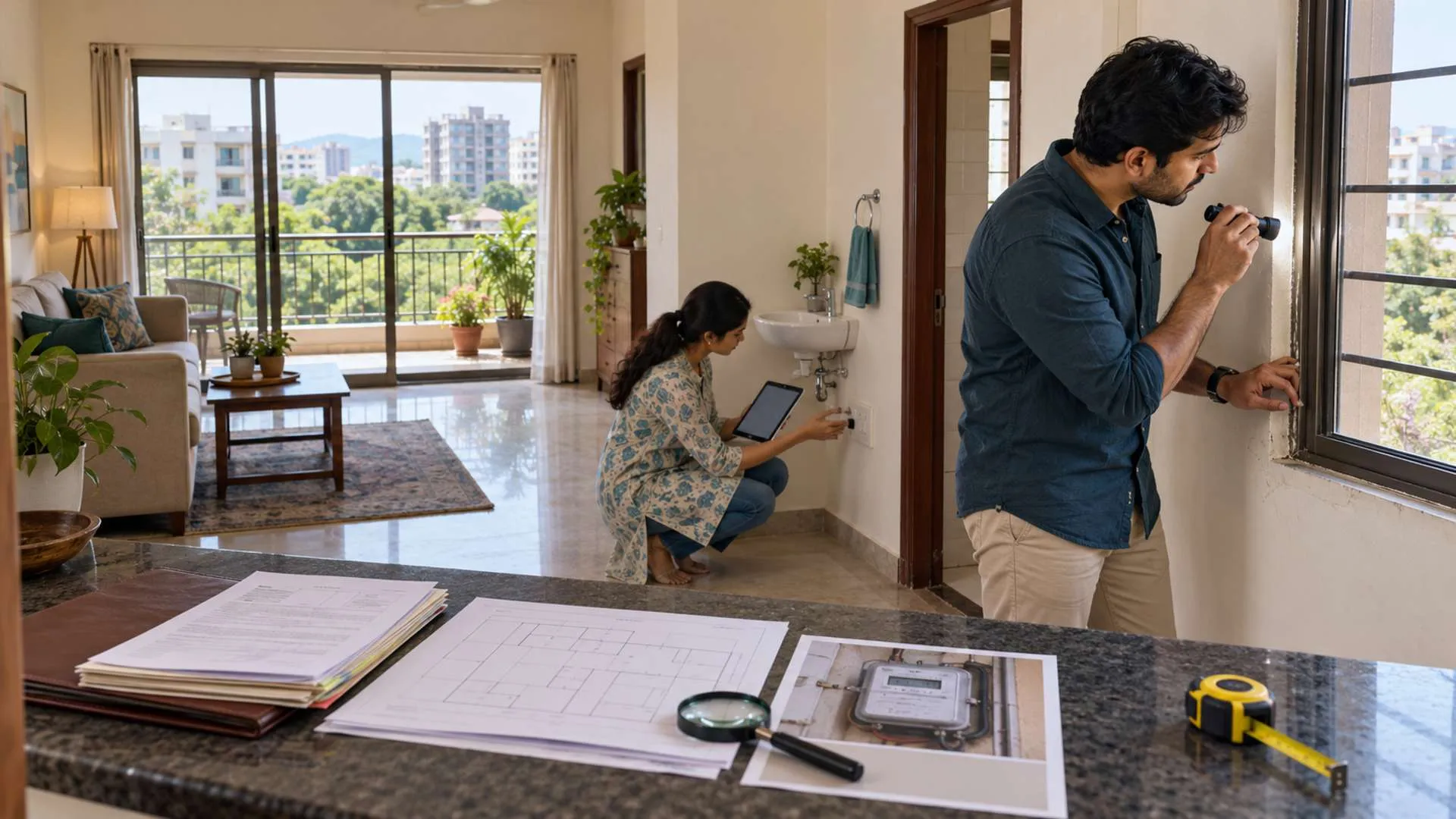
However, buyers should not purchase purely on a future-connectivity promise. The exact distance between a project and a metro station, road access, last-mile connectivity and current infrastructure matter just as much.
So, Which Hinjawadi Phase Should You Buy?
The answer depends on your objective:
| Buyer profile | Better fit |
| Maximum convenience and established amenities | Phase 1 |
| Balance of price, connectivity and liveability | Phase 2 |
| Lower entry price and long-term appreciation | Phase 3 |
| IT professional wanting shortest office commute | Phase closest to your workplace |
| Investor willing to wait for infrastructure-led growth | Phase 3 |
BeyondWalls similarly describes Phase 1 as the polished, rental-ready option, Phase 2 as the balanced buy and Phase 3 as the longer-term play. (BeyondWalls)
That distinction is useful because there is no universally “best” phase in Hinjawadi. The best property is the one where your budget, workplace and holding period intersect.

The Bottom Line
For immediate end-use, Phase 1 remains difficult to beat for convenience. Phase 2 may offer the most balanced proposition for buyers seeking affordability without moving too far from established infrastructure. Phase 3 is more suitable for buyers prepared to accept today’s infrastructure gaps in exchange for potentially stronger long-term appreciation.
Whether you are comparing Godrej Hinjewadi vs Kolte Patil Life Republic, Paranjape projects, VTP Realty projects near Hinjewadi, or newer developments around Maan, Marunji, Punawale and Tathawade, compare the project, not just the phase.
Looking for more Pune property insights before making your next move? Explore Chat RealtyConnect for location comparisons, market trends and homebuying guidance.