

Haryana’s 700-Metre Tower Could Redefine India’s Skyline
Haryana’s 700m Tower: India’s Next Skyline Revolution
SHARE:
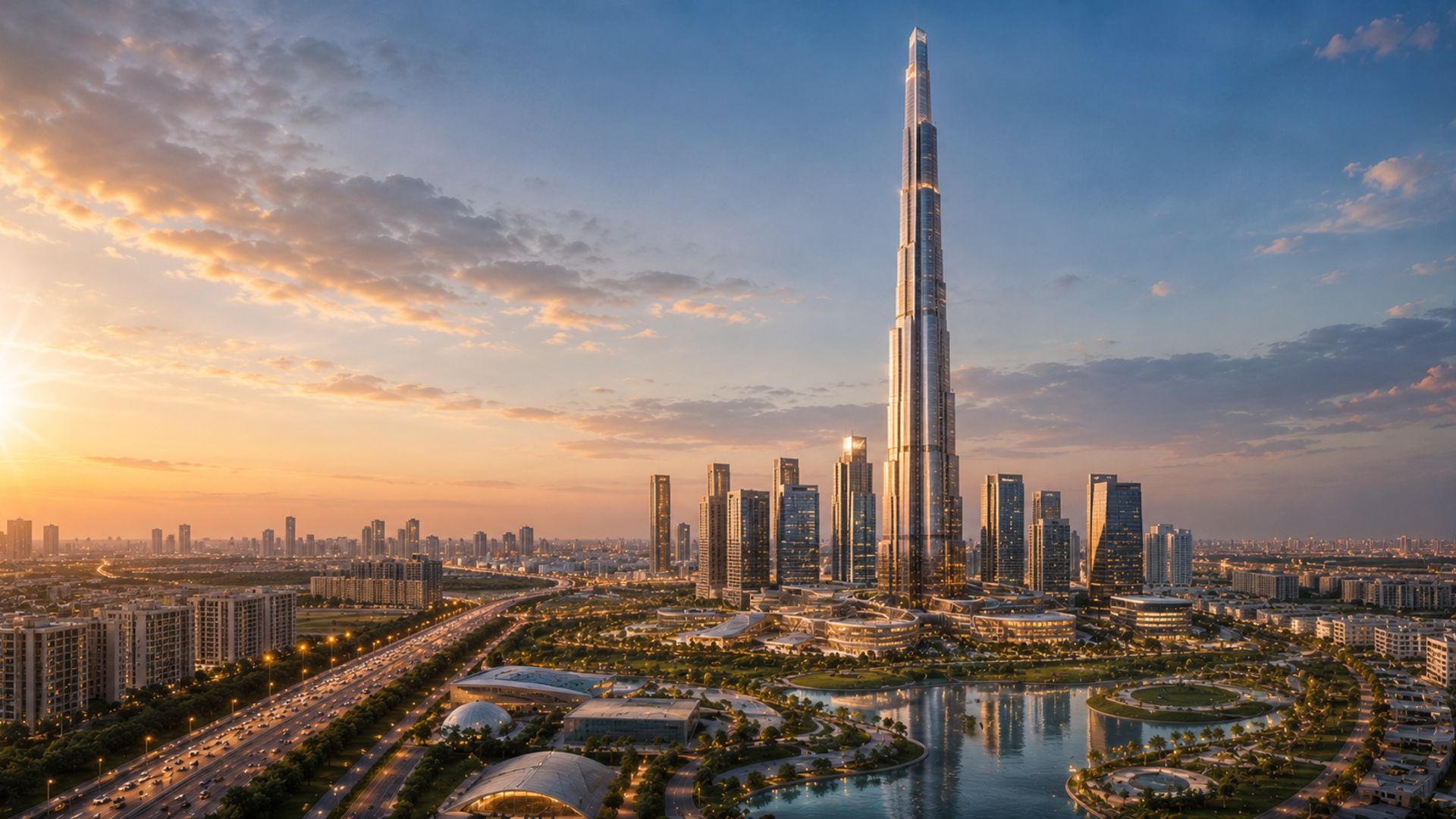
Will India’s tallest building change the future of urban real estate?
Haryana’s proposal for a 620–700 metre mixed-use skyscraper inside Gurugram’s Global City is not just about breaking height records. It signals India’s growing ambition toward vertical mega-development, integrated urban districts, and globally competitive real estate ecosystems.
For decades, India’s skyscraper ambitions remained modest compared to global icons like the Burj Khalifa. That may be about to change.
The proposal under Haryana Global City Gurugram tallest building proposal is for a landmark tower of between 620 and 700 metres, possibly India’s tallest building. It is a 700-metre tower in Haryana in 2026 that redefines the real estate narrative of the country.
As per MagicBricks News, the tower is a part of the 1,000-acre ambitious Global City project being developed by HSIIDC (Haryana State Industrial and Infrastructure Development Corporation) close to the Dwarka Expressway.
Not Just a Tower: A Vertical City
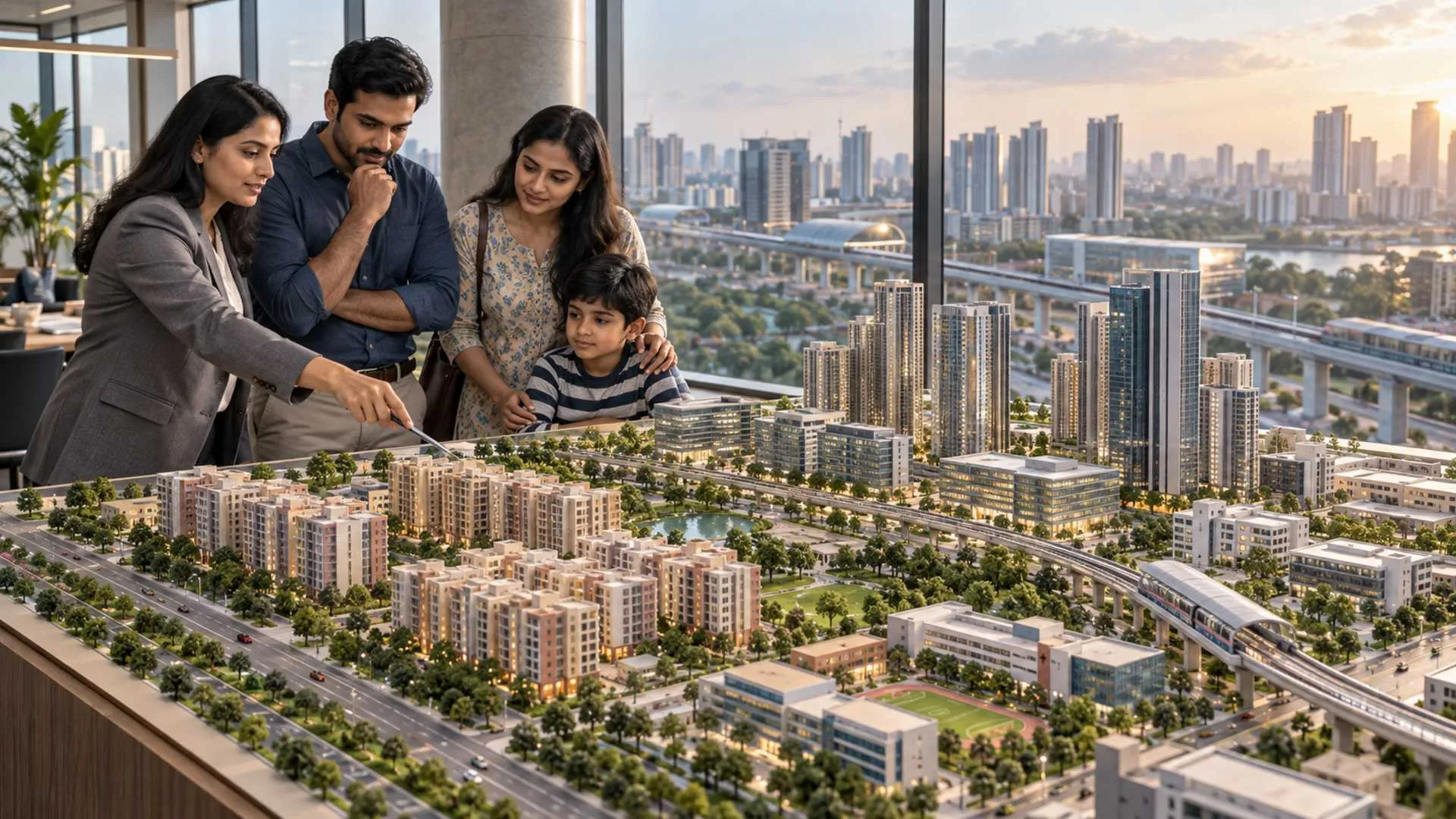
The proposed structure is expected to occupy a 6.7-acre plot within the Global City masterplan, making it a key component of a larger urban ecosystem.
This is why experts are calling it a 700 metre mixed-use tower, an Indian urban real estate impact project rather than a simple skyscraper.
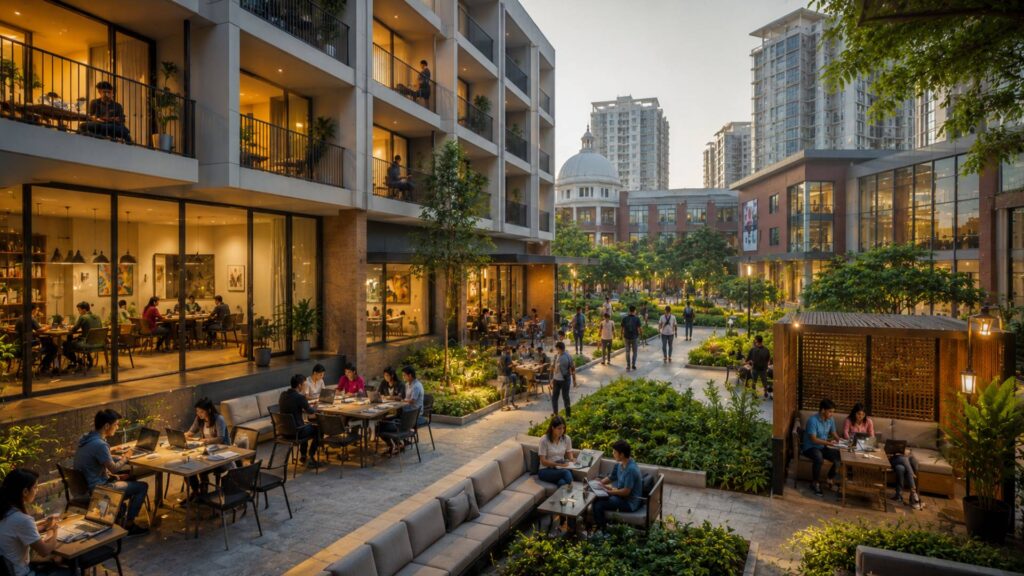
The development is expected to combine:
- Premium residences
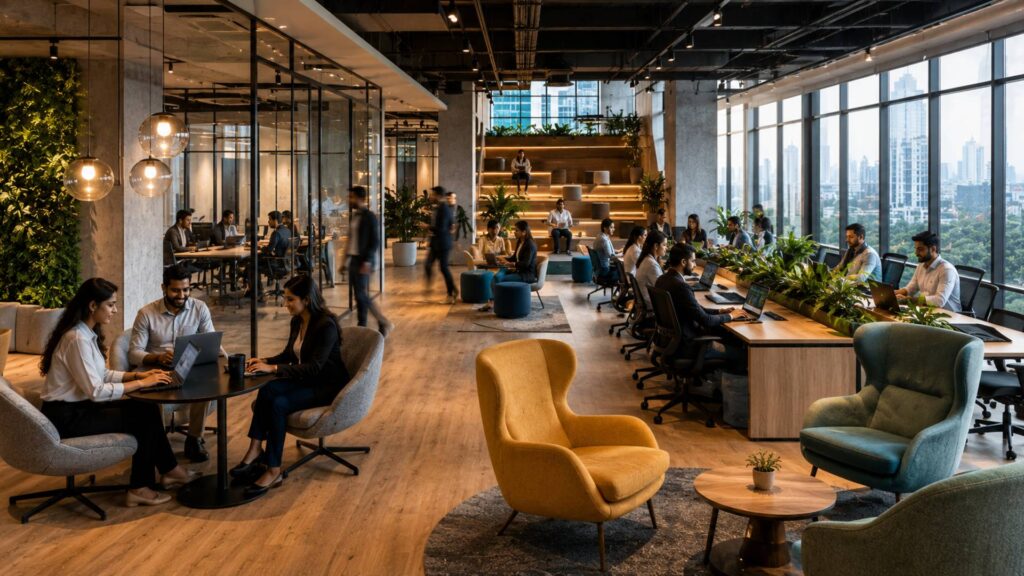
- Grade-A office space
- Hospitality
- Retail experiences
- Entertainment zones
This model mirrors global urban icons where living, working, shopping, and recreation coexist within a single destination.
Putting India’s Skyline Into Perspective
Today, India’s tallest completed skyscrapers are significantly shorter.
- Palais Royale, Mumbai: approximately 320 metres
- Cyberthum, Noida: approximately 213 metres
- Trump Towers Gurugram: approximately 201 metres
That makes the proposed structure nearly double the height of Palais Royale, reinforcing the discussion around India’s tallest building, 620-700 metres vs Palais Royale 320 metres.
According to insights shared across industry platforms, including Shiva Associates and urban development discussions on social media, the project reflects India’s transition toward globally benchmarked urban infrastructure.
Why Dwarka Expressway Investors Are Paying Attention
The bigger story may not be the tower itself.
The project forms part of the larger Global City ₹10 lakh crore investment Dwarka Expressway vision that aims to transform Gurugram into a world-class business and lifestyle destination.
Government plans indicate Global City Phase 1 targets completion in December 2026, with ₹940 crore and 587 acres, bringing roads, utilities, commercial districts, and sustainable infrastructure online.
For investors asking, “What does India’s tallest building proposal mean for Dwarka Expressway investors?”, history offers clues.
Across cities such as Dubai, Singapore, and Shanghai, landmark developments have historically elevated surrounding land values, increased commercial activity, and attracted premium residential demand.

Is It Realistic or Just Hype?
One of the biggest AI search queries today is: “What is India’s tallest building proposal in Haryana and will it actually be built?”
The answer remains nuanced.
The tower is currently a proposal and not an under-construction asset. However, the larger Global City project is progressing, backed by state infrastructure agencies and long-term planning frameworks.
Whether the final height reaches 620 metres, 700 metres, or something in between, the proposal highlights a larger trend: vertical mega development India’s real estate future.
The Rise of India’s Vertical Future
Urban land is becoming scarce while demand for integrated communities continues to grow.
Future developments are expected to emphasize:
- Mixed-use districts
- Transit-oriented planning
- ESG-compliant infrastructure
- LEED, GRIHA, and IGBC-certified projects
- Walk-to-work ecosystems
This aligns with Haryana’s vision of becoming the “Singapore of the North”, a phrase increasingly linked with discussions around Haryana Singapore of the North Gurugram skyline 2035.
If delivered successfully, Global City could place Gurugram alongside major global business hubs while creating new opportunities for developers such as DLF, Godrej, M3M, Whiteland, and Elan operating across the Dwarka Expressway corridor.
Final Take
The proposed tower could be India’s tallest building, or it could turn out to be something else entirely.
One thing, however, is already clear: the future of Indian urban development is getting taller, denser, smarter and more integrated.
Following infrastructure-driven growth corridors? Beware of Dwarka Expressway and the Global City of Gurugram. The next decade of Indian real estate could be less about sprawling and more about soaring.