

India’s Recent Land Deals Unlock ₹16.67 Lakh Crore Development Opportunity
SHARE:
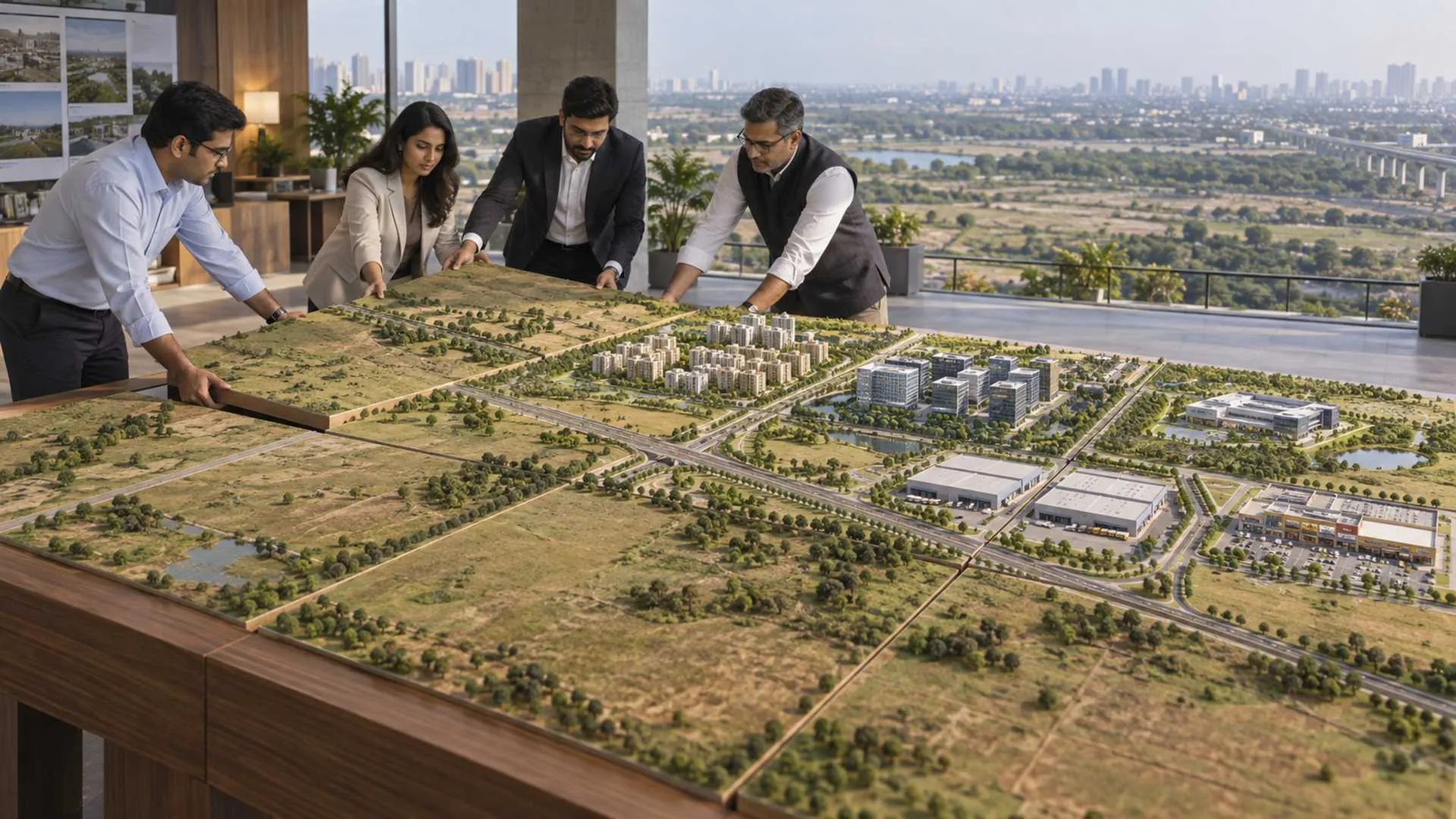
India’s biggest property story may be unfolding before the first foundation is laid. Land deals completed between 2021 and Q1 2026 could support around 1.4 billion sq ft of future development, indicating where developers and institutional investors see the next phase of urban growth.
The numbers are stark. The Cushman & Wakefield analysis covered 18,158 acres transacted in 880 deals in 33 cities. The potential revenue from developing this land was pegged at $176 billion or about Rs 16.67 lakh crore.
This is an indication of future revenue potential, not current land market value, confirmed construction, or assured developer sales.
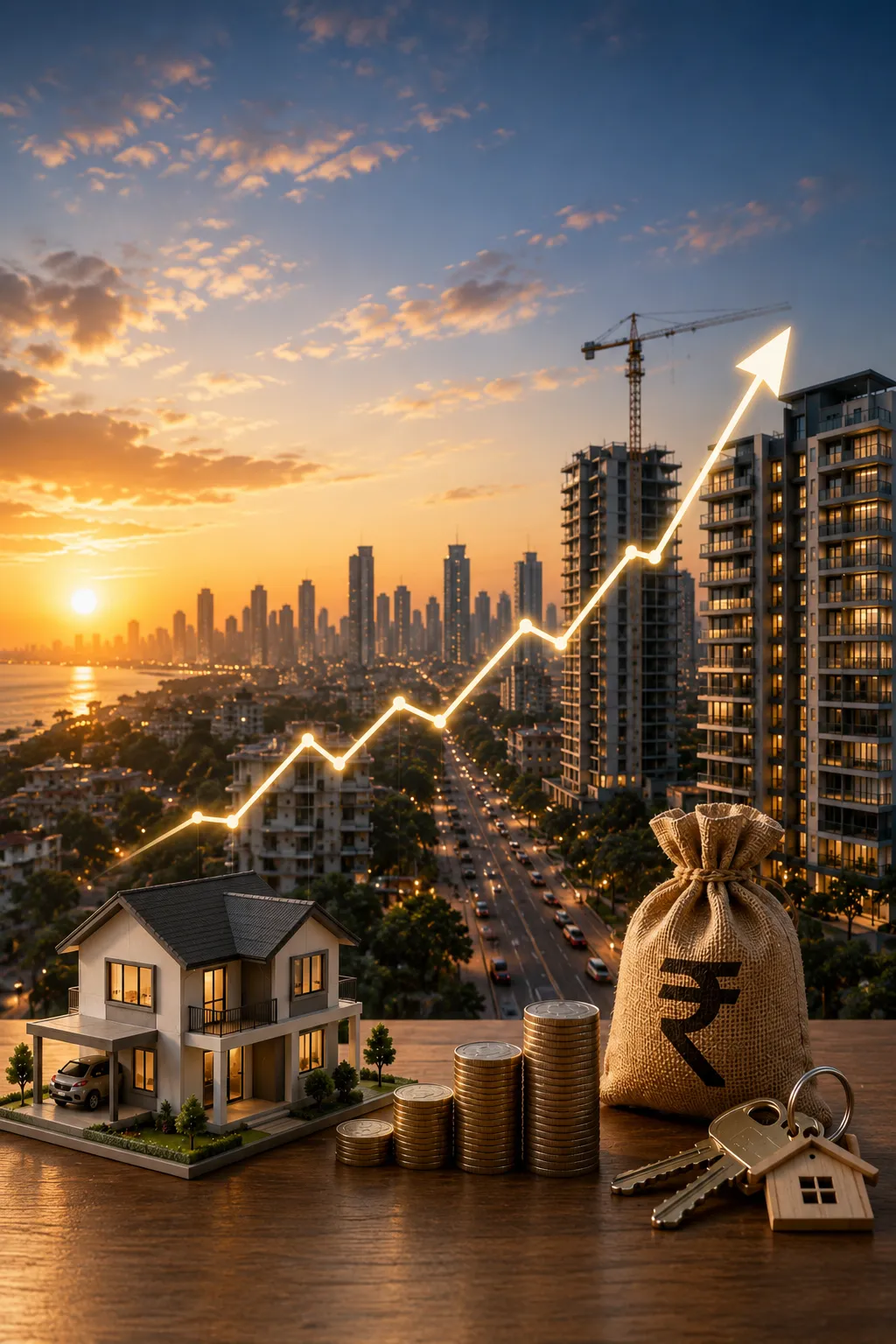
Can Land Investment in India Turn ₹40 Lakh Into ₹2 Crore?
It is mathematically possible for ₹40 lakh to become ₹2 crore, but no land purchase can guarantee a fivefold return. Such growth requires a well-chosen location, clear title, developable land use, improving infrastructure, sustained demand and a long holding period. Investors must independently verify zoning, access, ownership, acquisition risks and the legal ability to purchase the land.
The current institutional land-buying cycle shows confidence in India’s urbanisation story, but it does not confirm that every plot near a proposed airport, expressway or industrial corridor will appreciate.
A fivefold return means the property must rise by 400%. That outcome requires annual appreciation of approximately 17.5% over ten years, far above what buyers should assume as a standard return.
What India’s ₹16.67 Lakh Crore Land Pipeline Contains
According to The Economic Times, residential development represents the largest component of the identified potential.
The indicative land-use composition includes:
- Residential development: 55%
- Industrial and logistics: 16%
- Office development: 13%
- Remaining potential: data centres, retail and other uses
Annual transacted acreage increased from 813 acres in 2021 to 6,181 acres in 2025, representing a compound annual growth rate of approximately 66%. A further 1,194 acres changed hands during Q1 2026.
The headline India land deals ₹16.67 lakh crore development potential 2026 therefore captures a forward pipeline across several property categories. It should not be read as profit available to developers or retail landowners.
Tier-II Cities Are Taking a Larger Seat at the Table
Tier-I cities accounted for 71% of all transacted acreage between 2021 and Q1 2026. However, annual Tier-II activity climbed from just 16 acres in 2021 to 2,120 acres in 2025, raising its annual share to 34%.
These percentages refer to different measurement periods and should not be added together.
ETRealty reported that the average Tier-II transaction expanded from eight acres to 53 acres, while the Tier-I average declined from 21 acres to 10 acres. The availability of larger contiguous parcels is helping smaller cities accommodate townships, logistics parks and industrial developments.
Institutional interest can validate a growth corridor, but it can also mean that part of the expected infrastructure premium is already reflected in land prices.
How Are Developers Acquiring This Land?
Outright purchases continued to dominate, accounting for more than 60% of the acreage transacted during the study period. Joint ventures and joint-development agreements covered over 4,405 acres, while long leases and redevelopment transactions added further activity.
The growing use of partnerships allows a landowner to contribute the site while a developer supplies capital, approvals and execution capabilities. It can reduce the developer’s upfront acquisition burden, although landowners accept project, contractual and delivery risks.
For an individual buyer, an outright plot purchase and a developer’s joint-development deal are fundamentally different investments. A retail investor should not use an institutional transaction price as a direct valuation benchmark for a small plot nearby.
Where Should Retail Land Buyers Look and What Should They Check?
The best land to buy outside major Indian cities for future growth is not necessarily the cheapest. A credible opportunity should combine legal developability with actual demand.
Before considering land near Pune under ₹50 lakh, a YEIDA plot near the Yamuna Expressway, or peripheral land around Hyderabad, Chennai, or Bengaluru, verify:
- Ownership history, encumbrances and pending litigation
- Agricultural or non-agricultural status and purchaser eligibility
- Approved zoning and permitted development
- Survey boundaries and legal road access
- Acquisition, reservation or environmental restrictions
- Whether the infrastructure catalyst is funded and officially approved
Buying a flat may offer possession visibility, potential rental income and easier financing. Land can provide flexibility and stronger appreciation in the right corridor, but it may remain vacant, illiquid and income-free for years. The land-versus-apartment investment decision in India in 2026 ultimately depends on risk tolerance, cash-flow needs and holding capacity.
The Bigger Message for India’s Property Market
India’s 18,158 acres of recent land transactions represent a significant future order book for housing, offices, logistics, retail and data centres. They also show that institutional property expansion is moving beyond established metropolitan cores.
For retail buyers, however, the lesson is not simply to search for “cheap land near Mumbai” or “cheap land near Pune.” Follow legally confirmed infrastructure and employment demand, but never let a future-growth story replace title and zoning checks.