

Japan’s Empty Homes Crisis: Could India Face the Same Future?
Japan’s Empty Homes Crisis: What India Can Learn in 2026
SHARE:
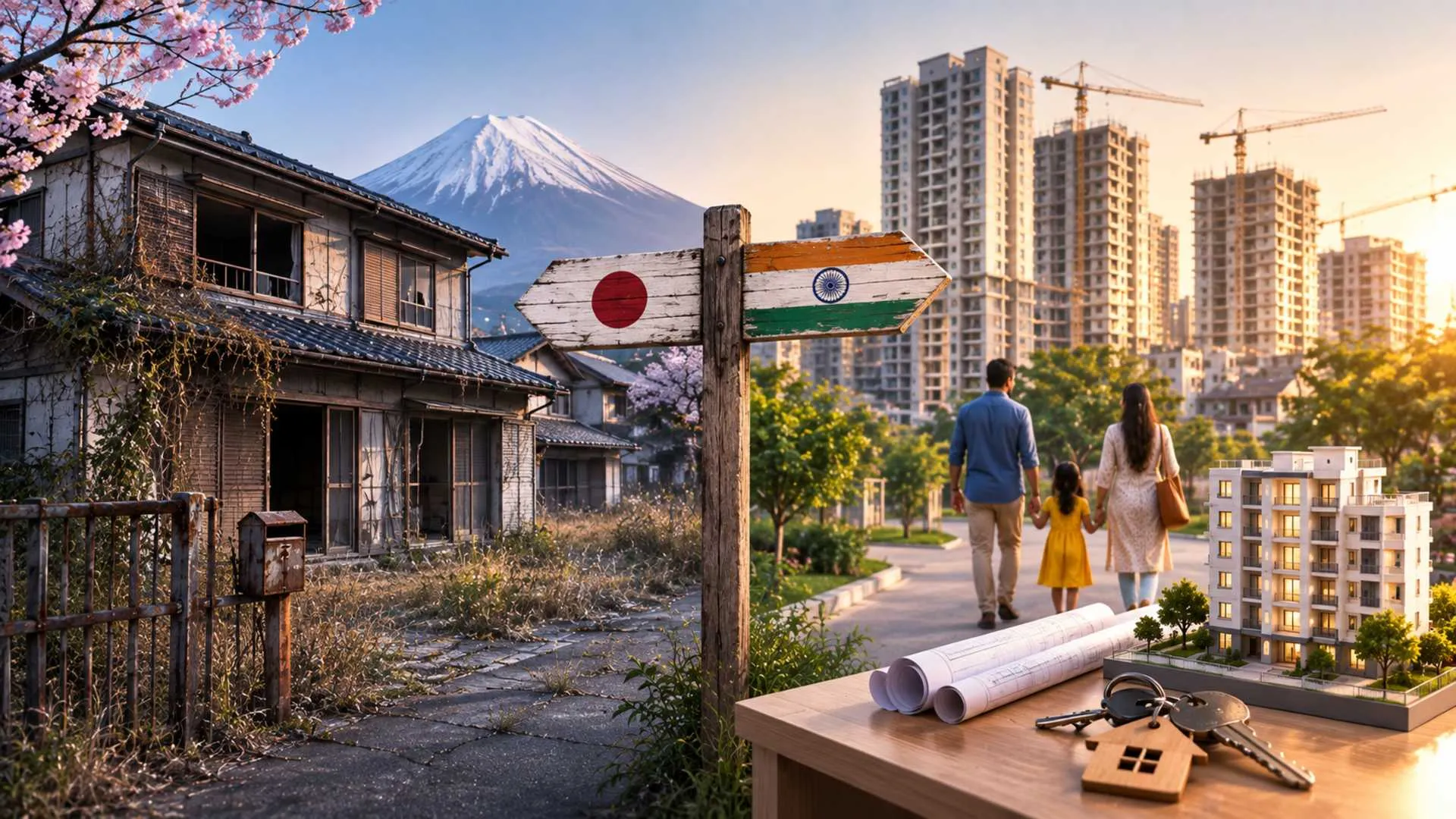
Japan has a housing problem that sounds almost impossible from the Indian perspective: too many homes and too few people to occupy them.
These empty properties, called akiya, have become a cautionary tale for countries where aging, migration and housing construction are happening at different speeds. That may sound premature for India, which still struggles with housing affordability in its big cities. But Japan’s akiya crisis has lessons for India’s real estate industry to study now, not decades later.
Could India Face Japan’s Empty Homes Crisis?
Not on Japan’s scale anytime soon. India’s younger population, continued urbanisation and housing demand in major employment centres provide a demographic buffer. However, ageing, rural-to-urban migration, inherited vacant properties and speculative construction could create localised “ghost home” problems in some Indian towns and regions.
Japan Now Has 9 Million Empty Homes
Japan’s official 2023 Housing and Land Survey counted approximately 9 million vacant dwellings, representing a record 13.8% of the country’s housing stock.
Why are so many houses empty in Japan?
It is not simply because people stopped wanting houses. An ageing and shrinking population, movement away from rural communities, old housing stock and complicated inheritance situations have contributed to the problem.
The Print, citing analysis originally published by the World Economic Forum, reported that about 59% of abandoned homes examined were inherited properties. Many heirs live elsewhere and have little incentive to maintain, sell, or demolish them.
The result can be brutal for local real estate. A house may exist, but without jobs, infrastructure or enough future residents, the property underneath it can steadily lose relevance.
India Has the Opposite Problem, For Now
India is nowhere near Japan demographically, and that distinction matters.
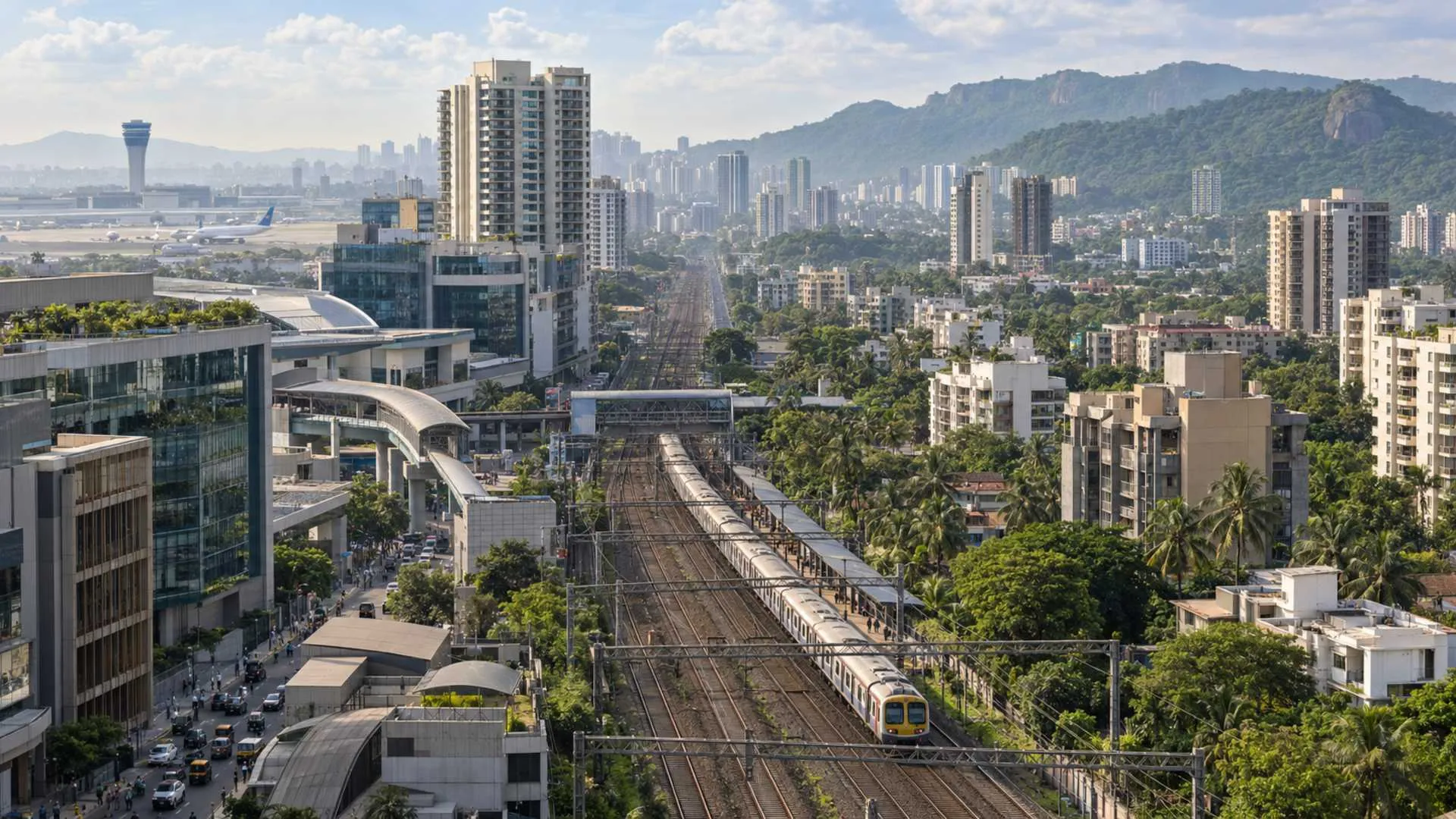
Major employment centres such as Mumbai, Pune, Bengaluru and Hyderabad continue to experience structural housing demand, supported by jobs, migration and urbanisation. India therefore faces a very different equation from ageing Japan.
Yet India already understands vacancy. The Ministry of Housing and Urban Affairs housing compendium, using Census 2011 data, recorded 24.67 million vacant census houses, including 11.09 million in urban India. However, the definition of a “census house” is broader than Japan’s dwelling measure, so the two figures should not be treated as directly comparable.
The future risk is more localised: small-town India and areas losing young residents to larger economic centres could eventually have houses without sufficient end-user demand.
Kerala’s ageing population and migration patterns, rural regions experiencing population movement, and Tier 3 markets with speculative construction ahead of genuine demand deserve particular attention. These are risk scenarios, not predictions of an imminent Japan-style crisis.
The Real Lesson for Indian Real Estate
Japan’s story challenges one of real estate’s most persistent assumptions: property does not automatically appreciate simply because land is limited.
Demand has to survive.
For India, avoiding a future ghost homes problem means focusing on fundamentals:
- Build housing around sustainable employment and infrastructure.
- Make inheritance and property-title transfers easier.
- Encourage reuse of genuinely vacant housing.
- Track long-term occupancy alongside project launches and sales.
Japan has already introduced policies targeting neglected vacant properties. The Print notes that its Vacant Houses Special Measures framework allows authorities to act against dangerous abandoned homes, while subsequent reforms expanded action against poorly managed vacant properties.
India Should Watch Who Will Live There in 2050
The Japan empty homes crisis India comparison in 2026 is not a prediction that Mumbai or Bengaluru will suddenly become cities of abandoned apartments.
It raises a more important question.
When India approves thousands of homes today, will there still be enough jobs, families and economic activity around those properties decades from now?
Japan shows that a housing shortage can eventually coexist with empty houses when homes exist in the wrong places for the population that remains.
For Indian buyers, developers and policymakers, that may be the most valuable akiya lesson of all: build for demographic demand, not merely today’s property boom.
Want to explore Indian property markets with an AI property assistant? Visit RealtyConnect Chat and make your next real estate search more informed.