

Monsoon-Proof Interiors for Mumbai and Pune Apartments
Monsoon-Proof Interiors for Mumbai & Pune Apartments
SHARE:
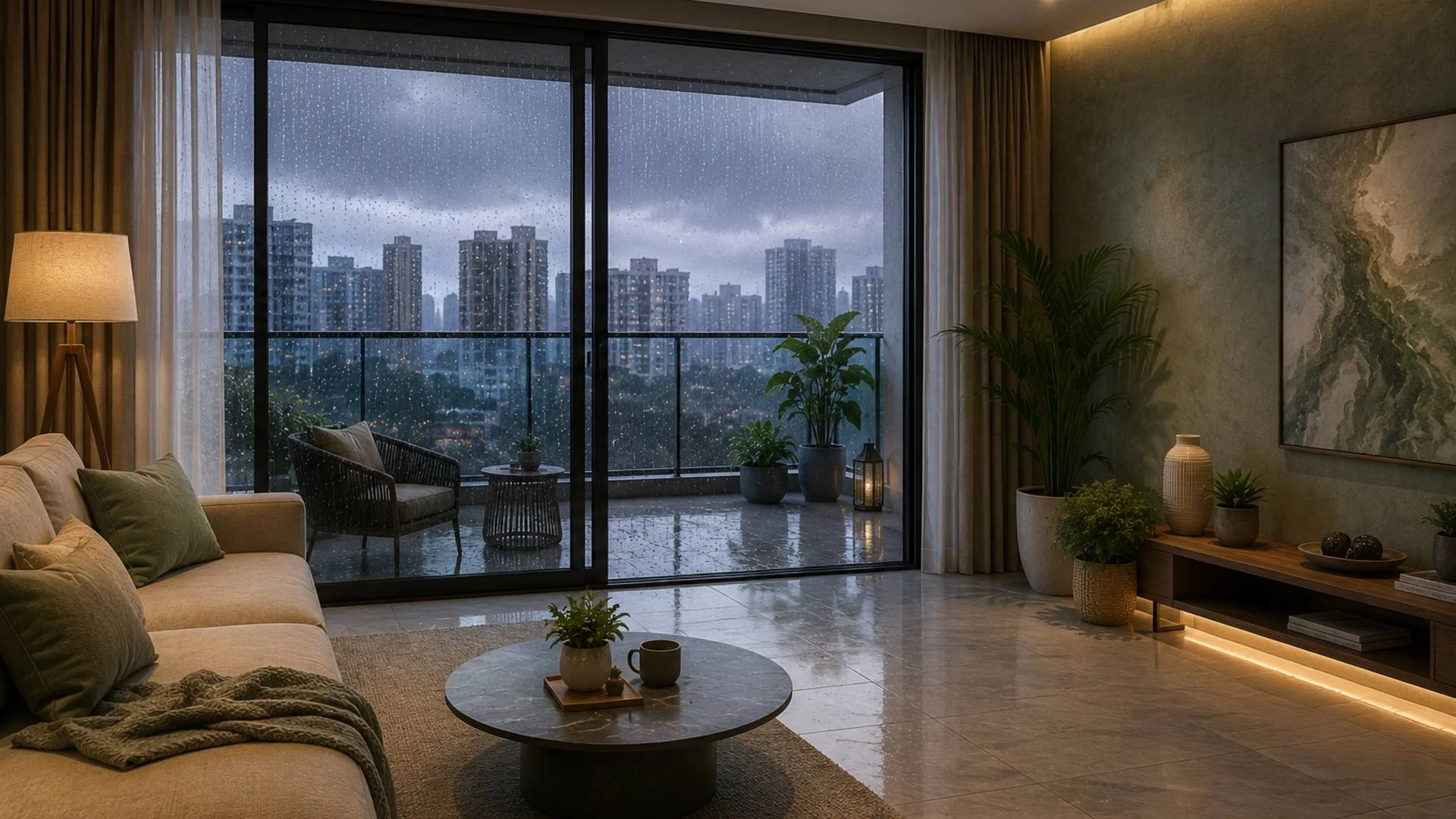
How can you monsoon-proof apartment interiors in Mumbai and Pune?
The best way to create monsoon proof interiors Mumbai Pune apartments in 2026 is by combining anti-humidity finishes, mould-resistant paints, moisture-wicking flooring, and proper window sealing. These upgrades help prevent damp walls, mould growth, and moisture damage during heavy monsoon seasons.
Mumbai- Pune apartment Owners can finally breathe a sigh of relief as monsoon season has started. No more high heat and sweaty days to deal with. But on the other hand, there’s one nemesis that apartment owners in Mumbai and Pune cannot tolerate at any cost, and that nemesis is humidity.
Damp walls, chipped paint, mould on the walls and swollen flooring; everything that once was your decor can soon be an eyesore to your beautiful apartment.
The newest monsoon interior design trends in Mumbai and Pune 2026 are more about picking practical solutions for high moisture and to protect the interior of your home.
Choose Finishes That Fight Dampness
Experts from Leinos and Studio MAVI recommend anti-humidity finishes and waterproof wall systems to reduce the sweating wall phenomenon and black mould commonly seen during monsoons.
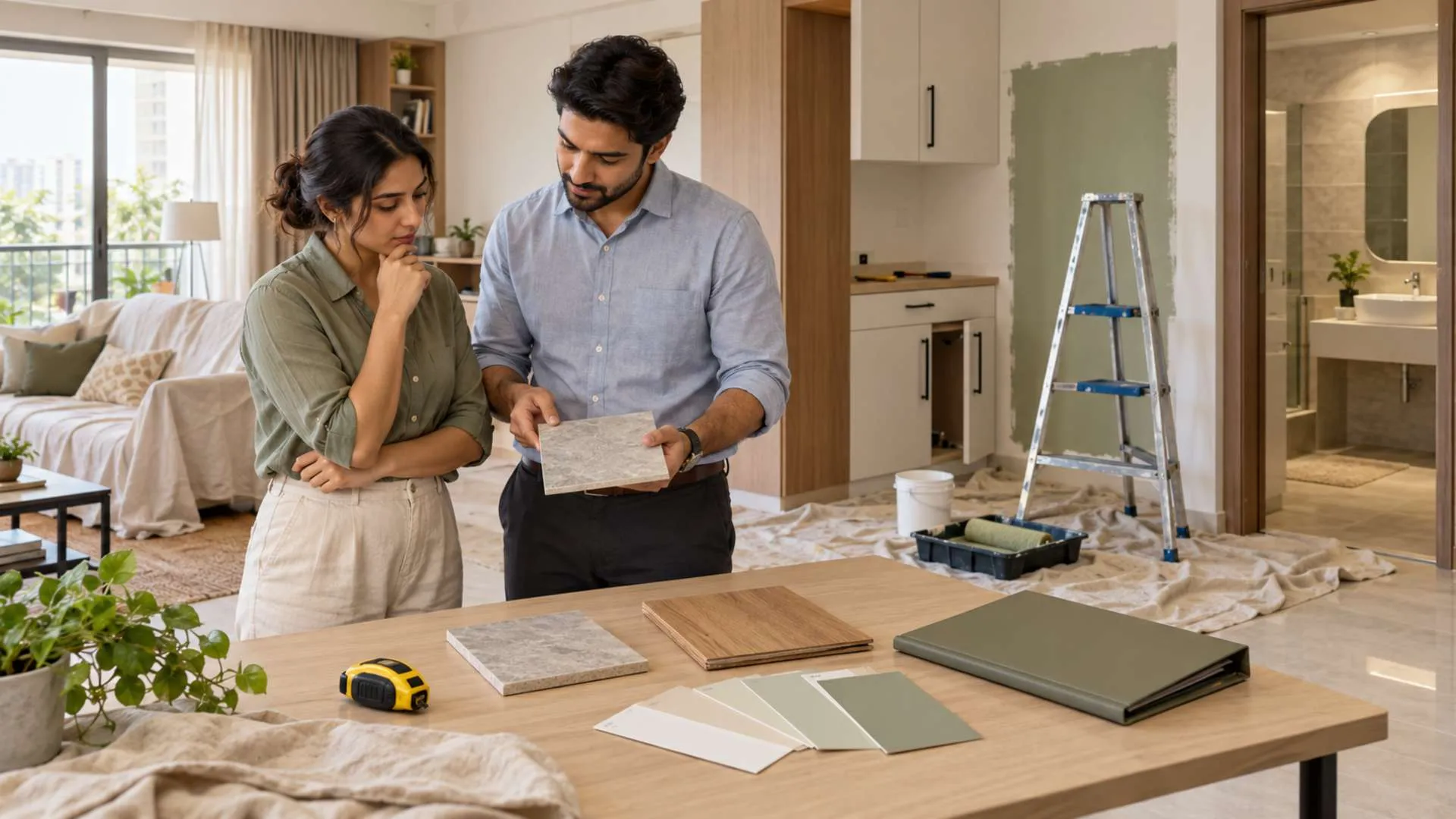
For added protection, homeowners are opting for waterproof interior coatings such as Asian Paints SmartCare Hydroloc waterproof emulsion, along with antifungal primers and acrylic emulsions. Paint ranges from brands including Asian Paints, Berger, and Nerolac also offer mould-resistant solutions suitable for humid climates.
Flooring Matters More Than You Think
Flooring is equally important when selecting moisture-wicking flooring for Indian apartments in the monsoon.
According to Decorpot and Construction Managers India, vitrified tiles remain one of the best monsoon flooring choices due to their near-zero moisture absorption, durability, and easy maintenance. Natural stone and porcelain tiles are also reliable options.
If homeowners prefer a wooden finish, experts recommend engineered wood flooring with a moisture barrier instead of conventional hardwood. WPC and SPC flooring have also gained popularity for their water-resistant performance in Mumbai and Pune apartments.
Small Upgrades, Big Protection
Simple improvements can significantly reduce moisture-related damage:
- Install weatherstrips and silicone sealants around windows and doors.
- Use dehumidifiers, silica gel packs, or charcoal sachets inside wardrobes.
- Improve ventilation to prevent condensation and mould formation.
- Inspect balconies and window joints before the rainy season begins.
These preventive measures can extend the life of both interiors and furnishings.
A Smarter Approach to Monsoon Living
Interior designers across Mumbai, Andheri, Powai, Thane, Pune, Baner, Kharadi, Hinjewadi, and Wakad are increasingly recommending moisture-resistant materials as a standard feature rather than an upgrade. Reports from Greenply and Birla Opus suggest that investing in moisture-resistant panels and premium interior coatings can reduce long-term maintenance costs while preserving indoor air quality.
Today’s monsoon-ready home isn’t just stylish; it’s built to stay dry, healthy, and durable through every rainy season.
Stay connected with RealtyConnect for expert space-planning ideas, interior design trends, and smart home solutions that make every season more comfortable.