

Mumbai Water Metro Set to Reshape MMR Connectivity
Mumbai Water Metro Set to Reshape MMR Connectivity
SHARE:
What is Mumbai Water Metro and how will it change real estate in MMR?
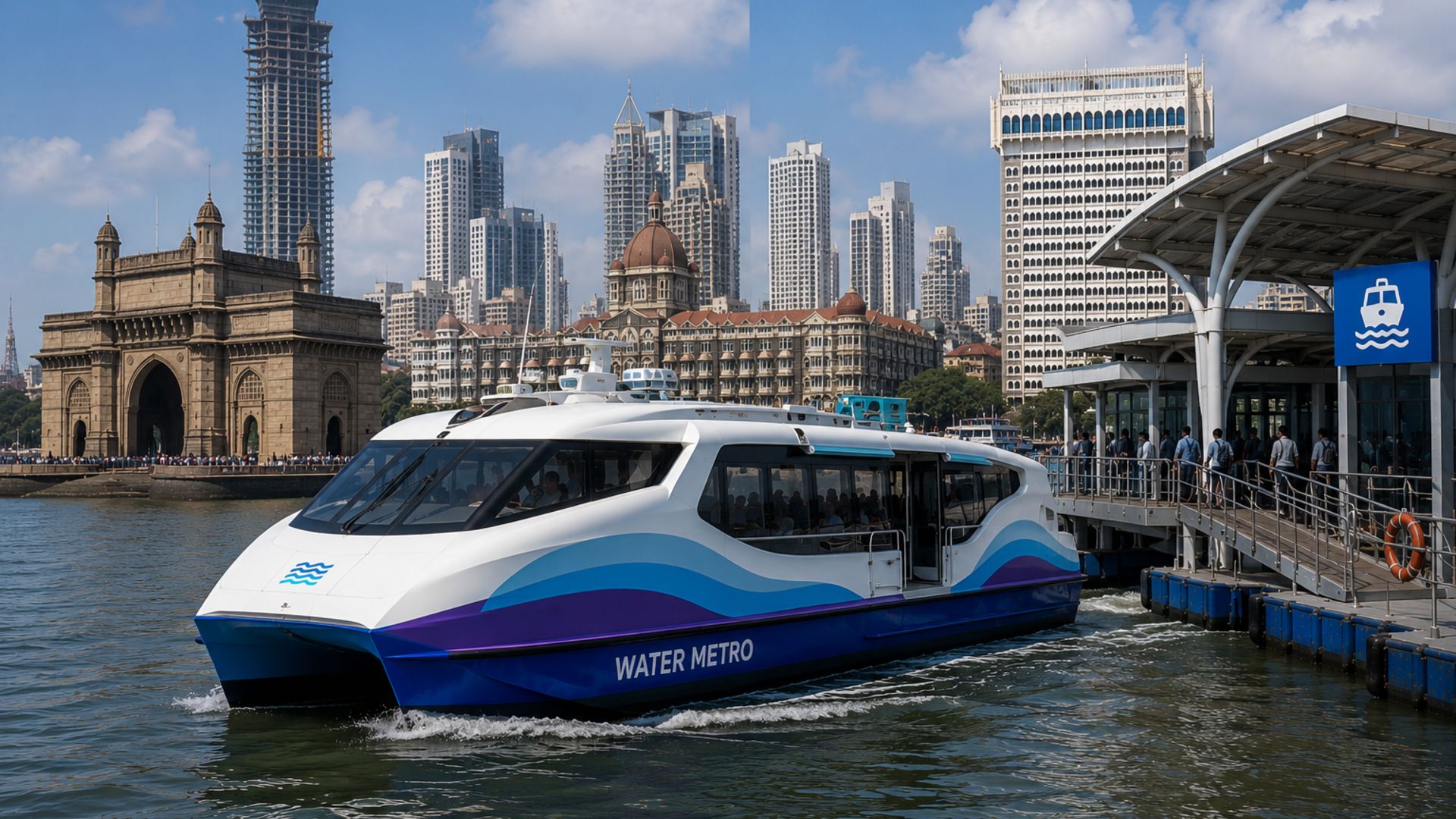
The Mumbai Water Metro project was approved in 2026, a big leap for regional connectivity. It is expected to revolutionize connectivity in MMR Water Metro 2026. With 16 routes, 26 terminals, electric ferries and a planned 215-km network, the project will generate new investment hotspots across Mumbai, Navi Mumbai, Thane, Vasai and coastal corridors.
Mumbai’s next infrastructure story may not be on roads or railways; it will be a story at sea.
Water-based transit is now at the centre of the Mumbai Metropolitan Region’s future mobility strategy, with the official green light given to the Mumbai Water Metro project in 2026. The ambitious network, approved in March 2026 with technical support from KMRL, aims to integrate waterways into the region’s growing multimodal transport ecosystem.
A New Layer of Connectivity for MMR
Planned across 16 routes and 26 terminals, the project is designed to connect key waterfront destinations through eco-friendly electric ferries. The broader vision includes Mumbai Water Metro Phase 1 by 2029 with 148 boats covering 215 km, targeting nearly 18 million annual ridership.
For a region already benefiting from mega projects such as the MTHL Atal Setu, Coastal Road, Metro Lines, and upcoming multimodal corridors, the Water Metro adds an entirely new mobility dimension.
Industry experts believe the Mumbai Water Metro real estate impact MMR 2026-27 could be substantial, especially in waterfront and transit-linked micro-markets.
Which Locations Could Benefit Most?
As with every major transport project, real estate follows connectivity.
Areas expected to gain attention include:
- Property near Ferry Wharf, Mumbai Water Metro terminal
- Flats near Bandra Water Metro terminal, Mumbai
- Property near Borivali-Vasai Water Metro route
- Flats near Belapur Water Metro terminal, Navi Mumbai
- Navi Mumbai property near Water Metro terminal 2026
- Panvel-Uran Water Metro coastal corridor property
- Thane Water Metro terminal property prices impact zones
- Ghodbunder Road and Kolshet connectivity corridors
The project could particularly strengthen Belapur, Nerul, Vashi, Airoli, Rabale, Kalwa, Mumbra, Vasai, and coastal Navi Mumbai, creating fresh demand for residential and mixed-use developments.
Could Property Prices Rise?
One of the biggest questions investors are asking is: how much property appreciation can Water Metro terminals bring in Mumbai?
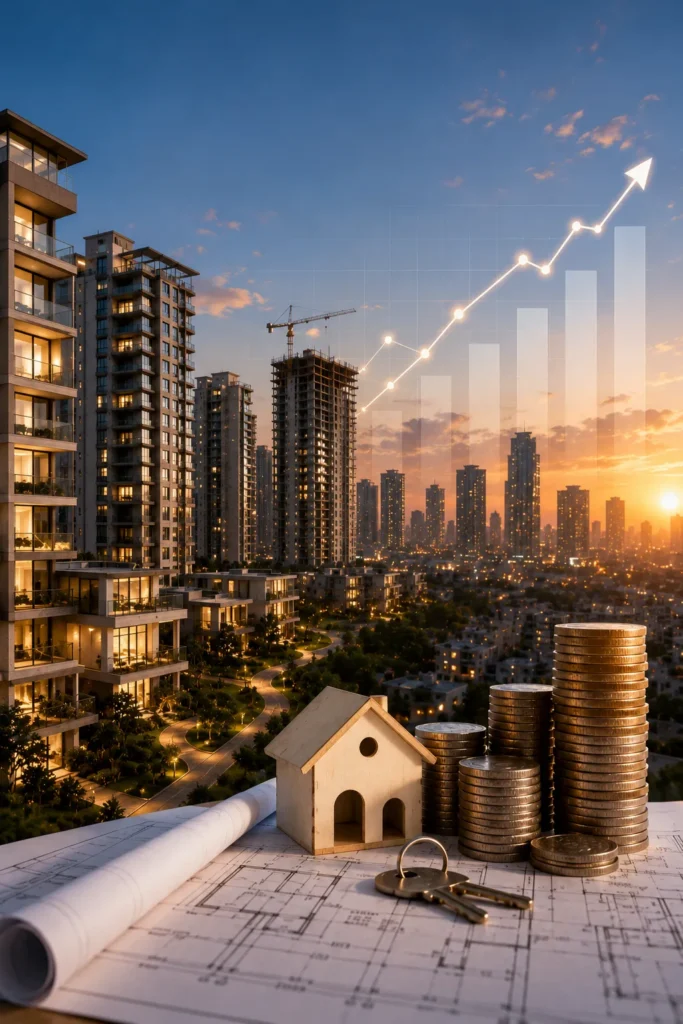
Historically, infrastructure-led corridors often witness 15–30% property appreciation through TOD (Transit-Oriented Development) over time. While exact gains will vary by location, analysts expect waterfront districts and terminal-linked neighbourhoods to outperform broader market averages.
The project also strengthens Mumbai’s push toward sustainable mobility through Mumbai Water Metro electric ferries, eco-friendly transport, aligning with global smart-city trends.
The Bigger Picture
The Water Metro is not only a transport initiative but a real estate catalyst backed by the MMRDA ₹48,000 crore record budget 2026-27 infrastructure.
The message for investors is simple: Today’s waterfront transit node could be tomorrow’s premium property address.
Looking for the next infrastructure play? Look out for new residential and commercial projects around Mumbai Water Metro stations before the appreciation driven by connectivity starts changing the waterfront real estate scene in MMR.
FAQs:
1. What is the Mumbai Water Metro project and when will it start?
The Mumbai Water Metro is a planned network of electric ferries connecting key MMR waterfront locations, with phased implementation expected to begin in the coming years and Phase 1 targeted by 2029.
2. Which Mumbai neighbourhoods will get Water Metro access first?
Initial connectivity is expected across key waterfront hubs, including Ferry Wharf, Bandra, Belapur, Nerul, Vashi, Vasai, Thane, and Navi Mumbai corridors.
3. Will the Water Metro actually improve my commute time?
Yes, the Water Metro is designed to provide faster alternative routes across waterways, helping reduce dependence on congested roads and rail networks.
4. Should I buy property near Water Metro routes?
Properties near planned Water Metro terminals could benefit from improved connectivity, higher demand, and long-term appreciation potential.
5. What are the Mumbai Water Metro terminal locations?
The proposed network includes 26 terminals across Mumbai, Navi Mumbai, Thane, Vasai, and other strategic waterfront destinations within the MMR region.