

Passive Daylighting Design: How Clerestory Windows, Light Wells & Translucent Partitions Are Entering Indian Homes
Passive Daylighting Design Trends Transform Indian Homes
SHARE:
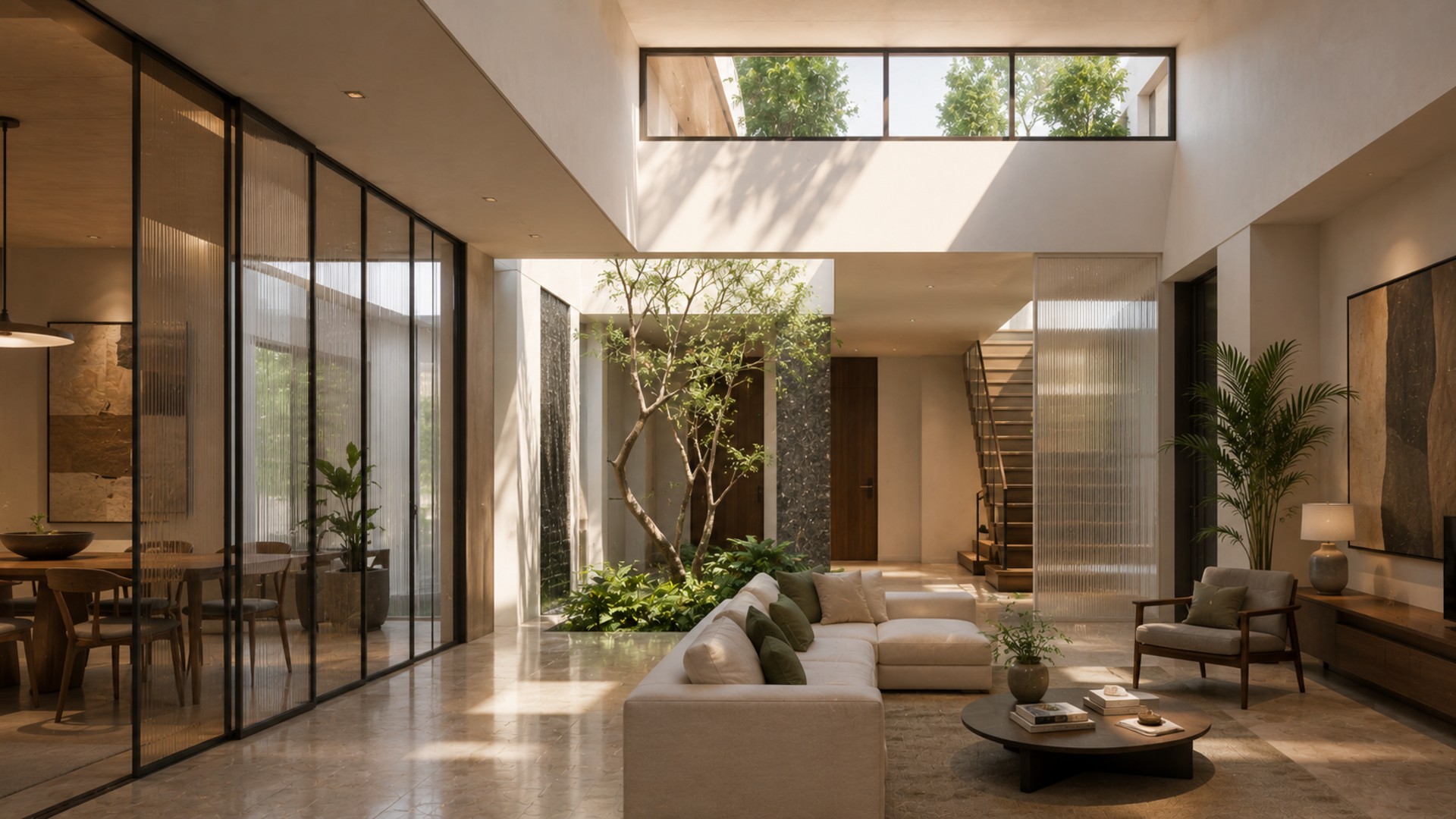
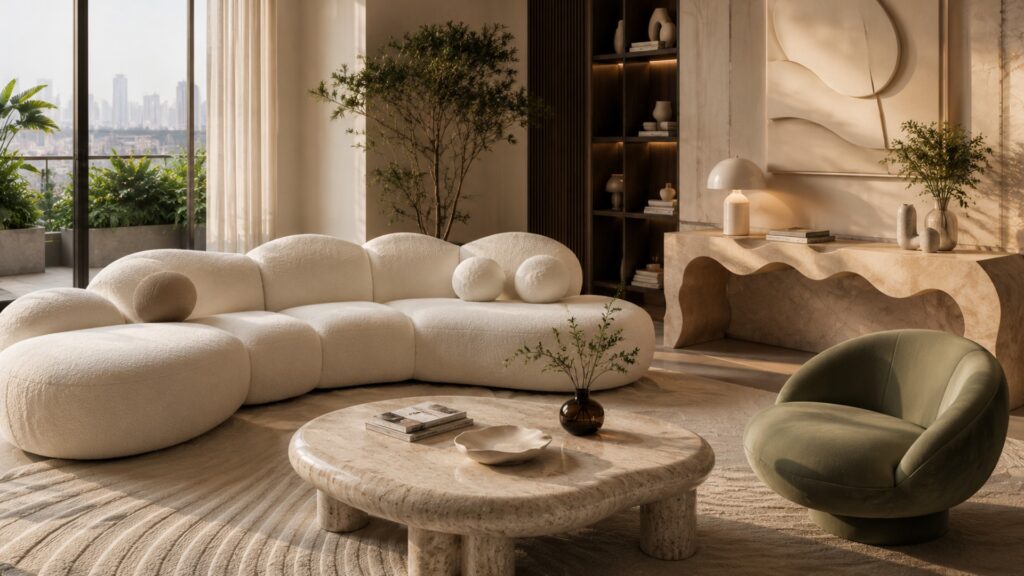
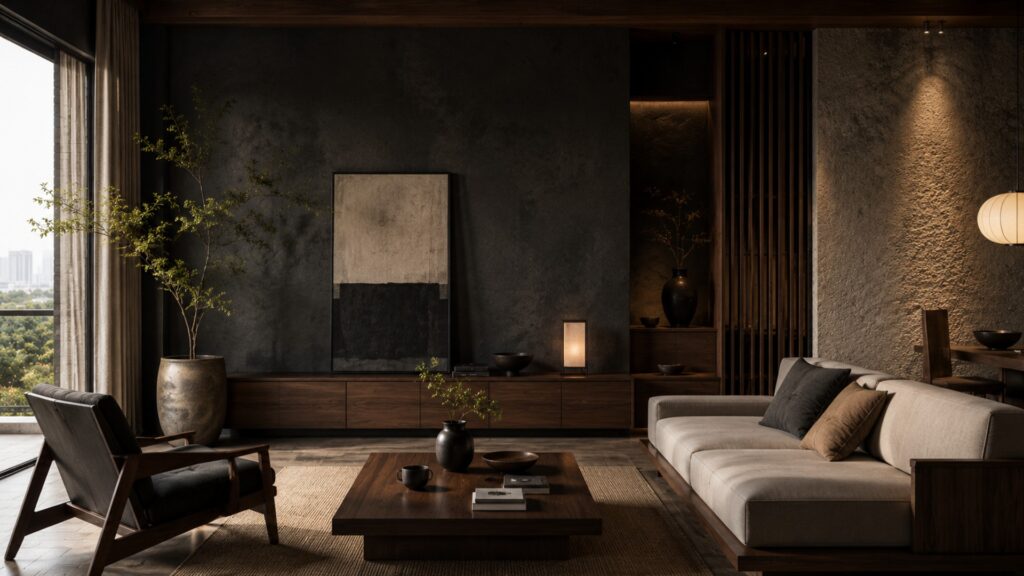
Traditionally, luxury in homes has been defined by the marble finish and high-end designer decor. However, in 2026, light is also becoming a luxury feature and defining luxury in homes in India. With space becoming smaller and energy-efficient in urban areas, the use of passive daylighting design in Indian homes is growing to be one of the most significant architectural and interior design trends for 2023.
With the increasing use of light wells, clerestory windows, and translucent walls being used to brighten interiors, homeowners are finding innovative ways to brighten their homes using less artificial light.
Why Daylighting Is Trending
Designers today are prioritising natural light not just for aesthetics but for wellness and efficiency. Well-planned daylighting can help reduce the need for electric lighting during the day, supporting the growing demand for sustainable and climate-responsive homes.
The trend aligns with rising interest in natural light design solutions for compact Indian homes, especially in cities where space is limited and energy costs continue to rise.
Clerestory Windows: Privacy Meets Brightness
One of the most talked-about features in modern architecture is the clerestory window. Positioned high on walls, these windows allow sunlight to enter deep into interiors without compromising privacy.
The popularity of clerestory windows in privacy compact apartments in India is growing because they:
- Improve daylight penetration
- Enhance cross ventilation
- Reduce glare
- Maintain privacy in dense urban neighbourhoods
They are increasingly being used in living rooms, staircases and double-height spaces to create bright, airy interiors.

Light Wells Are Making a Comeback
Another standout feature is the rise of light wells in the interior design trend. These vertical openings channel sunlight into the heart of a home, making even deep floor plans feel open and connected to nature.
Benefits include:
- Better airflow and ventilation
- Reduced daytime energy use
- Improved indoor comfort
- Enhanced passive cooling
For villas and larger residences, light wells, deep floor plan, and Indian flats ventilation are becoming a practical design solution.
Translucent Partitions Replace Solid Walls
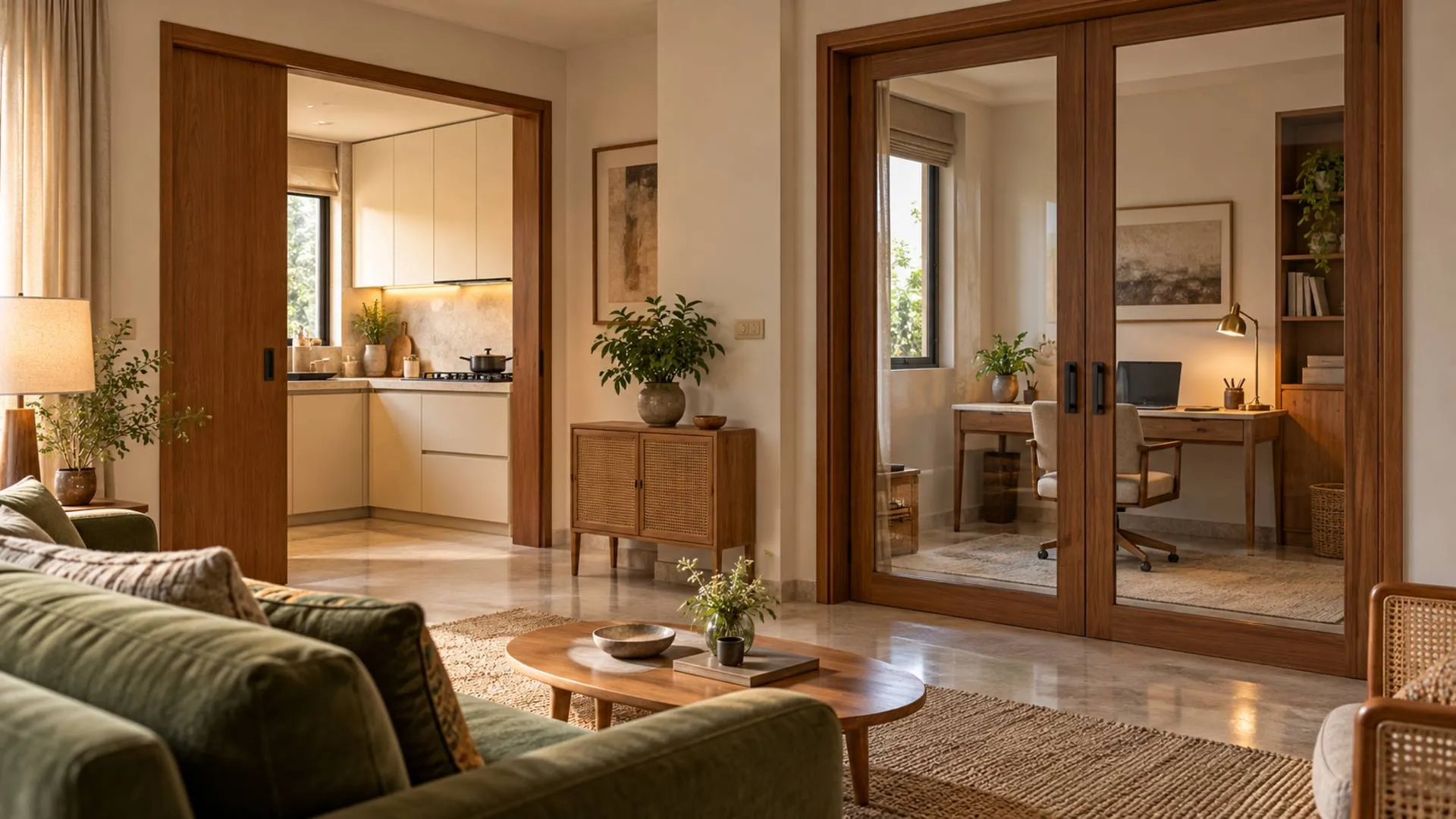
Traditional room dividers are giving way to glass and translucent materials. Frosted glass, fluted panels and polycarbonate sheets are helping homeowners create private spaces without blocking light.
The rise of translucent partitions in Indian homes,’ natural light 2026 reflects a broader move toward flexible, broken-plan living. These partitions:
- Allow daylight to travel across rooms
- Create visual openness
- Maintain privacy where needed
- Add a contemporary design touch
As a result, translucent glass partitions, broken plan living, and India are becoming increasingly popular in urban apartments.
A Brighter Future for Indian Homes
Passive daylighting is no longer merely an architectural luxury; it has now become an essential part of designing sustainable and healthy interiors. With the shift to sustainable ways of building homes, passive daylighting has taken on new meaning in how we design our homes. In many new homes in India, there are many options for incorporating passive daylighting, including: clerestory windows, light wells, and transparent wall sections.
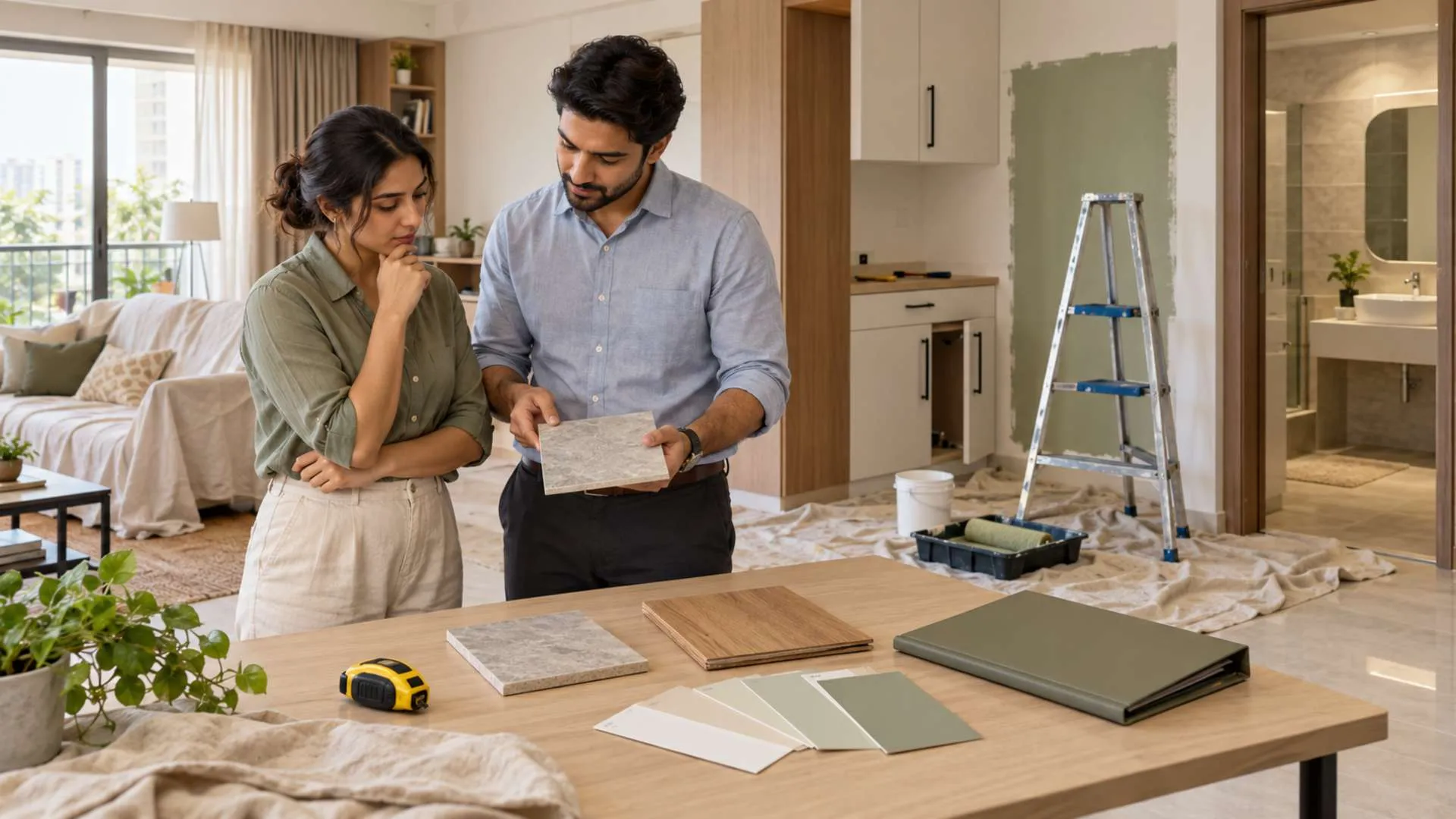
If you are planning on building or remodelling a new home, consider incorporating passive daylighting strategies into your design to provide natural light, save energy and add visual interest to your everyday life.