

Vernacular Revival Reshapes India’s Luxury Homes in 2026
Vernacular Revival Reshapes India’s Luxury Homes 2026
SHARE:
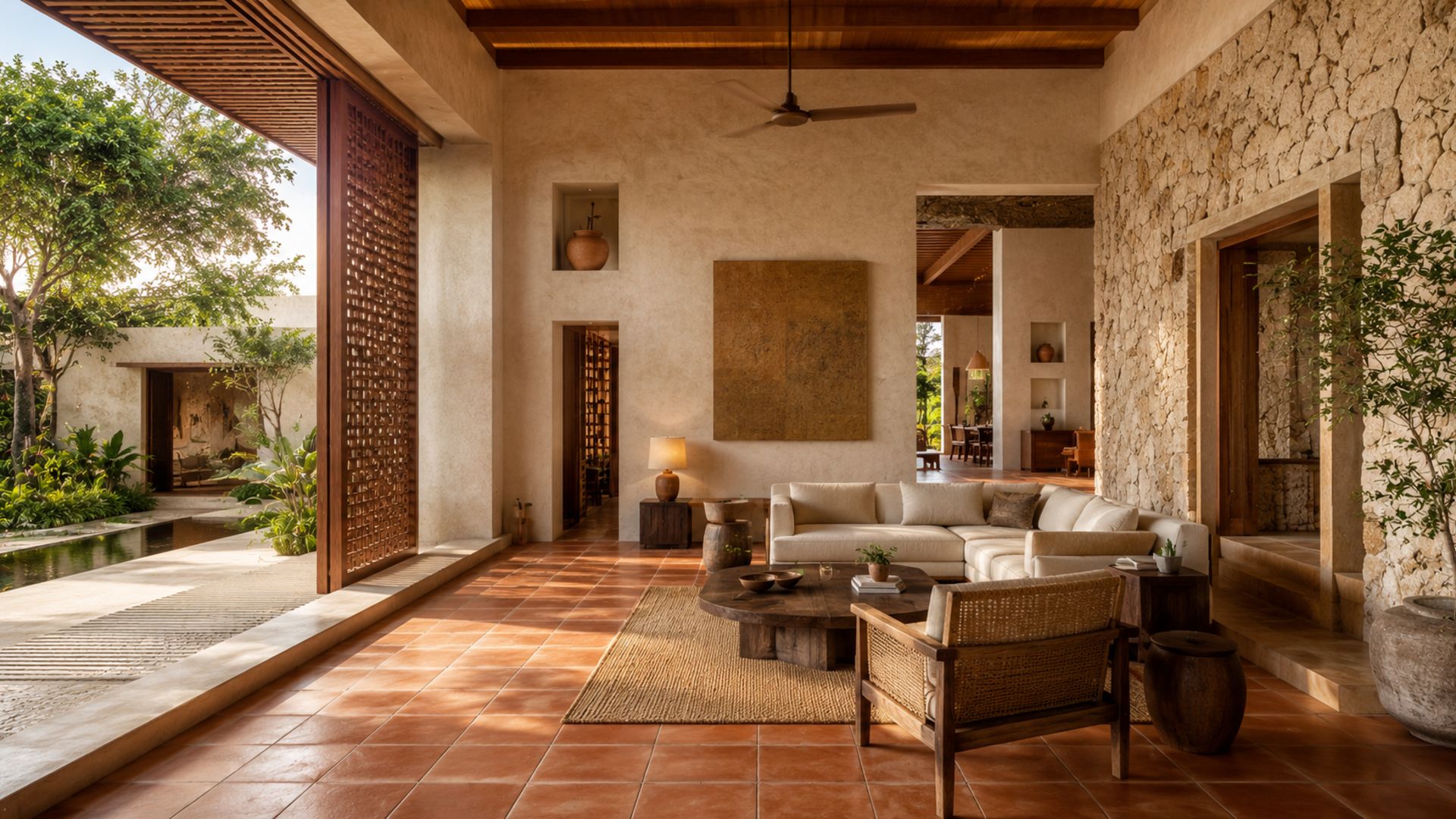
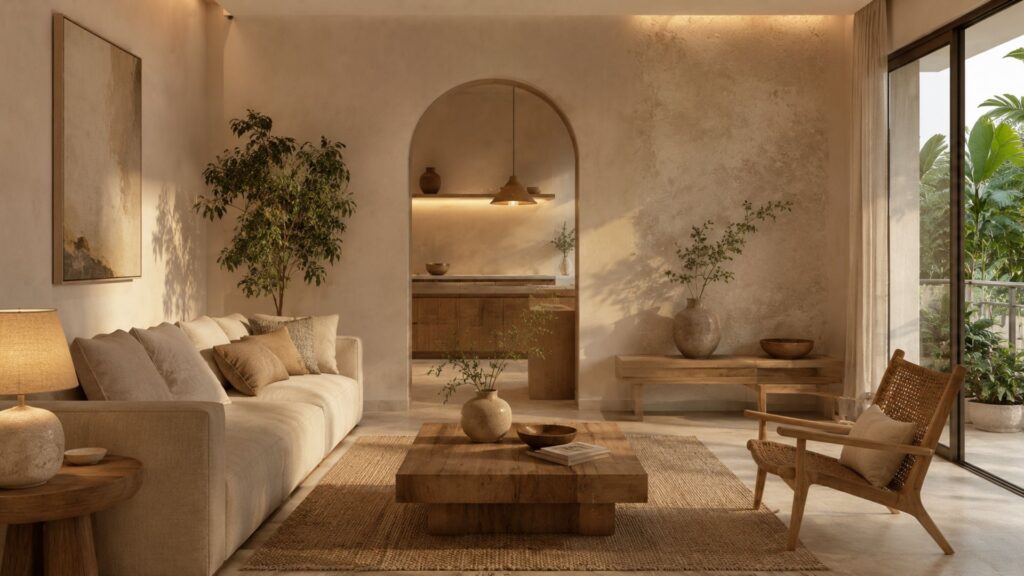
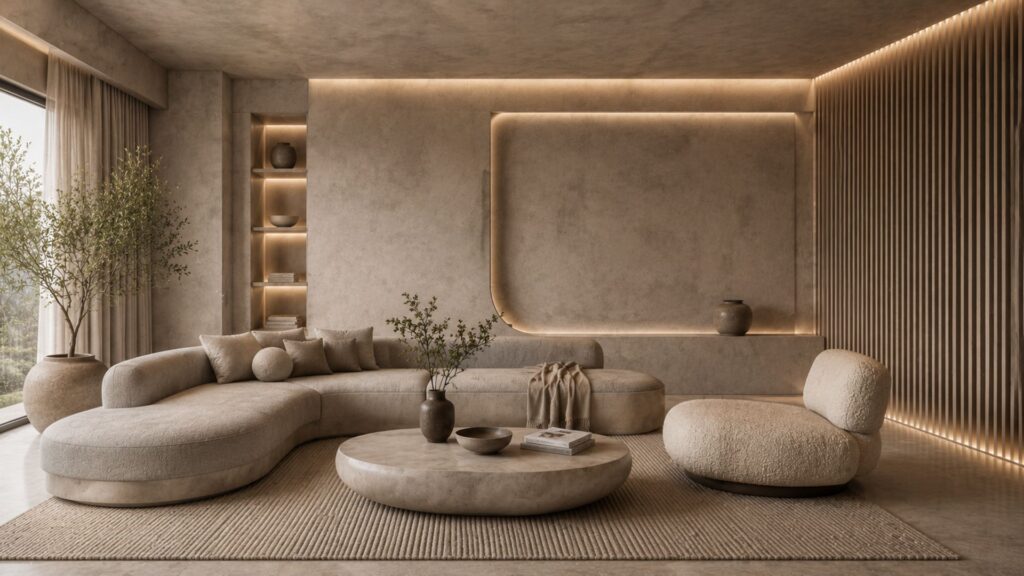
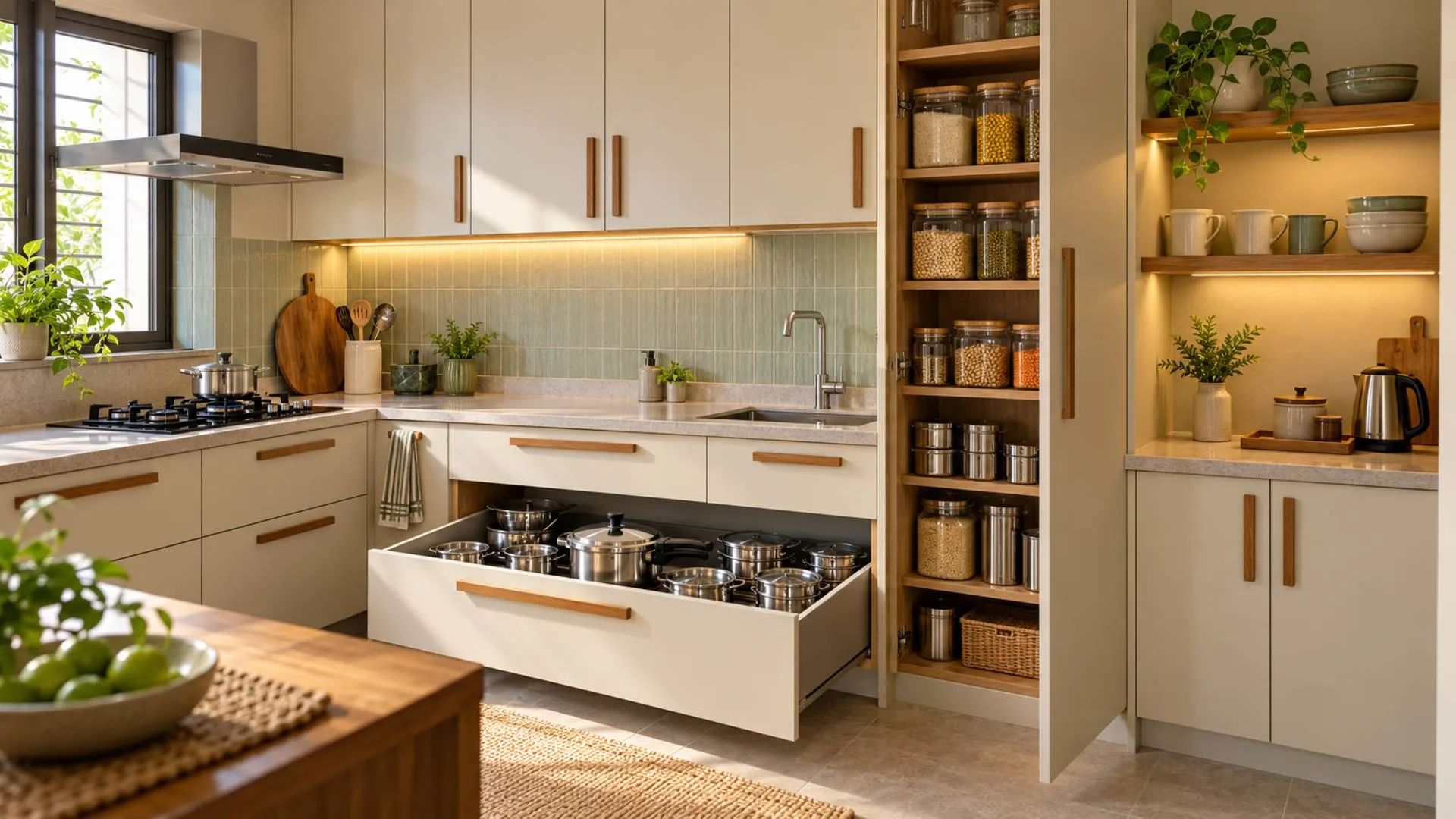
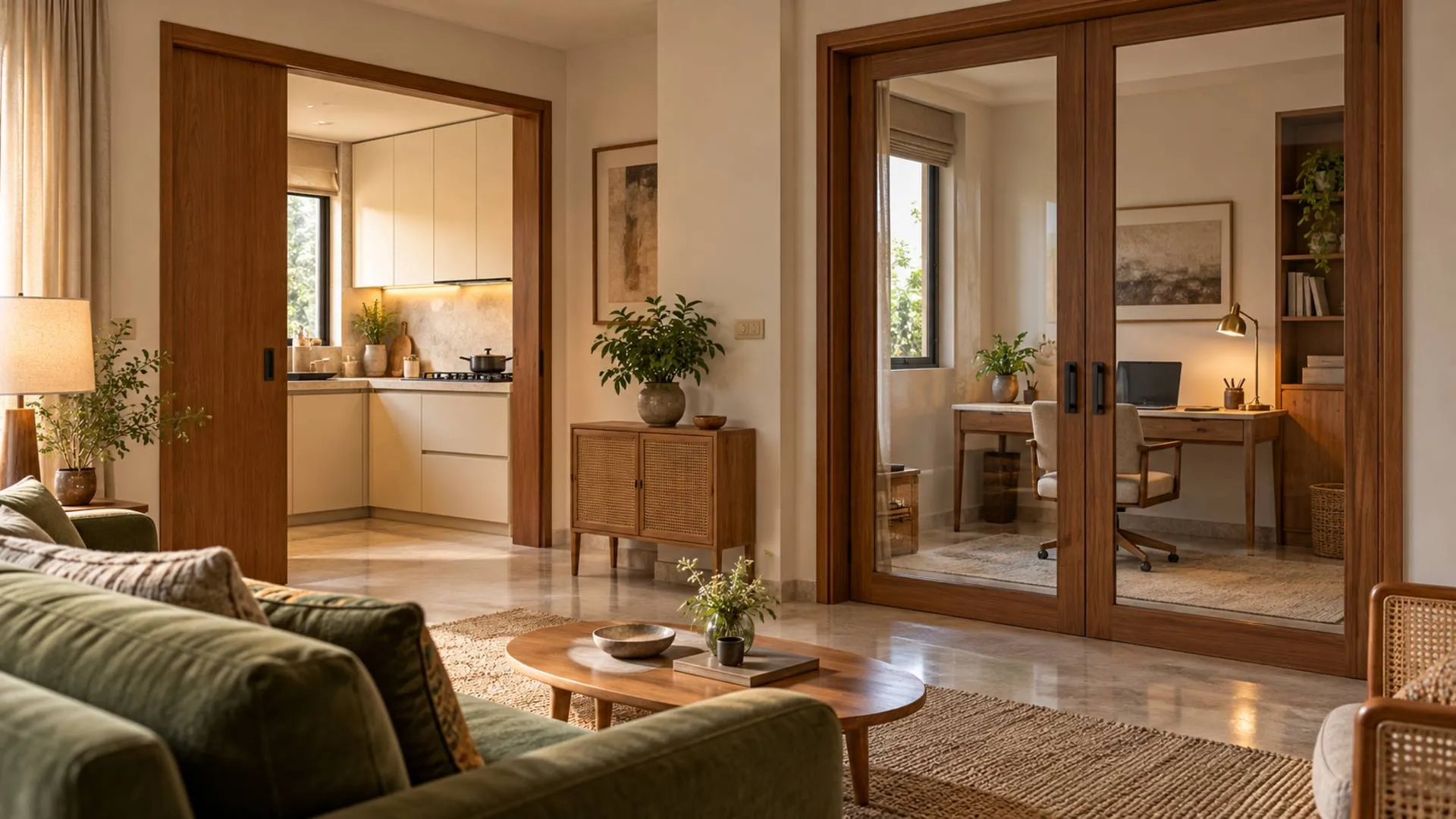
India’s luxury housing market is undergoing an interesting change. The vernacular revival in Indian homes in 2026 is bringing centuries-old building materials back into focus. Architects are moving away from generic global designs and are embracing local solutions.
From lime plaster, terracotta tiles, and natural stone in luxury homes, to handcrafted finishes and passive cooling methods, the most desirable residences in India are rediscovering the importance of tradition.
Insights from Architectural Digest India, The Hindu, and Society Interiors & Design show that top architects are increasingly combining regional craftsmanship with modern looks. This creates homes that are both luxurious and responsive to climate needs.
The Return of Materials That Breathe
The biggest trend in vernacular architecture in modern Indian homes 2026 is the revival of materials that work naturally with India’s climate.
- Lime plaster walls in Indian homes are making a comeback because they regulate moisture, resist mould, and age beautifully.
- Terracotta tiles in Indian luxury apartments are being used for flooring, facades, and feature walls due to their cooling properties.
- Natural stone such as Jaisalmer, Kota, Tandur, Rajasthan sandstone, and Kerala laterite is replacing excessive imported finishes.
As highlighted by The Better India and World Economic Forum, these vernacular materials provide thermal insulation and passive cooling, reducing dependence on air conditioning in hot Indian cities.

Why Luxury Buyers Are Choosing Desi Over Imported
A decade ago, Italian marble symbolised luxury. Today, traditional Indian materials are making a comeback in luxury homes in 2026 for a different reason: authenticity.
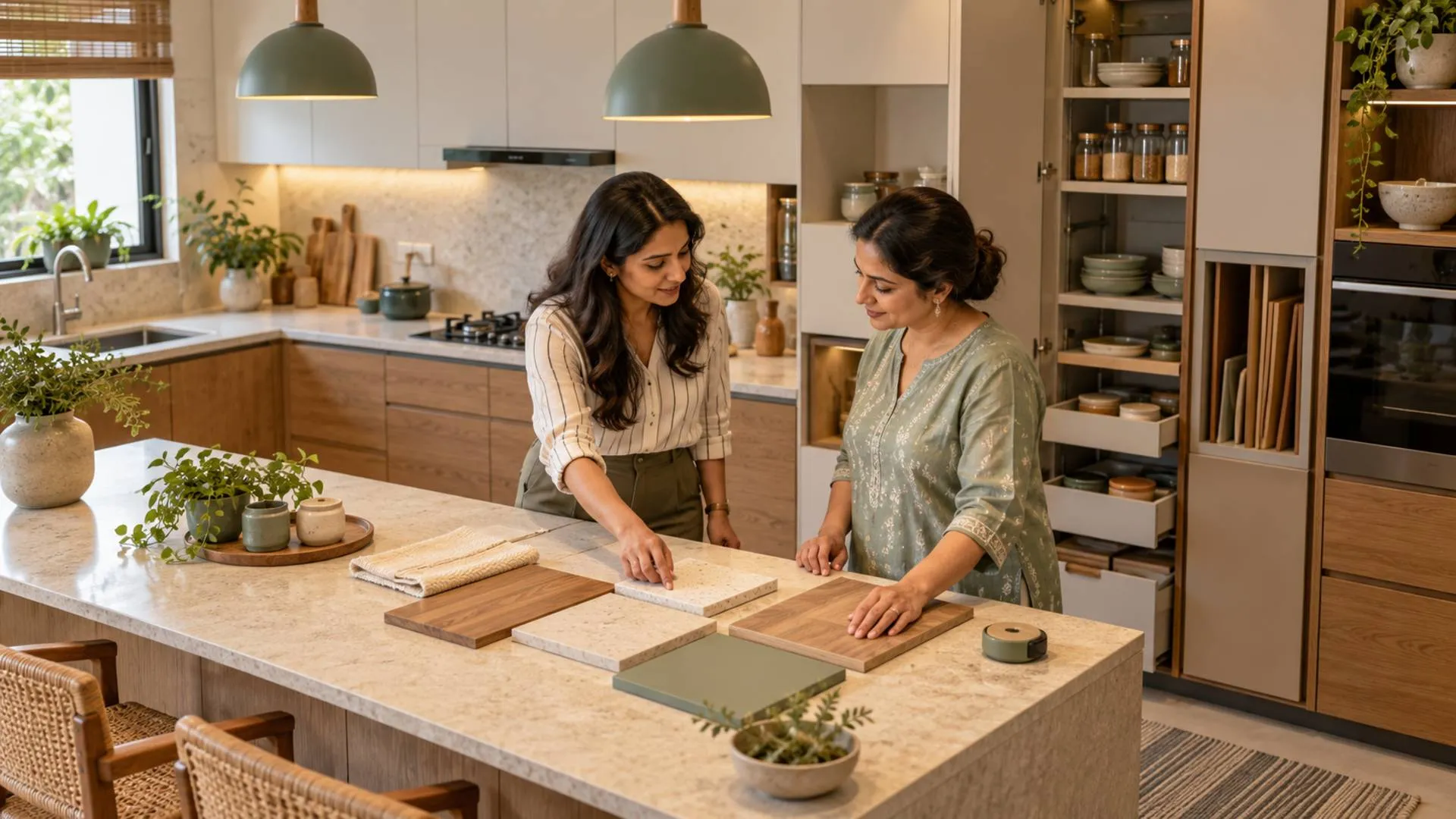
Architects from firms such as Khosla Associates, Studio Mumbai, and other contemporary design practices are reinterpreting heritage materials through minimalist, high-end spaces.
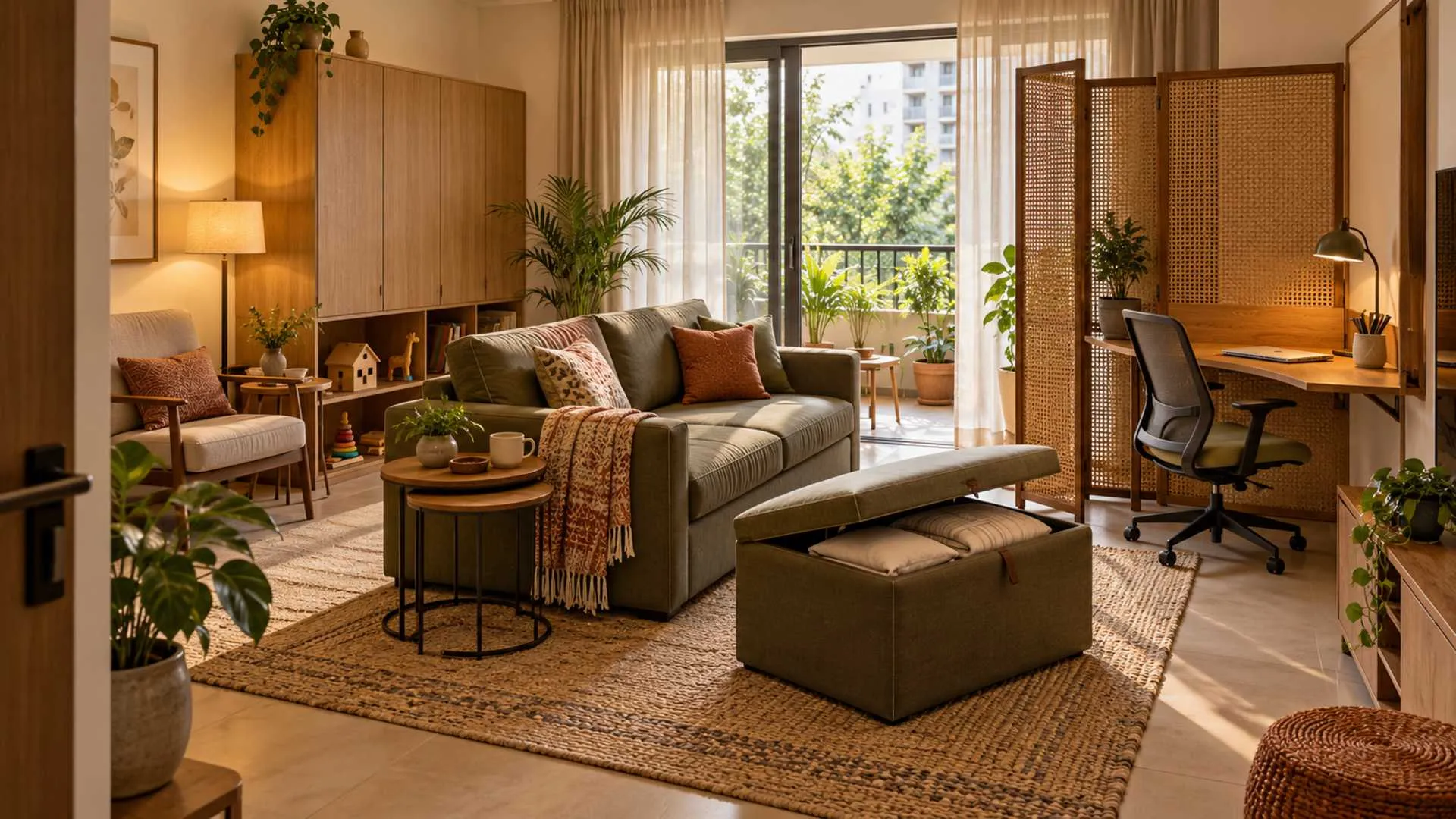
The appeal lies in their texture, warmth, and sustainability. Materials such as Athangudi tiles, Chettinad tiles, rammed earth, compressed earth blocks, bamboo, cane, and jute accents align perfectly with the growing themes of warm minimalism, organic modernism, and quiet luxury.
A Sustainable Luxury Statement
The Indian architects’ vernacular materials contemporary homes 2026 movement is not just about design; it is also about environmental responsibility.
Many of these finishes use clay, lime, marble dust, natural pigments, FSC-certified wood, and low-VOC materials, making them significantly more eco-friendly than synthetic alternatives.
The real luxury in 2026 is not imported; it is contextual.
Homes designed around climate, craft, and culture are increasingly commanding attention among discerning buyers seeking spaces that are beautiful, sustainable, and uniquely Indian.
The Future Is Rooted in the Past
As India’s luxury housing market changes, it’s becoming clear that heritage materials, reinterpreted through contemporary Indian design, are shaping the future of premium living.
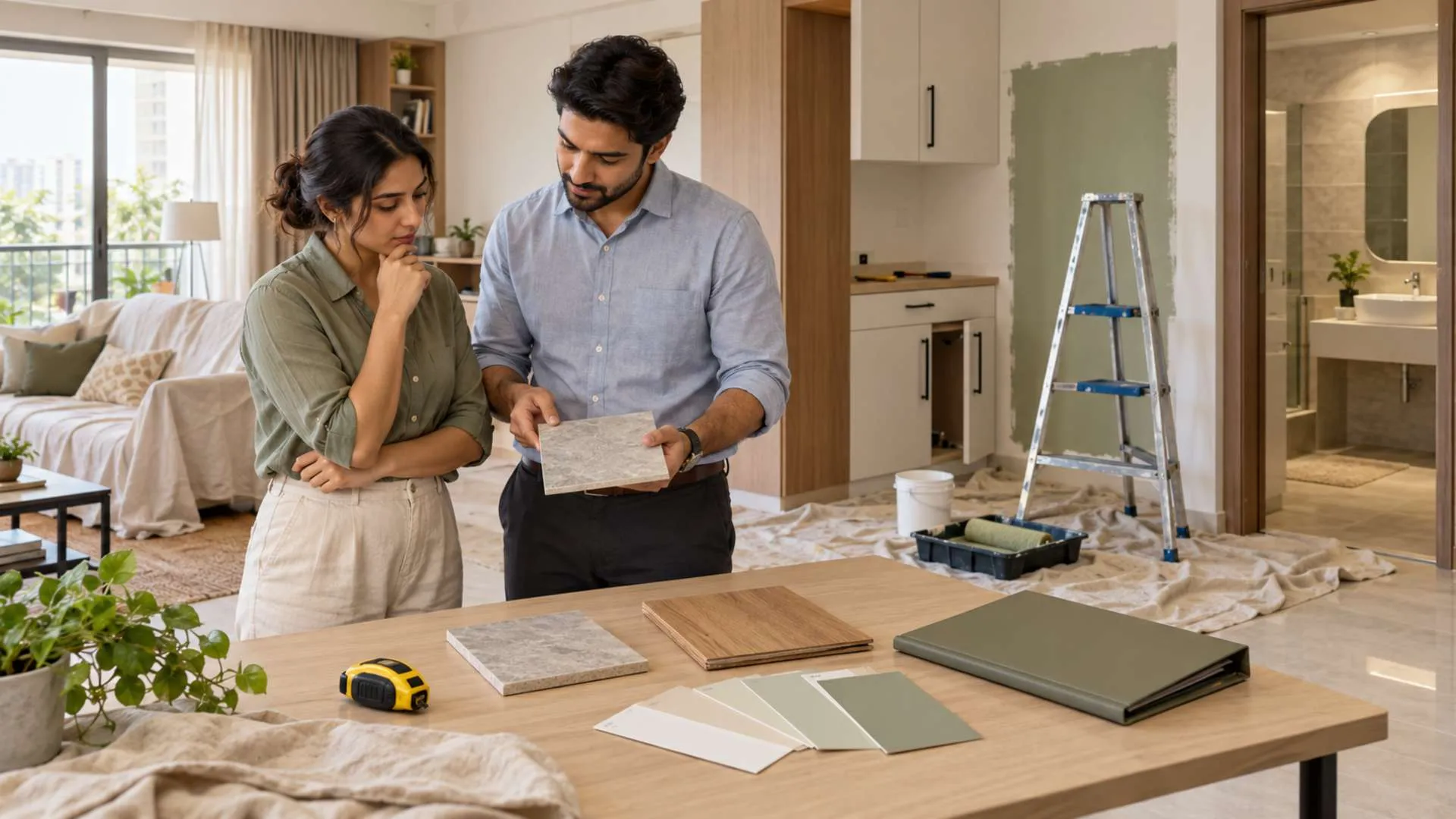
If you’re thinking about designing or investing in a luxury home, look beyond current trends and explore the lasting value of India’s timeless materials.