

Why India’s Next Premium Homes May Use Less Glass
Why India’s Premium Homes May Use Less Glass in 2026
SHARE:
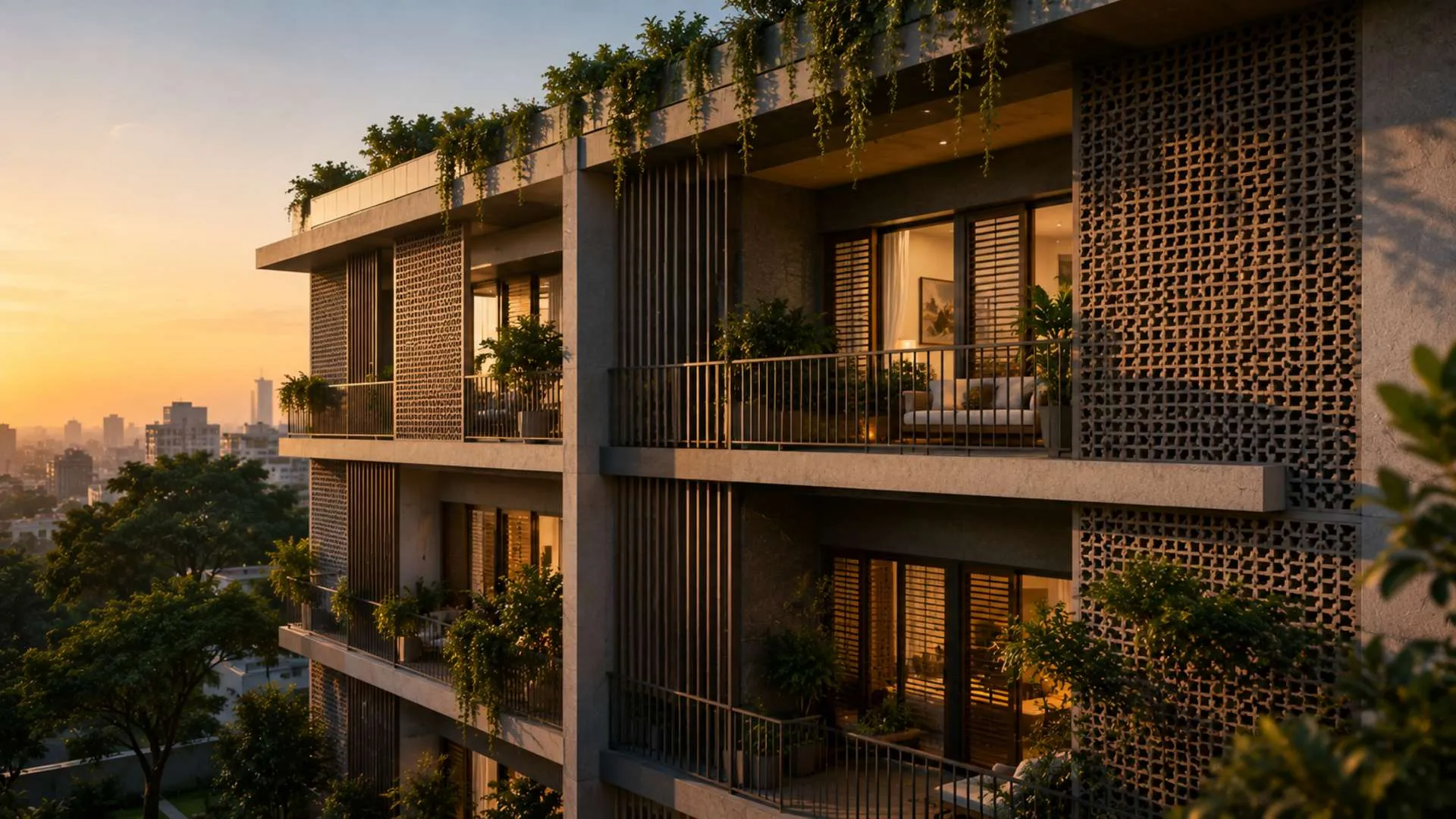
For years, luxury housing followed a simple visual formula: bigger windows, taller glazing and more dramatic glass façades. Floor-to-ceiling windows became shorthand for expensive, contemporary living.
But India’s climate is beginning to complicate that equation.
As thermal comfort and energy efficiency become bigger design priorities, the premium home less glass climate-responsive India 2026 conversation is shifting from “How much glass can we add?” to “Where does glass actually make sense?”
Why are premium homes using less glass in India?
Premium Indian homes are increasingly likely to balance glazing with shading, insulation and ventilation rather than maximise glass everywhere. Climate-responsive architecture can use strategic windows, deep balconies, screens and high-performance glazing to control solar heat while retaining daylight and views.
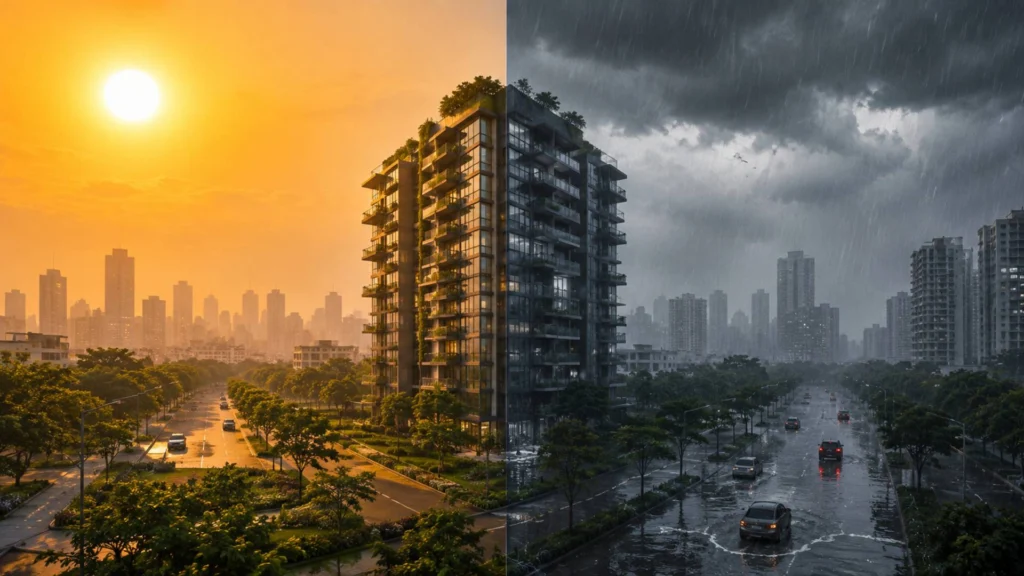
When a Luxury View Becomes a Heat Problem
Glass itself is not disappearing. In fact, AIS Glass notes that modern high-performance glass can reflect or absorb heat while still admitting daylight, while TOSTEM highlights large glazing as an important element of contemporary luxury architecture.
The change is subtler: premium architecture is moving toward smarter glass, not simply more glass.
In India’s hot conditions, window design influences indoor heat, airflow and energy demand. Eternia notes that window systems designed for Indian summers need to consider heat exposure alongside ventilation and natural light.
That makes the old “all-glass equals luxury” formula increasingly questionable.
A climate-responsive luxury home can instead combine jaali, chajja, verandah, deep balcony, thermal mass and strategic glazing. In hot-dry locations such as Rajasthan and Ahmedabad, deep shade can be especially valuable; in hot-humid Mumbai and Chennai, ventilation becomes critical.
The New Luxury Could Be Thermal Comfort
This is where vernacular revival, jaali, chajja and deep verandah luxury homes become surprisingly futuristic.
Traditional Indian architecture often dealt with climate before mechanical cooling existed. Contemporary designers can reinterpret those ideas through perforated façades, landscaped screens, recessed windows and biophilic envelopes.
The goal is not necessarily a windowless building. It is a façade in which every opening earns its place.
Even where expansive glazing remains desirable, technology is changing its performance. TOSTEM says double-glazed windows use two panes separated by an insulating space to reduce heat transfer, while Eternia highlights double glazing and Low-E glass as options for limiting unwanted heat gain.
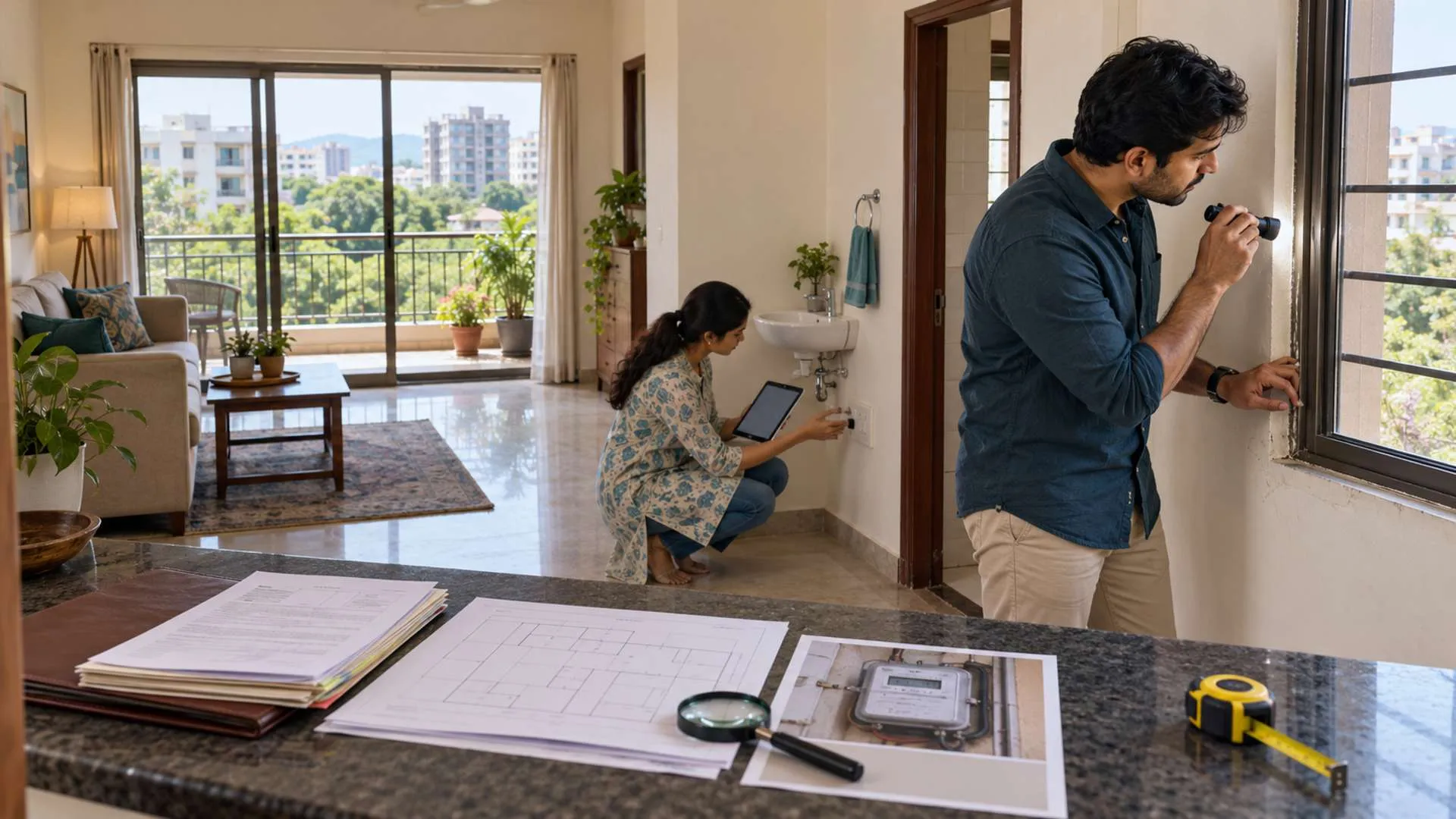
Tomorrow’s premium buyer may therefore judge a window not only by the view, but by its SHGC, insulation, shading and ventilation performance.
Less Glass Could Become the Bigger Status Symbol
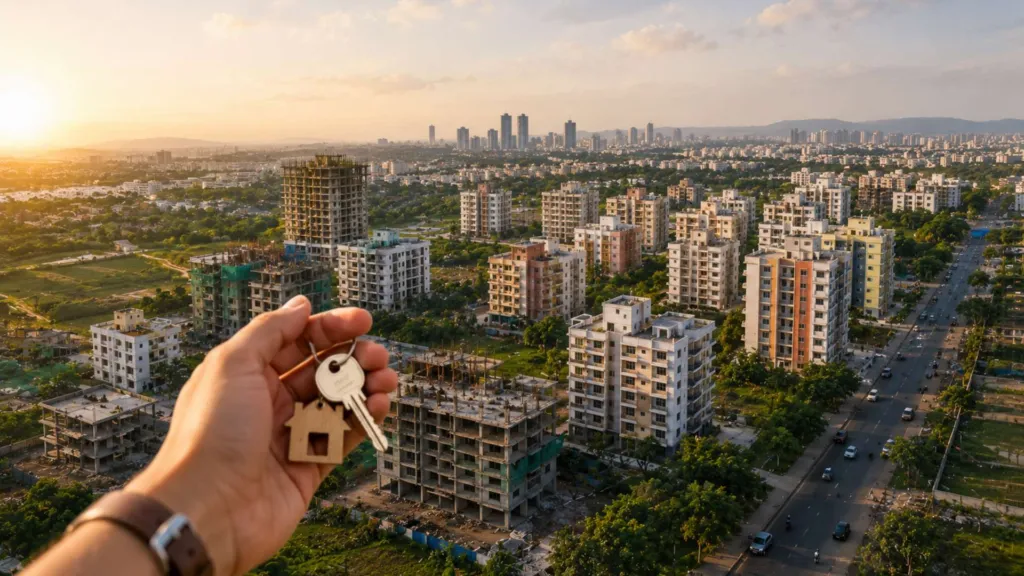
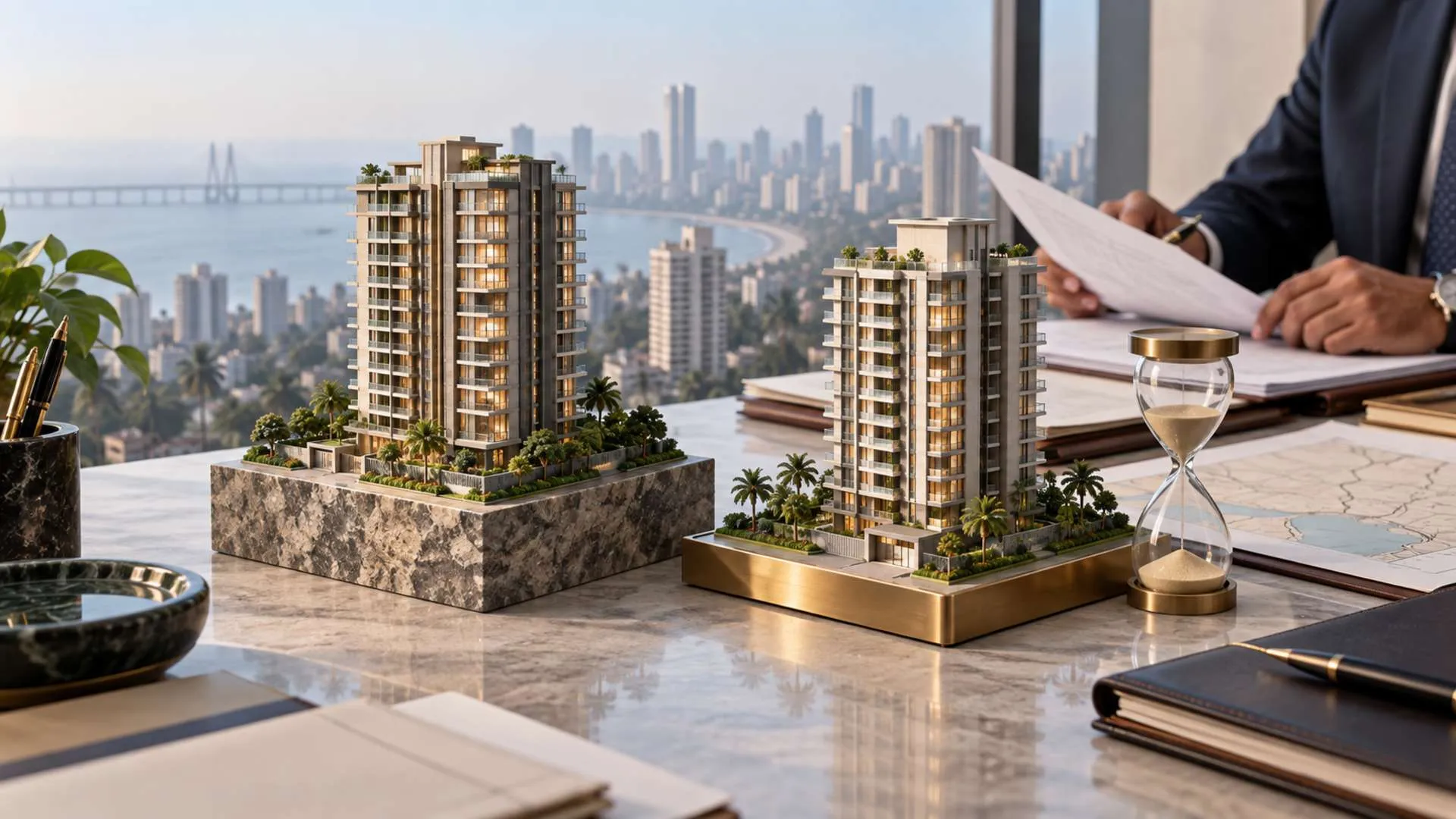
The shift will vary by climate. Pune and Bengaluru may offer greater glazing flexibility, while hotter or more humid markets demand a different thermal balance. Coastal luxury projects may increasingly need to reconcile views with heat, glare, humidity and weather exposure.
That could reshape what “premium” looks like.
Instead of another fully glazed tower, the standout luxury project of the late 2020s could feature deep balconies, shaded openings, high-performance windows, planted façades and architecture responding visibly to its climate.
Glass will remain part of Indian luxury. But indiscriminate glass may lose some of its prestige.
The next architectural flex may not be showing how much sunlight a home can capture. It may be showing how intelligently it can control it.
For more emerging real-estate and design trends shaping tomorrow’s homes, explore: RealtyConnectChat.