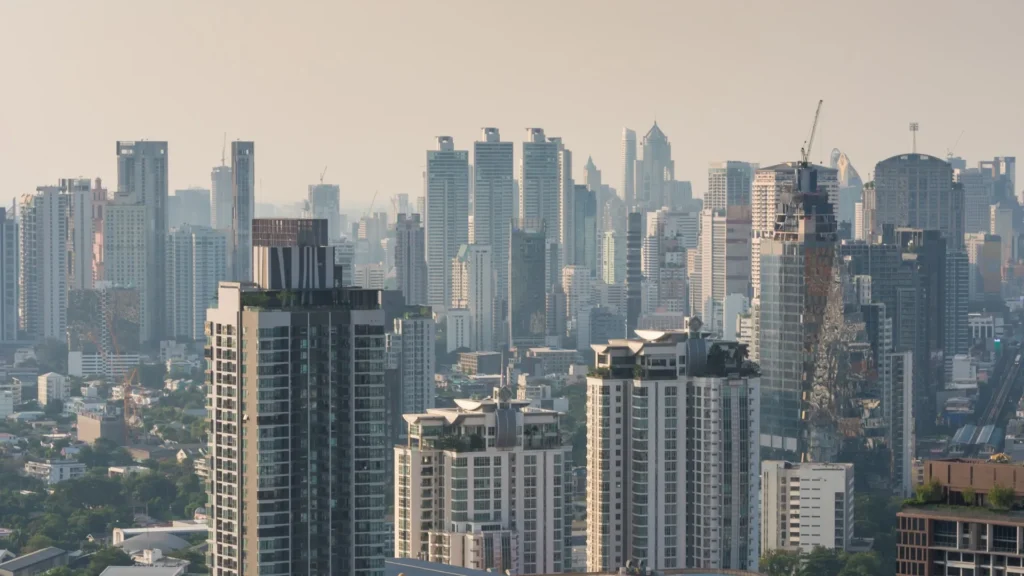


Why India’s Real Estate Market Survived Global Headwinds: 4.19 Lakh Units Launched in 2025
While Global Markets Slowed, India’s Housing Story Refused to Pause
SHARE:
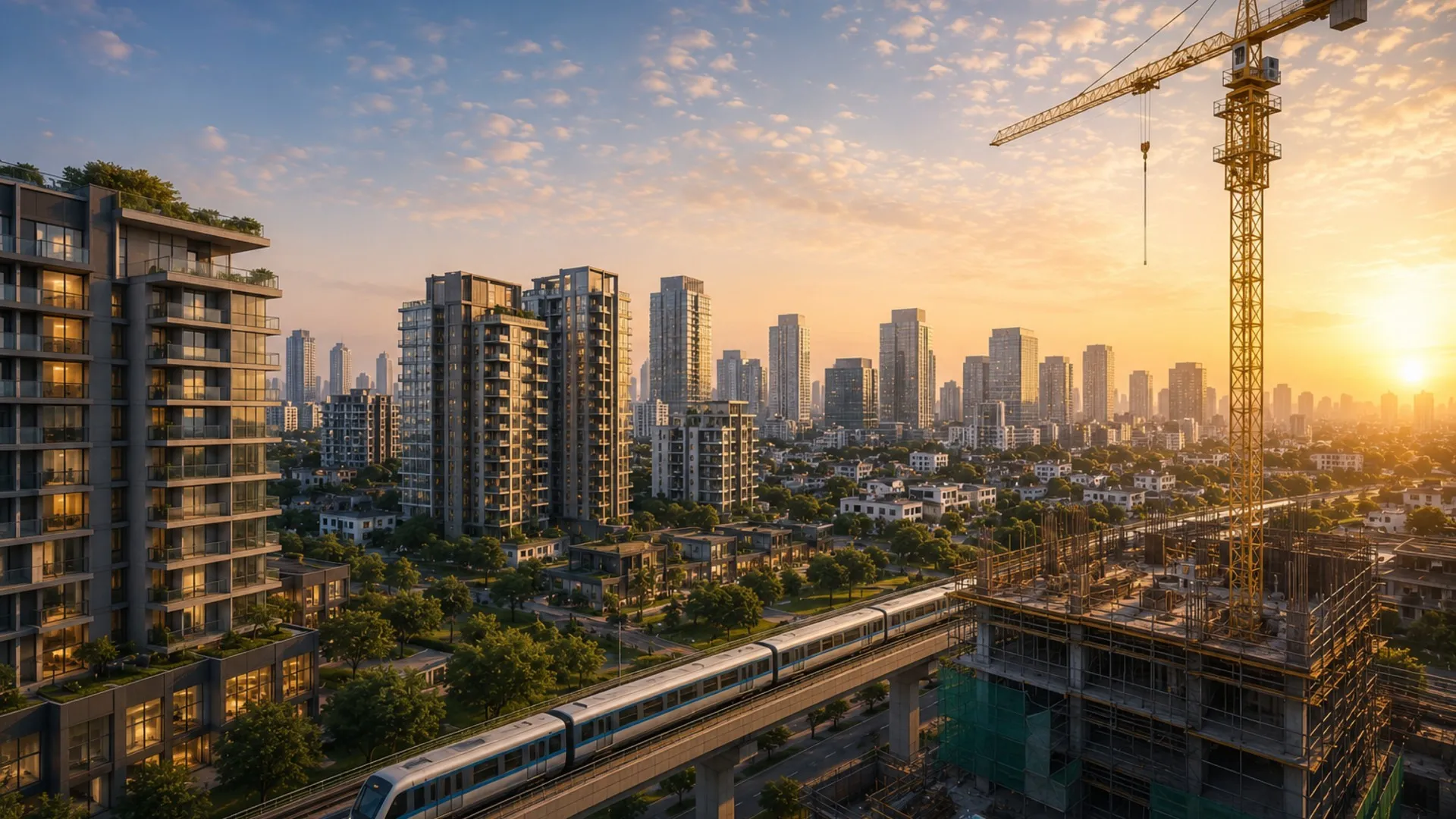
At a time when many global economies faced inflation, fears of recession, geopolitical uncertainty and a slowdown in property demand, India’s housing sector told a different story.
According to industry estimates and ANAROCK data on residential launches in 2025, the country saw nearly 419,000 housing units launched in 2025.
This shows that India’s real estate market remained surprisingly strong despite global challenges. Interestingly, the market kept its momentum even with slower sales and rising concerns about the economy.
The key takeaway was not just growth, but also stability during uncertain times.
India’s Real Estate Market Defied the Global Slowdown
The global property market in 2025 faced multiple challenges:
- High interest rates
- Weak consumer sentiment
- Slowing investment activity
- Rising construction costs
- Economic uncertainty
Yet, the Indian real estate survived the global headwinds narrative and became one of Asia’s strongest real estate stories.
Why?
Because India’s housing demand was driven not by speculative buying alone, but by:
- End-user demand
- Urban migration
- Infrastructure expansion
- Premium lifestyle aspirations
- Rising household incomes
This foundation helped the Indian housing market resilience 2025 story stand out globally.

4.19 Lakh Units Launched: What Drove Developer Confidence?
The biggest question investors asked was:
“How 4.19 lakh units launched in India despite global recession fears?”
The answer lies in confidence across India’s top cities.
Major residential activity continued across:
- Mumbai
- Bengaluru
- Pune
- Hyderabad
These cities benefited from:
- Metro expansion
- GCC growth
- IT hiring momentum
- Infrastructure-led appreciation
- Rising premium housing demand
Developers became increasingly selective in launches, focusing more on premium and mid-premium inventory instead of speculative oversupply.
Housing Sales Slowed, but the Market Stayed Strong
Industry estimates indicate that:
India housing sales 3.95 lakh units 2025
remained historically strong despite a slight decline from peak post-pandemic momentum.
This triggered another major question:
“India housing sales dropped 14%, but the market is still resilient; why?”
Because demand quality has improved.
Buyers in 2025 focused on:
- Larger homes
- Lifestyle-driven communities
- Trusted developers
- Branded projects
- Infrastructure-linked locations
The market shifted from quantity-driven growth to quality-driven absorption.
Premium Housing Became the Biggest Growth Engine
One of the strongest trends of 2025 was the rise of luxury and upper mid-segment housing.
The India premium housing demand 2025 growth story accelerated because affluent buyers increasingly viewed real estate as:
- A wealth-preservation asset
- A lifestyle upgrade
- A hedge against inflation
- A long-term investment vehicle
Demand from:
- HNIs
- NRIs
- Startup founders
- Corporate executives
continued driving launches in premium segments.
Luxury real estate remained resilient despite macro rate hike concerns because affluent buyers were less dependent on home loans and more focused on asset ownership.
Unsold Inventory Stayed Under Control
One major reason the market avoided overheating was disciplined supply management.
India’s unsold housing inventory in 2025 was 5.77 lakh units, remaining relatively stable compared to earlier real estate cycles.
Unlike previous boom periods:
- Developers avoided excessive speculative launches
- RERA improved buyer confidence
- Financing became more structured
- Institutional oversight increased
This helped India avoid the dangerous inventory bubbles seen in several global markets.
Institutional Investments Boosted Confidence
Another major reason behind the sector’s resilience was institutional capital inflow.
India’s real estate institutional investment of USD 4.3 billion
highlighted strong long-term confidence in the country’s growth story.
Global investors continued betting on:
- Residential housing
- Commercial office assets
- Warehousing
- GCC-driven office expansion
- Infrastructure-linked developments
India’s stable economic outlook and urbanization story remained attractive compared to slowing international markets.
Infrastructure and GCC Growth Changed the Game
The strongest growth drivers in 2025 included:
- Metro connectivity
- Expressway projects
- Smart city expansion
- GCC demand
- IT corridor growth
The rise of Global Capability Centres across cities like Pune, Bengaluru and Hyderabad significantly boosted both commercial and residential demand.
This created a powerful cycle:
Jobs → Infrastructure → Housing Demand → Appreciation
Few global markets managed to sustain this level of interconnected growth momentum in 2025.
Is India’s Real Estate Market Overheating?
A growing question among investors today is:
“Is the Indian housing market in a bubble or genuinely strong?”
Most market observers believe the current cycle remains fundamentally healthier than previous booms because:
- End-user demand dominates
- Inventory is more controlled
- Regulatory transparency has improved
- Infrastructure growth supports expansion
- Premium housing demand remains genuine
While affordability pressures exist in some markets, the broader growth story continues to remain structurally strong.
Final Take
A comparison of India’s real estate performance in 2025 with global markets clearly shows that India’s property market proved to be more resilient than many expected.
With 419,000 units launched, steady demand, controlled inventory, momentum in premium housing and growth driven by infrastructure, the sector showed impressive adaptability amid global uncertainties.
India’s real estate market did not just endure global challenges; it progressed through them.
Stay informed about the latest housing trends, infrastructure growth, investment insights and market analysis shaping the future of India’s real estate sector in 2026 and beyond.