

Acoustic Interiors Are the New Luxury: Cork Tiles, Fabric Walls & Slatted Wood Baffles for Urban Indian Homes
In 2026, Silence Is Becoming the Most Coveted Design Feature in Indian Homes
SHARE:
Urban Indian luxury is changing tune. While high-end finishes and designer décor continue to woo attention, homeowners are beginning to consider something much less visible, and infinitely more precious – acoustic comfort.
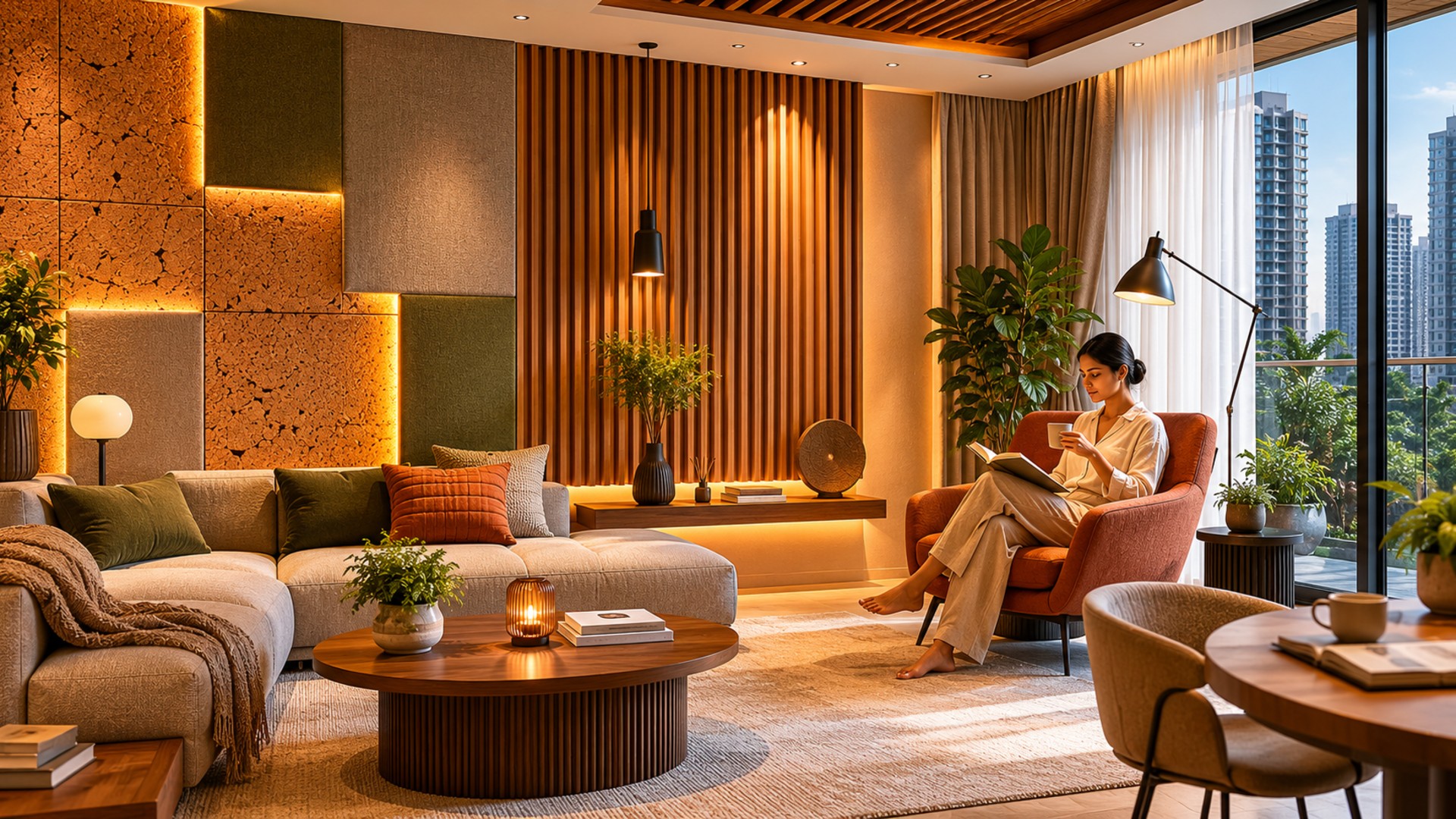
Given escalating traffic, ongoing construction, and an increasing density of apartment living, acoustic interiors within the Indian home in 2026 are emerging as a design must-have. From cork tiles and fabric-wrapped walls to slatted wood baffles and acoustical curtains, quiet interiors are redefining contemporary dwellings.
For the Indian urban dweller, quietude has emerged as the latest status symbol.
Why Acoustic Design Is Gaining Popularity
The growth of remote work, hybrid lifestyles and dense urban development has increased awareness about the impact of noise on daily life.
Homeowners are looking for spaces that offer:
- Better sleep quality
- Improved concentration while working from home
- Enhanced privacy
- Reduced echo and sound disturbance
- Greater overall comfort
As a result, soundproof interior design for urban Indian homes is moving from a niche concept to a mainstream requirement.

The Materials Leading the Trend
Modern acoustic solutions combine functionality with aesthetics, making them ideal for contemporary apartments.
Cork Tiles
Natural cork is becoming a popular choice for wall cladding due to its sound-absorbing and thermal insulation properties. It is sustainable, visually appealing and highly effective at reducing noise.
Fabric-Wrapped Walls
Fabric panels help absorb sound reflections and minimise echoes. They are increasingly being used in bedrooms, home offices and media rooms to create calmer, more comfortable spaces.
Slatted Wood Baffles
One of the most sought-after design elements today, slatted wood panels add texture and warmth while improving room acoustics. They work particularly well in living rooms and bedrooms, blending acoustic performance with modern design.
These features prove that acoustic luxury can be both practical and stylish.
Small Upgrades, Big Impact
Not every homeowner needs a major renovation to improve acoustics. Designers often recommend:
- Acoustic wall panels
- Dual-layer acoustic curtains
- Upholstered headboards
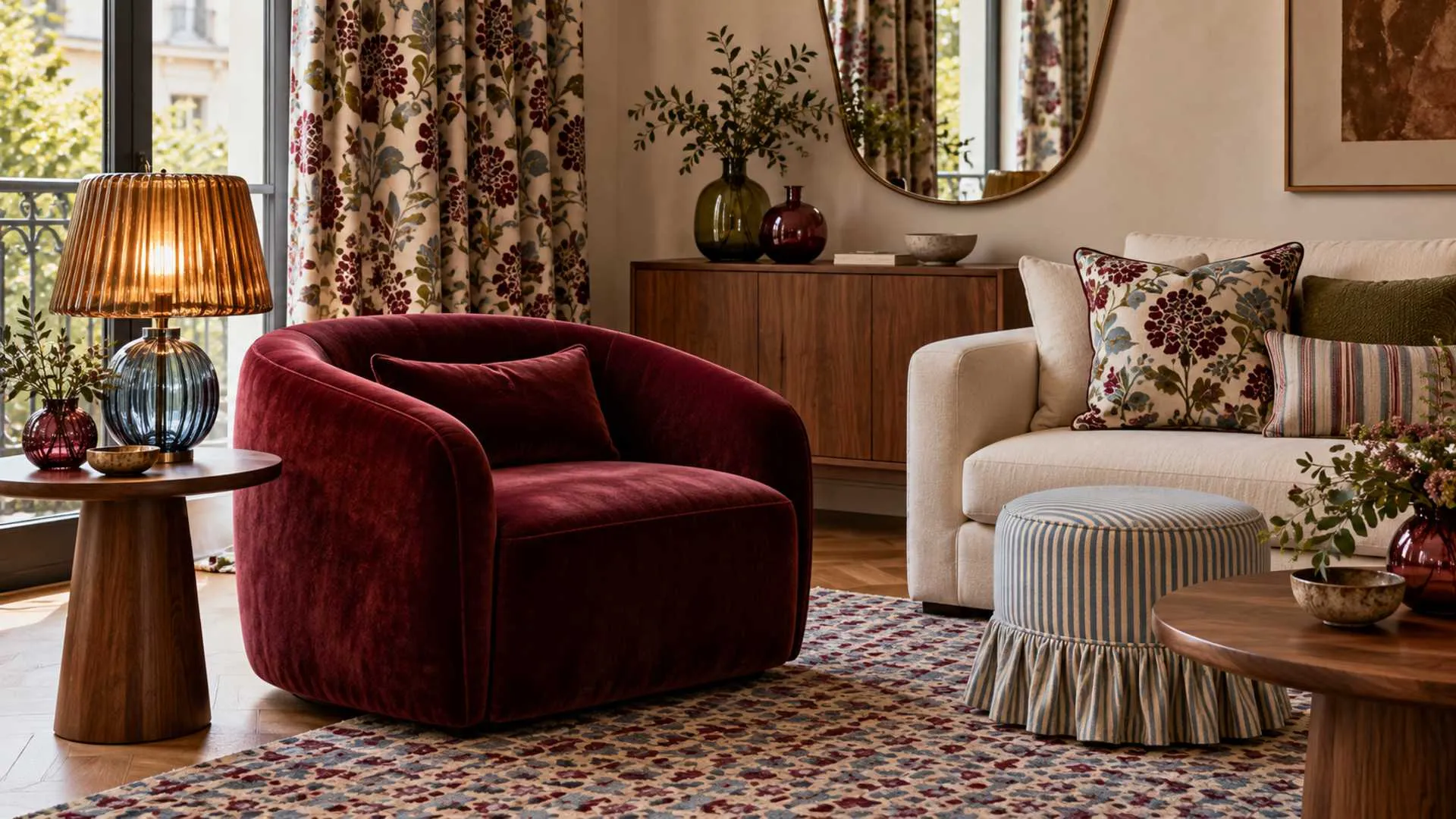
- Rugs and soft furnishings
- PET felt panels made from recycled materials
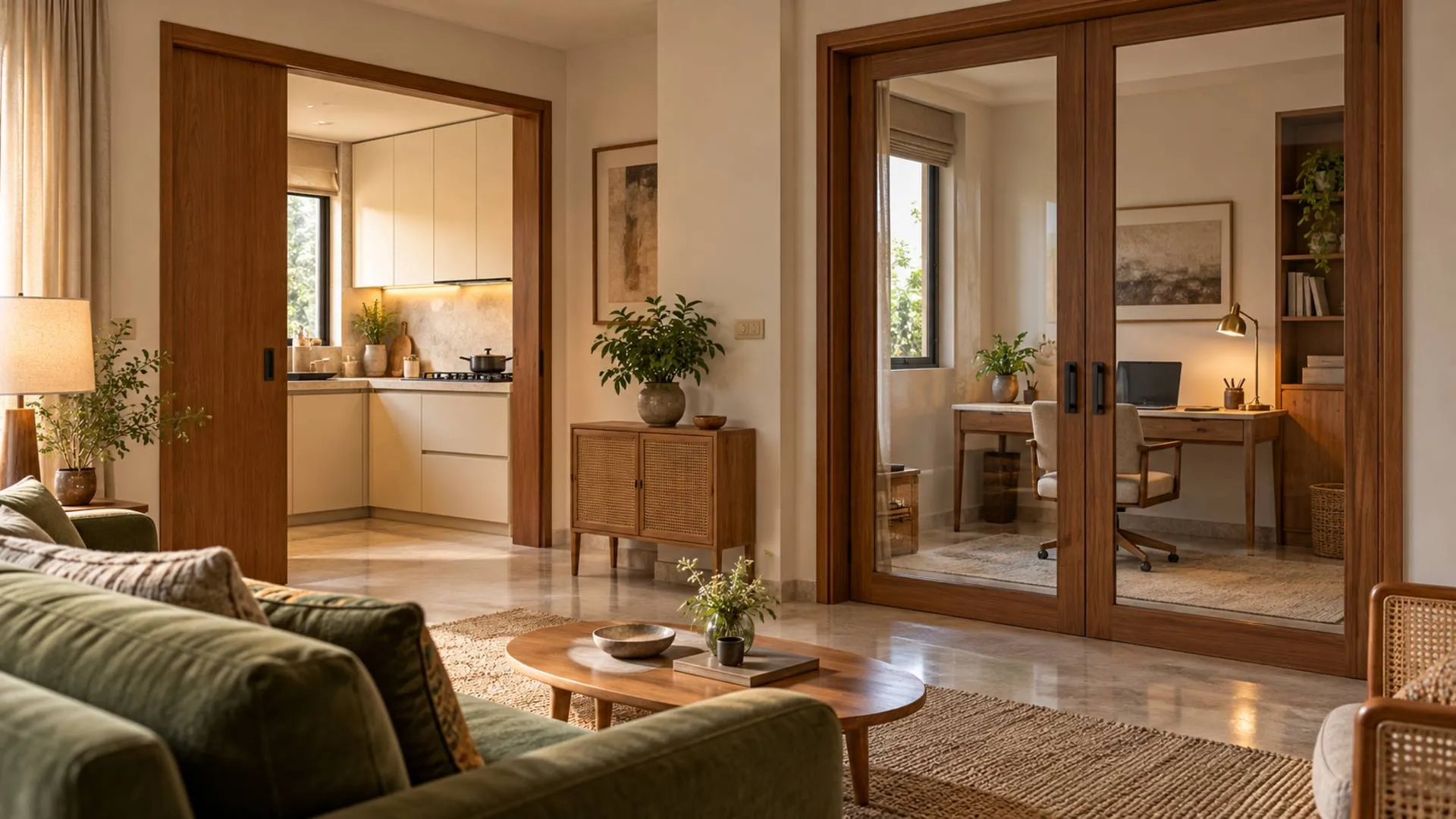
These solutions are especially useful in compact apartments where noise control is a growing concern.
The Wellness Factor
The popularity of acoustic interiors is also linked to wellness-focused living. Excessive noise can affect sleep, productivity and mental well-being. By reducing unwanted sound, acoustic treatments create more relaxing and functional living environments.
As homeowners increasingly embrace biophilic design, sustainable materials and healthier indoor spaces, acoustic comfort is becoming an essential part of modern home planning.
The Future Sounds Better
As India’s cities continue to urbanise, the importance of acoustic design is set to be a characteristic of high-end interiors. From studios to home theatres, this aspect of design will soon trickle down into homes as standard practice.
Designing or Renovating Your Home?
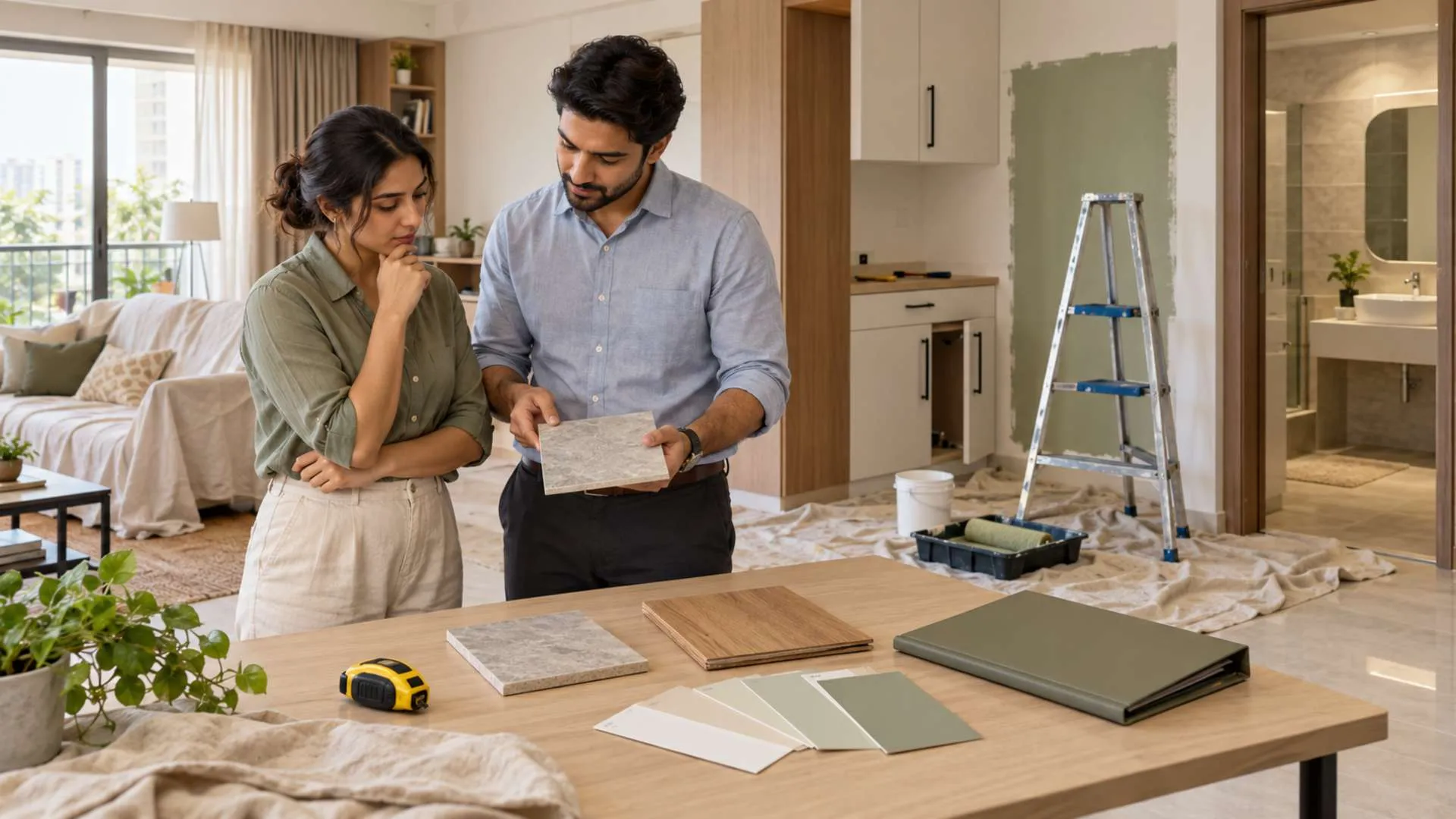
Prior to painting walls and picking out furniture, think about the soundscape of your home. While options like cork tiles, fabric wall hangings, or slatted wood baffles will make a world of difference to comfort, privacy and overall quality of life, they will ultimately make your home feel as good as it looks.