

Biophilic Design Goes Mainstream: How Indian Urban Homes Are Bringing Nature Indoors in 2026
From Luxury Trend to Lifestyle Essential, Nature-Inspired Living Is Reshaping Urban Real Estate
SHARE:
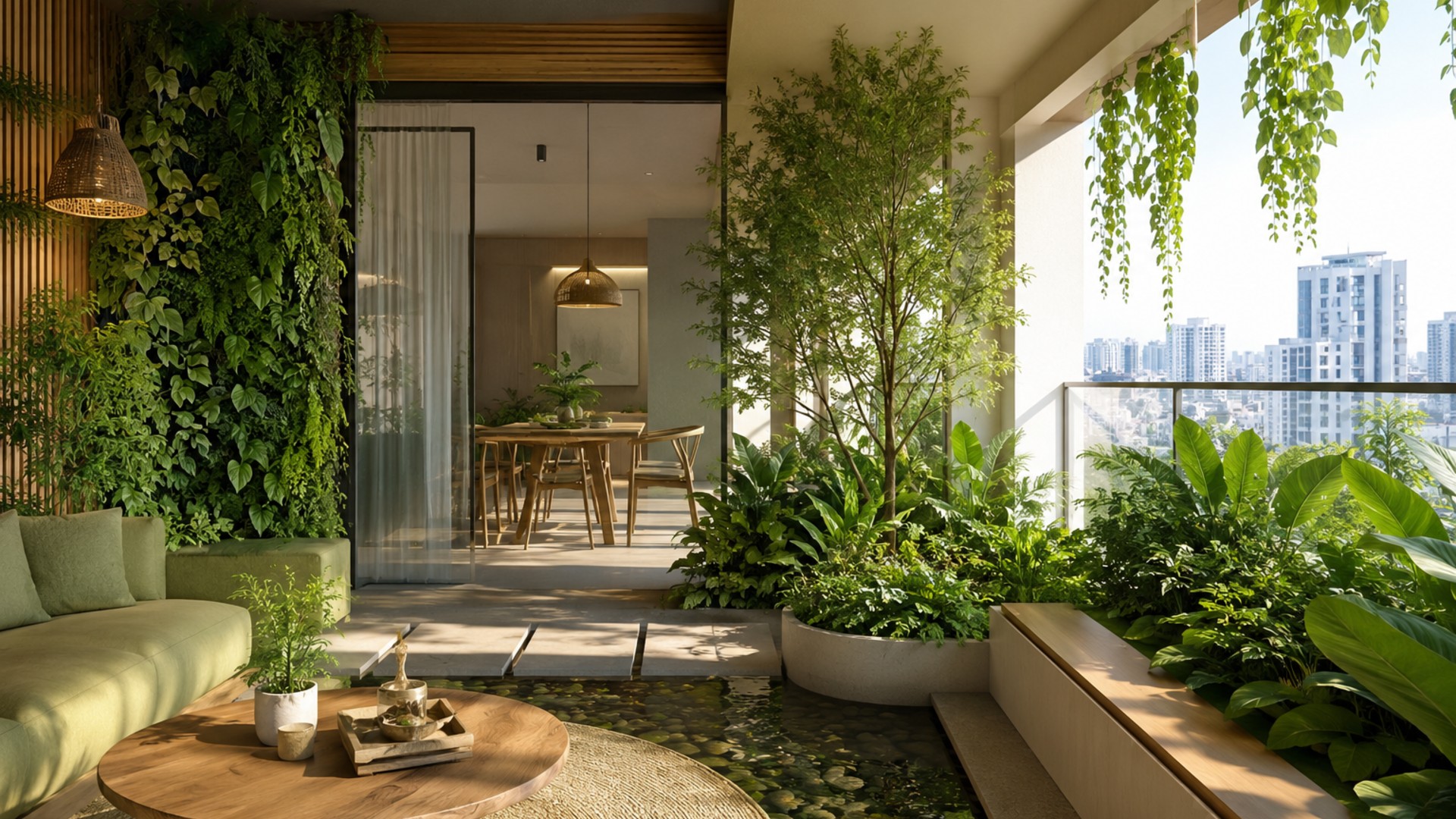
In India’s urban homes, quiet but profound changes are underway. In 2026, biophilic design, the architectural and interior design movement that ties people to nature, is not just for luxury villas and high-end resorts. It has become one of the most sought-after features in apartments, gated communities and modern residential projects across the major cities.
With growing urban populations and dwindling green spaces, homeowners are looking for ways to bring nature into their daily lives. Developers and interior designers are responding by integrating natural elements into homes right from the planning stage.
Why Biophilic Design Is Booming in 2026
Industry experts point to a growing awareness of wellness, sustainability and environmental responsibility as key drivers behind the trend. Studies have consistently shown that exposure to natural elements can reduce stress, improve mood, enhance productivity and contribute to better indoor air quality.
In today’s fast-paced urban lifestyle, homes are no longer just places to live; they are becoming personal wellness retreats.
What Does a Biophilic Home Look Like?
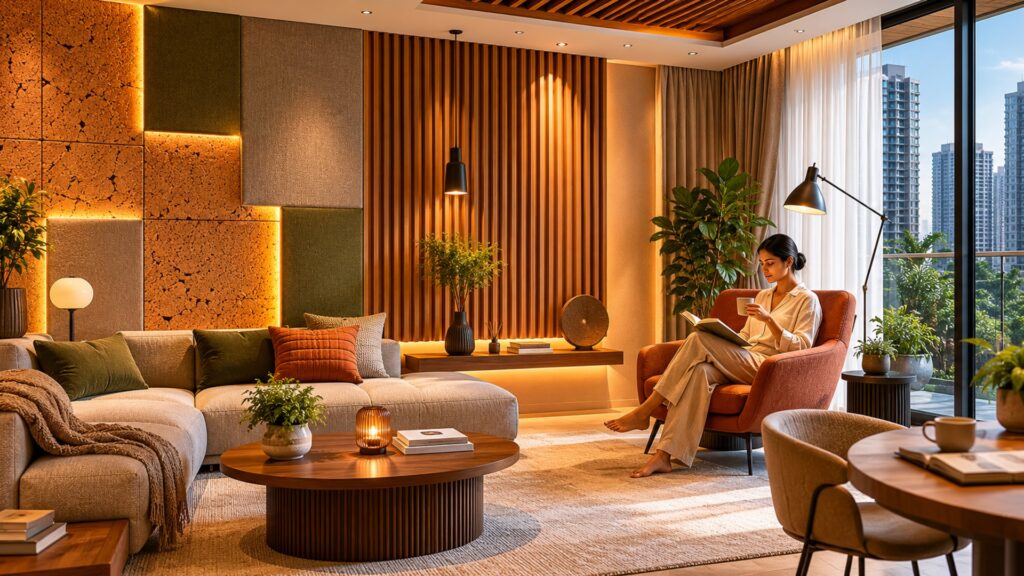
Modern biophilic interiors go far beyond adding a few indoor plants. Popular design elements include:
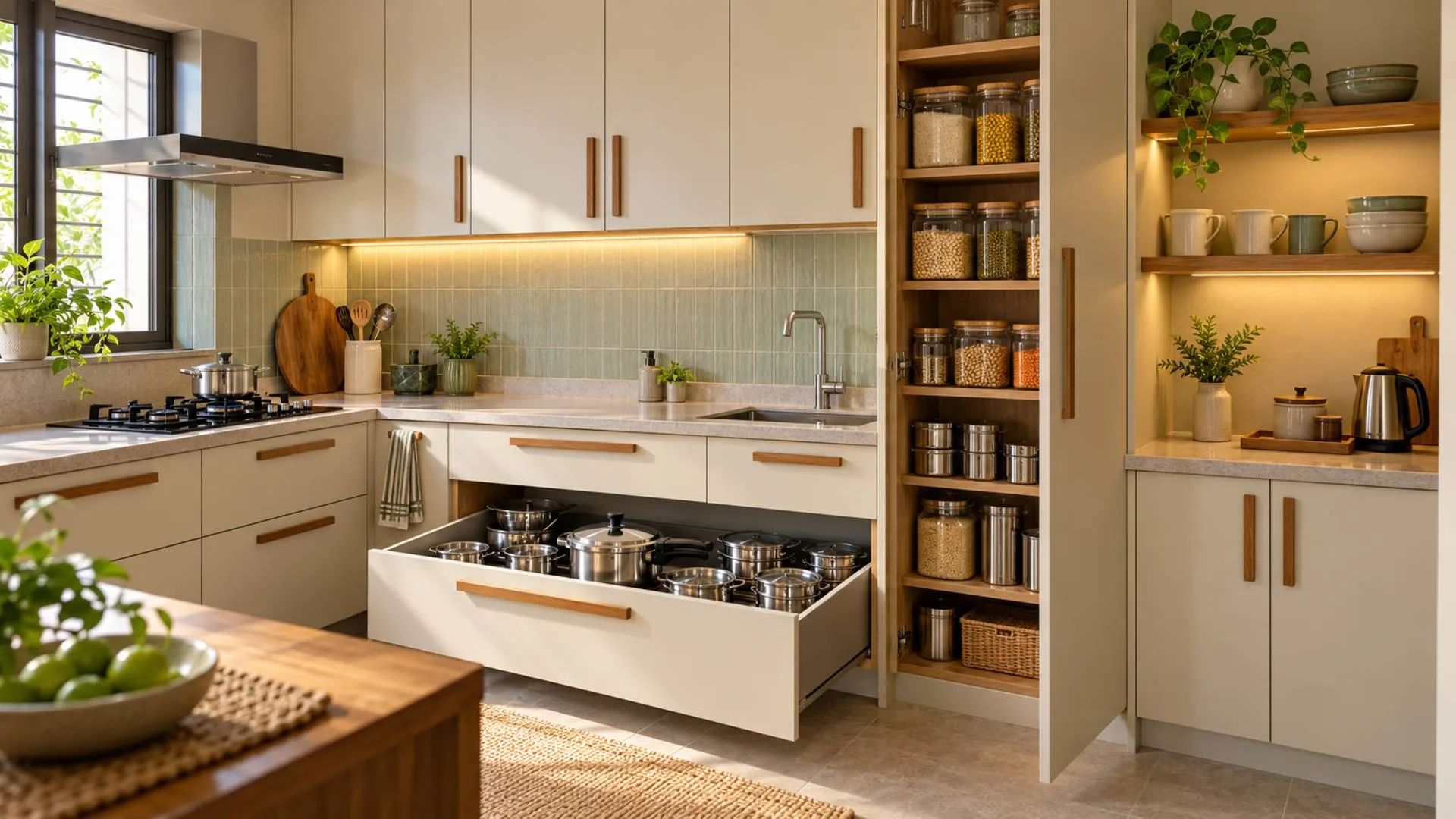
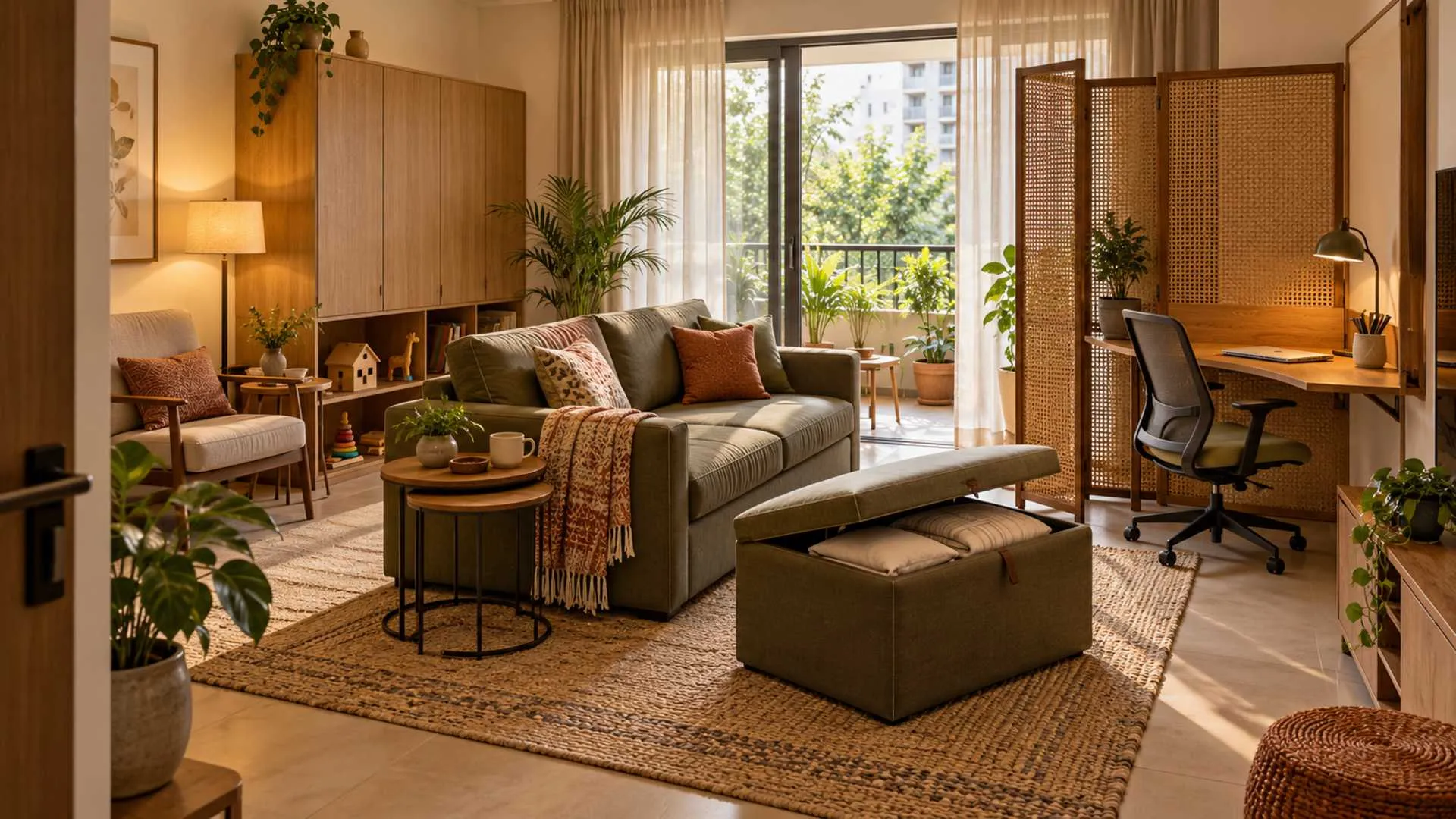
- Indoor gardens and vertical green walls
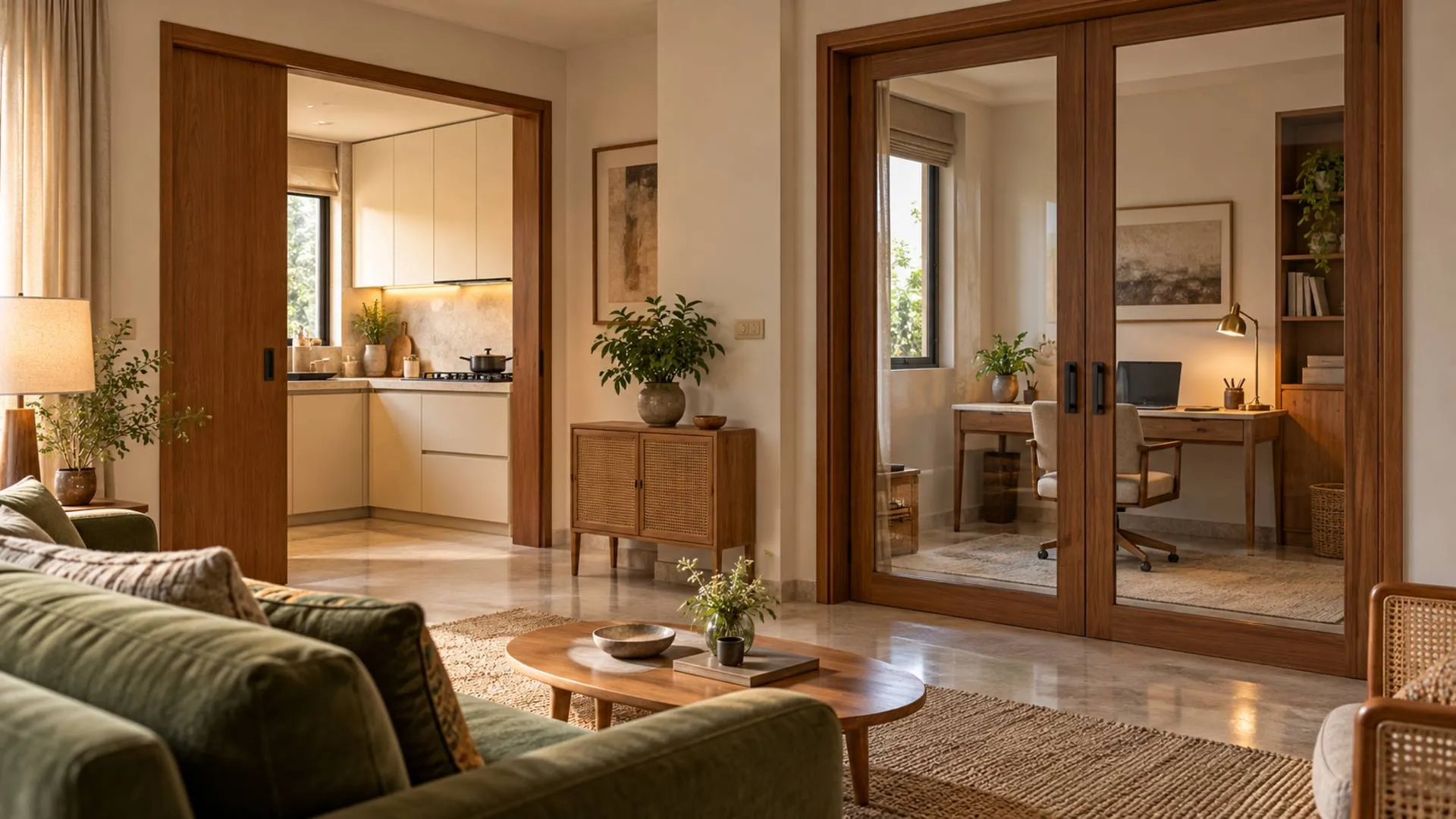
- Large windows that maximize natural daylight
- Natural ventilation systems
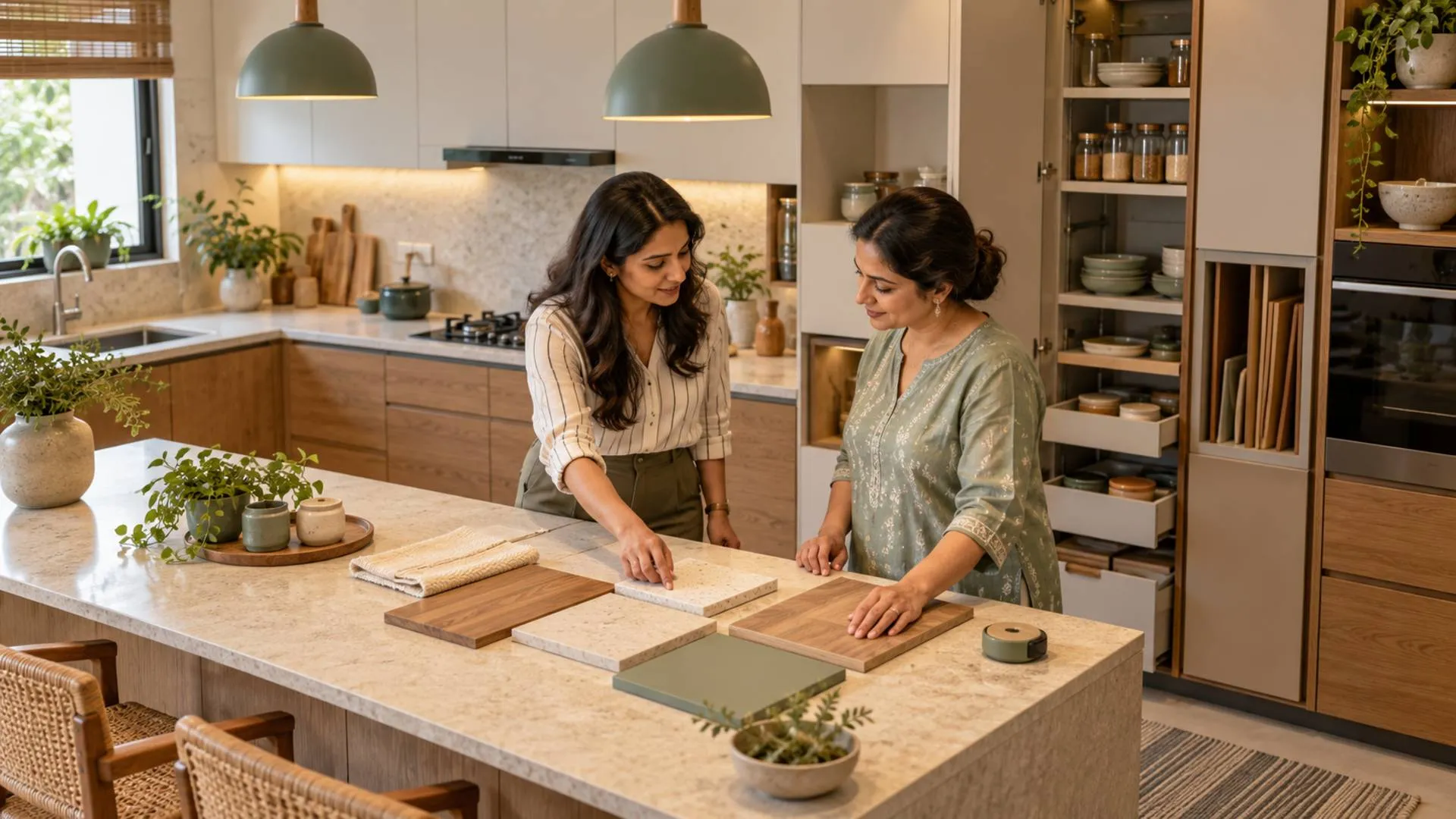
- Wooden, bamboo and stone finishes
- Water features and indoor courtyards
- Nature-inspired textures, colours and materials
- Balcony gardens and edible green spaces
Many new residential projects are also incorporating landscaped terraces, sky gardens and community green zones to create stronger connections with nature.
A Smart Solution for India’s Climate Challenges
With rising temperatures becoming a concern across Indian cities, biophilic design is also emerging as a practical solution. Features such as shaded balconies, green walls and improved airflow help regulate indoor temperatures naturally, reducing dependence on air conditioning and lowering energy consumption.
Sustainability is no longer an optional feature; it is becoming a key selling point in the real estate market.

Why Builders Are Investing in Nature-Led Spaces
Developers are increasingly recognizing that buyers value wellness-focused amenities as much as location and connectivity. Projects that incorporate biophilic architecture often stand out in a competitive market, attracting environmentally conscious homebuyers and investors.
As the line between wellness, sustainability and real estate continues to blur, biophilic design is expected to remain one of the defining home trends of the decade.
The Future Is Green
The word from India’s homebuyers is loud and clear: they are looking for healthier, greener and more meaningful living spaces. Bringing nature indoors in 2026 isn’t just a design preference; it’s becoming a way of life.
Looking for the future home that mixes comfort, wellness and sustainability? See how nature can change the way you live and discover residential developments that incorporate biophilic design.