Beyond the Metros: India’s Next 11 Real Estate Markets to Watch
India’s next property story is taking shape beyond its biggest skylines.
SHARE:
India’s next property story is taking shape beyond its biggest skylines.
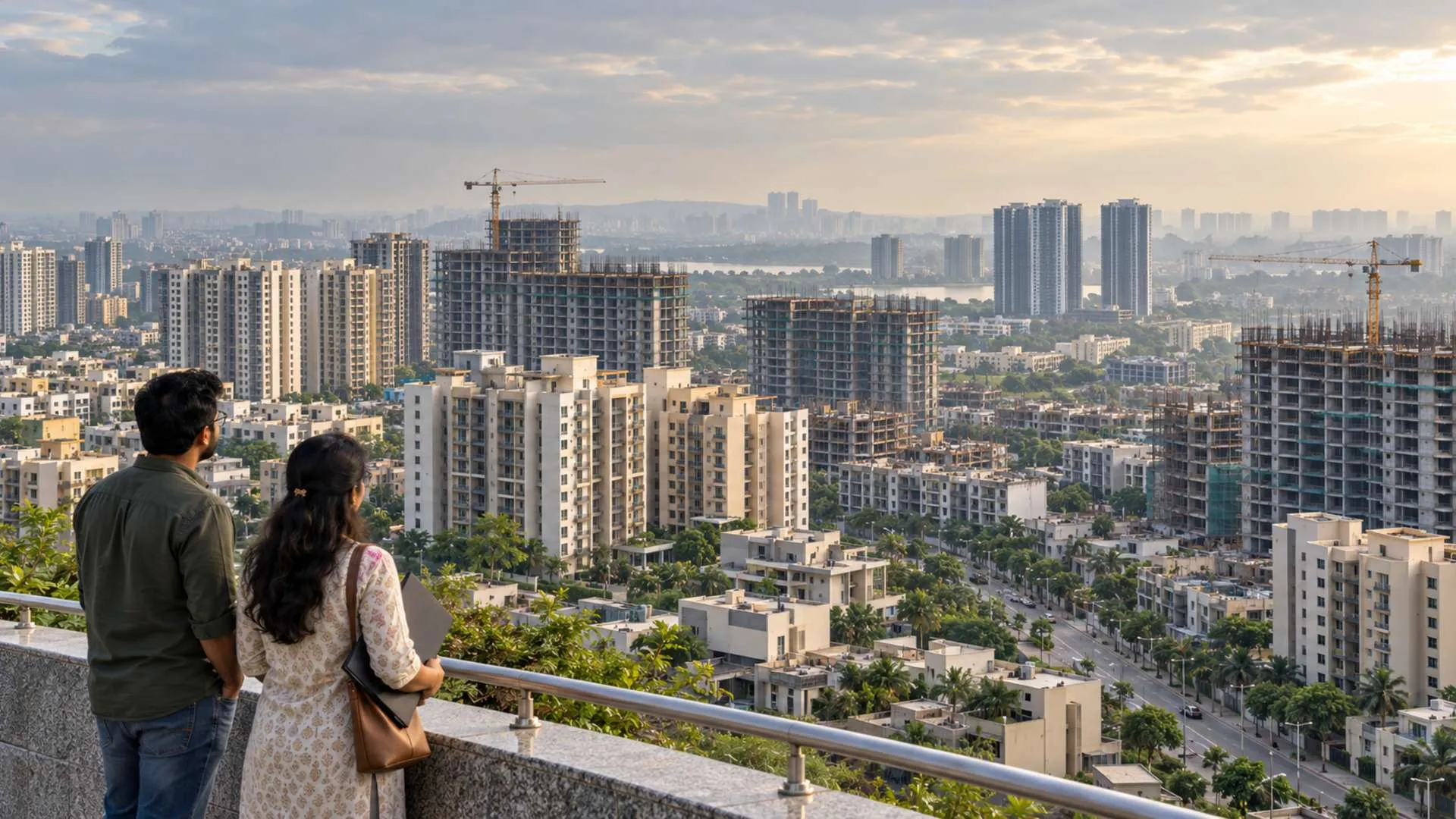
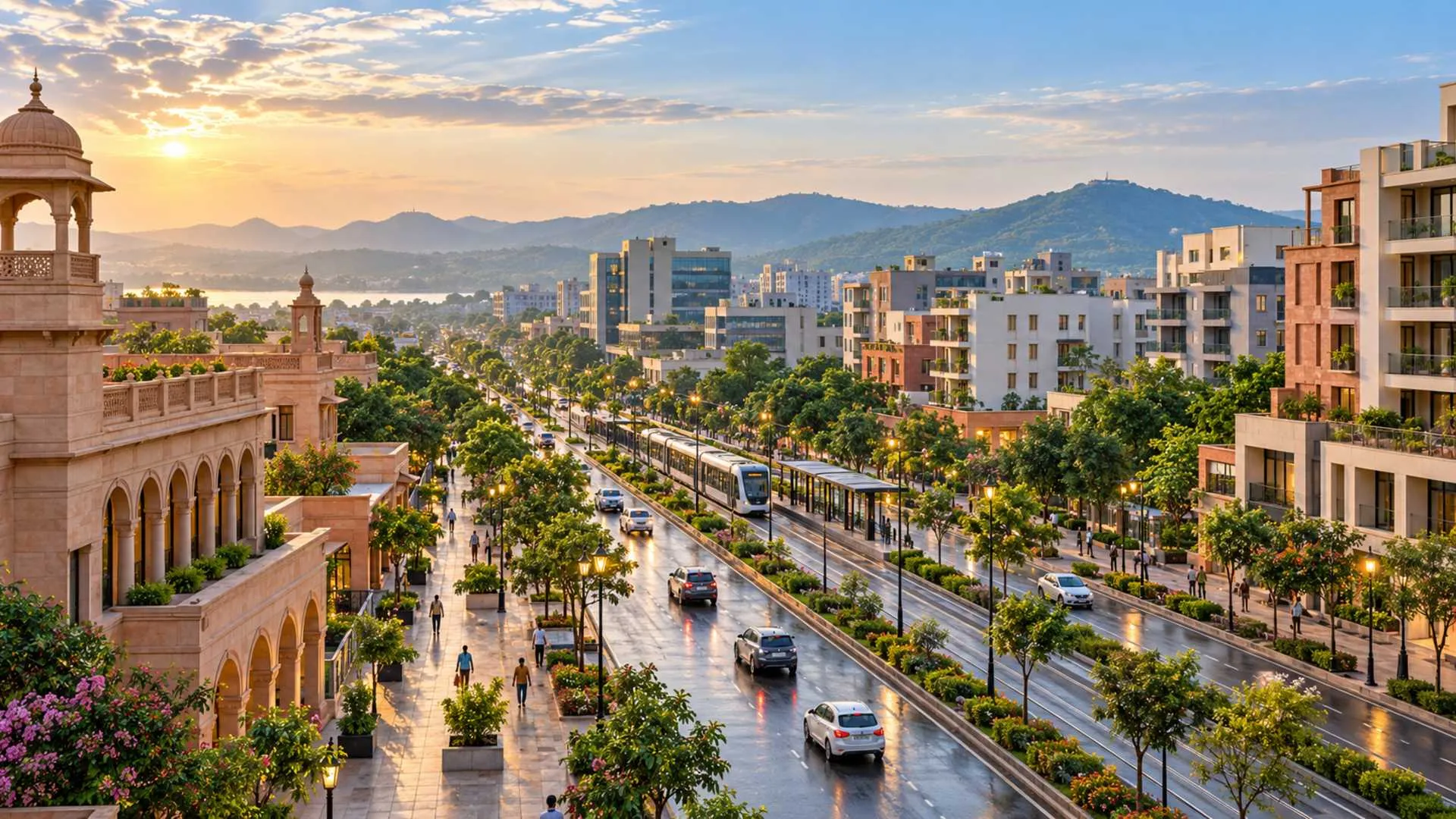
From Bhopal and Bhubaneswar to Kochi and Coimbatore, a group of emerging markets is drawing attention for residential price growth that has outpaced the country’s largest property hubs.
According to Fortune India, a CII-Knight Frank Report found that residential prices across 11 emerging markets rose 63% between 2021 and 2026, compared with 42% across India’s top eight cities.
That is a 21-percentage-point gap, enough to challenge the assumption that metropolitan addresses always deliver stronger appreciation.
For developers, the findings widen the map of potential demand. For homebuyers and investors, they raise a harder question: which emerging markets can turn recent momentum into lasting value?
The opportunity lies in identifying places where economic activity can support housing demand long after the launch campaign ends.
Which are India’s next 11 real estate markets beyond the metros in 2026?
The CII–Knight Frank India report identifies Bhopal, Bhubaneswar, Chandigarh Tricity, Goa, Indore, Jaipur, Kochi, Lucknow, Nagpur, Visakhapatnam and Coimbatore as India’s next 11 emerging real estate markets. Their selection reflects economic fundamentals, infrastructure investment and consumption trends. The list identifies markets to examine; it does not rank them by guaranteed investment returns. Moneycontrol reports the findings.
The geography matters. This broadens the property market across northern, central, eastern, southern, and western India.
It also requires precise language. Goa is a state-level market, while Chandigarh Tricity is a regional market. Treating every entry as a single, uniform city would conceal the differences buyers need to investigate.
What the price-growth numbers actually tell us
The five-year comparison is striking, but a longer view adds context.
Moneycontrol reports an average residential price compound annual growth rate of 8% across the 11 markets between 2016 and 2026, against 4% across the top eight markets.
These figures describe different periods: 63% is cumulative growth over five years; 8% is the reported annual compound growth rate over ten years. They should not be presented interchangeably.
Nor does the headline mean every neighbourhood, project or property appreciated by 63%. A market-level result cannot establish the return on a particular apartment.
For property investment in India in 2026, the useful takeaway is that emerging markets deserve closer investigation. The next step is to compare actual transaction evidence, local rents and competing supply.
A city can experience rising quoted prices while individual owners face a slow resale. Appreciation and the ability to realise that appreciation are separate questions.
The 11 markets and how much homes reportedly cost
The price ranges below are reported by Business Standard, citing Knight Frank Research. They provide a broad comparison rather than a quotation for any specific development.
| Emerging market | Reported residential price range |
| Bhopal | ₹5,000–₹7,000 per sq ft |
| Bhubaneswar | ₹6,550–₹8,550 per sq ft |
| Chandigarh Tricity | ₹7,500–₹10,500 per sq ft |
| Goa | ₹11,500–₹13,500 per sq ft |
| Indore | ₹5,500–₹7,500 per sq ft |
| Jaipur | ₹7,000–₹9,000 per sq ft |
| Kochi | ₹7,000–₹9,000 per sq ft |
| Lucknow | ₹6,500–₹8,500 per sq ft |
| Nagpur | ₹4,500–₹6,500 per sq ft |
| Visakhapatnam | ₹4,500–₹6,500 per sq ft |
| Coimbatore | ₹6,000–₹8,000 per sq ft |
An emerging market is not automatically an inexpensive market. The spread between the lowest and highest ranges makes that clear.
A buyer exploring Nagpur property investment faces a different budget equation from someone considering Goa real estate. Likewise, an Indore-versus-Jaipur comparison needs to account for the particular neighbourhood, building and usable area.
Before applying a per-square-foot figure to a budget, establish the area basis. Carpet area, built-up area and saleable area cannot be substituted for one another.
For a ₹50 lakh investment budget, begin with the complete acquisition cost. A property that fits the advertised price ceiling may leave too little for transaction expenses, interiors and a financial reserve.
Why the story extends beyond residential launches
Housing gains are more convincing when other forms of property activity support them.
Fortune India reports 11.2 million sq ft of warehousing leasing across key Tier-2 markets in 2025, broadly stable against 11.4 million sq ft in 2024. Lucknow, Jaipur, Nagpur, Indore, Coimbatore and Bhubaneswar together accounted for 5.3 million sq ft.
The distinction is important: a substantial leasing footprint demonstrates activity, but these figures do not show accelerating total warehousing demand.
Infrastructure is another factor. CII-Knight Frank reports that infrastructure’s share of government capital expenditure increased from 39% in FY2015 to 55% in FY2026, alongside a three-year public-private partnership pipeline of 852 projects worth ₹17 lakh crore.
Those are broad investment indicators, not proof that every proposed project will benefit every locality.
The practical test is whether connectivity becomes useful economic activity. Does it help businesses operate? Does it improve access to employment? Does it make a neighbourhood more convenient for residents?
For developers, this creates scope to compete through product quality, delivery and local relevance. Buyers should look for homes designed around the needs of likely residents, rather than accept a generic “next growth corridor” pitch.
Tier-2 property versus a flat in Pune or Mumbai
A buyer comparing an emerging-city home with a flat in Pune or a flat in Mumbai should first decide what the purchase must accomplish.
For self-use, proximity to work, family, healthcare and schools may outweigh appreciation forecasts. For investment, tenant demand, ownership costs and resale prospects become more important.
The same budget can produce very different outcomes. A larger apartment in a smaller market may be attractive, but size alone does not establish rental demand. A smaller property elsewhere may suit a more clearly defined tenant group.
Compare complete investment cases, rather than city labels.
An investor weighing Indore, Jaipur and Lucknow should examine achieved rents in comparable occupied buildings, time taken to find tenants and the number of competing homes available.
NRIs face an additional operational question: who will inspect, maintain and manage the property? Familiarity with a hometown can be valuable, but it should sit alongside documented checks and a workable management arrangement.
There is no evidence in the cited reports establishing one of the 11 markets as the best NRI investment destination.
Similarly, these price-growth findings do not establish that Tier-2 rental yields exceed metropolitan yields. Purchase prices and rental income must be assessed together.
What buyers should verify before following the growth story
A promising city cannot compensate for a poorly selected property.
Before booking, buyers should:
- Check applicable state RERA records: match the registration to the project, phase and promoter.
- Investigate delivery history: visit completed developments and speak with residents.
- Test rental and resale demand: examine comparable properties rather than projected returns.
- Inspect everyday infrastructure: assess access roads, water, drainage and neighbourhood services.
- Separate existing infrastructure from proposals: establish whether a claimed benefit is operational, under construction or planned.
Registration should form part of due diligence, alongside appropriate checks of title, approvals and contractual terms.
Buyers should also ask how they would exit the investment. Who is likely to buy the property later? How does it compare with newer competing developments? Could the owner hold it through a longer selling period?
These questions turn a broad property search in India into a specific decision.
A wider property map, with a more demanding investment test
The long-term opportunity is substantial. Moneycontrol reports a projection that India’s real estate output could reach US$5.8 trillion by 2047, with Tier-2 and Tier-3 markets contributing 25–30%. This is a forecast, not an assured outcome.
India’s next 11 real estate markets beyond the metros offer a broader field for buyers and developers. Their appeal will ultimately depend on whether homes meet local needs, businesses generate sustained activity and infrastructure improves daily life.
Recent appreciation earns a market’s attention. Durable demand earns it a stronger investment case.
Before choosing an emerging-city property, compare the neighbourhood, developer, ownership costs and exit options. Follow more data-led coverage of India’s changing property landscape at RealtyConnect.