

Why 2BHK Homes Now Capture 46% of India’s Rental Demand
2BHK homes captured 46% of India’s rental demand in Q2 2026.
SHARE:
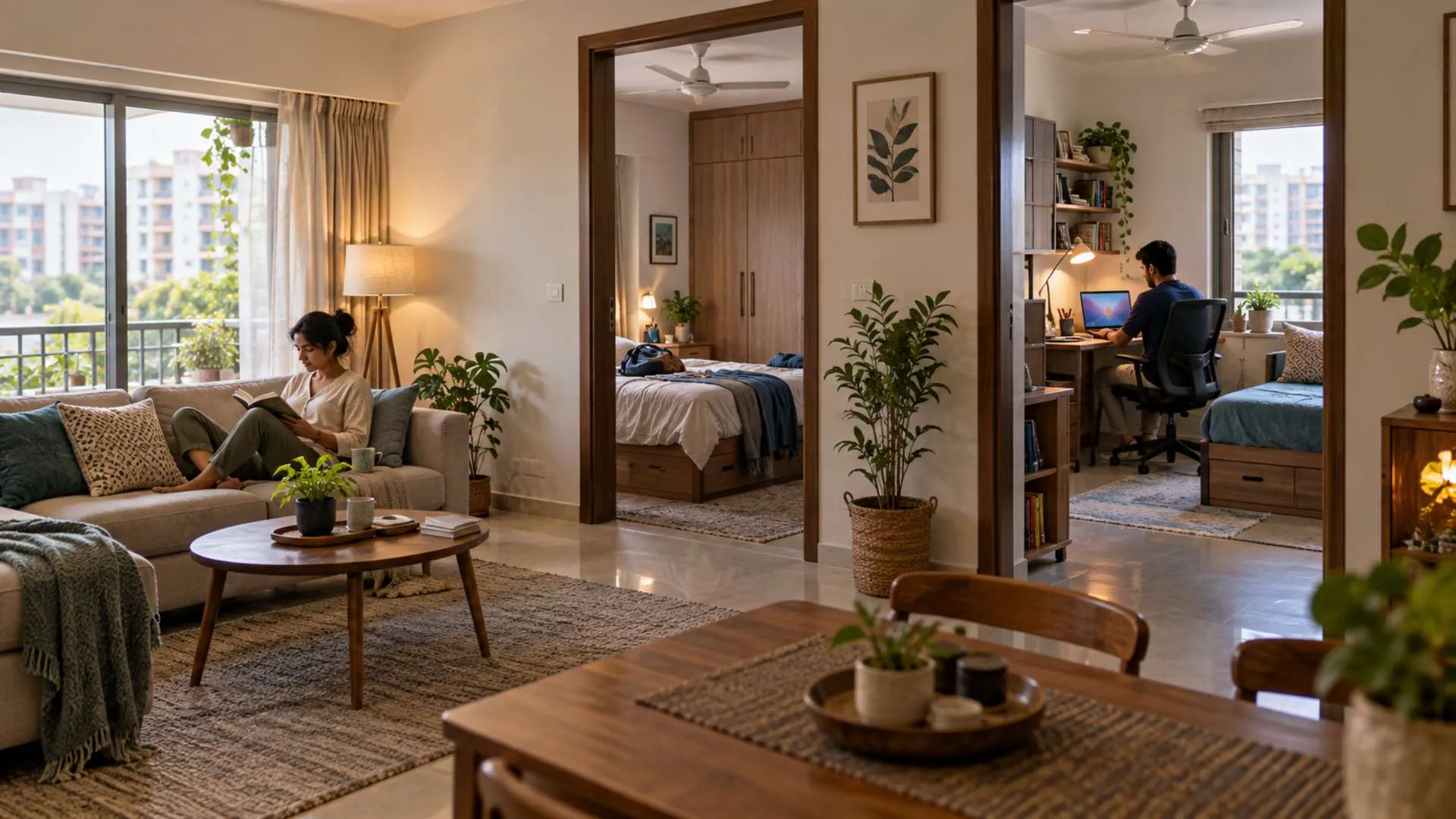
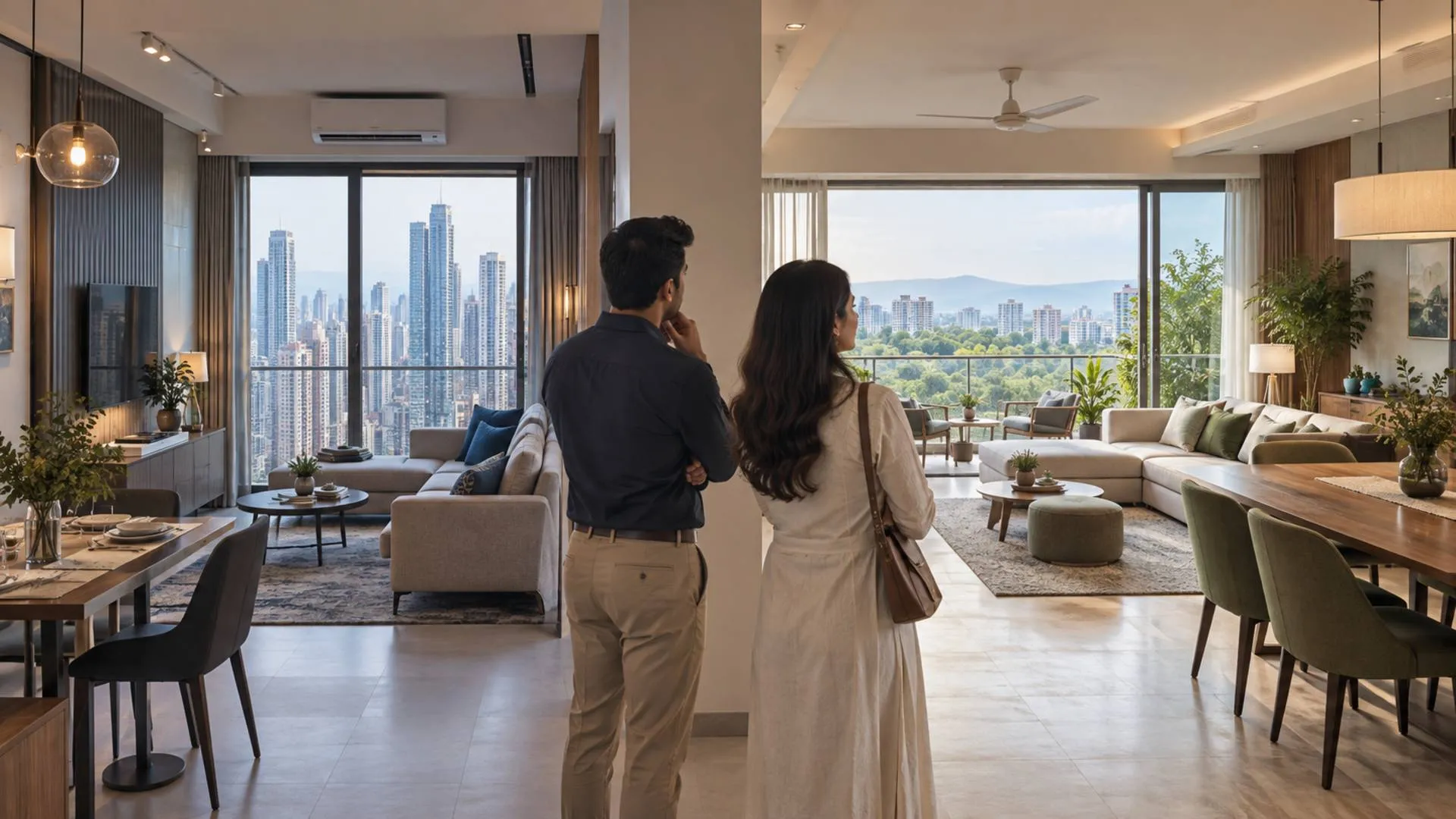
Indian renters are making it clear to landlords and developers that one bedroom is often too small, but three can be too expensive. The 2BHK is now the compromise that feels more and more like a whole house.
According to the latest Magicbricks Rental Index, 2BHK accounted for a 46% share in residential rental-search demand in Q2 2026. In comparison, 1BHK apartments comprised 30%.
As India’s rental market heats up, this preference is playing out. In April-June 2026, overall rental demand increased by 16% quarter-on-quarter and available supply grew by just 4.5%.
The 2BHK is gaining popularity as it gives tenants an extra room without forcing them straight into the expense of a larger family home.
Why Is 2BHK the Most Popular Rental Home in India?
A 2BHK balances affordability, privacy and flexibility for couples, small families, professionals sharing a home and hybrid workers. It can provide a bedroom plus a home office, accommodate visiting parents, or allow two tenants to split the rent. In Q2 2026, this versatility helped 2BHK homes capture 46% of India’s rental-search demand.
The figure represents searches recorded in the Magicbricks Rental Index. It should not be interpreted as 46% of every registered lease in India.
The Numbers Reveal India’s Rental Sweet Spot
According to Business Standard, India’s residential rental-search market represents an estimated annual demand opportunity of ₹7.53 lakh crore.
Tenant choices are concentrated around four preferences:
- 2BHK homes account for 46% of rental demand.
- Homes measuring 500–1,000 sq ft also capture 46%.
- Semi-furnished apartments represent 55% of demand.
- Monthly rents between ₹10,000 and ₹30,000 account for 56%.
Within that budget, the ₹10,000–₹20,000 range leads with 35% of demand, while homes costing ₹20,000–₹30,000 contribute another 21%.
These figures explain why the ₹10,000–₹30,000 rental bracket is India’s most contested segment. It sits close to what many salaried households can manage while still offering access to employment centres and basic social infrastructure.
The ₹7.53 lakh crore figure measures estimated rental-demand potential. It is not confirmed rent collected by landlords or the market value of rental properties.
One Extra Room Now Serves Several Purposes
The second bedroom is no longer reserved only for a second child. It can become a workspace, study, guest room, storage area, or private bedroom for a flatmate.
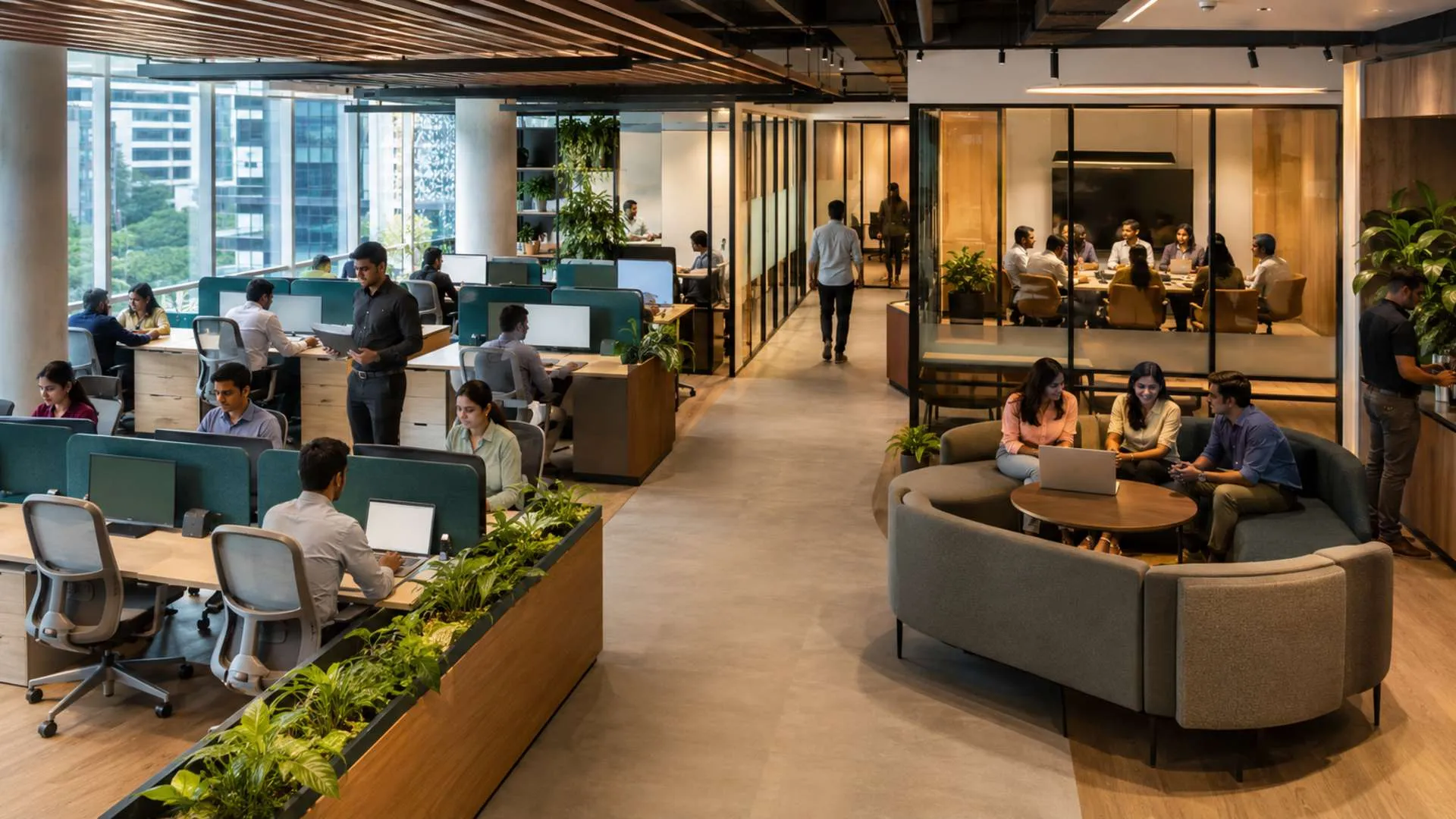
Hybrid work has strengthened this flexibility. A professional working from home several days each week may find a 1BHK difficult when the living room must function as both an office and a shared family space.
For two unrelated professionals, a 2BHK can also be more economical than renting separate 1BHK units. Shared rent, utilities and maintenance reduce the individual burden without eliminating bedroom privacy.
Srijan Realty similarly identifies affordability, space efficiency, resale potential and suitability for nuclear families as major reasons behind the configuration’s wider popularity.
2BHK vs 1BHK: Which Is Better for Rental Investment?
A 1BHK may require less capital and can produce an attractive percentage yield in markets with large populations of students and single professionals. Maintenance and furnishing costs may also be lower.
A 2BHK, however, reaches a broader tenant pool:
- Couples planning to start a family
- Small families with children
- Flatmates sharing accommodation
- Hybrid and remote workers
- Tenants requiring space for parents or guests
This wider demand can support occupancy and reduce the risk of depending on one tenant category. A 2BHK may also remain relevant for longer as a household’s space requirements change.
The better investment is not automatically the larger apartment. Investors must calculate annual achievable rent against the complete acquisition cost, including stamp duty, registration, furnishing, maintenance, property tax, repairs and vacancy.
Why Semi-Furnished Homes Are Winning
Semi-furnished homes accounted for 55% of rental demand during the quarter. They often provide essentials such as wardrobes, kitchen storage, lighting and fans without charging the premium associated with a fully furnished apartment.
This arrangement also gives tenants flexibility to use their own beds, appliances and furniture. For landlords, it can reduce replacement costs and disagreements over damaged furnishings.
A well-prepared 2BHK therefore does not need expensive interiors to compete. Functional storage, reliable plumbing, sufficient electrical points, internet readiness and basic appliances may matter more than elaborate décor.
How Demand Changes Across Mumbai, Pune, Bengaluru and NCR
The nationwide 46% share does not create one standard rent for a 2BHK. Local employment, transport, project quality and supply determine the amount.
Moneycontrol has previously highlighted strong demand for 2BHK rentals in Mumbai, where high purchase prices make renting practical for many households. A 2BHK flat for rent in Mumbai can vary dramatically between peripheral suburbs and premium business districts.
In Pune, Hinjawadi, Kharadi and Wakad attract professionals seeking access to technology and corporate employment. A 2BHK flat for rent in Pune often appeals to working couples, small families and colleagues sharing accommodation.
Bengaluru’s Whitefield and Outer Ring Road markets benefit from large technology-workforce catchments, while Greater Noida recorded a 32.5% quarterly increase in overall rental demand during Q2 2026. Delhi followed with growth of 30.6%.
These percentages measure changes in demand, not the share attributable exclusively to 2BHK apartments.
The Investor Opportunity and the Catch
A strong tenant base can improve occupancy, but buying the wrong 2BHK can still lead to weak returns. Investors should examine:
- Achievable rent within the same project
- Competing rental inventory nearby
- Distance from offices and public transport
- Carpet area and layout efficiency
- Society maintenance charges
- Tenant profile and typical lease duration
The residential Magicbricks PropIndex separately found that 2BHK homes accounted for 42% of purchase-search demand in Q2 2026. That reinforces the configuration’s liquidity, although purchase and rental data should not be treated as the same market.
Will 2BHK Rental Demand Remain Strong?
The 2BHK is likely to remain a central rental format because it serves multiple household types without becoming excessively large. Its position could strengthen if homeownership remains expensive and hybrid working continues.
Demand may still shift by city. Smaller units can dominate highly expensive urban cores, while tenants in affordable peripheral markets may upgrade to larger homes.
For landlords, the winning formula is not simply “buy a 2BHK.” It is to buy the right-sized home at the right price within a genuine tenant catchment.

FAQs:
 Maharashtra Plans Blockchain Property Tokens: What Could Change for Owners?