Texture-Maxxing Replaces Flat Minimalism in Luxury Indian Homes
Luxury Indian Interior Design Trend 2026
SHARE:
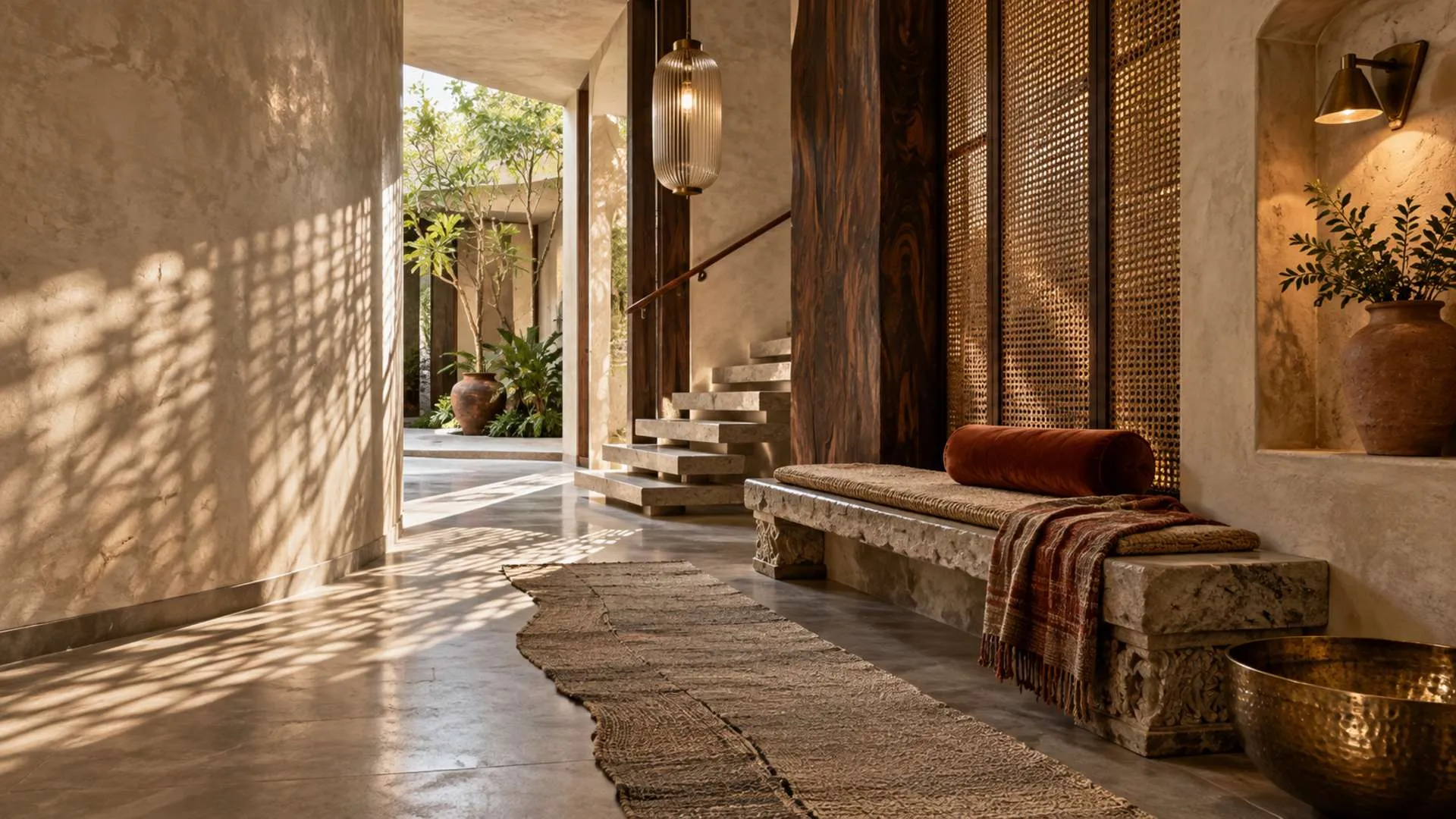
The living room, which was originally a perfect grey, can no longer be regarded as luxurious. In premium Indian homes in 2026, flat walls, shiny cabinets and furniture that matches everything else are being replaced by rooms that reveal their character gradually, through the use of limewash alongside dark timber, linen contrasted with velvet, carved stone beneath aged brass, and handwoven textiles picking up the afternoon light.
The trend has a name that suits social media well: texture-maxxing, but its attraction goes beyond being new. It satisfies an increasing desire for homes that seem personal, comfortable and based on real craftsmanship. The texture-maxxing luxury trend in Indian interiors for 2026 is not a move back to clutter. It is a shift from visual perfection to sensory depth.
The fact that this is happening is of commercial importance; a study by Magicbricks, reported by The Times of India, estimated that India’s home interiors market is worth around $12.3 billion and could grow to $24.5 billion by 2030 at an annual rate of about 12%. Since people are now spending more on customised spaces, the Interior Design India 2026 event is becoming more focused on the feel of surfaces rather than just on how they look in photographs.
What is texture-maxxing, and how do I do it in my Indian home?
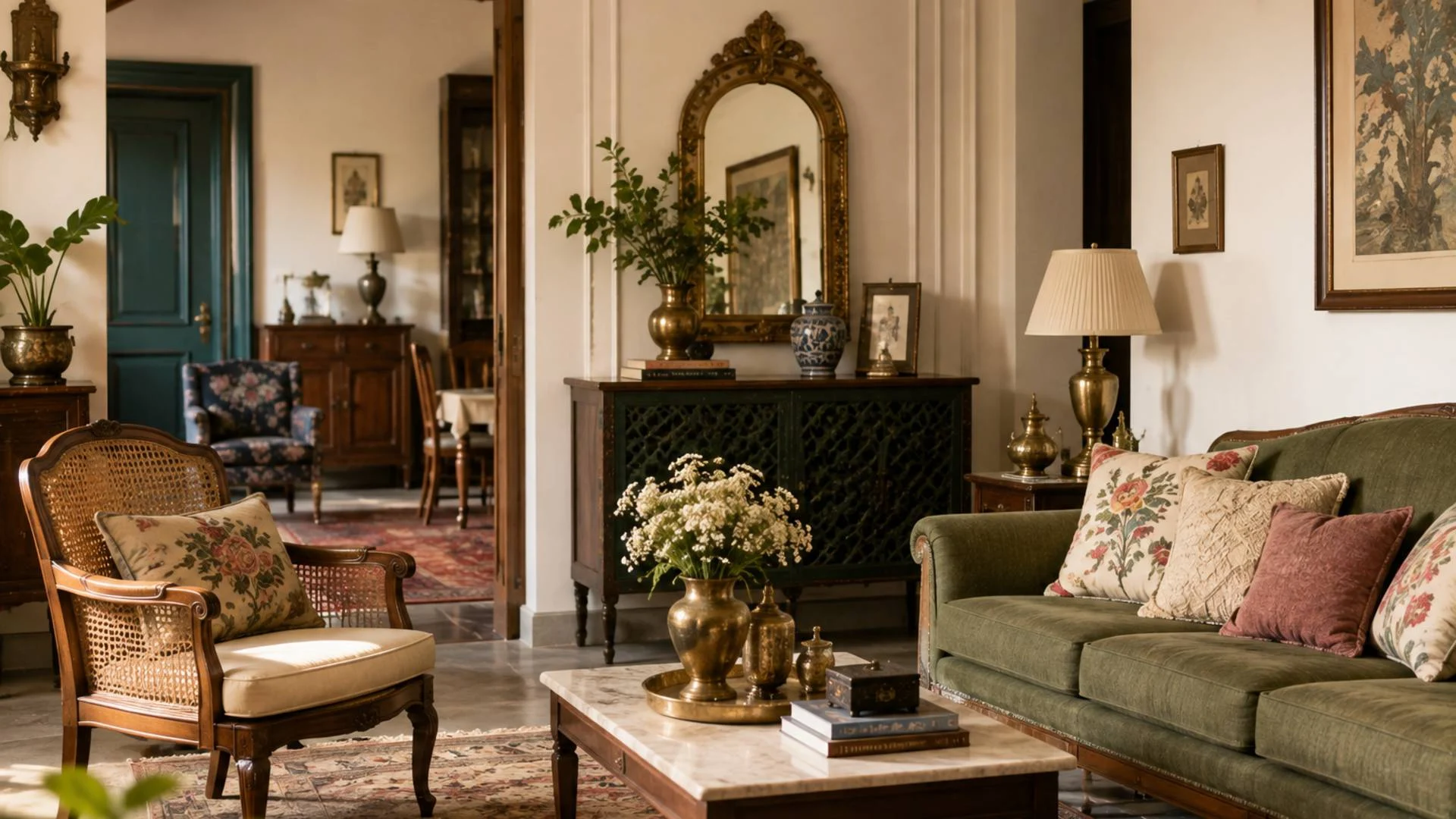
Texture-maxxing is the deliberate layering of contrasting tactile materials, such as linen, velvet, timber, stone, cane and brushed metal, within one controlled colour story. Start with a quiet base, add three to five textures at different scales, repeat one material for cohesion and leave some surfaces plain. In Indian homes, sheesham, rattan, handloom cotton, terracotta, limewash and aged brass create warmth without requiring maximalist clutter.
That distinction matters. Maximalism often builds drama through colour, pattern and collections. Texture-maxxing can operate in an ivory room with almost no ornament. Model Home Accents describes the shift as one from showroom-like minimalism towards “lived-in luxury,” built by combining materials such as wood, wool and stone. In other words, the room may remain minimal in objects while becoming maximal in touch.
Why cold minimalism is losing ground
For years, premium interior design Pune and home interior design Mumbai briefs leaned heavily on polished marble, cool grey palettes and seamless surfaces. The result looked orderly, but repeated too widely, it could feel anonymous. Today’s buyer still wants clean lines; the difference is that those lines are being softened.
The Indian Textile Journal calls texture a new currency of luxury, pointing to bouclé, brushed linen, natural wood grain, handwoven rugs and handcrafted finishes. Its central observation is telling: clients increasingly ask how a material will feel, age and respond to daylight. The demand is shifting from decoration towards experience.
This is also why “Millennial Grey is dead” has become a convenient headline, although grey itself has not disappeared. It is being warmed with mushroom, taupe and clay, or replaced by cream, ochre, terracotta and sage green. Avian Lifestyle connects the 2026 look with soft geometry and warm minimalism, while Khidki Homes notes the rise of soft neutrals in Indian interiors.
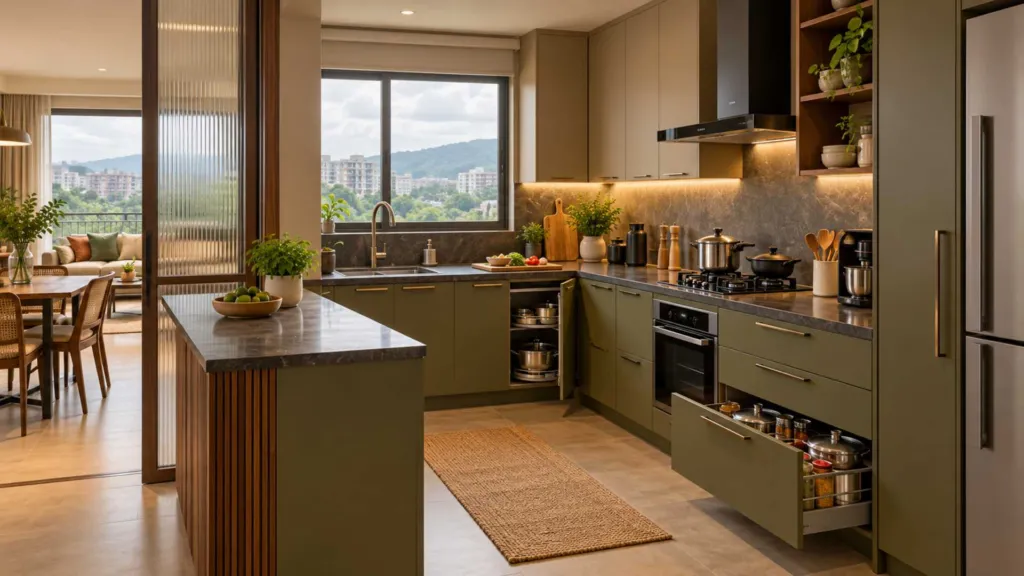
The new luxury is less reflective and more receptive. Matte wood absorbs light; brushed metal glows instead of flashing; a clay-finished wall changes character across the day. For owners asking how to make a minimalist home luxurious and warm in India, that play of light is more persuasive than adding another expensive object.
The materials making Indian rooms look expensive
Texture works best through contrast. Smooth against coarse, crisp against plush and hand-finished against precisely made surfaces produce depth. The goal is not to buy every fashionable material, but to give each one a clear role.
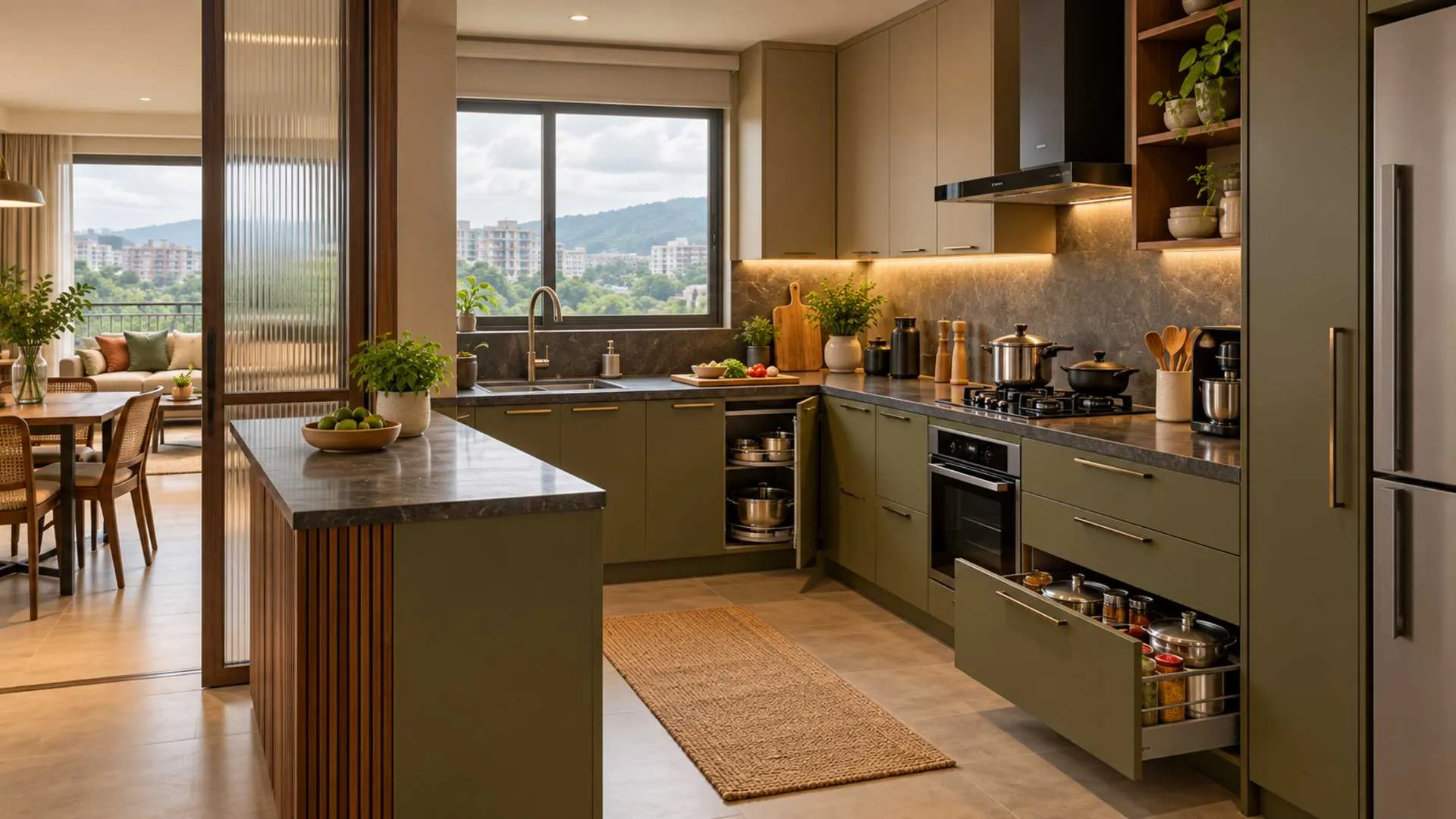
- Walls: Limewash, mineral or clay paint introduces cloudy movement without a loud pattern. Fluted timber, carved panels or subtle plaster can turn a TV wall or foyer into an architectural feature.
- Furniture: Matte sheesham or oak, cane inserts, leather, bouclé and performance velvet bring different tactile weights. Rounded forms prevent a layered room from feeling rigid.
- Textiles: Linen curtains, organic cotton upholstery, wool rugs and block-printed or embroidered cushions deliver the easiest reversible layers.
- Metals and stone: Aged brass, bronze and brushed steel work as punctuation. Honed marble, Kota stone, travertine or rougher Udaipur stone provide a grounded base.
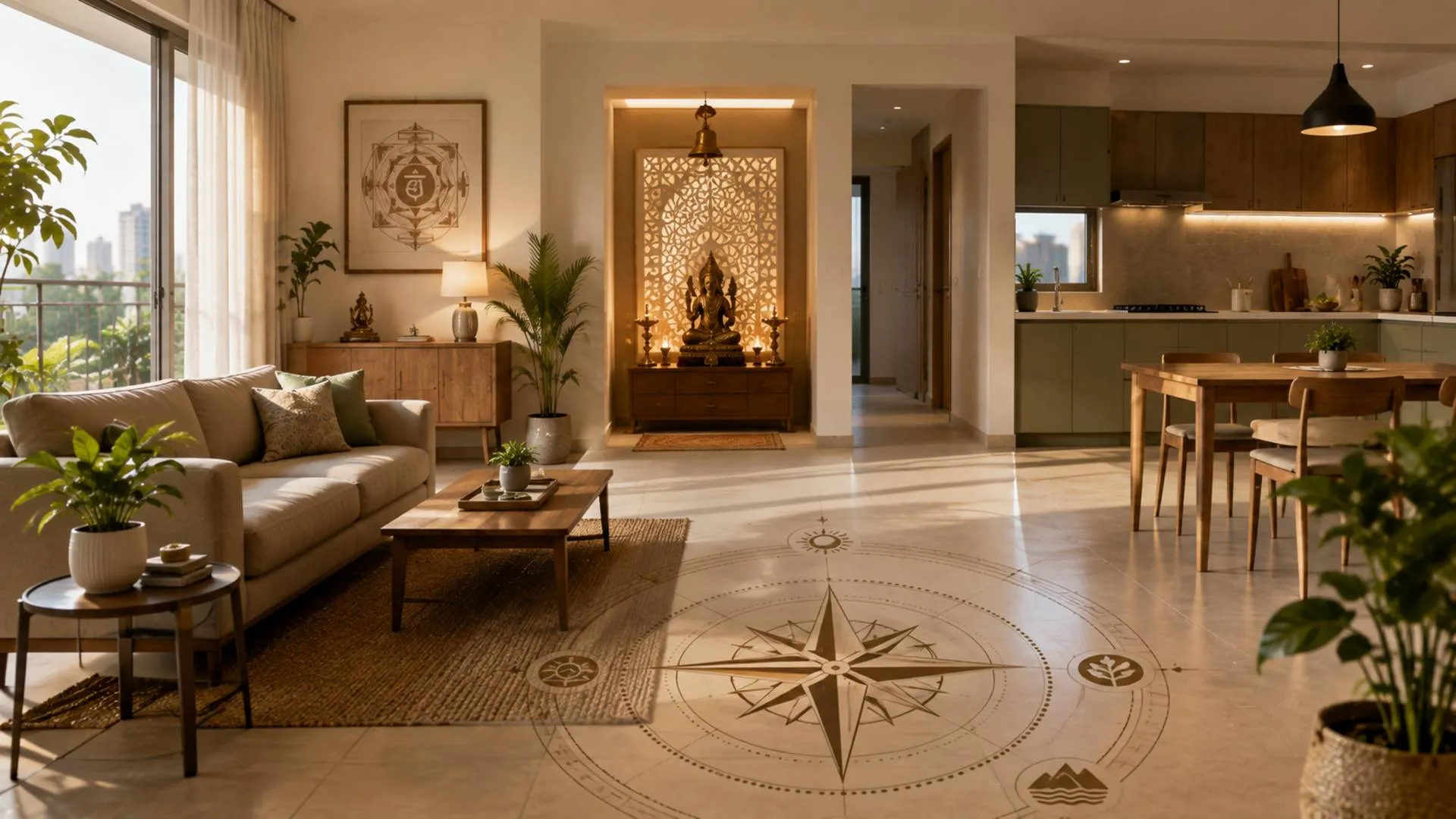
- Craft: Ikat, dhurries, carved wood, rattan, jaali-inspired elements and handmade ceramics give the New Indian Maximalism a culturally rooted identity rather than an imported showroom finish.
The Times of India reports growing interest in hand-carved wood, cane, woven textiles, stone detailing and brasswork. It also offers a useful warning: highly textured elements need quiet space around them. Texture-maxxing fails when every wall, cushion and light fitting competes to be the headline.
A simple texture map for one living room
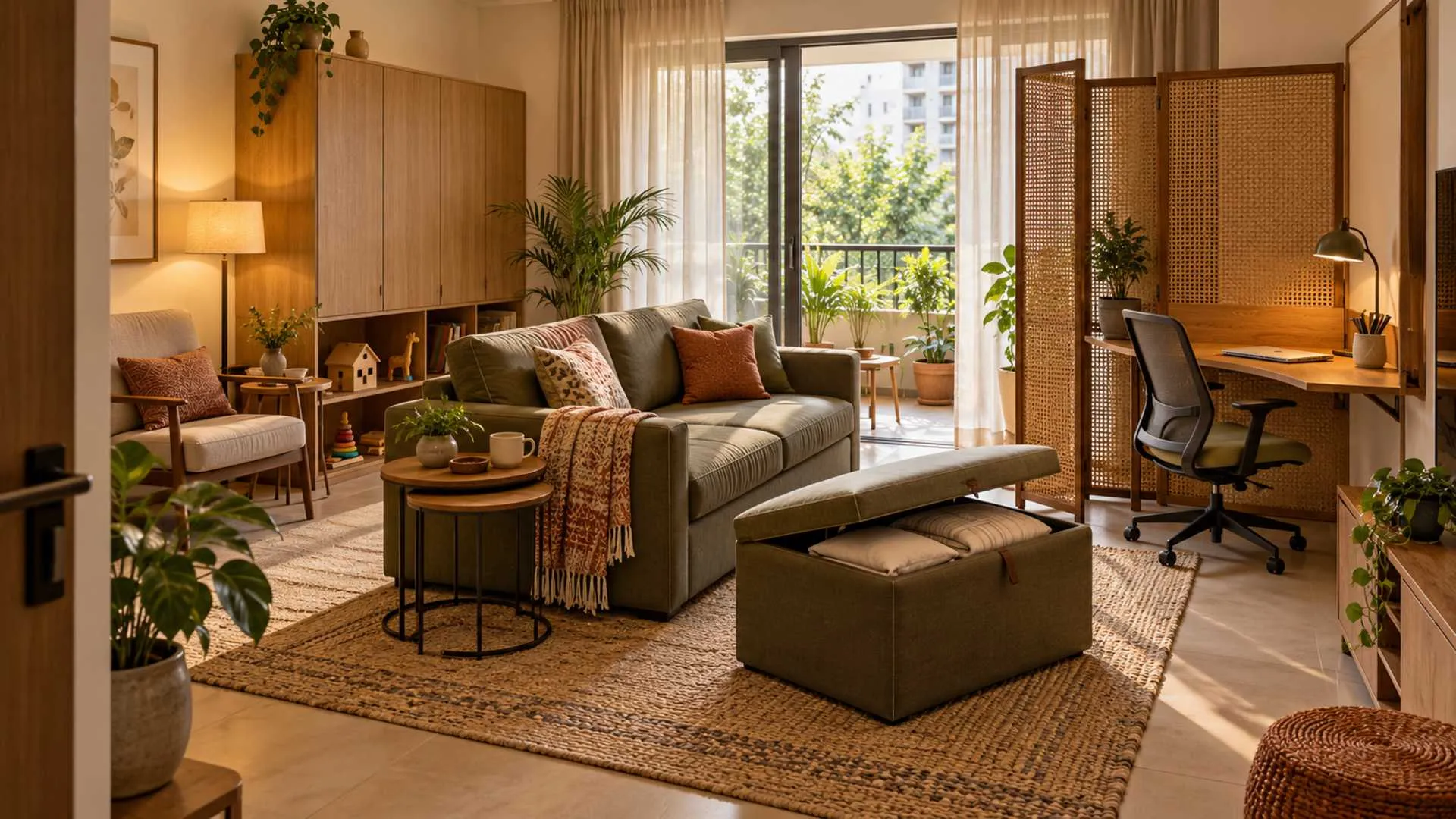
Begin with an off-white limewash wall and a neutral stone or wood floor. Add a linen sofa, two velvet cushions, one handloom cushion and a wool-jute rug. Use a matte sheesham coffee table, then finish with one aged-brass floor lamp and a hand-thrown ceramic vase. The palette remains calm, but seven materially different surfaces prevent the room from appearing flat.
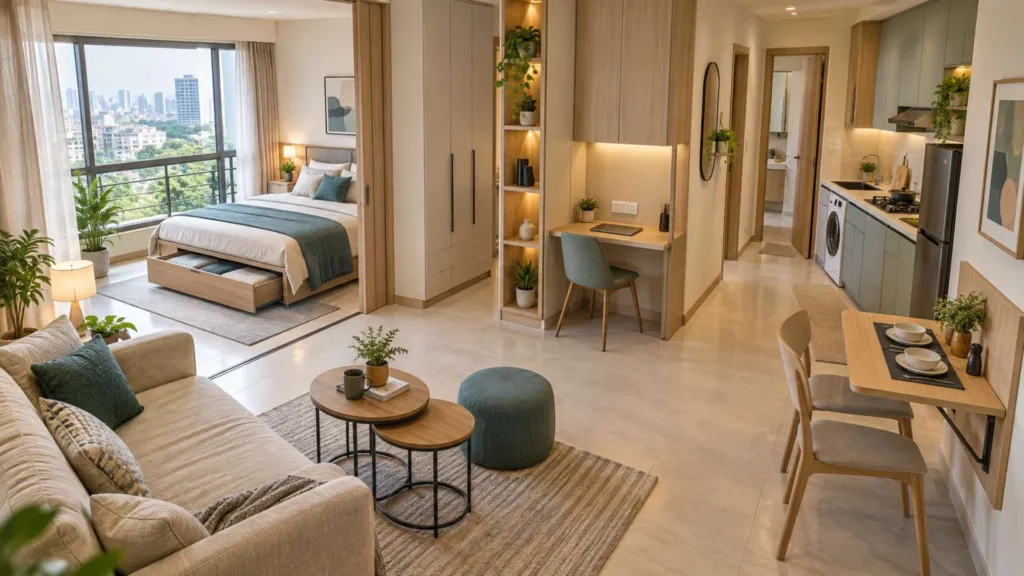
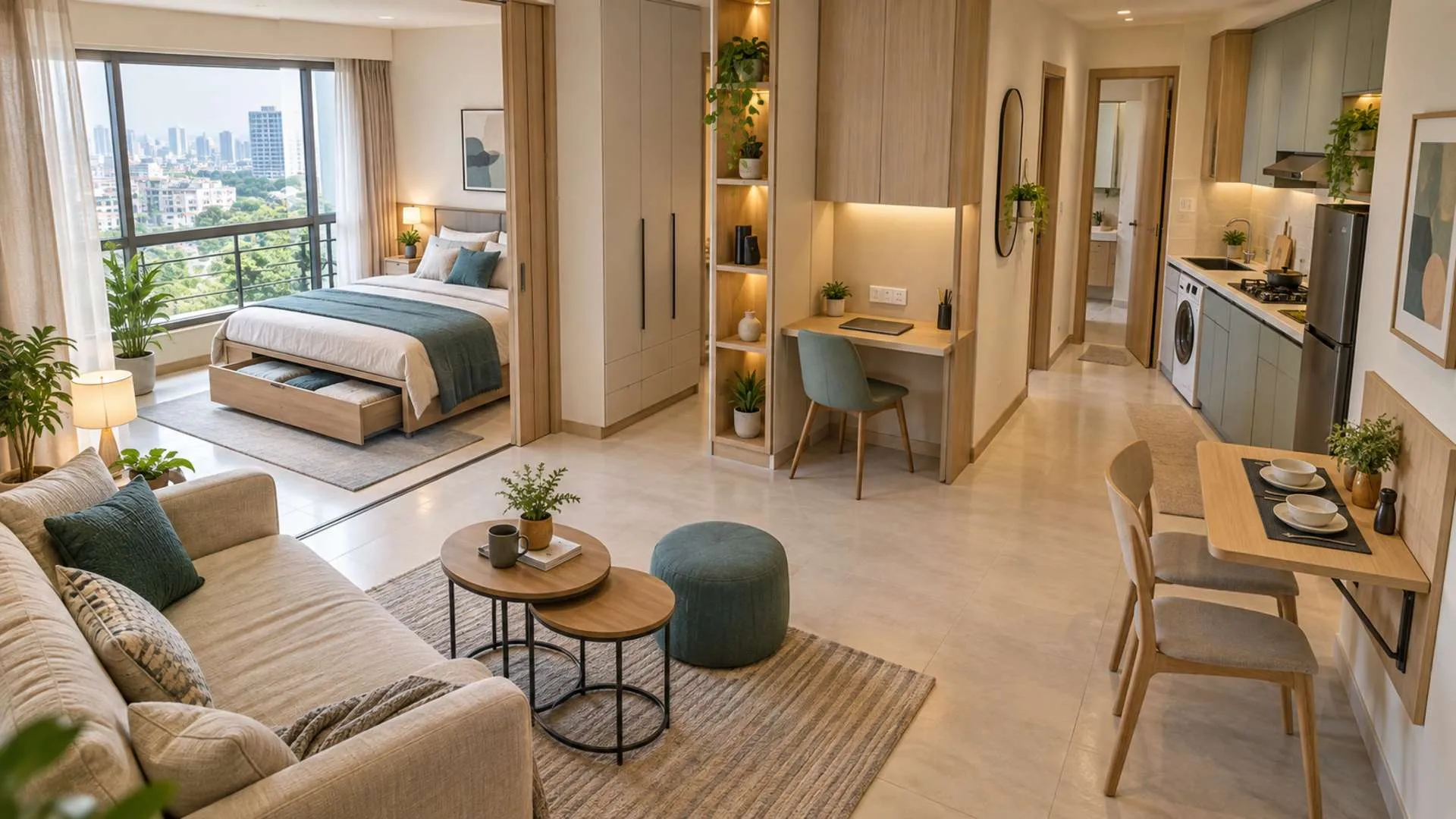
This approach works particularly well in a luxury flat in Pune, a luxury flat in Mumbai, or a premium apartment in Pune, where floor area may be limited. A sculptural wall can replace multiple decorative objects, while curtains, rugs and cushions can be changed without civil work. Outlook Luxe notes that textured walls are compatible with minimalist rooms because material depth can create interest while preserving clean lines.
Can minimalism and texture work together?
Absolutely. Tactile minimalism is arguably the most liveable version of this trend. It retains edited layouts and functional storage, then uses surface variation to avoid sterility. The formula is fewer objects, better materials, stronger contrast.
In a compact Mumbai flat, use one limewash wall rather than all four; full-height linen curtains rather than several window accessories; and a single ribbed-glass pendant instead of multiple decorative lights. In a Baner or Kharadi apartment, a cane-front console, wool-blend rug and matte-wood dining table may be enough to warm a developer-finished shell.
For a larger Pune villa, the material story can widen to rough stone, carved timber, aged brass and layered upholstery, an increasingly relevant brief for searches such as “Imperial Infra Design Pune texture maxxing luxury bungalow” or “luxury villa interior design Pune aged brass texture 2026.” Buyers should still assess any studio through completed work, scope, warranties and client references.
The same restraint separates Indian maximalism from indiscriminate excess. Bottega di Lusso Designs frames the current revival around expressive, layered interiors. In India, the most convincing version does not simply copy Western maximalism; it uses regional craft, family pieces and local materials within a contemporary layout.
How to texture-maxx without overspending
A luxury home design India makeover does not require imported stone or a full renovation. Start with the layers closest to the body: rugs, curtains, bedding and upholstery, because their tactile effect is immediate. Refinish an existing wood table in matte oil, replace shiny chrome handles with brushed brass, and use a large woven pendant to create shadow.
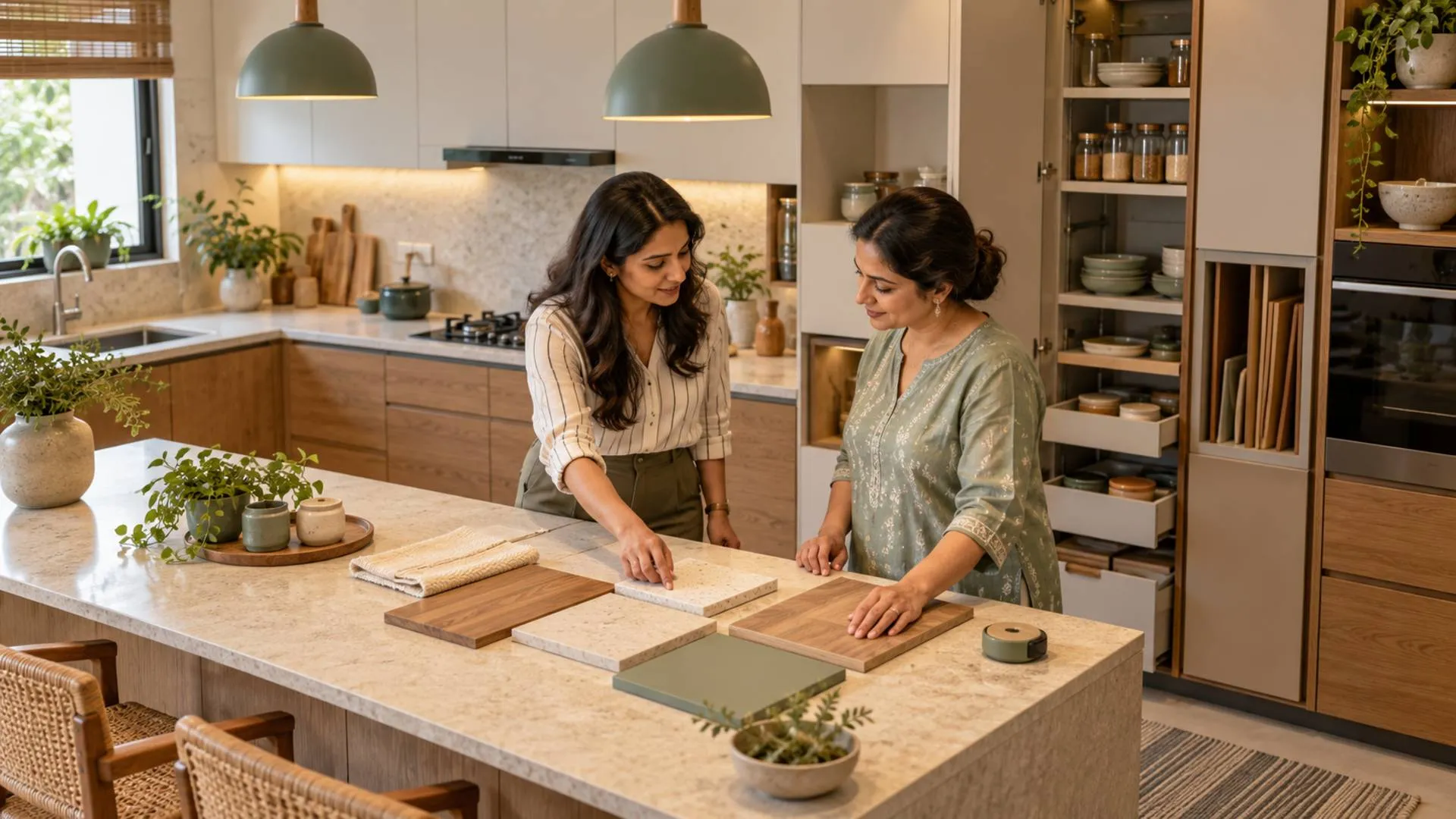
Then spend on one permanent focal surface. Limewash paint versus regular paint is not only an aesthetic decision: application skill, wall preparation, humidity and future touch-ups matter. Test a sample under morning and evening light before approving an entire room. In coastal Mumbai, choose breathable wall systems and mould-resistant specifications; in Pune’s dustier months, heavily grooved surfaces should be limited to areas that are easy to vacuum or wipe.
Three rules protect the budget and the result:
- Keep approximately 60% of the visible room quiet, 30% softly textured and 10% strongly tactile.
- Repeat at least one material or colour three times so the space feels intentional.
- Prioritise real touchpoints, sofas, headboards, handles and floors, over faux texture that only looks convincing from a distance.
Maintenance is part of luxury. Deep bouclé can trap dust, unsealed brass changes colour, natural stone can stain and some limewash finishes are difficult to spot-repair. Ask for cleaning instructions and material samples before installation. A finish that ages honestly can be beautiful; one that deteriorates unexpectedly is merely expensive.
A tactile future for premium Indian homes
Texture-maxxing replaces flat minimalism not by rejecting simplicity, but by giving simplicity a pulse. Natural light moving over limewash, the patina of brass and the irregular weave of handloom fabric allow a room to feel finished without looking overdesigned.
For homeowners comparing the best interior designer Pune, best interior designer Mumbai or a luxury interior designer India, the sharper question is no longer, “Which style can you copy?” It is, “How will this home feel at 8 a.m., after work and five years from now?” The strongest premium interior design Pune and luxury interior design Mumbai schemes will answer through durable materials, local craft and disciplined layering.