

Virar’s Proposed 464-Hectare Township: What Could Grow Around Bullet Train?
Virar Bullet Train Township: What Could Grow Here?
SHARE:
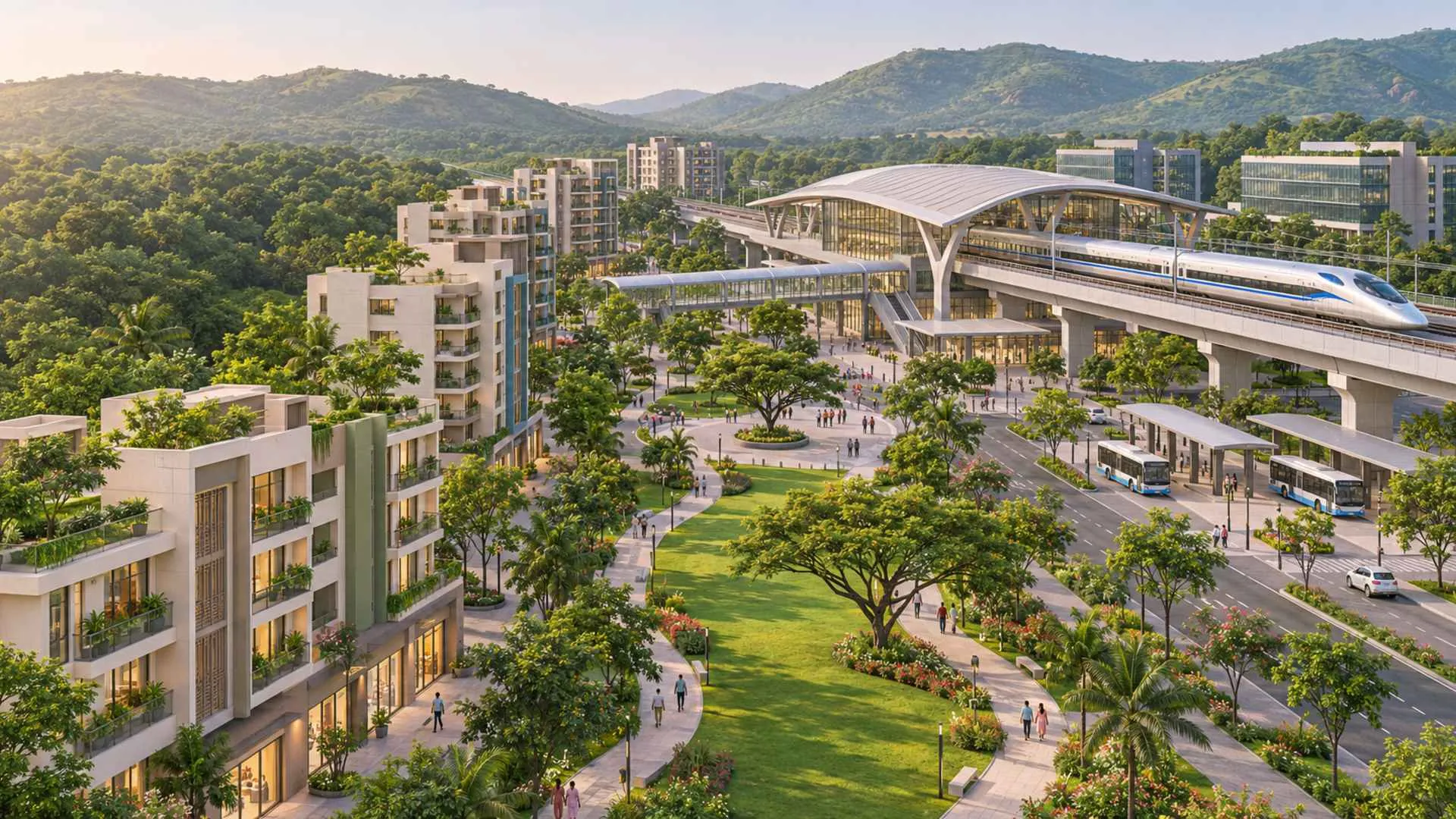


Virar could develop into a new town which includes housing, retail and some preserved green space together with enhanced transport links, all centred on a next-generation bullet train station. This ‘town’ is 464 hectares and has been developed with Japanese help. Again, it provides more structured future development. Whether or not this becomes a reality will depend upon planning being approved, transport links being in place and property prices. It is a planning document currently subject to a period of public consultation so, again, it is not yet a realised town nor can it be relied upon to produce instant property value growth.
What could grow around Virar’s proposed bullet train township?
Virar’s proposed 464.21-hectare township could accommodate homes, businesses, public facilities and transport connections across six villages. The draft allocates 176.85 hectares to residential use and 38.20 hectares to commercial activity, while retaining 148 hectares of forest land. Its development potential depends on statutory approvals and infrastructure delivery.
What Is the 464-Hectare Township Around Virar’s Bullet Train Station?
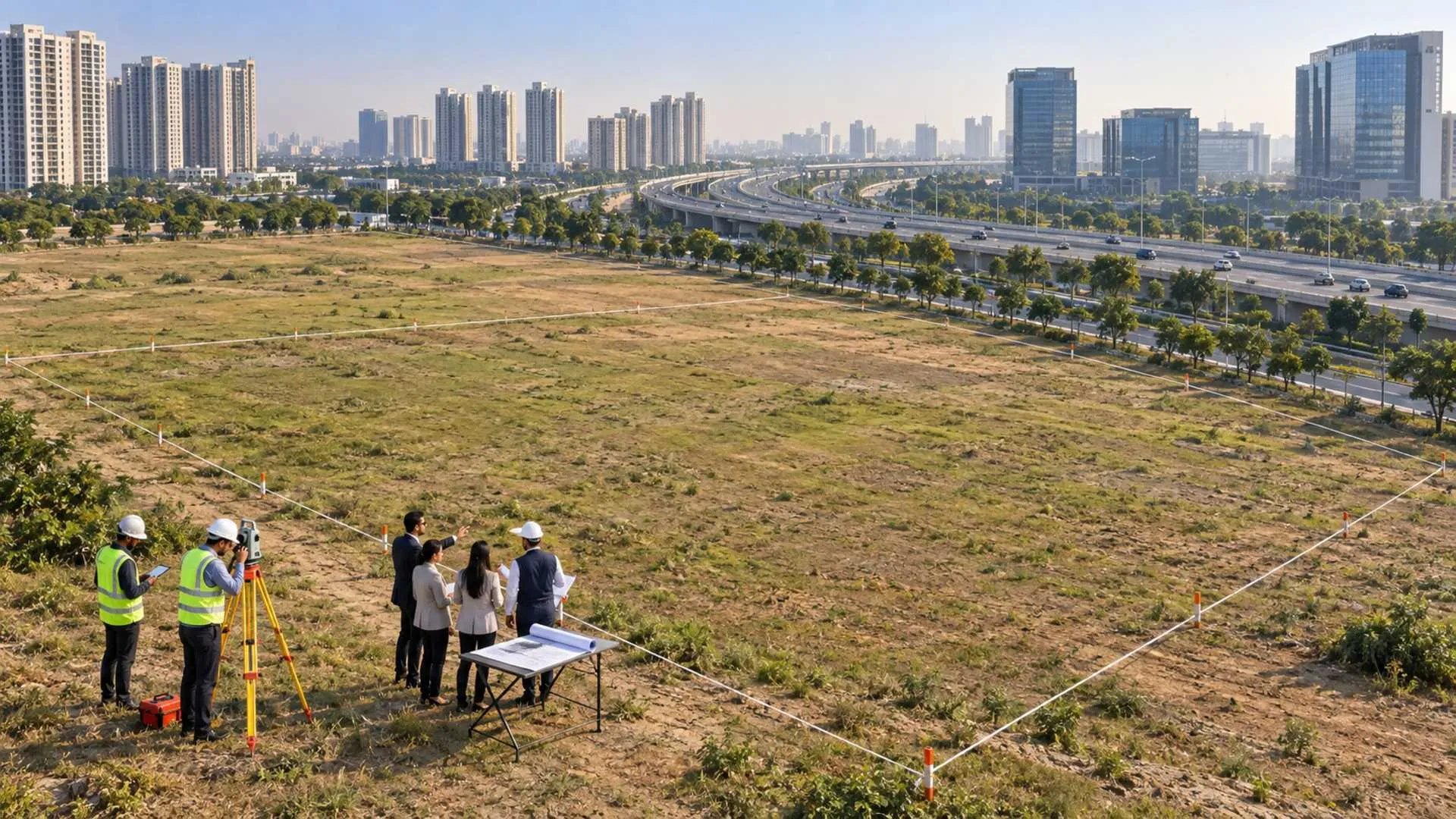
The Virar 464-hectare township around the bullet train station is a draft Local Area Plan, or LAP, covering More, Tulinj, Gokhivare, Bilalpada, Dhaniv and Virar.
There is an important date distinction. News reports cite November 11, 2026, as the approval date. However, the Maharashtra Government Gazette, published on November 16, records a November 4 resolution approving publication of the draft. The notice invites suggestions and objections within 30 days and makes the maps and report available for public inspection.
The Free Press Journal describes the proposal as inspired by Sapporo’s integration of development and natural landscapes. JICA—the Japan International Cooperation Agency, is assisting the planning exercise. That assistance should be distinguished from a commitment to finance every building and transport component.
The institutional framework extends beyond one township. MMRDA’s Project-SMART identifies Thane and Virar for focused station-area planning, incorporating transit-oriented development, integrated mobility and land-value capture.
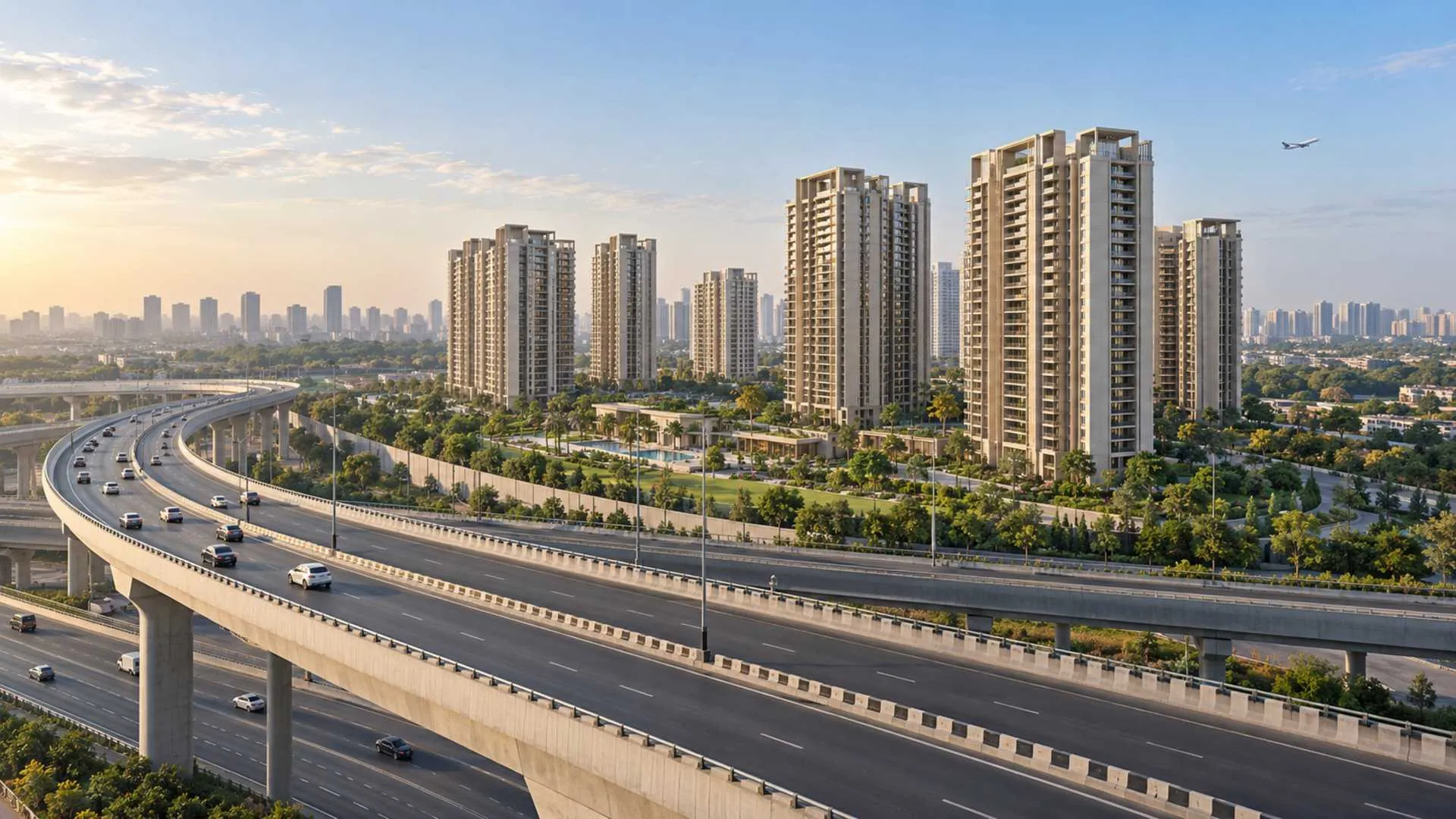
The Mumbai–Ahmedabad bullet train’s Virar station is located around Valaipada near Moregaon, Nalasopara East. Buyers should therefore check the actual station location and access roads rather than assume equal benefits across all Virar addresses.
How Is the 464 Hectares Divided: Land Use Breakdown
The proposed land allocation shows what could develop around the station. Housing occupies the largest share, but almost one-third comprises existing forest land proposed for retention.
| Land-use category | Area | Approximate share | Proposed role |
|---|---|---|---|
| Residential | 176.85 hectares | 38.10% | Housing |
| Forest land retained as green space | 148 hectares | 31.88% | Landscape protection |
| Transport infrastructure | 59.36 hectares | 12.79% | Movement and connectivity |
| Commercial | 38.20 hectares | 8.23% | Business activity |
| Other uses | Approximately 41.8 hectares | Approximately 9% | Recreation, water bodies, public facilities and utilities |
| Total planning area | 464.21 hectares | 100% | Integrated station-area development |
The remaining area is calculated from the headline allocations; published figures are rounded. Aurum PropTech’s November 23 report provides the land-use breakdown.
The proposed Central Green Spine would provide a public space and arrival gateway. Six-metre green buffers along nallahs are intended to protect drainage channels. Existing buildings and chawls also fall within the area, with cluster redevelopment proposed for eligible occupants.
For residents, implementation will matter as much as allocation. Roads, drainage and public facilities must keep pace with construction if the plan is to produce a functioning neighbourhood.
The AGT Pod Transit: Virar’s Driverless Elevated Connector
A high-speed station needs an effective local connection. Otherwise, passengers can save time between cities and lose it travelling between the platform and home.
The Indian Express reports that VVCMC is considering a 3.1-km Automated Guideway Transit, or AGT, corridor from Sahakar Nagar near the bullet train station to proposed Metro Line 13 at Nalasopara.
The concept involves driverless vehicles running on a dedicated elevated guideway. Planners describe an initial capacity of roughly 50–70 passengers per vehicle or trainset. A possible extension towards the Virar coast could increase the corridor to around 17 km. The route, technology and capacity remain unfinalised.
The real estate implication is practical: a reliable interchange could widen the station’s accessible catchment. Its value will depend on service frequency, fares, walking distances and integration with other transport, not simply the presence of a proposed pod system.
Six Infrastructure Catalysts Converging on Virar by 2030
Virar’s infrastructure story involves several projects, but they are at different stages. Their appearance on the same map does not establish a common completion date.
| Infrastructure project | Scale or reported cost | Status and milestone to watch |
|---|---|---|
| Mumbai–Ahmedabad bullet train | Virar is one of four Maharashtra stations | Section-wise commissioning and confirmed passenger services |
| Virar–Alibaug Multimodal Corridor | Approximately 126 km; Phase 1 estimated at ₹31,793 crore | Funding, land acquisition and construction commencement |
| Uttan–Virar coastal connection | Alignment and cost under reconsideration | State decision on proposed inland alternatives |
| Wider Coastal Road and sea-link network | Multiple connecting projects | Completion of individual links and access points |
| Metro Line 13 | Proposed connection serving the wider belt | Final alignment, implementation approvals and construction |
| Virar–Dahanu rail quadrupling | Suburban railway capacity expansion | Completed works and resulting service improvements |
The Virar–Alibaug Multimodal Corridor received administrative approval for its first phase in May 2026. September reporting by The Free Press Journal, quoting MSRDC, said construction could begin by March 2027, subject to central approval for viability-gap funding equivalent to 17% of project cost. That remains a conditional timetable.
The coastal connection is also evolving. On November 20, The Indian Express reported that MMRDA had presented inland alternatives for the Uttan–Virar Sea Link, potentially reducing its estimated cost from approximately ₹58,754 crore to ₹38,000 crore. The state had not decided the alignment.
Consequently, older “Versova–Virar Sea Link” costs and Coastal Road extension travel-time claims should not be treated as settled specifications or added together as independent investments.
For the bullet train, a February 2026 PIB release cited expected operations up to Thane by 2028 and Mumbai by 2029. Those are targets, not a confirmed Virar service timetable. Separately, PIB confirmed completed platform-capacity works at Virar in April under the rail-quadrupling project.
Virar Property Prices Today: Where You’re Buying In
For buyers researching Virar property prices around ₹8,400 per sqft and the 2027 forecast, the first distinction is between an observed benchmark and a prediction.
Square Yards’ page, available in November, reports September 2026 asking-price data of approximately ₹8,400 per sqft overall, ₹8,500 in Virar West and ₹7,800 in Virar East. Its sampled ready-to-move and under-construction categories average ₹7,200 and ₹7,550, respectively. These are different property samples, not interchangeable valuations.
The portal also reports a 3.57% rental yield, with monthly averages of ₹11,900 for a 1BHK, ₹15,200 for a 2BHK and ₹22,000 for a 3BHK.
Virar’s affordable-housing proposition within MMR should still be assessed apartment by apartment. Compare recent registered transactions, consistent area measurements, maintenance charges and achievable rents. A locality average cannot establish the right price for a home beside a proposed station road.
Is Virar the Next Panvel? The Infrastructure Convergence Comparison
The Virar versus Panvel property-appreciation comparison is understandable. Both attract attention through regional connectivity and development beyond established Mumbai neighbourhoods.
ANAROCK’s index shows Panvel residential prices rising 76% between 2021 and H1 2026. That historical outcome provides context, but it cannot be transferred into a Virar forecast.
| Comparison | Virar | Panvel |
|---|---|---|
| Central infrastructure story | Bullet train station and proposed LAP | Airport and regional road connectivity |
| Planning focus | JICA-assisted station-area development | Airport-linked and wider regional development |
| Buyer’s key question | When will connections and civic infrastructure become usable? | How much infrastructure value is already reflected in prices? |
| Investment test | Entry price, delivery and future demand | Entry price, occupancy and competing supply |
Virar’s draft offers a coordinated framework. It does not establish that Panvel lacked planning or that Virar will repeat its returns.
There is no defensible automatic 15–25% annual appreciation assumption for homes near the station. Passenger demand, fares, local employment, housing supply and access quality will determine how widely benefits spread.
The Risks: What Could Go Wrong or Slow Down
The first risk is statutory: draft publication is not final sanction. Public representations, planning changes and subsequent approvals may affect the proposal.
The second is timing. High-speed rail, Metro, AGT and road projects have separate dependencies. A homebuyer should be comfortable with today’s commute while allowing for delays.
Third, existing occupation and redevelopment can complicate execution. Rehabilitation, compensation, access and drainage require detailed local solutions.
Fourth, a lower purchase price does not limit downside automatically. Delays can increase financing costs, vacancy and resale uncertainty. JICA’s involvement adds planning expertise, but does not guarantee investment returns.
Virar’s proposed township could create opportunities for homes, shops, services and better-connected neighbourhoods. The strongest opportunity will emerge where approved plans become usable infrastructure.

FAQs:
 One Builder, Six Projects: What Ajnara’s Insolvency Ruling Changes Now