

Hidden Maintenance Costs Every Homebuyer Must Know
Hidden Maintenance Costs Every Homebuyer Must Know
SHARE:

What hidden costs should Indian homebuyers budget for after buying a home?
Beyond the property’s purchase price, buyers should budget for society maintenance charges, IFMS (Interest-Free Maintenance Security), sinking fund contributions, property tax, insurance, parking, interiors, and club membership fees. Together, these hidden costs after buying a home in India in 2026 can add 10-20% beyond the base price, making long-term affordability just as important as the EMI.
Hidden Maintenance Costs Every Homebuyer Must Know
The process of buying a home has now gone beyond just making the down payment and signing the sale agreement, and it has become a major concern for buyers throughout India’s residential market. Maintenance charges are more important than ever in Indian homes, particularly since premium facilities and bigger gated communities have led to higher recurring costs.
The costs that are not obvious to buyers are causing changes to affordability in India from 2026. Puravankara states that a great many first-time buyers concentrate on their EMIs but fail to take into account the annual ownership costs, which keep going on after they take possession.
The Cost That Never Stops
Most apartment projects today charge maintenance charges ranging from ₹2 to ₹25 per sq. ft. per month in India, depending on the project’s location, amenities, and level of services. Swimming pools, gyms, landscaped gardens, 24×7 security, housekeeping, elevators, and clubhouse facilities all contribute to monthly bills.
In fact, hidden costs after buying a home in India 2026 often extend beyond maintenance alone. Buyers may also pay:
- IFMS (Interest-Free Maintenance Security)
- Sinking fund and corpus fund contributions
- Property tax and insurance
- Parking fees
- Club membership charges
- Interior finishing expenses
Together, these hidden costs can add 10-20% beyond the base property price in India, making budgeting essential before signing the agreement.
Know What the Law Says
Under RERA, developers must clearly disclose maintenance-related charges in the sale agreement, improving transparency for buyers. During the initial phase, the builder remains responsible for maintenance until the Residents’ Welfare Association (RWA) is formed in India, after which residents take over operations.
Legal experts also point to Supreme Court rulings that emphasize society maintenance charges must remain reasonable and transparent, preventing arbitrary collections without proper justification.
Before You Buy, Ask These Questions
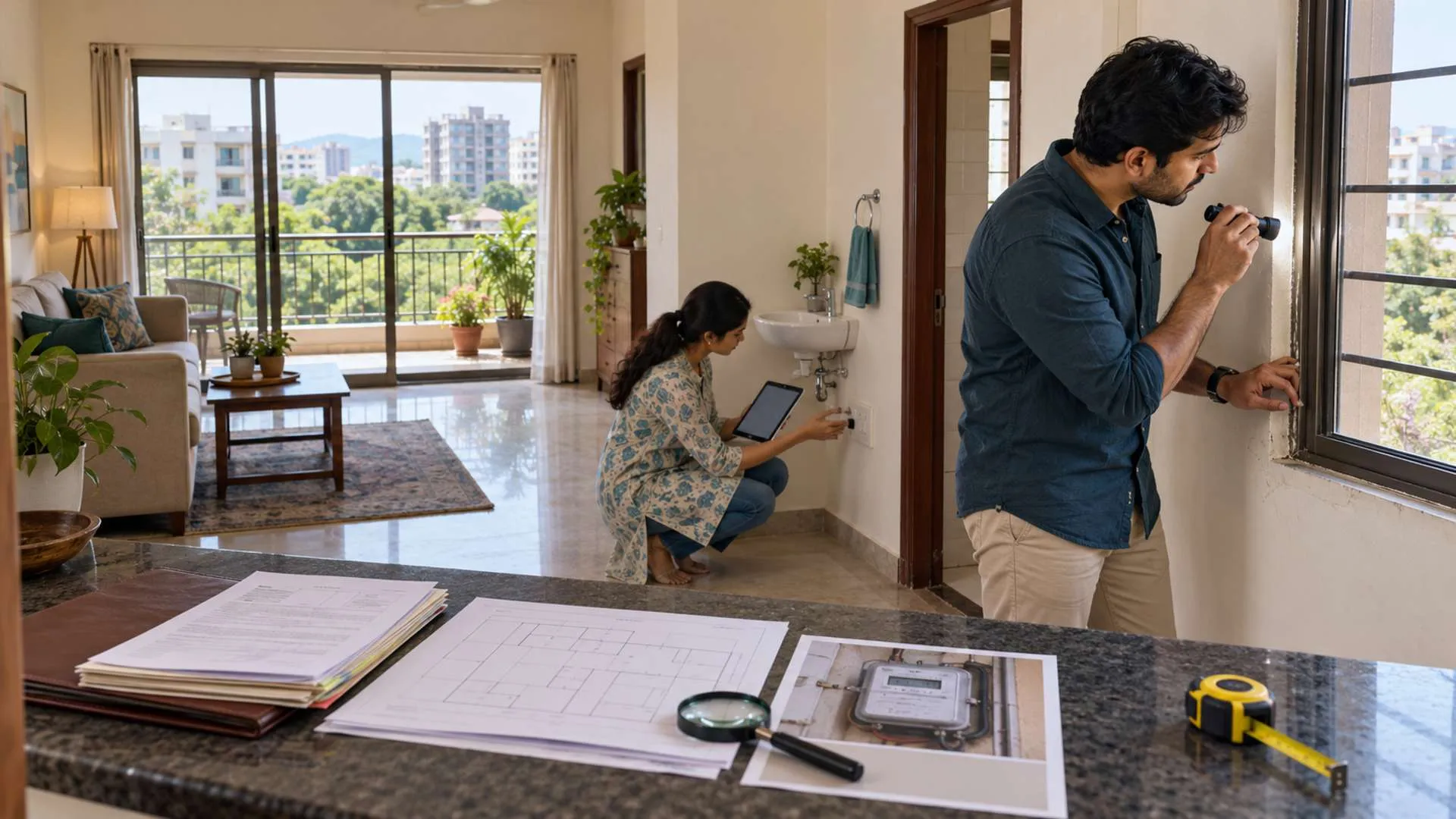
Before paying the booking amount, buyers should verify:
- What exactly is included in monthly maintenance?
- Is the quoted amount fixed or likely to increase?
- How many months of advance maintenance must be paid?
- Are IFMS, sinking fund, or corpus fund charged separately?
- What services are covered under common area upkeep?
As Desai Homes and Grrow Property Management point out, if you understand these details now, you can avoid financial surprises in the future.
The most intelligent purchasers do not merely compare the prices of properties; they compare the total cost of owning a property over its lifetime.
Before you decide on your next property, be sure to work out the total cost of ownership, not just the EMI. For further expert advice on hidden property expenses, buyer trends, and better real estate choices in 2026, keep an eye on RealtyConnect.