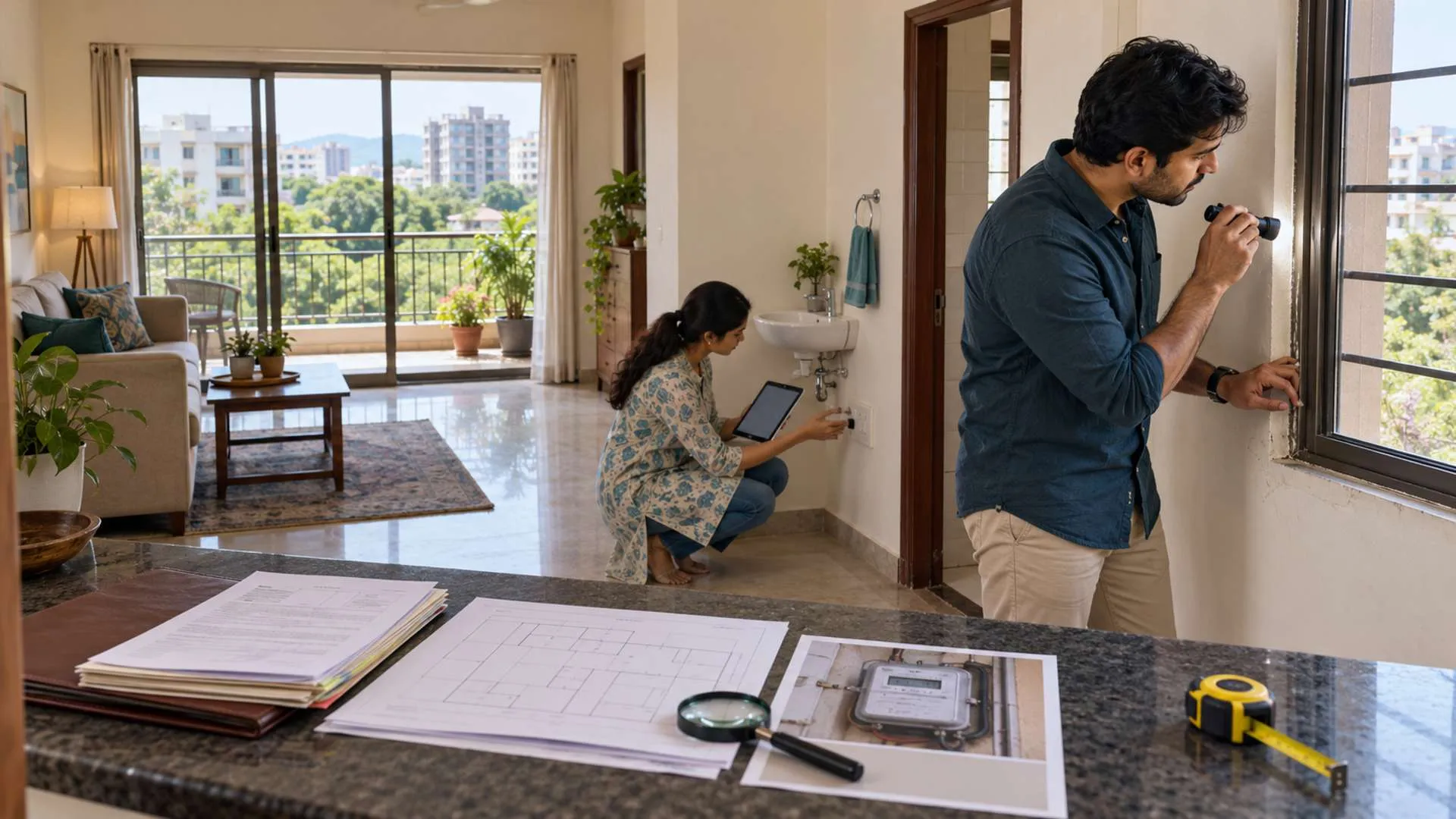


Buy Now or Wait? India’s Home Loan Rate Dilemma
Buy Now or Wait? India's Home Loan Rate Dilemma
SHARE:

Should I buy a house now or wait for lower home loan rates in India in 2026?
If you’ve found the right property and can comfortably afford the EMI, buying now may make more financial sense than waiting. Home loan rates in India in 2026 remain around 7.10-7.50%, while property prices in many cities continue to rise by 5-7% annually. Any future rate cuts can often be leveraged later through a home loan balance transfer or refinancing.
Buy Now or Wait? India’s Home Loan Rate Dilemma
What should homebuyers in India do now: wait for lower home loan rates or proceed with a purchase, since this is one of the major questions facing people today? The fact that the RBI’s repo rate is 5.25% and that borrowing costs are remaining stable means that buyers are having to consider the possible savings on their EMIs against the continuously rising prices of property.
Brigade Group, as well as the housing experts at Investopedia and Opendoor, say that it is much more difficult to perfectly time the market than it is to buy a house which fits your budget and long-term plans.
Rates May Fall, But Prices May Rise Faster
Following 125 basis points of RBI rate cuts during 2025, most banks now offer home loans between 7.10% and 7.50%, levels that remain historically attractive. Although the RBI paused further cuts in February and April 2026, many analysts expect only gradual changes in the coming quarters.
Meanwhile, residential prices continue climbing.
Waiting six to twelve months for a small rate cut could mean paying significantly more for the same property. In many Indian cities, home values are appreciating by 5-7% annually, potentially offsetting the savings from a lower EMI.
What Today’s Buyers Are Doing
Market sentiment suggests buyers are focusing less on predicting rates and more on affordability.
They are:
- Choosing floating-rate loans linked to EBLR for quicker transmission of RBI cuts.
- Maintaining a CIBIL score above 750 to secure better loan offers.
- Using EMI and prepayment calculators before committing.
- Planning balance transfers if banks offer cheaper rates later.
For example, a 0.25% reduction on a ₹1 crore home loan can lower lifetime interest costs substantially. Some estimates indicate savings of up to ₹14 lakh over a 20-year tenure, depending on repayment structure. However, if property prices appreciate during the waiting period, those savings may disappear.
The Smarter Question
Rather than posing the question of whether they should buy a house at this moment or wait for an interest rate cut in India, today’s buyers are considering if the property itself has long-term value.
The right property to buy is usually not one that offers the lowest interest rate; instead, it is the correct property to purchase before it has become a great deal more expensive.
If you’re considering purchasing your first home or the next one, then compare the total costs of home ownership, keep an eye on the latest RBI policy changes, and select a loan that provides refinancing flexibility. For expert advice on emerging trends in India’s home loan and housing markets, follow RealtyConnect.