

AI Meets Indian Craft: The New Digital Decor Trend for 2026
Digital Decor Trend for 2026
SHARE:
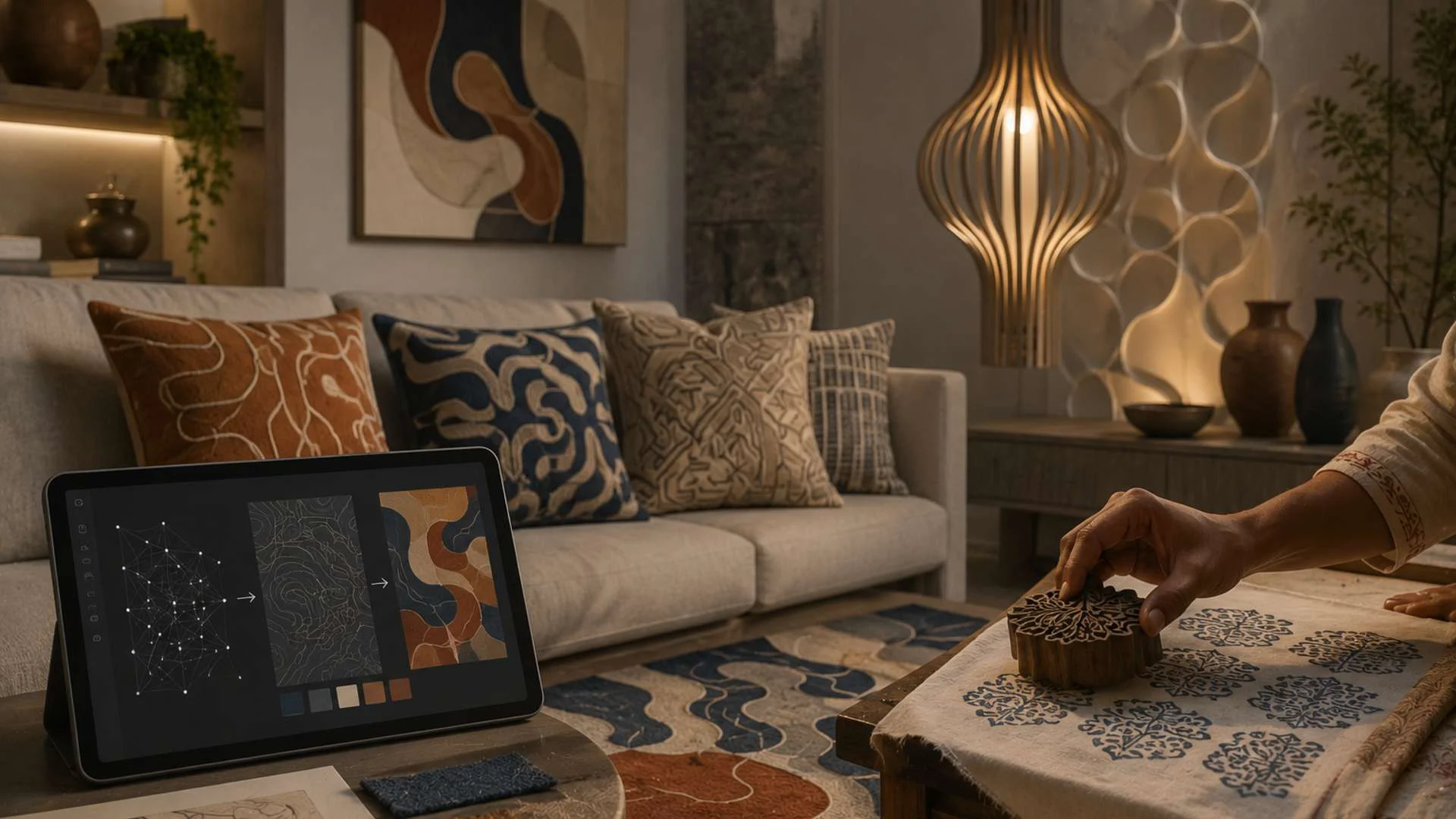
What is digital craft and why is it changing Indian home decor in 2026?
AI-generated patterns are now appearing on cushions, rugs, wallpapers and sculptural lighting, combining machine precision with Indian craftsmanship to form a new kind of hybrid.
In India nowadays, there is a rather unusual stage in home design in which technology is no longer concealed within smart appliances and has instead become part of the decoration. The trend in Indian homes in 2026 involving digital craftsmanship featuring AI-generated patterns is introducing computational creativity into everyday items, such as textiles and lighting.
What results is a remarkable combination of patterns produced by AI, AI-generated cushions and rugs, parametric lighting in India and traditional craftsmanship.
When AI Becomes Part of the Craft
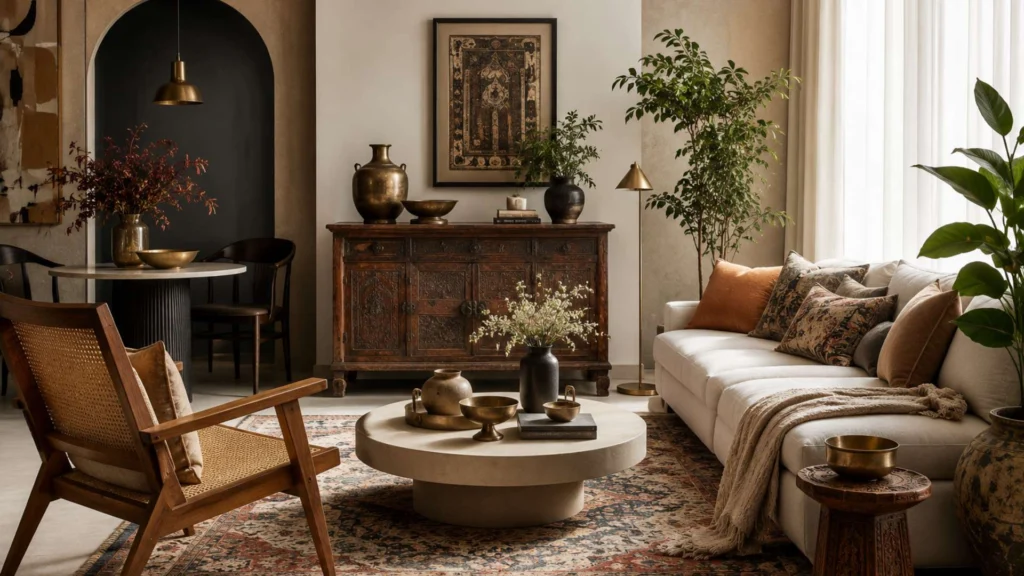
Livspace’s 2026 interior forecast identifies digital craft interior design trend India 2026 as an emerging frontier, describing AI-generated patterns appearing across cushions, rugs and wallpapers, alongside parametric lighting, wall sculptures and organically shaped furniture.
This does not necessarily mean replacing artisans with algorithms. Instead, AI meets artisan sensibility in Indian home decor 2026 by giving designers new ways to experiment with form and pattern.
Think:
- AI-generated cushion patterns, organic futuristic Indian decor
- Parametric lighting and sculptural wall pieces
- Uniquely shaped furniture inspired by organic forms
- AI patterns combined with block printing, weaving and other Indian crafts
The appeal lies in contrast. A machine can generate an intricate pattern in seconds, while an artisan can give that pattern texture, irregularity and cultural meaning.
From Digital Screen to Physical Space
The concept is not entirely futuristic. MGS Architecture’s Digital Craft project at Farzi Café in Jaipur used computational design and digital fabrication to reinterpret the city’s heritage. Parametric methods shaped design elements, while CNC milling and laser cutting helped turn digital geometry into physical form.
That same technology meets artisan sensibility; digital craft 2026 idea is now entering residential interiors.
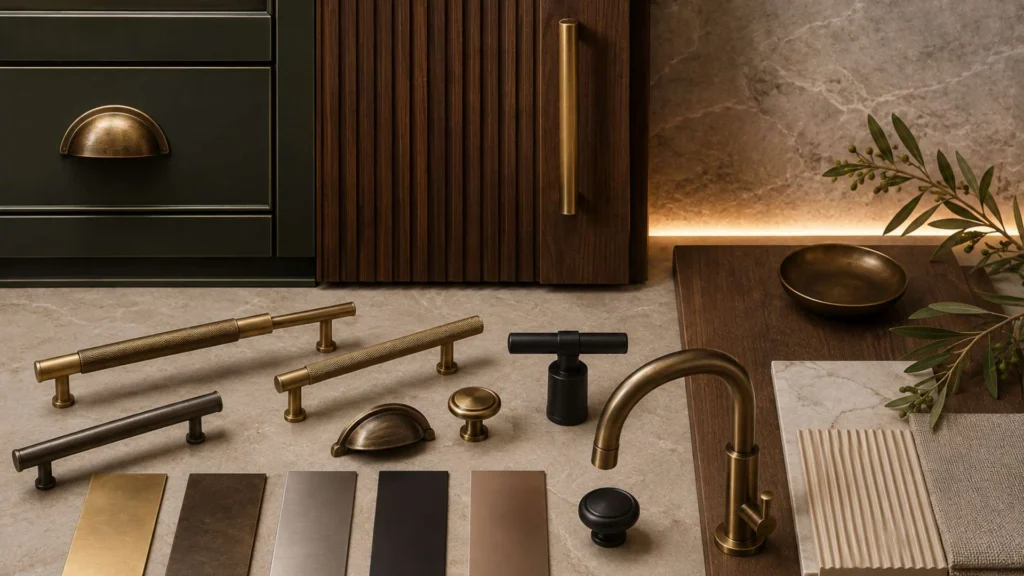
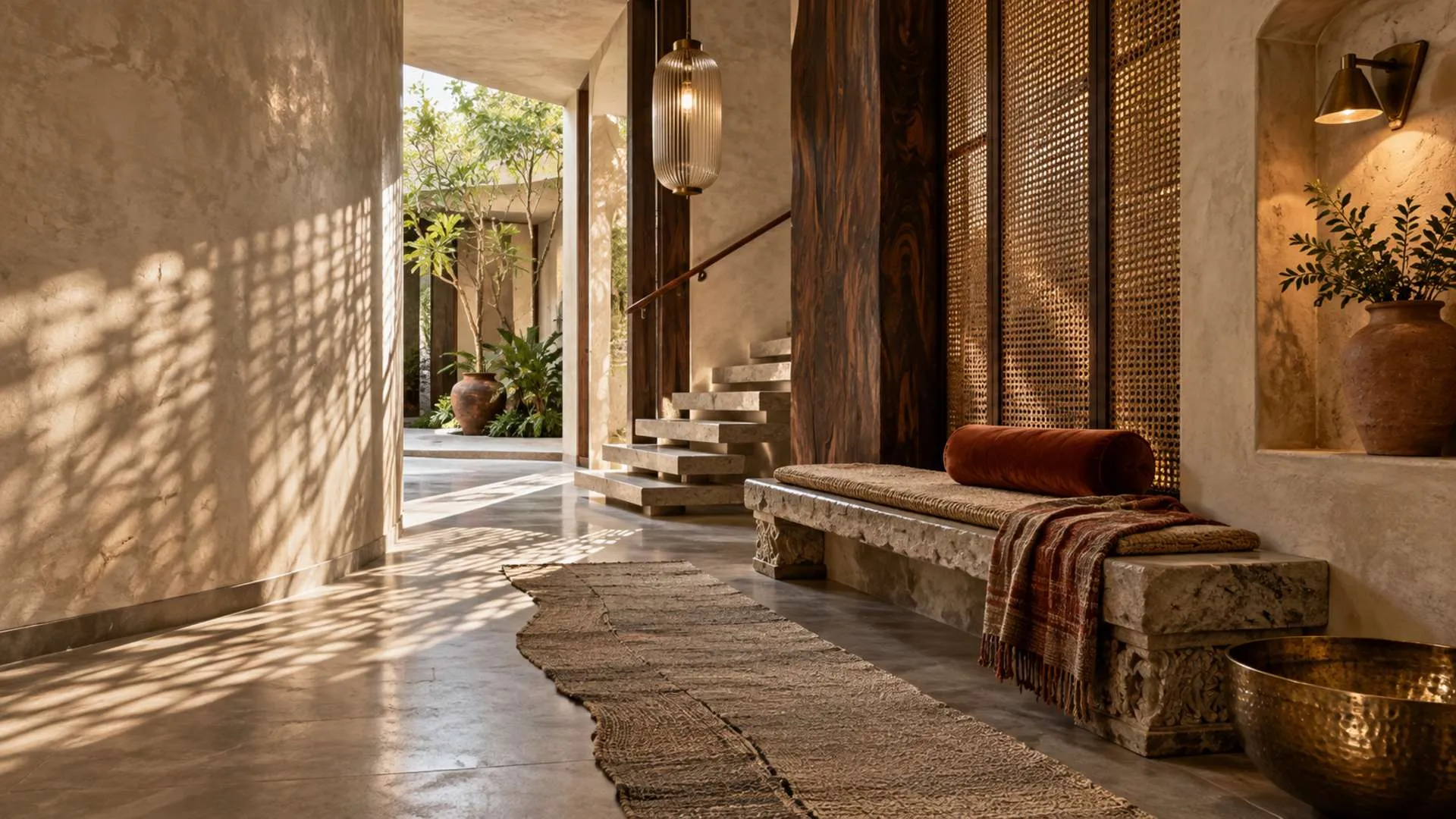
Livspace also notes that Indian homes are increasingly combining global aesthetics with local craftsmanship, including block-printed textiles, brass, terracotta, carved wood and handwoven materials.
This creates an intriguing possibility: can AI patterns and handmade Indian craft coexist in home design? Increasingly, the answer appears to be yes.
Why This Trend Could Take Off
The attraction is personalisation. AI can generate thousands of variations, allowing homeowners to move beyond mass-market prints and create pieces that feel distinctive.
The bigger shift is cultural: digital craft 2026 is not about choosing technology over tradition. It is about using technology to create new expressions of tradition.
As AI patterns, cushions, rugs, and wallpapers, Indian interiors become more accessible, Indian homes could see machine-generated designs paired with handmade finishes, turning everyday décor into highly individual statement pieces.
Want to explore emerging property and home-design trends? Discover more insights with RealtyConnect AI Chat.