

Earthy Office Interiors Redefine India’s Corporate Workspaces in 2026
Earthy Office Interiors: India’s 2026 Workspace Trends
SHARE:
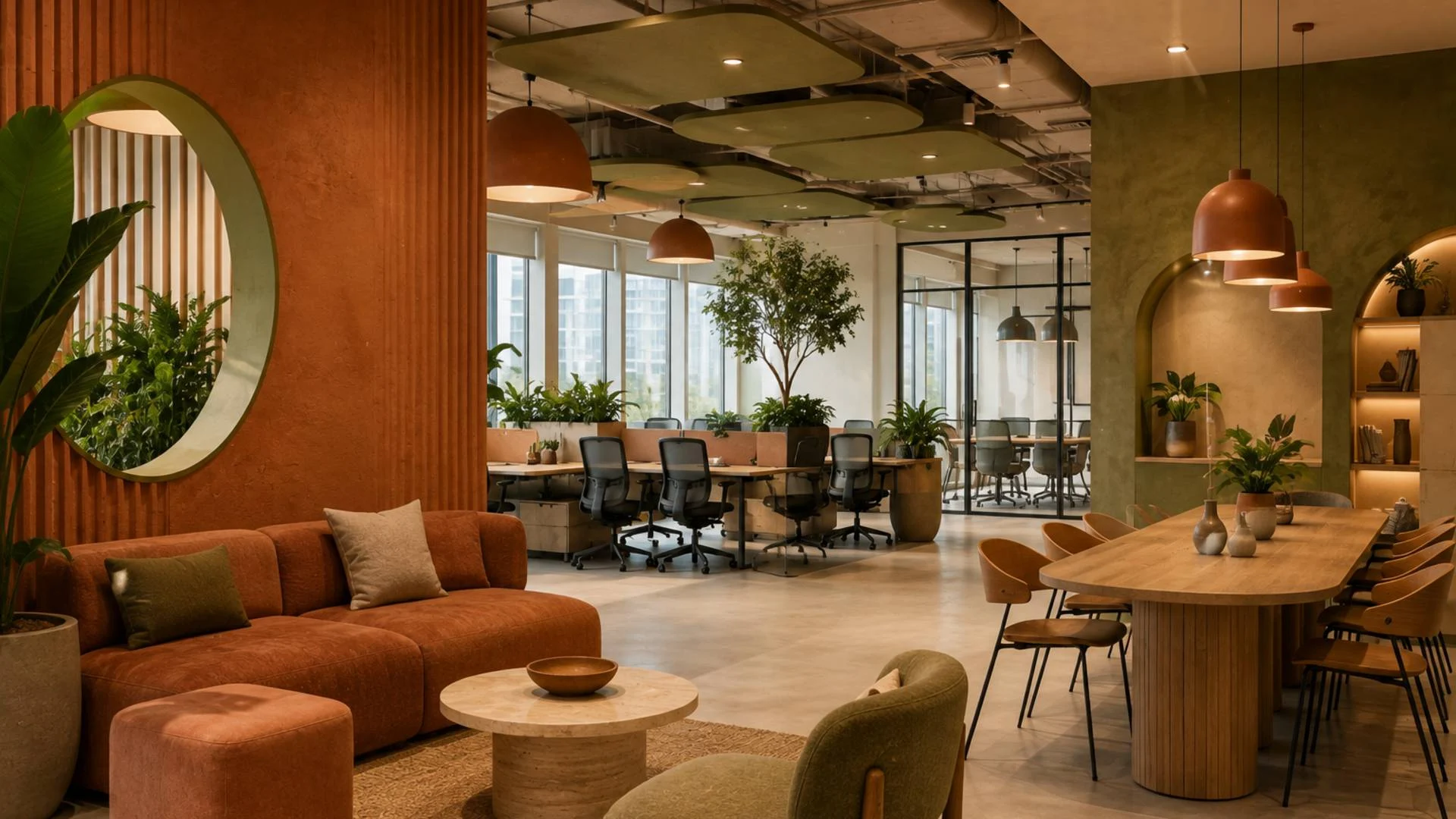
India’s corporate offices are getting warmer, more tactile and decidedly less grey. Earthy colours including terracotta, olive, clay, sand and more are becoming the defining colours in office interior design trends in India for 2026, indicating a broader shift toward human-centric and experience-driven workplaces.
It’s more than just beautifying offices. As companies rethink hybrid working, employee experience and workplace wellness, colour is being used more to create distinct moods in different zones.
Why Are Indian Offices Moving Beyond Cold Grey?
The familiar white, glass and grey corporate aesthetic is giving way to palettes that feel more connected to nature. Vistaar Designs identifies warm earthy colours, muted greens and terracotta as key office interior design trends in 2026, alongside biophilic design, sustainable materials and activity-based layouts. (Vistaar Designs)
The idea fits neatly into the broader evolution of Indian corporate workspace design. Offices are becoming destinations for collaboration, creativity and culture rather than simply places to sit at a desk.
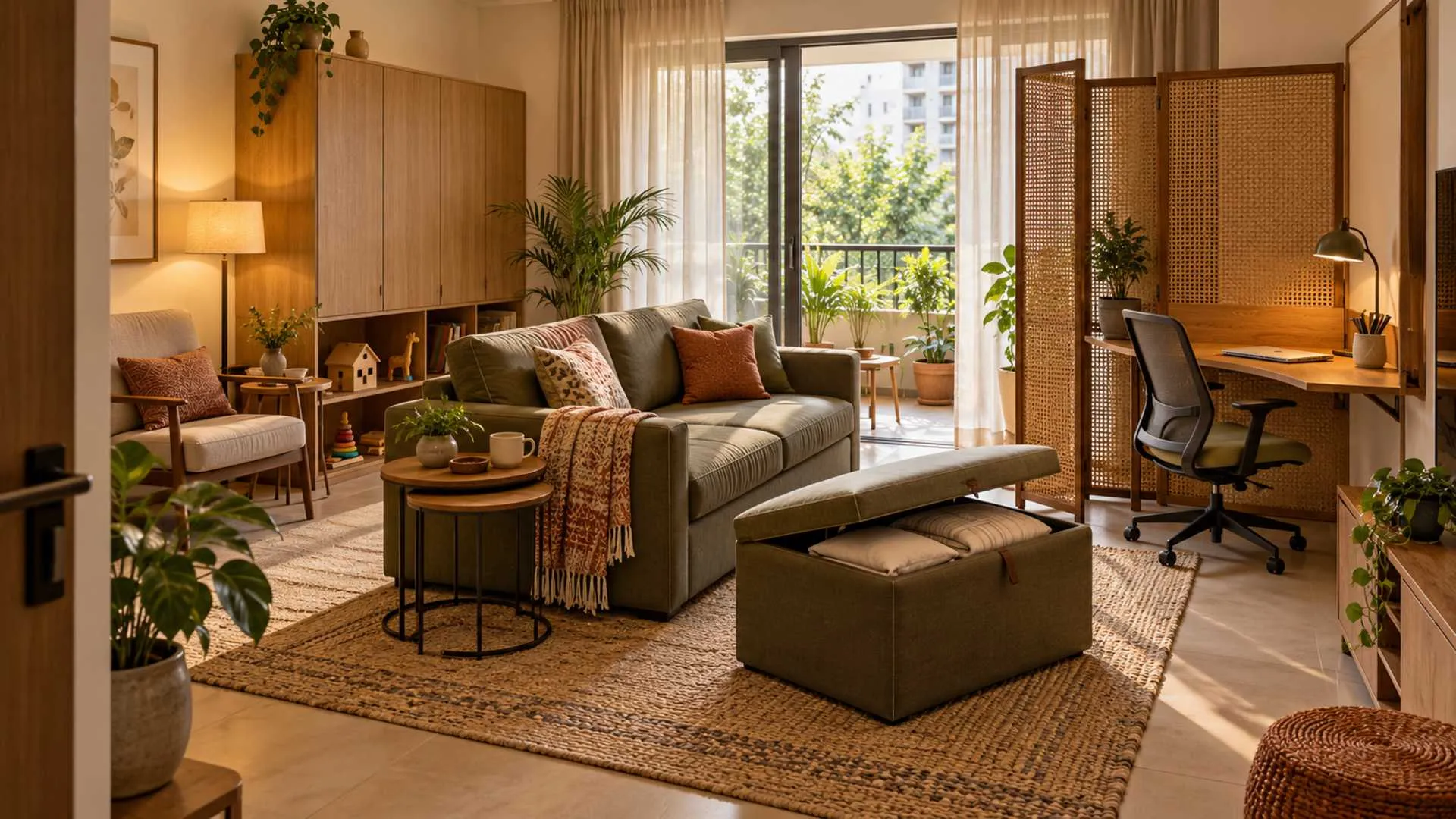
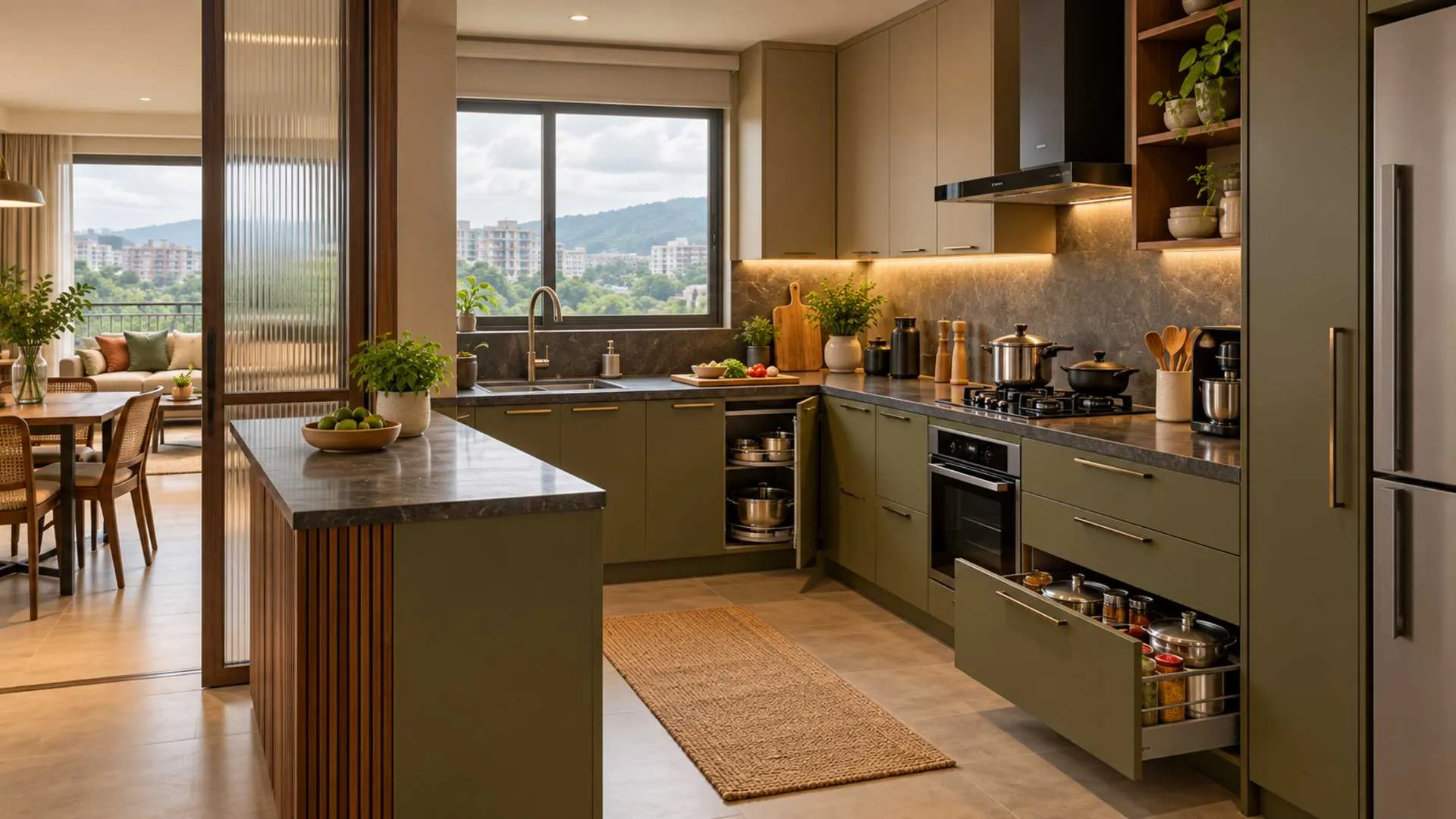
Terracotta and rust tones can bring warmth and energy to collaboration spaces, while olive and muted greens work particularly well in focus zones and meeting rooms. Clay, sand and warm neutrals, meanwhile, can create calmer backgrounds and reduce the visual harshness associated with highly clinical interiors.
How do earthy office colours improve productivity in Indian workplaces?
Earthy colours can support productivity by creating visually balanced spaces. Olive and muted greens are suited to focus areas, while terracotta and warm accents can add energy to collaboration zones. Clay, sand and warm neutrals create a grounded backdrop that can make offices feel calmer and less sterile.
From Colour to Material: The Earthy Office Gets Tactile
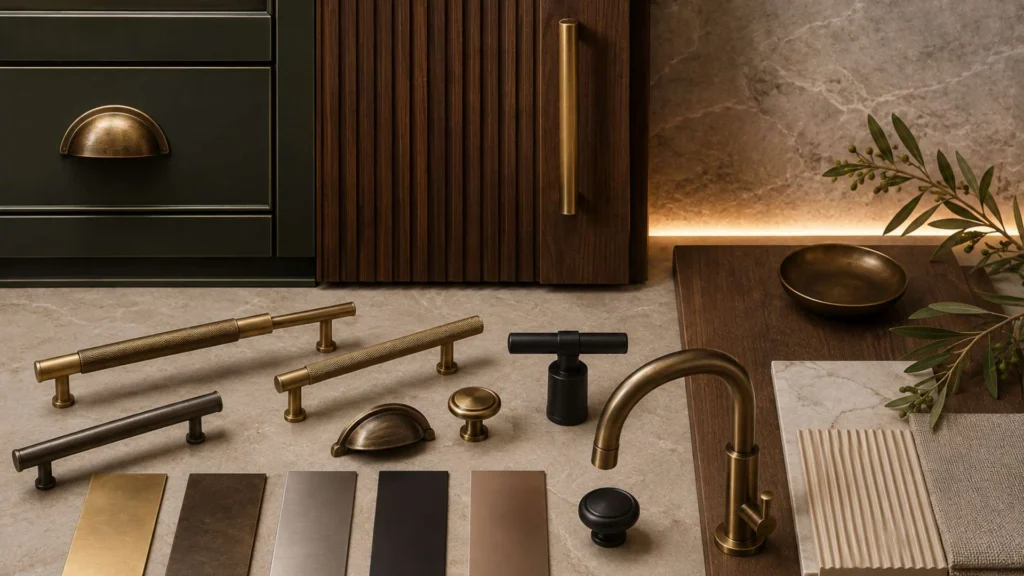
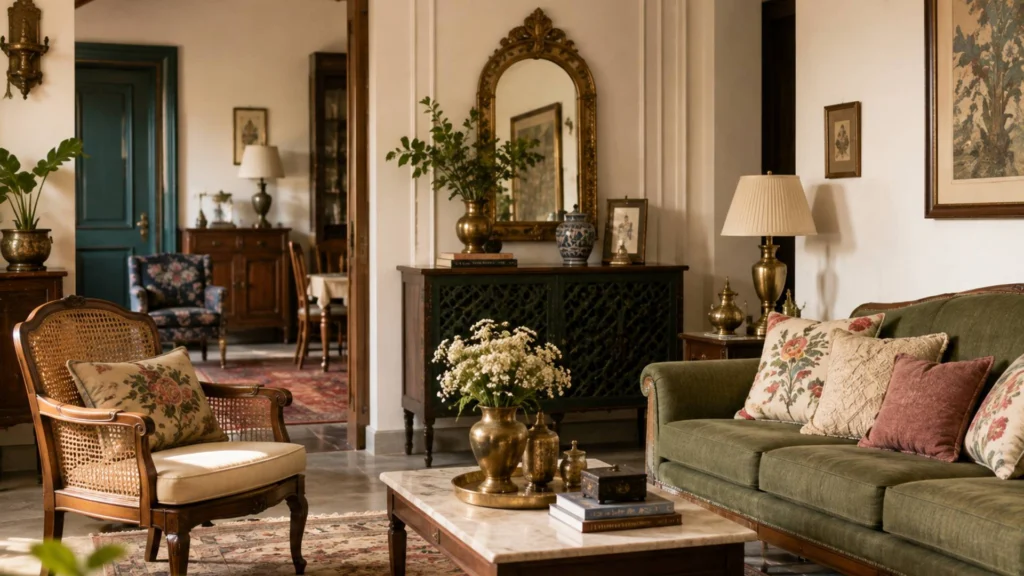
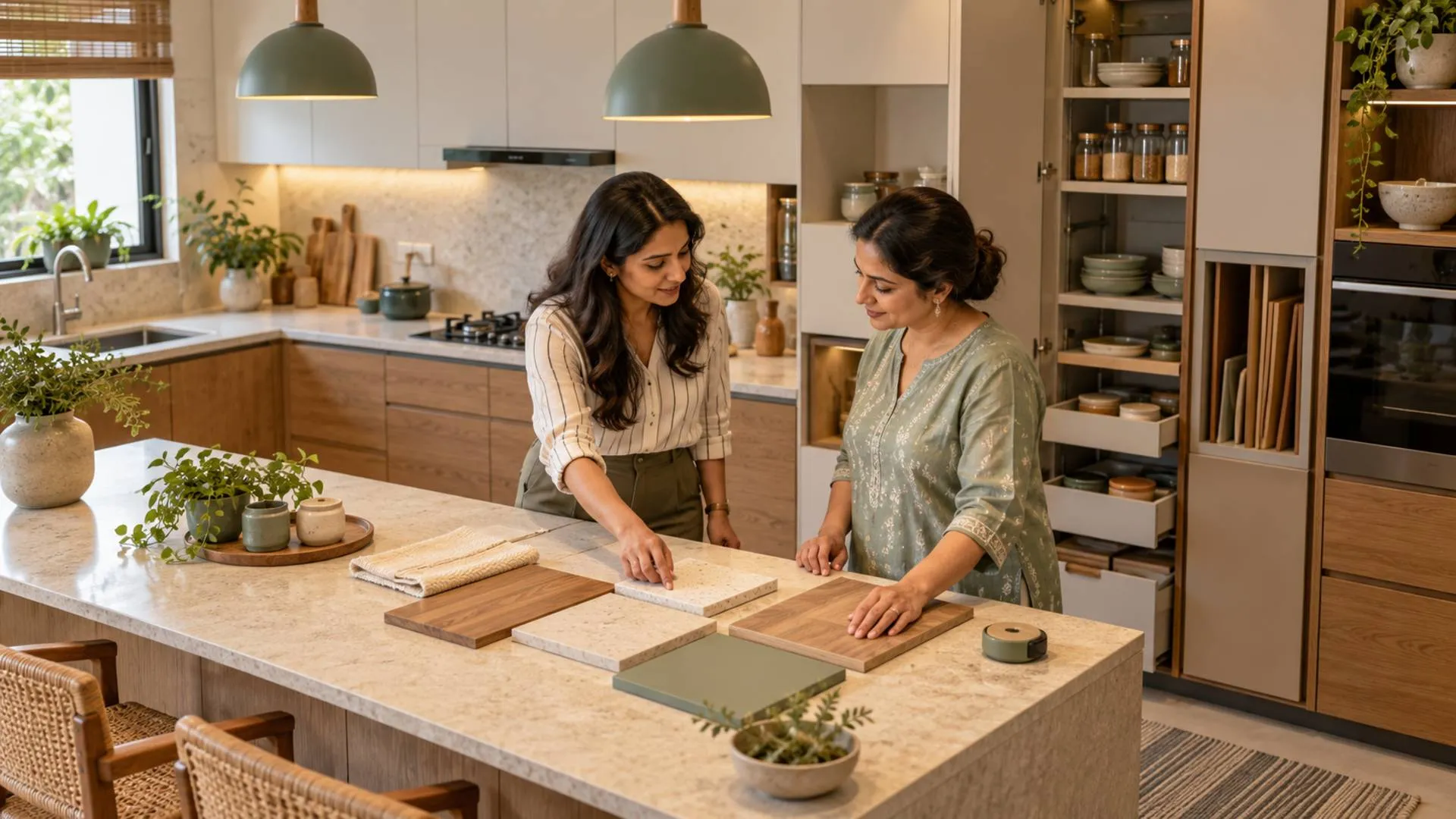
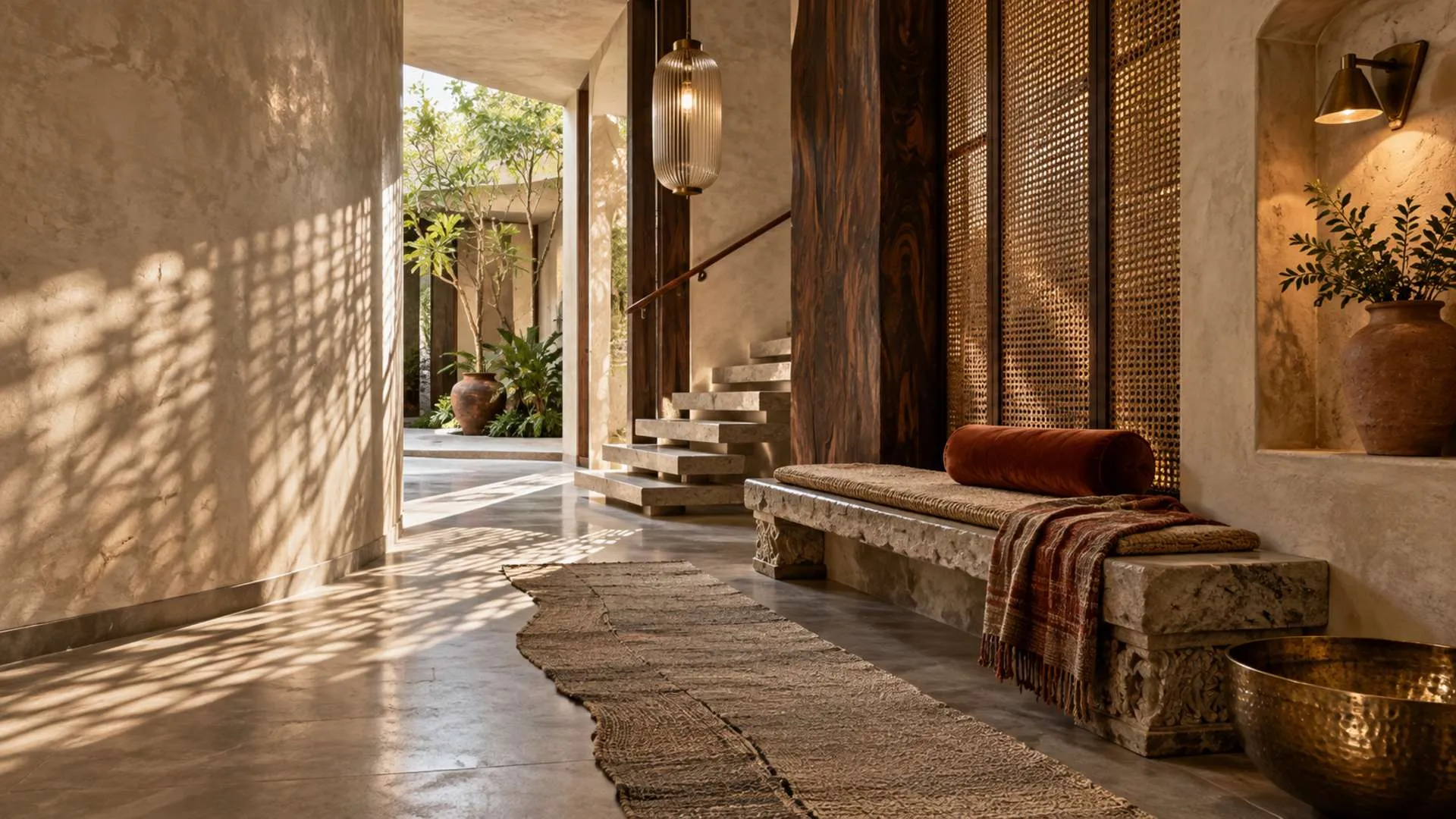
The trend extends beyond paint. Natural wood, woven textures, stone, brass, textured walls and organic materials are increasingly being combined with earthy palettes to create richer interiors.
This aligns with the rise of biophilic design and human-centric workspaces, where natural light, greenery and natural finishes are used alongside colour. Contemporary Indian office trends are also moving towards activity-based working, with separate collaboration, focus, meeting and quiet areas. (ITSS)
Even colour selection is becoming more strategic. Marsh Paint Co. notes that terracotta and muted browns can create a grounded atmosphere, while olive and sage tones can support calmer, more focused work environments. (Marsh Paint Co.)
The Indian Advantage
There is also a cultural reason earthy office interiors are gaining attention. Terracotta, clay, olive and warm wood already belong to India’s architectural and craft vocabulary. The result is a corporate aesthetic that can feel contemporary without appearing disconnected from its surroundings.
The trend also complements the growing demand for wellness-focused offices, sustainable materials, ergonomic furniture and flexible layouts. CBRE’s 2026 assessment of India’s flexible workspace sector highlights a broader shift towards quality, identity and employee experience in corporate real estate. (CBRE)
What Comes Next for Corporate Workspace Design?
The move from cold grey to earthy tones signals something bigger: Indian companies are designing offices around how people feel and work, not just how many desks fit on a floor.
For businesses planning a new office or refurbishment, terracotta collaboration zones, olive focus areas, clay-toned lounges and natural textures could become more than a design statement. They may become part of the workplace strategy itself.
Want to explore how India’s workspace design is changing? Visit Chat RealtyConnect for more real estate and design insights.