Maharashtra’s 17% Rain Deficit Puts Housing’s Water Readiness Under Scrutiny
Maharashtra Rain Deficit 2026: Water Risk for Homebuyers
SHARE:
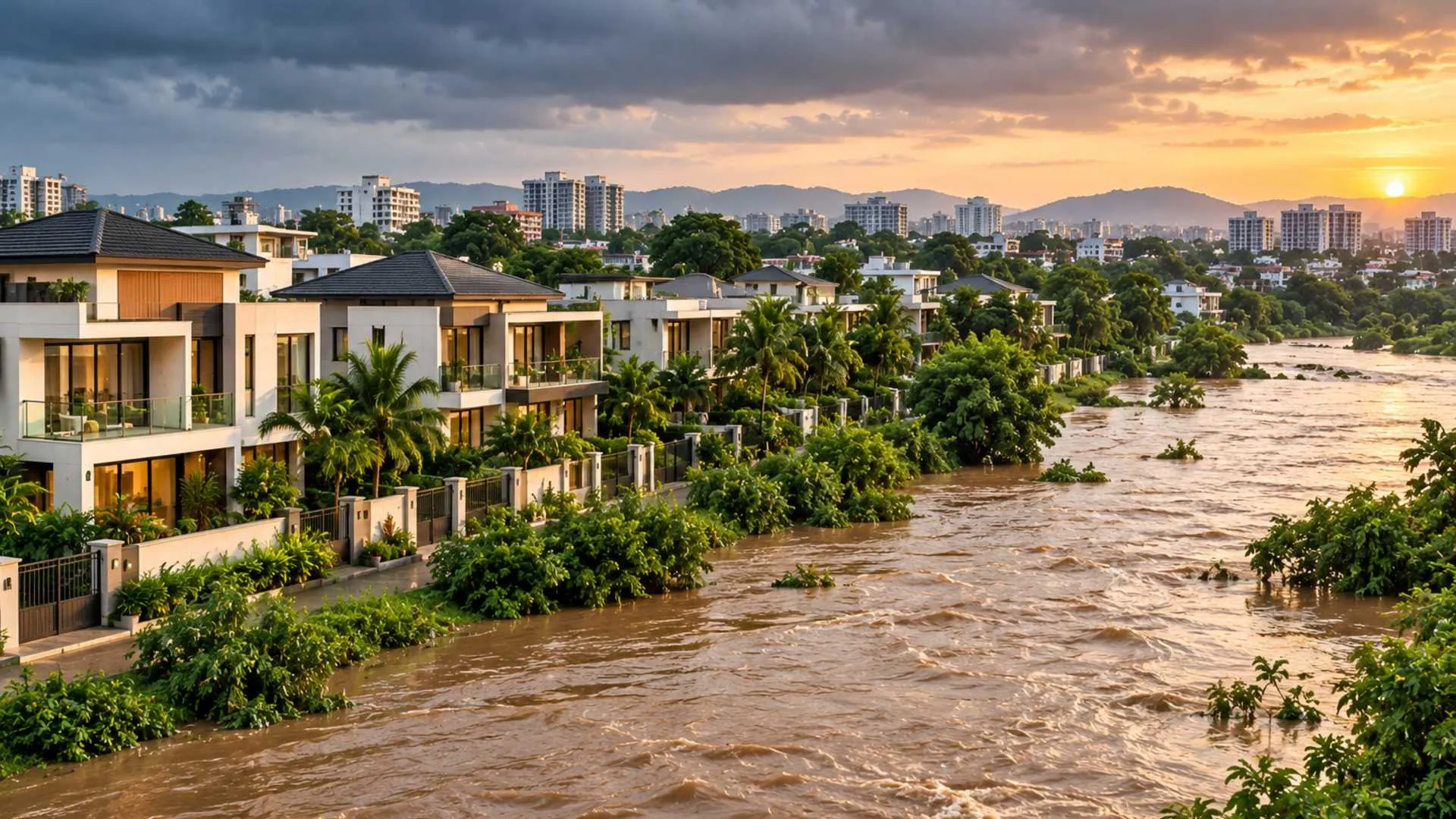
Maharashtra is nearing the end of the southwest monsoon with a figure that should worry more than farmers and water departments. Maharashtra recorded a 17% rainfall shortfall between June 1 and September 22, 2026, raising a question for real estate: how carefully are buyers checking the water safety of the homes they buy?
According to The Indian Express, Maharashtra received 787.2 mm of rain during the period compared to 953.2 mm. The southwest monsoon was expected to start pulling from Maharashtra around October 5 and leave most regions by October 10. District gaps were much steeper: Solapur had a 57% shortfall, Ahilyanagar 42% and Nandurbar 34%. Sangli 24%.
The Maharashtra rain shortfall of 17% and its impact on housing in 2026 is not that every city will become dry or that property prices will drop suddenly. It is that water reliability is becoming a feature of homes alongside location, carpet area, connectivity and construction quality.
For developers, this gives a chance to prove that projects are built for climate change. For buyers, it changes the items on the site-visit checklist.
Should I buy a home in Maharashtra right now given water shortages?
Buyers do not need to avoid Maharashtra property solely because of a 17% statewide rain deficit. Water risk varies significantly by district, city, project and housing society. Before buying, verify the sanctioned water source, municipal connection, storage capacity, current summer supply, tanker dependence, borewell permissions, rainwater-harvesting system and maintenance records. Infrastructure-backed urban projects may manage a weak monsoon better than peripheral developments dependent on groundwater or tankers, but no locality offers a guaranteed water supply.
That distinction matters. A flat in Mumbai, a flat in Pune, or a home in Navi Mumbai cannot be judged from the state average alone. Equally, an attractive clubhouse cannot compensate for an unreliable daily supply. The right response is not panic; it is deeper property due diligence.
One deficit, several very different housing risks
Maharashtra’s rainfall map is fragmented. ChiniMandi reported that Pune had an 82% weekly deficit from September 10 to 16. Yet its cumulative seasonal rainfall remained 20% above normal. Satara saw a 92% weekly shortfall, while its seasonal total was still 25% above normal. Kolhapur’s weekly deficit reached 97%, but its cumulative rainfall was only 11% below normal, within the normal classification.
This apparent contradiction explains why buyers should not treat one weekly or statewide number as a direct property forecast. Reservoir catchments, rainfall timing, local storage, distribution networks, groundwater recharge and population growth all influence household supply.
The risk is more acute where the deficit has been both deep and prolonged. UNI India reported that parts of Marathwada had gone nearly 50 days without satisfactory rainfall, producing a cumulative shortfall of around 199 mm.
The New Indian Express earlier reported dry spells of up to 40 days in parts of the state and identified Pune, Ahilyanagar, Buldhana, Nashik, Sangli and Satara among affected districts, alongside Beed, Chhatrapati Sambhajinagar, Dharashiv and Solapur.
Meanwhile, eSakal described the monsoon as extremely uneven. Its data for June through August showed rainfall about 15% below average statewide, approximately 30% below normal in Marathwada and around 25% below normal in Vidarbha. These regional figures cover an earlier period than the September 22 statewide update, so they should not be treated as interchangeable.
For housing, the lesson is simple: climate exposure is local. A project’s actual source and delivery system matter more than a broad claim that an entire city is “water-safe.”
Mumbai and Pune are not automatically insulated
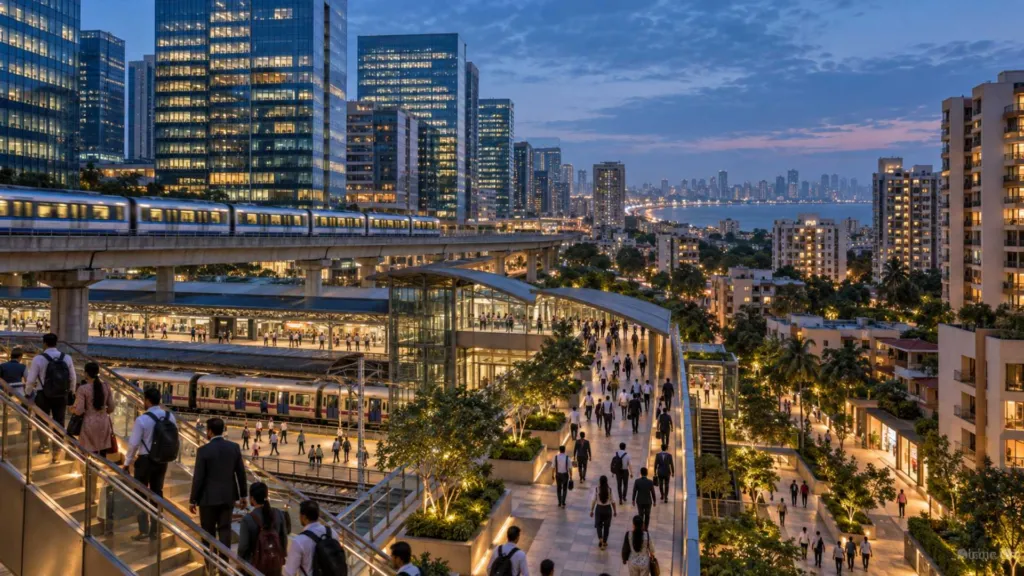
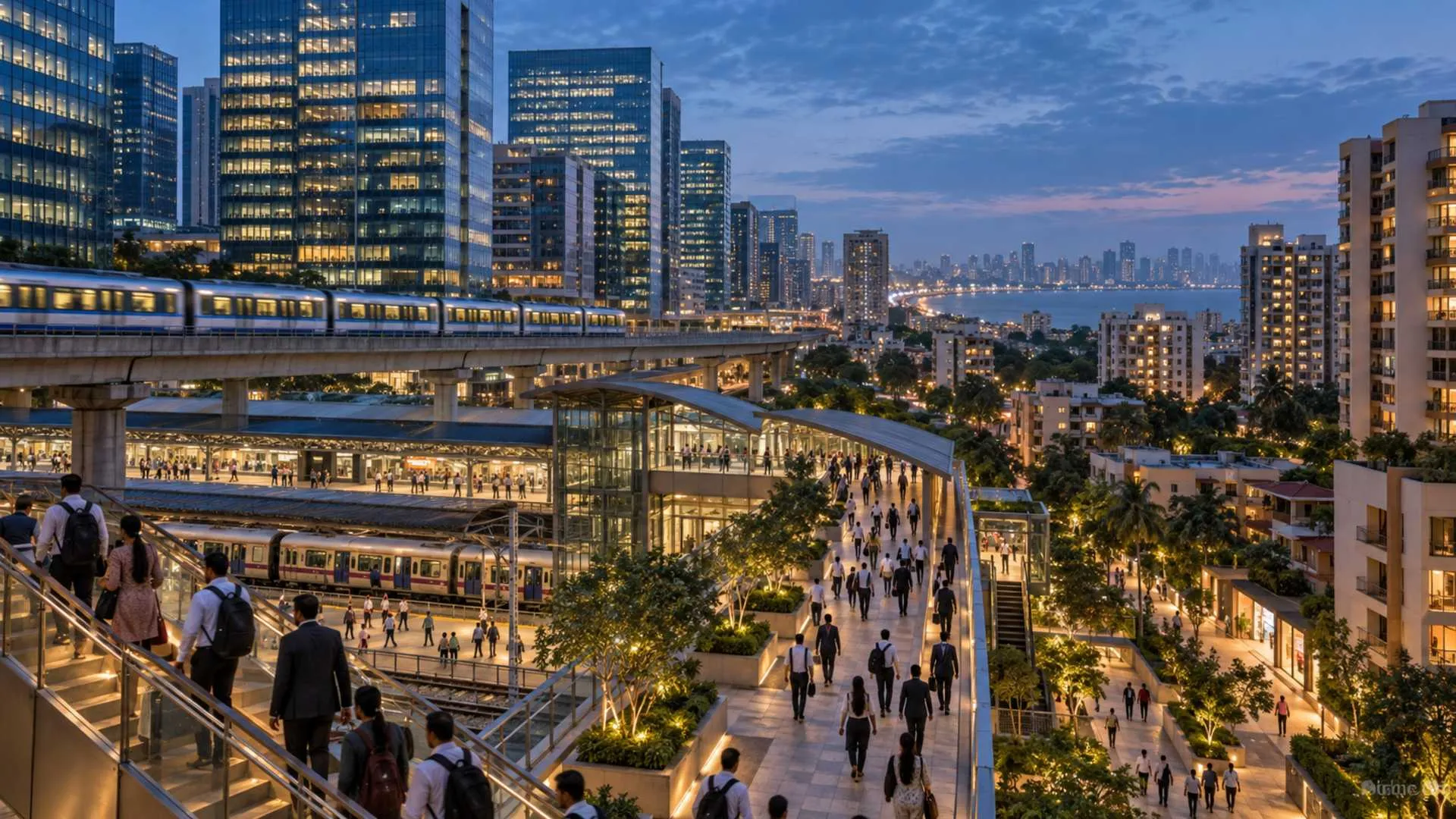
Large urban markets generally have more developed storage and distribution infrastructure than rain-dependent rural settlements. That can give organised parts of Mumbai, Pune, Pimpri-Chinchwad, Navi Mumbai and Thane greater resilience. It does not make every housing project within those markets equally secure.
In Mumbai, a buyer should ask whether the building receives a regular municipal supply, how much on-site storage is available and whether shortages lead to tanker purchases. Older societies may have an established supply history but ageing plumbing. New projects may have modern treatment and storage systems but should still demonstrate that the promised permanent connection is operational rather than merely proposed.
Pune presents a more complex picture. The district’s cumulative rainfall was above normal by September 22, according to The Indian Express, even as Shivajinagar experienced one of its longest stretches in years without double-digit daily rainfall. That means the phrase “Pune water shortage” cannot be applied uniformly.
A water supply flat Pune assessment must distinguish between areas served through established municipal systems and fast-growing peripheral projects relying heavily on borewells or private tankers. Buyers comparing a flat in Pune, property in Pune, or a 2BHK flat in Pune should request evidence from the specific society, not accept a verbal assurance based on the neighbourhood’s reputation.
The same rule applies to a flat in Mumbai, property in Mumbai, or a 2BHK flat in Mumbai. A prestigious pin code does not eliminate operational water risk; it may simply make the cost of tanker supply easier for a society to absorb.
How a rain deficit can affect property value
A single weak monsoon rarely determines the resale value of an otherwise sound home. Persistent water stress can, however, influence both household costs and buyer perception.
A tanker-dependent society may face higher monthly maintenance, unpredictable summer bills, disputes over allocation and additional wear on pumps and storage systems. Poor water quality can create treatment expenses, plumbing problems and resident dissatisfaction. Over time, these issues can weaken tenant demand or make prospective buyers negotiate harder.
This is the rain deficit Maharashtra home resale value impact 2026 buyers should understand: the discount, if any, is more likely to appear at the project or micro-market level than across the whole state. A well-managed society with documented municipal supply, adequate storage, metering, reuse systems and transparent records may hold its appeal. A nearby project with chronic tanker dependence could face a reputational disadvantage.
Water resilience may therefore become a stronger differentiator in property search Maharashtra decisions. Homes are unlikely to be marketed only through marble lobbies and rooftop amenities; developers may increasingly need to demonstrate reliable utility planning.
The questions every buyer should ask before booking
Buyers should move beyond “Is water available?” and ask for answers that can be checked:
- What is the project’s primary sanctioned water source, and is the connection already operational?
- How many litres of storage are available relative to the occupied population?
- How often did the society purchase tanker water during the previous summer, and what did it cost?
- Is the borewell functional, legally permitted and tested for water quality?
- Are rainwater harvesting, sewage treatment and treated-water reuse systems installed and operational?
- Who pays for tanker water during the developer-management period?
- Do the agreement, approvals and project disclosures match the sales team’s promises?
- What do current residents, maintenance invoices and society minutes reveal about shortages?
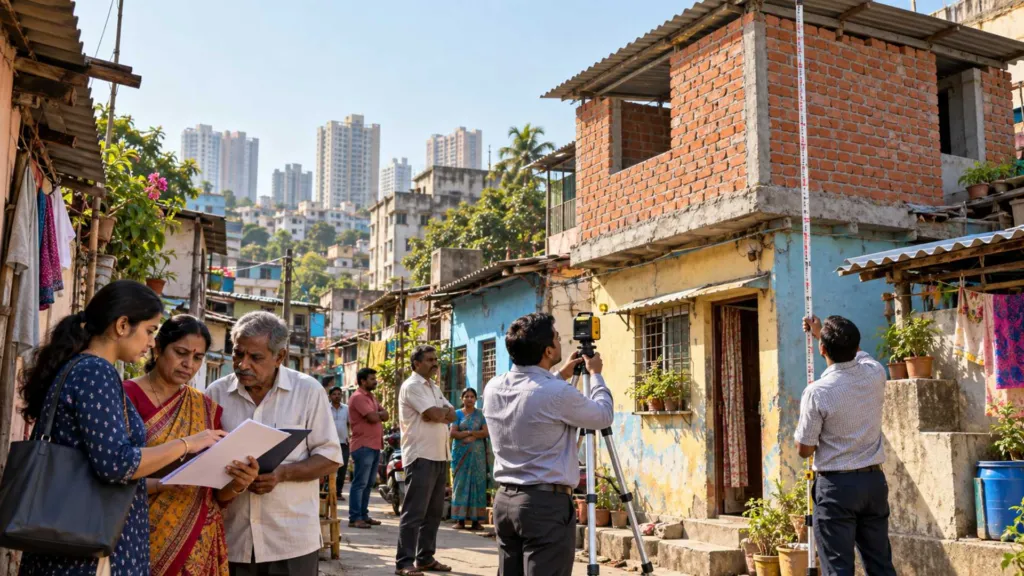
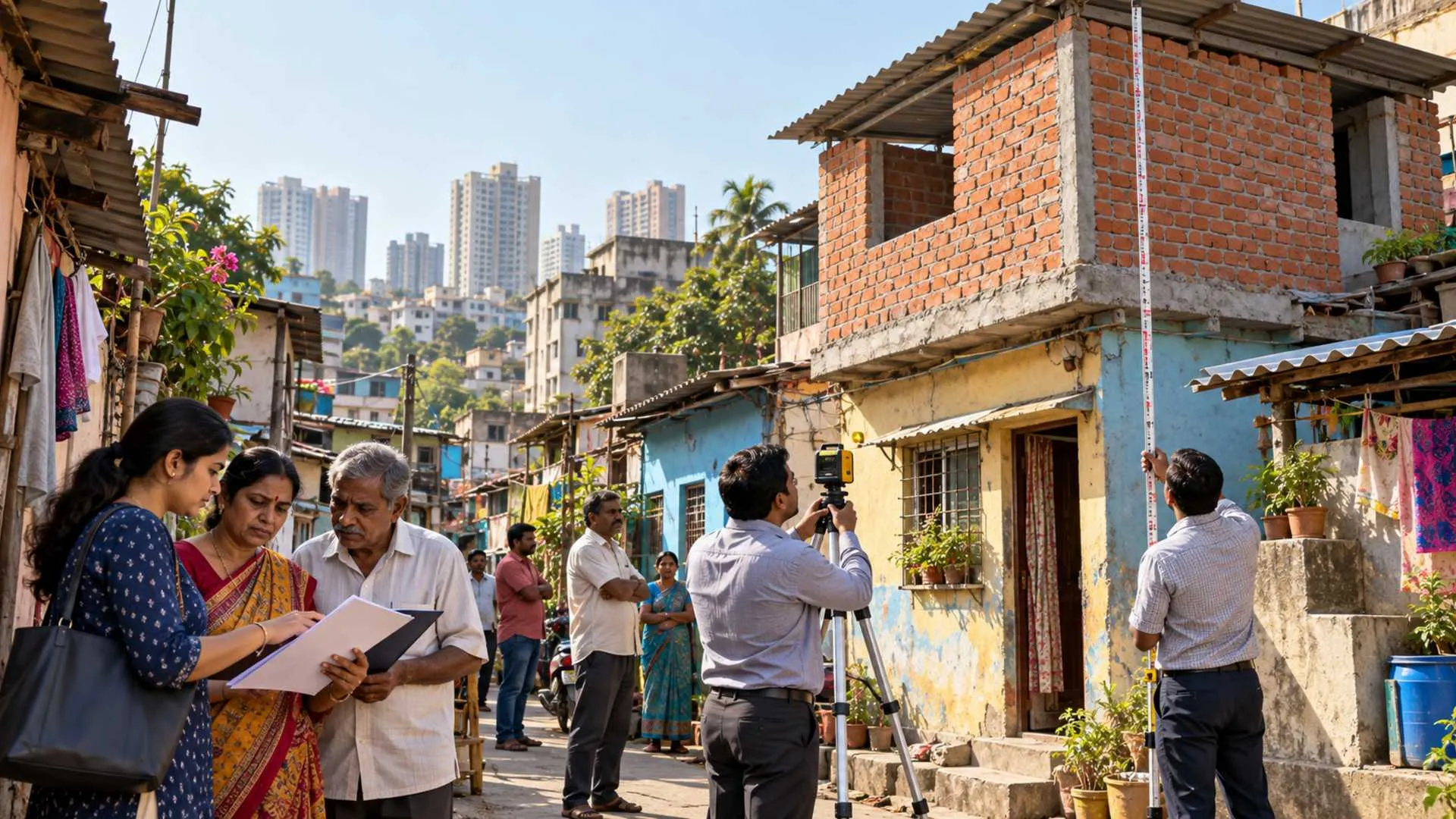
For a new project in Pune, buyers should verify the approval and connection status with the appropriate local authority, whether PMC, PCMC or another planning jurisdiction. For resale homes, ask for at least one full year of maintenance bills so the dry-season pattern is visible.
This is also where RERA documentation becomes useful. Buyers should review the registered project details, sanctioned plans, approvals and declared services, then ensure that water-related representations made in brochures or discussions are reflected in contractual documents. A sales promise is weakest when it cannot be found in an approval, agreement, or written disclosure.
What climate-ready housing should now look like
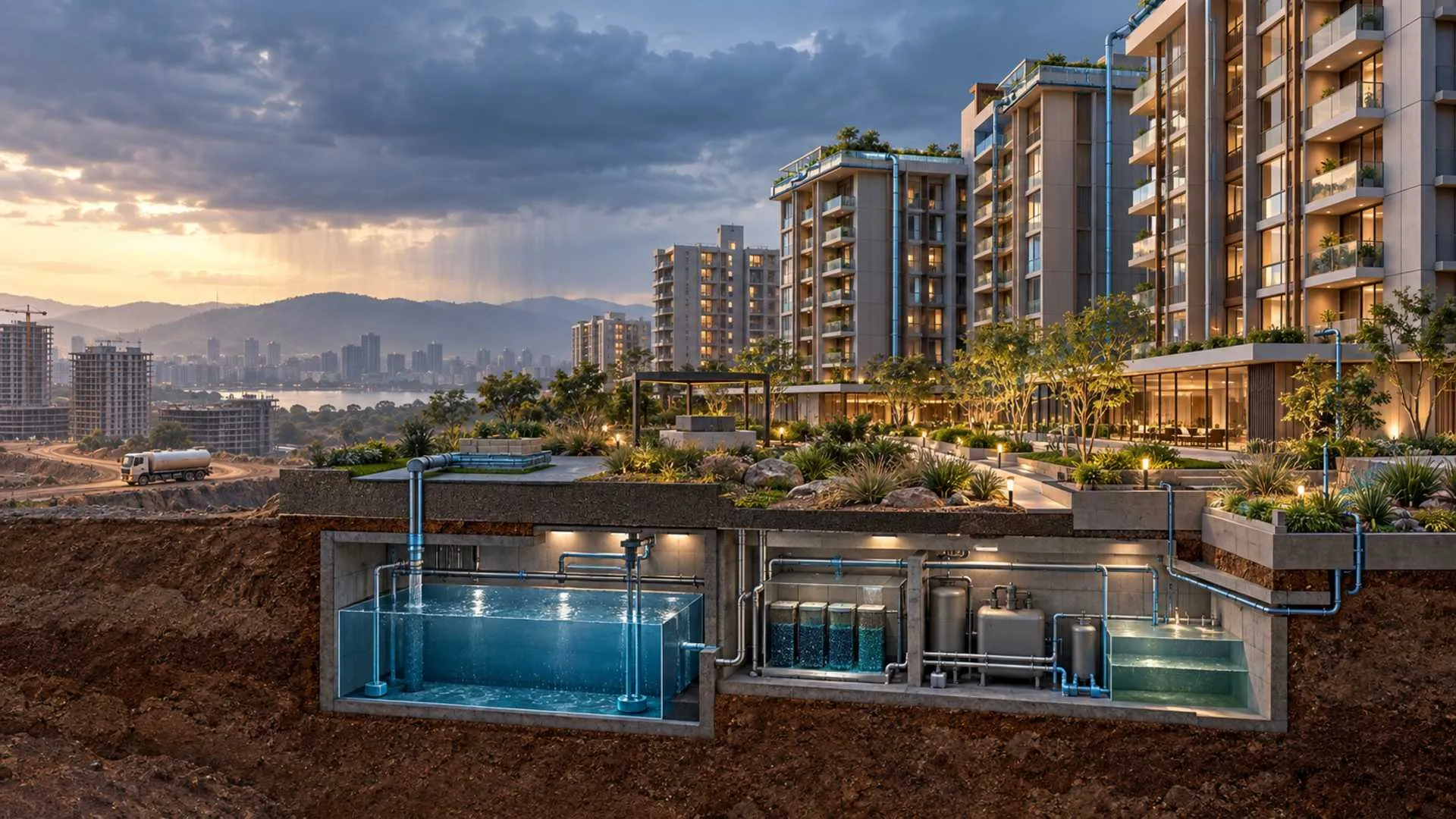
Maharashtra water shortage homes do not need to be designed around fear. They need redundancy and honest operating plans. Practical resilience includes correctly sized underground and overhead tanks, leakage monitoring, individual or zone-level metering, low-flow fixtures, functioning rainwater harvesting and reuse of treated wastewater for landscaping or flushing where permitted.
Landscape design matters too. Large lawns and water-intensive ornamental planting can become expensive during dry periods. Native planting, efficient irrigation and shaded open spaces offer a more climate-conscious alternative without removing the premium feel buyers expect.
Developers that publish the water balance of a project, expected demand, authorised supply, storage, recycling and backup, can turn a difficult monsoon into a credibility test they are prepared to pass. For housing societies, regular water audits and transparent tanker spending can protect both resident trust and resale confidence.
A warning signal, not a statewide verdict
The 17% deficit is serious, particularly when combined with prolonged dry spells and sharper shortages across parts of Marathwada, Vidarbha and western Maharashtra. It also arrives after rainfall that was uneven in timing and geography. But it is not evidence that every flat in Maharashtra will face a shortage, nor does it guarantee a broad fall in real estate prices in Maharashtra in 2026.
What it changes is the standard of proof. Buyers should no longer accept “24-hour water” as a brochure line without asking where that water comes from, what happens in May and who pays when the primary source fails.
If you plan to buy flat Pune, buy flat Mumbai or explore another Maharashtra market, compare the home’s water infrastructure alongside its price, commute and RERA status. Use RealtyConnect to organise your property search and questions, then verify every material claim with the developer, society, local authority and an independent property professional before booking.
In a changing climate, the best home is not merely affordable and well-connected. It is a home that can explain how its taps will keep running.
Disclaimer: This article provides general real estate information. Rainfall, reservoir levels and municipal supply conditions can change, and buyers should verify current project- and locality-specific information independently.