

Mumbai Office Demand Could Grow 12–15% Annually Through 2030, Report Says
SHARE:
The next phase of real estate development in Mumbai could be just as much influenced by office desks as it is by apartment buildings.
The CII-CBRE study forecasts that the demand for office space in the city will increase at a compound annual growth rate of 12 to 15% from 2027 to 2030, with new business districts, better transport links and demand from companies in the banking, financial services, technology and flexible-workspace sectors being expected to help achieve this expansion.
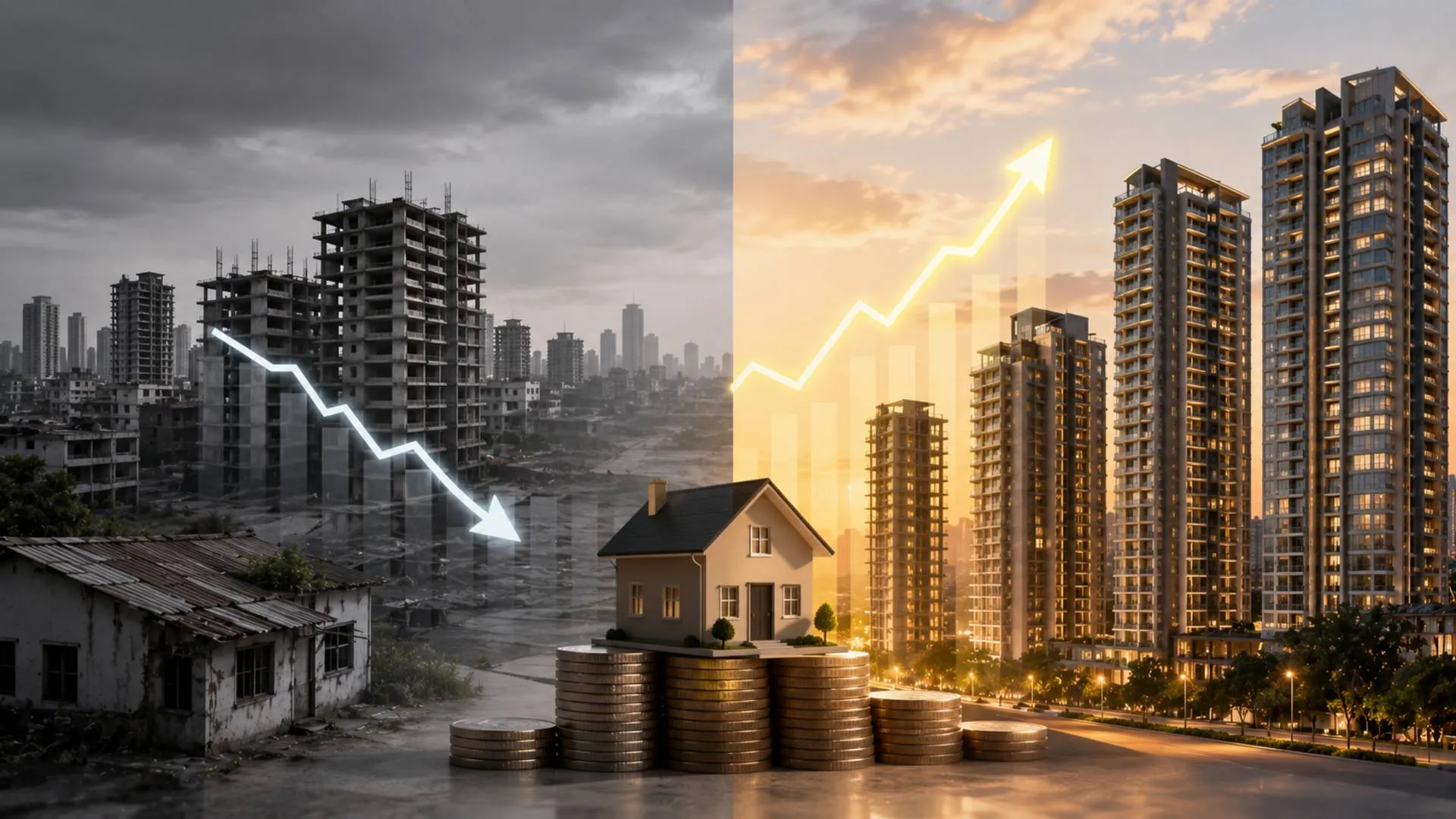
The forecast might boost certain residential areas by generating jobs, improving infrastructure and increasing the demand for homes close to offices. It doesn’t however, imply that every flat in Mumbai will see an annual rise in value of 12 to 15%.
Office-demand growth is a commercial leasing forecast and not a guaranteed forecast of the return of residential property.
Will Mumbai Property Prices Keep Going Up Through 2030?
Mumbai property prices may continue rising in well-connected, employment-led micro-markets through 2030, but growth will differ sharply by locality and project. Office expansion can support housing demand around BKC, Andheri East, Lower Parel, Powai, Thane and Navi Mumbai. Affordability, interest rates, new supply, construction quality and infrastructure delivery will ultimately determine price movements.
Buyers asking, “How much will my Mumbai property be worth in five years?” should avoid applying the office-market growth rate directly to their home. Even the report’s residential forecast measures sales activity and housing-stock expansion, not assured appreciation.
What Does the CII-CBRE Forecast Actually Say?
The India Mid-Year Market Outlook FY2027 was released at the CII Real Estate Summit 2026. According to The Financial Express, Mumbai recorded average annual office demand of approximately 11.8 million sq ft between 2022 and 2026.
The report projects:
- Office demand growth of 12–15% annually during 2027–2030
- Total office stock expanding to 1.3 times its present level by 2030
- Residential sales increasing at a 6–8% CAGR
- Housing stock expanding to 1.5 times its current level
- Retail demand growing at 14–17% annually
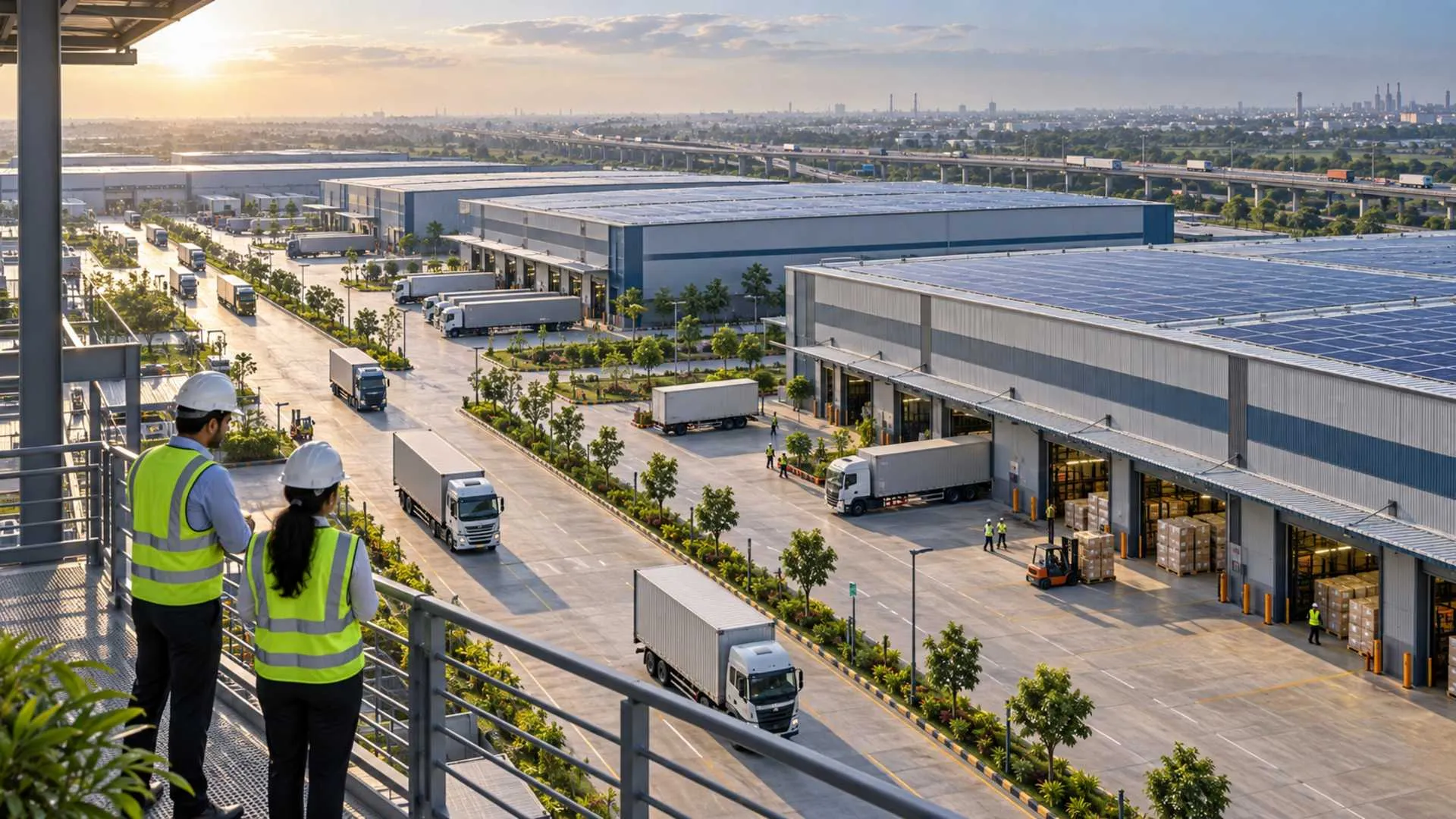
- Industrial and logistics demand rising at 5–8%
- Data-centre capacity expanding to 2.1 times its current level
Mumbai accounted for approximately 16% of India’s office inventory in H1 2026. The breadth of this forecast suggests that the next growth phase may extend beyond conventional office towers into retail, logistics, data centres and housing.
The key story is not simply more office space; it is the possible development of a wider, infrastructure-linked urban economy across the Mumbai Metropolitan Region.
Why Could Mumbai’s Office Market Grow So Quickly?
Mumbai already has deep demand from the BFSI sector, corporate headquarters, professional services firms and financial institutions. Technology companies, global capability centres and flexible-workspace operators are widening that tenant base.
Free Press Journal notes that investment-grade developments and the increasing integration of office and retail spaces could further support demand.
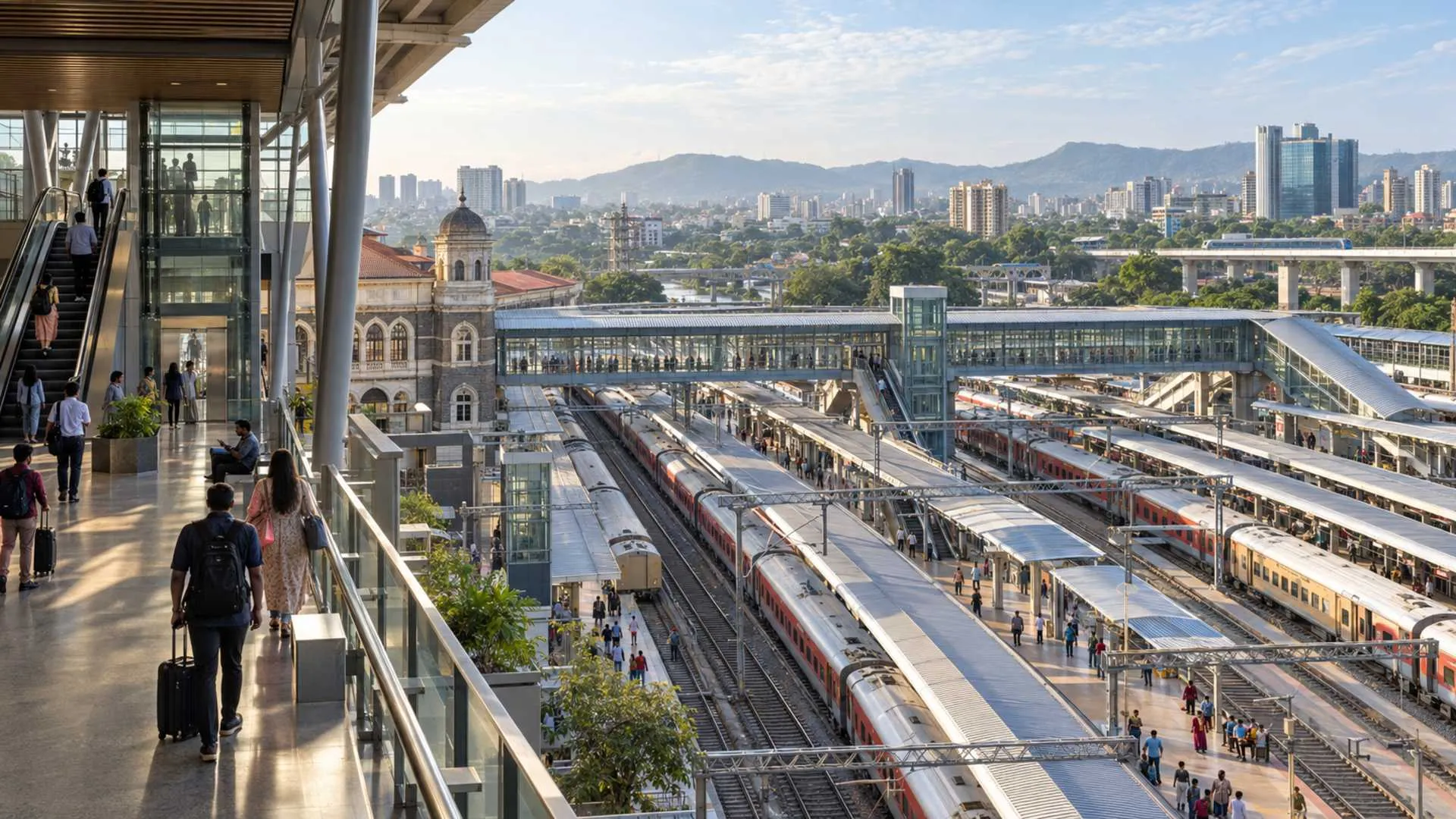
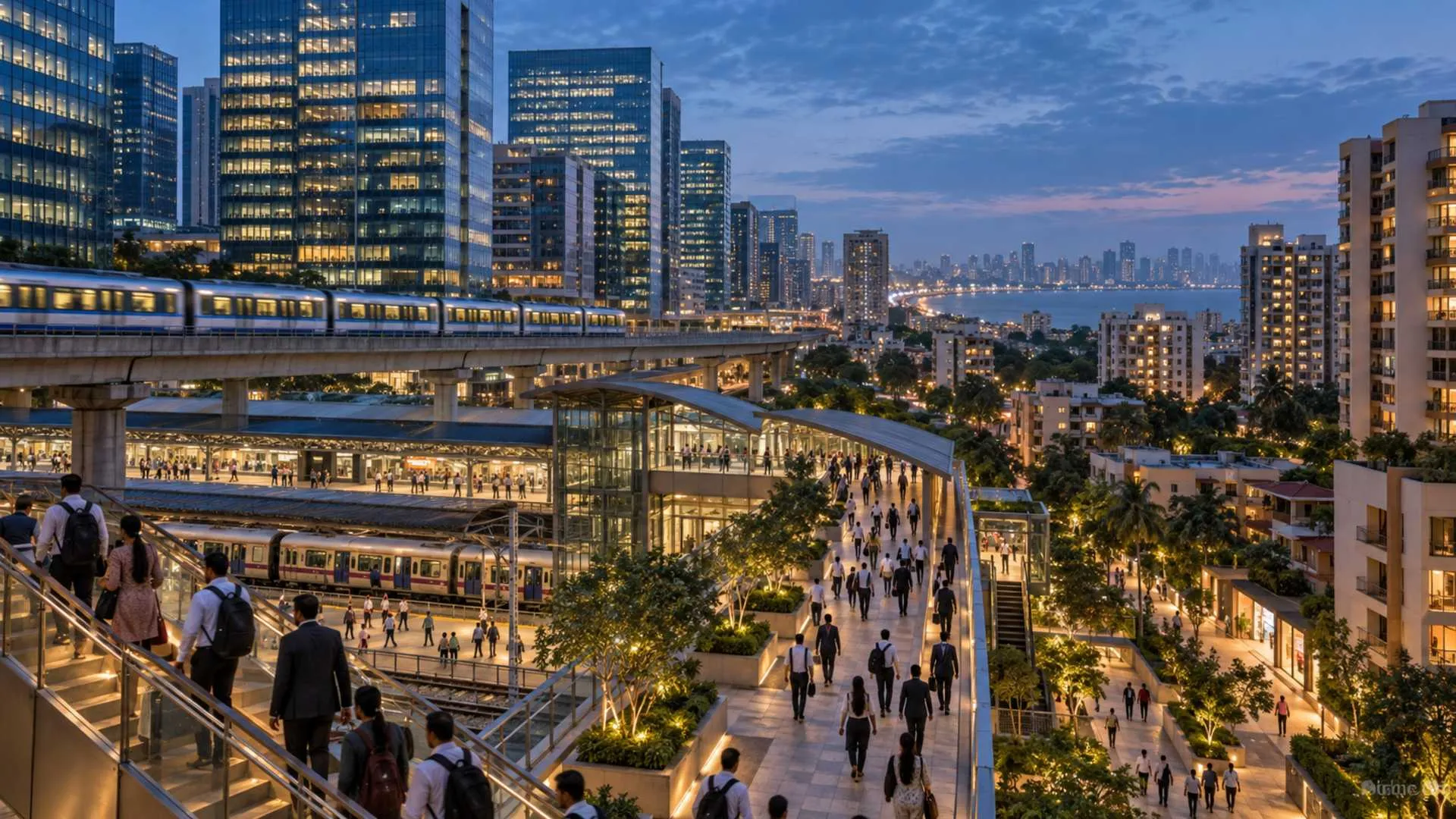
Infrastructure is the other major catalyst. Metro expansion, improved railway capacity, road projects and airport connectivity can allow businesses to consider districts beyond the traditional southern commercial core.
This decentralisation is already visible in the importance of BKC, Lower Parel, Andheri East, Powai and Navi Mumbai. Thane and other MMR locations could gain from companies seeking modern office space at costs below established prime districts.
The shift will not eliminate BKC’s premium. It may instead create a network of business districts connected by faster transport.
Which Mumbai Neighbourhoods Could Benefit Most?
BKC and Nearby Residential Markets
BKC remains Mumbai’s most prominent modern business district. Office demand can support residential interest in Bandra East, Kurla, Santacruz East and selected areas with convenient access to the commercial hub.
However, much of BKC’s employment and infrastructure premium is already reflected in surrounding property prices. Buyers should calculate whether rent, commute savings and future resale demand justify the entry cost.
Andheri East, Powai and SEEPZ
Andheri East combines airport access, Metro connectivity, MIDC, SEEPZ and a large corporate base. Residential markets around Marol, Chakala, JB Nagar and Powai may benefit from tenants and buyers seeking shorter commutes.
For someone comparing an Andheri East office-hub apartment investment, the exact walking or travel time to transport and employment centres matters more than a broad “near the airport” claim.
Lower Parel and Parel
Lower Parel’s transition from former mill land to a mixed commercial-residential district has created a strong office-proximity premium. Continued business growth can sustain high-end housing demand, but elevated acquisition costs may limit rental yield.
Thane and Navi Mumbai
ReMumbai highlights infrastructure-led decentralisation as a force reshaping Mumbai’s commercial footprint.
Thane and Navi Mumbai could benefit if companies move closer to employee catchments and newer infrastructure. Navi Mumbai’s emerging airport ecosystem, business districts and connections across the harbour may reinforce this trend, subject to actual project completion and occupier demand.
Does Office Growth Automatically Raise Home Prices?
Office expansion can influence residential demand through a recognisable chain: more workplaces create jobs, jobs attract workers, and workers generate demand for nearby ownership and rental housing.
The effect is strongest when the neighbourhood also offers:
- Reliable public transport and road connectivity
- Schools, healthcare and retail infrastructure
- Sufficient water and civic services
- Quality residential supply
- Prices that employees can realistically afford
If home prices rise far beyond local salaries and achievable rents, buyers may move farther away despite office growth. Likewise, excessive housing supply can moderate appreciation even near an expanding commercial district.
The best-performing residential market may not be the one closest to an office tower, but the one offering the most practical combination of commute, affordability and liveability.
Is 2026 the Right Time to Buy Before the Office Boom?
The forecast strengthens Mumbai’s long-term economic case, but it should not create urgency around an unsuitable purchase.
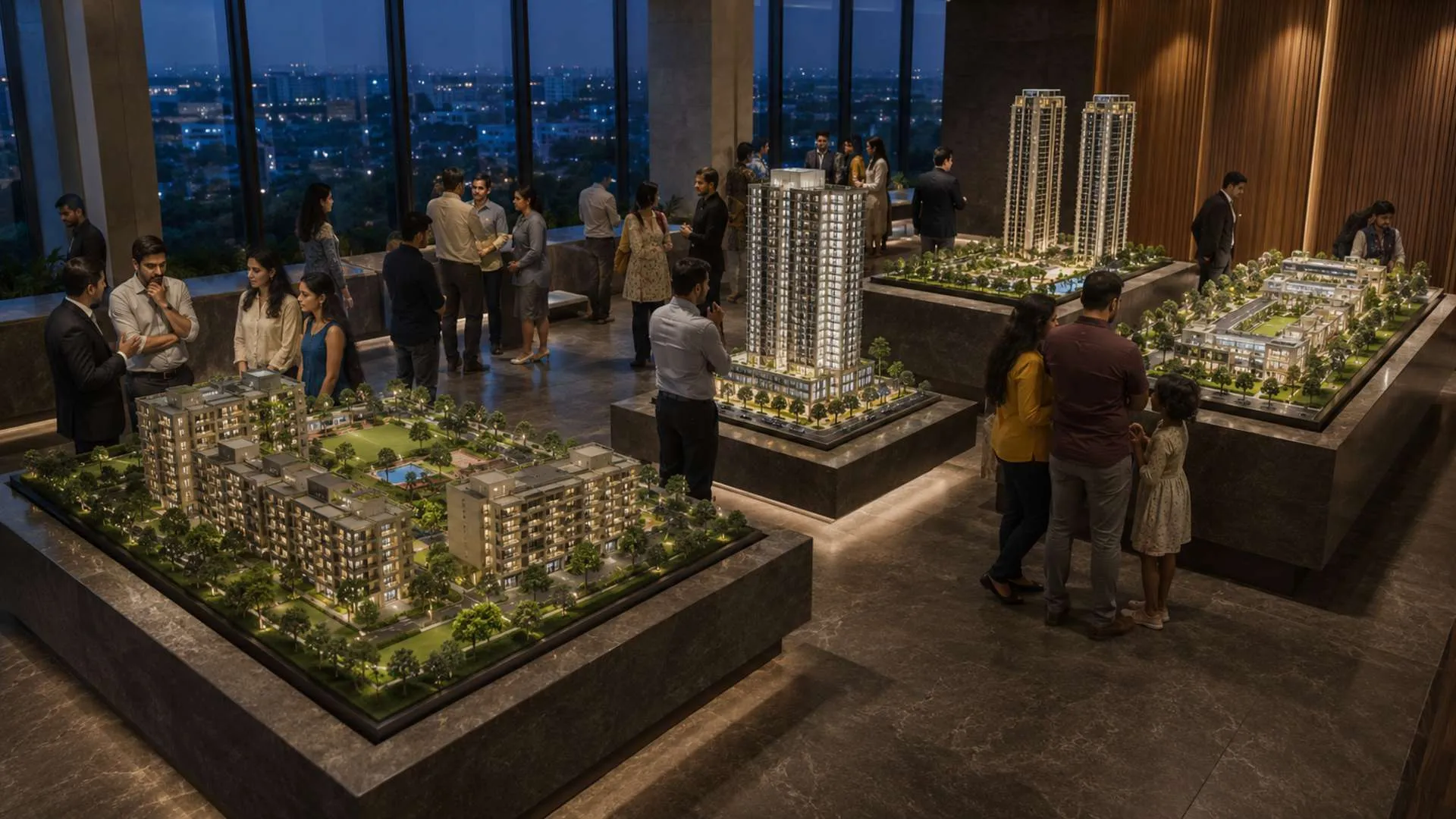
End-users may consider buying when they expect to remain in the city for several years, have a stable income and can manage the EMI without sacrificing emergency savings. Investors should compare the all-inclusive cost with achievable rent, vacancy risk, maintenance charges and realistic resale demand.
A property near BKC or Andheri East may offer employment-led resilience, but a poorly maintained building or overpriced apartment can still underperform. Buyers must verify MahaRERA registration for applicable projects, approved plans, title, carpet area and possession status.
Mumbai’s Road to 2030
The CII-CBRE forecast positions Mumbai for broad-based property expansion. Office demand could grow by 12–15% annually, while residential, retail, logistics and data-centre markets follow their own growth trajectories.
For homebuyers, the real opportunity lies in identifying corridors where employment expansion and infrastructure improvements meet attainable pricing. Commercial momentum can support housing demand, but it cannot guarantee the future value of an individual apartment.

FAQs:
 Retail REITs Expand Beyond Metros as Tier-II Cities Attract Capital