

Mumbai Posts Best August Property Registrations in Fourteen Years Despite High Prices
Mumbai Property Registrations Hit 14-Year August High in 2026
SHARE:

Mumbai’s housing market has delivered another number that’s hard to ignore. Even as high prices continue to challenge affordability, property registrations in the country’s priciest residential market posted their best August performance in more than 14 years.
Mumbai’s August property registrations, the best in 14 years, a 2026 milestone, indicate buyers have not backed out of the market. Instead, they are becoming more strategic in terms of location, connectivity, quality of projects and long-term value.
Why Did Mumbai Record Its Best August Property Registrations in 14 Years?
Mumbai’s August 2026 registration record was supported by sustained end-user demand, confidence in homeownership, the city’s employment base and buyer preference for well-located developments. Infrastructure improvements, redevelopment and new housing supply across multiple micro-markets also helped maintain transaction activity despite elevated prices.
The headline numbers changed as registrations continued through August 31. An earlier Knight Frank projection cited by ABC Buildcon estimated 12,503 registrations, an 11% year-on-year increase, and ₹1,123 crore in stamp-duty revenue.
A later Rediff Money report placed the count at 12,580 registrations by 9:30 p.m., up 12% from 11,230 registrations in August 2025. Both tallies confirm the same conclusion: August 2026 was Mumbai’s strongest August in over 14 years.
The widely searched Mumbai 12,503 registrations August 2026 14-year high figure should therefore be described as an earlier projection, while 12,580 represents the later reported count.
What Is Sustaining Mumbai Property Demand in August 2026?
Mumbai’s performance is not based on one sudden buying rush. Registration growth has continued despite a high comparison base, demonstrating the depth of demand in both primary and secondary housing markets.
Shishir Baijal, Chairman and Managing Director of Knight Frank India, told Rediff that Mumbai’s economic depth, employment base and long-term investment appeal continue to support residential demand. His assessment captures the Knight Frank Mumbai residential market August 2026 data story: buyers remain active, but they are increasingly discerning.
Four forces appear to be sustaining demand:
- Preference for homeownership among end-users
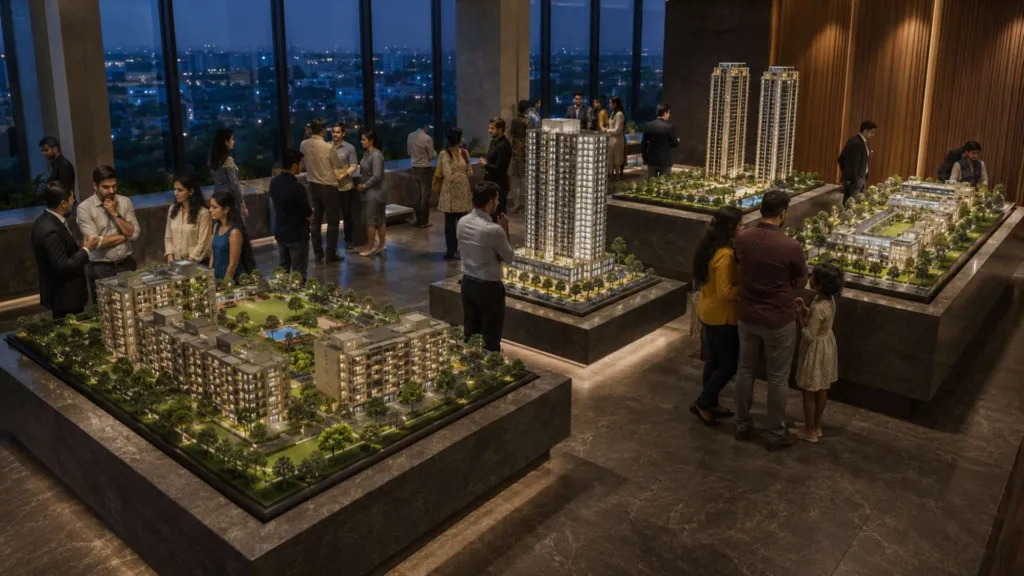
- Demand for well-located, quality developments
- Infrastructure-led improvement in connectivity
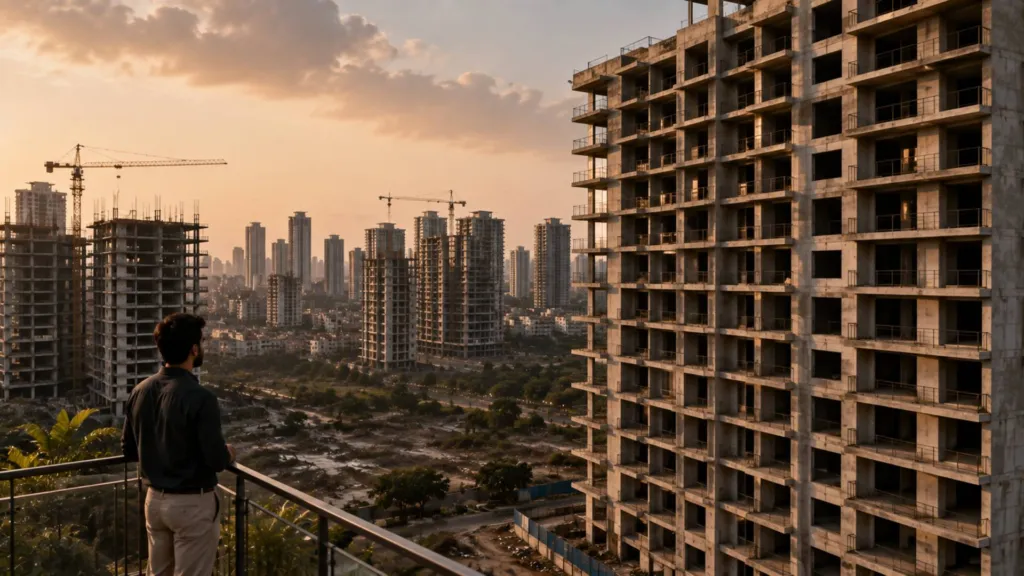
- Redevelopment creating modern inventory in established neighbourhoods
This is less a speculative buying cycle and more a story of structural demand from end-users in Mumbai in 2026. Investors remain present, but genuine housing requirements are providing the market with a more stable base.
Stamp-Duty Revenue Shows Buyers Are Completing Transactions
Registration volume is only one side of the story. The earlier projection of Mumbai stamp duty ₹1,123 crore August 2026 12% YoY growth indicates that buyers were not merely enquiring or visiting projects, they were completing transactions.
However, figures were updated during the final registration day. The Economic Times reported an earlier count of 12,387 registrations and more than ₹1,114 crore in stamp-duty collections, reflecting the data available at that time.
These changing tallies explain why the Maharashtra Department of Registrations and Stamps August 2026 data should always be read with its reporting timestamp. All the reported versions nevertheless show double-digit annual growth in registrations or revenue.
Higher collections also strengthen the state exchequer, although they should not automatically be interpreted as evidence that every Mumbai locality or price category is expanding equally.
What Is Driving Demand Despite Mumbai’s High Property Prices?
The question “Why are Mumbai property registrations at a 14-year high in 2026?” becomes more striking when affordability is considered. Mumbai homebuyers face large down payments, high EMIs and additional acquisition costs, yet many continue to view housing as a long-term personal and financial asset.
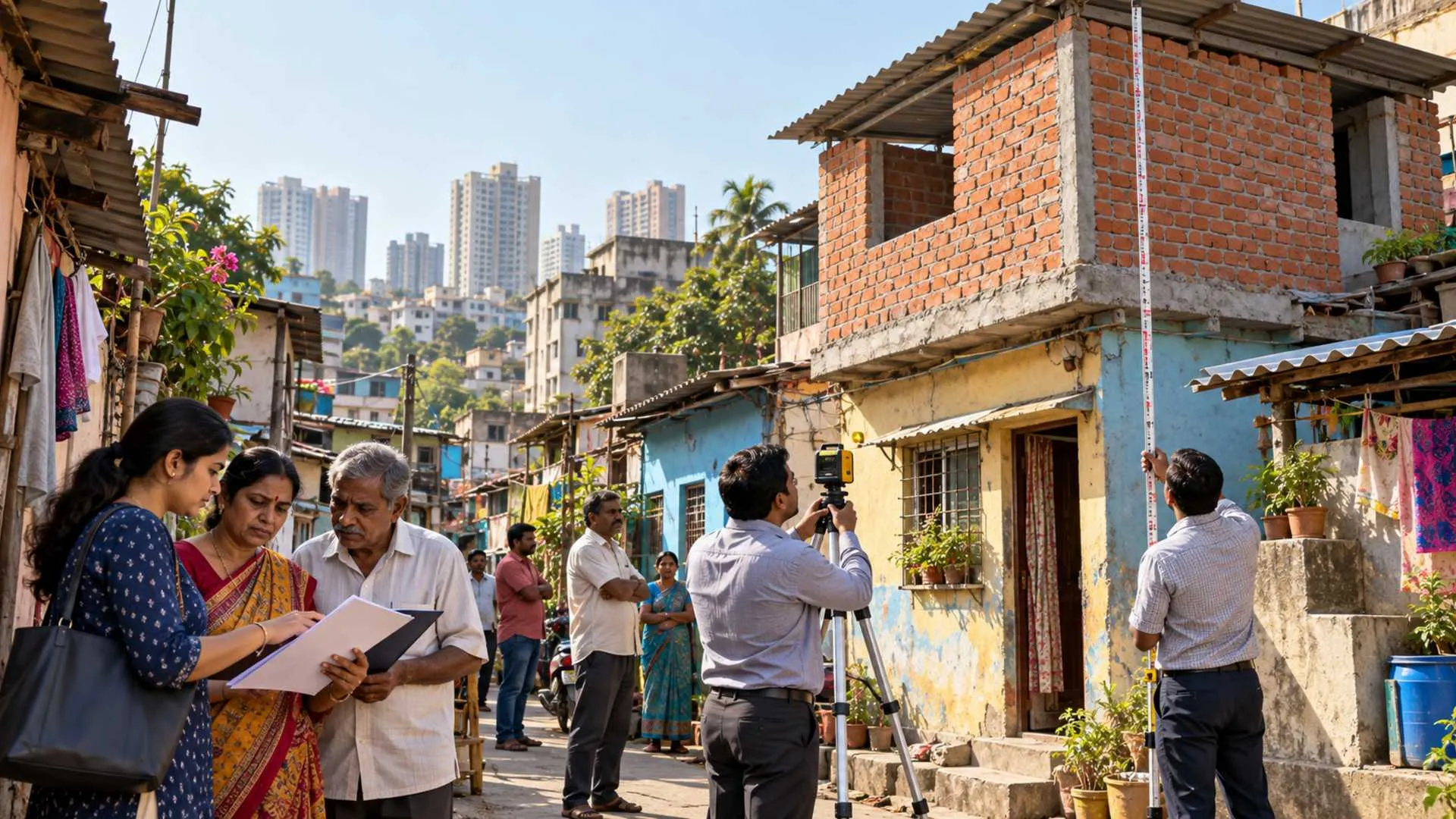
Redevelopment is another important driver. It introduces newer homes in established neighbourhoods where buyers already have access to schools, workplaces, transport and family networks. According to The Economic Times, redevelopment is enabling modern housing supply without forcing buyers to leave familiar social and economic ecosystems.
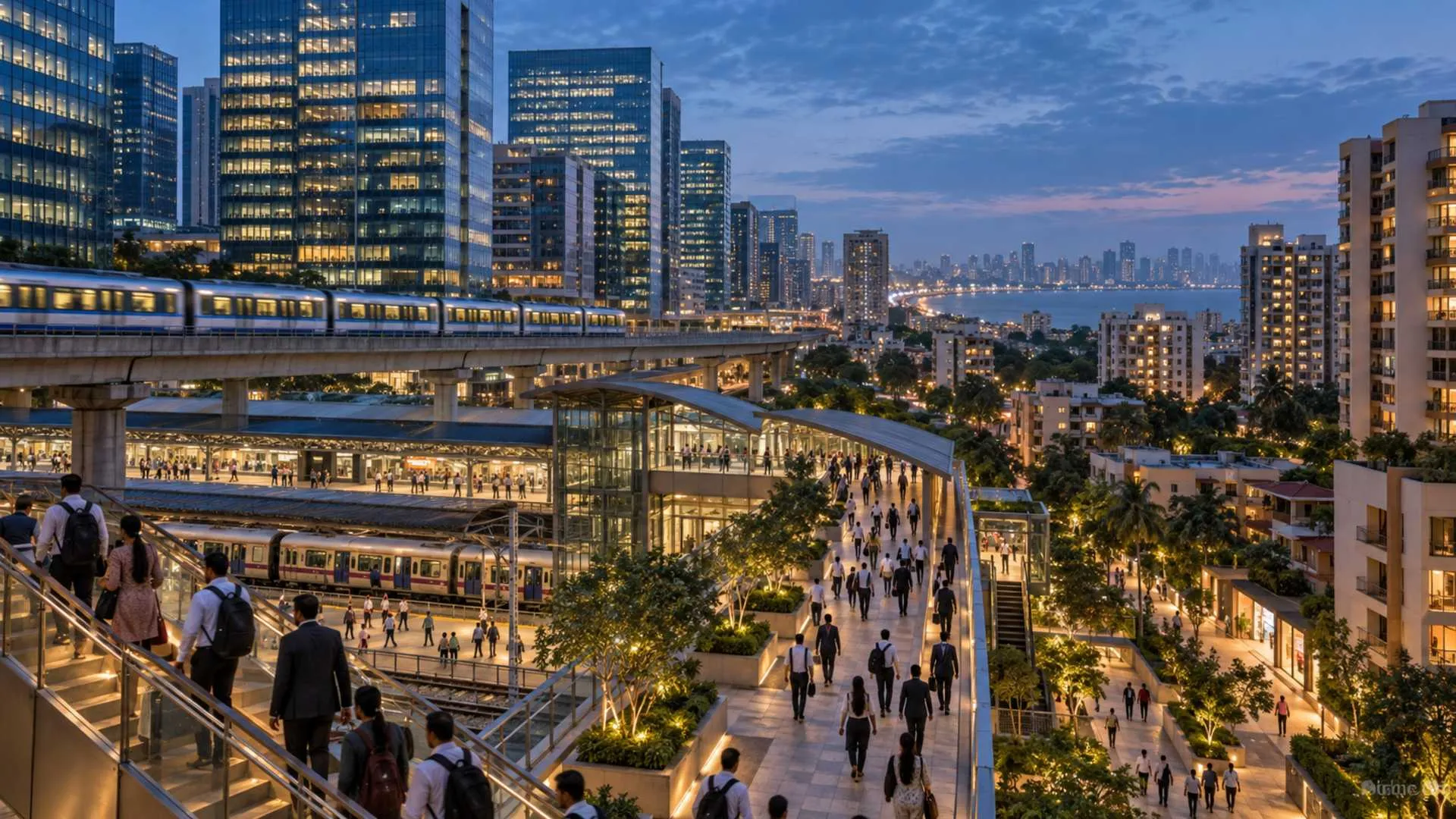
Infrastructure is also expanding the definition of a viable residential location. As Metro and road projects improve connectivity, emerging corridors can attract buyers who might otherwise remain concentrated in older neighbourhoods.
This helps explain what is driving Mumbai property demand despite high prices: buyers are not simply purchasing square footage. They are paying for employment access, established infrastructure, lifestyle convenience and the perceived scarcity of well-connected urban housing.
Which Mumbai Areas Are Driving the Registration Record?
The supplied August reports do not provide a verified locality-wise split. Therefore, searches such as Worli Lower Parel luxury registrations sustaining August 2026, BKC Bandra West premium demand 14-year high contribution and South Mumbai registrations uptick August 2026 analysis cannot be quantified from these sources.
Similarly, a clear August breakdown for Andheri Borivali western suburbs registration volume August 2026, Mira Road Virar affordable registration Mumbai August 2026 or Kalyan Dombivli affordable registrations Mumbai August is unavailable in the referenced data. The official tally discussed here covers properties within BMC jurisdiction, which also means Thane, Mira Road, Virar, Kalyan and Dombivli should not be added to the Mumbai-city registration count.
Market interest spans premium, mid-premium and compact homes. The ₹1–2 crore segment accounted for 38% of registrations in Mumbai H1 2026, according to the supplied keyword dataset, but this should not be presented as an August-only share without a separate monthly breakdown.
The same caution applies to ₹10 crore-plus luxury registrations Mumbai August 2026 and Mumbai under ₹80 lakh registrations still happening August. Both categories may contribute, but their exact August shares require transaction-level evidence.
Can a Salaried Buyer Still Afford a Mumbai Home?
For anyone asking “Can I afford a home in Mumbai on my salary in 2026?”, the registration record does not mean every household can comfortably purchase.
A buyer earning ₹1 lakh per month may find a Mumbai home difficult to finance without a large down payment, a joint income or a smaller property in an outer location. The answer to “Can I afford a flat in Mumbai on ₹1 lakh salary?” depends on existing EMIs, loan eligibility, savings and the household’s ability to manage long-term repayments.
High registrations show market activity, not universal affordability.
Is Now the Right Time to Buy Property in Mumbai?
The answer depends on personal finances rather than the 14-year record. End-users with stable income, adequate emergency savings and a long holding period may consider buying if the home suits their commute and budget.
Investors asking whether Mumbai property demand will sustain through H2 2026 should watch monthly registrations, stamp-duty collections, unsold inventory, new launches and project execution. Rising prices could restrict speculative demand, while end-user purchases may continue supporting transactions.
Mumbai’s best August in 14 years is a sign of resilience, not a guarantee of future appreciation. Buyers should compare projects, inspect MahaRERA records, obtain an all-inclusive cost sheet and secure independent legal verification before paying a booking amount.
For informed Mumbai property decisions, continue following verified registration data and locality-level market updates and choose financial comfort over market hype.