

Kharghar–Taloja: Navi Mumbai’s Affordable Frontier Rides the Airport Wave
Explore Kharghar vs Taloja property investment in 2026.
SHARE:
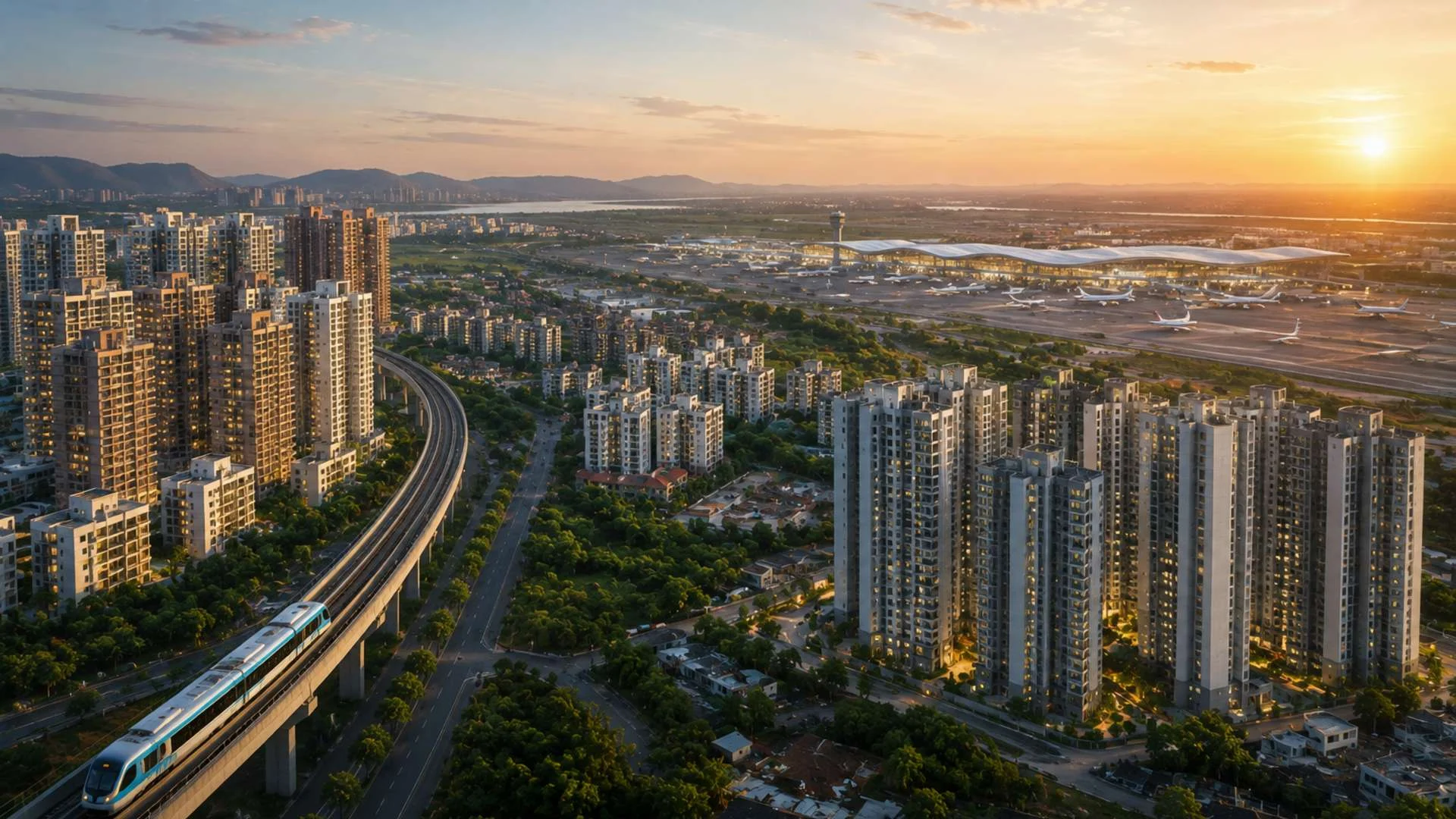
Kharghar–Taloja property demand is entering a new phase as Navi Mumbai’s airport ecosystem, metro connectivity and expanding infrastructure reshape the region’s investment map.
Kharghar vs Taloja: Which Is Better for Investment in Navi Mumbai?
Kharghar offers a stronger established-market proposition, while Taloja offers a lower entry point and potentially higher upside. The choice depends on whether a buyer prioritises lifestyle and maturity or affordability and long-term appreciation.
The story has changed quickly. The Navi Mumbai International Airport (NMIA) is no longer only a future infrastructure promise. Domestic flight operations commenced on December 25, 2025, while the airport’s initial phase is designed to handle 20 million passengers annually.
According to ThePropertyist, the airport is already influencing residential markets across its wider catchment, with Kharghar and Taloja benefiting from improving road and metro connectivity. Its 2026 estimates place Kharghar at roughly ₹11,000–₹15,000 per sq ft in some sectors and Taloja at around ₹5,500–₹8,000 per sq ft, highlighting the significant affordability gap between the two markets.
That gap is precisely why Kharghar–Taloja has emerged as Navi Mumbai’s affordable frontier.
Kharghar: The Established Airport-Catchment Play
Kharghar has something Taloja is still building: a mature residential ecosystem.
Its appeal comes from established schools, healthcare, retail, green spaces, Central Park and better-developed social infrastructure. The Propertyist describes Kharghar as a balanced residential market benefiting from airport connectivity, while Shreeji Ventures highlights its continued demand for 2 BHK homes and its proximity to major infrastructure.
For families and NRIs seeking a relatively established Navi Mumbai address, Kharghar 2BHK and 3BHK homes remain the safer end-user proposition.
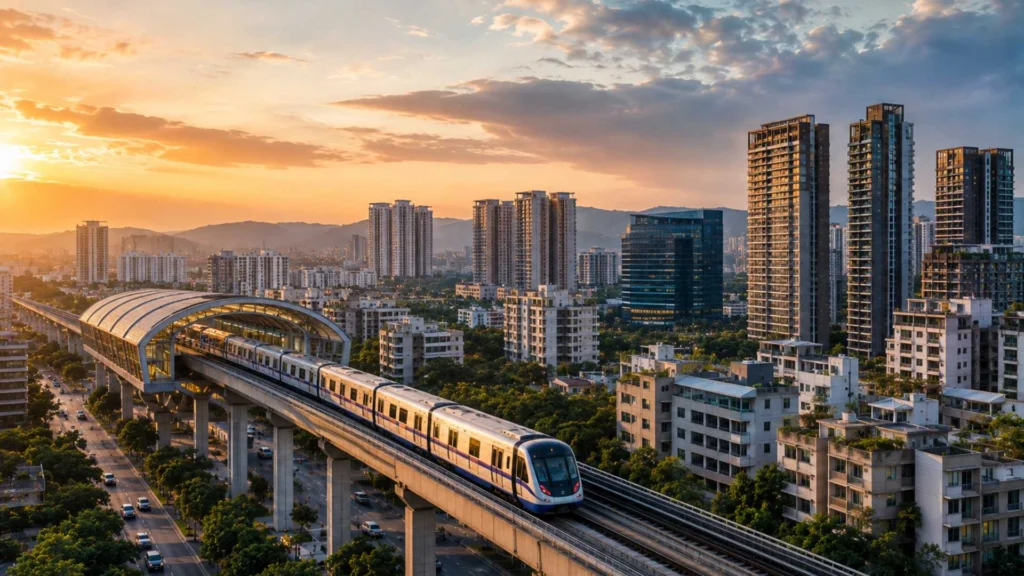
The locality is also positioned for continued connectivity improvements. Navi Mumbai Metro Line 1 already connects CBD Belapur with Panvel through Kharghar and Taloja. Mumbai Live reports that proposed metro extensions could further strengthen links towards Taloja, Kalamboli and Khandeshwar and eventually improve airport access.
Taloja: The Affordability Story Is Harder to Ignore
Taloja is where the investment equation becomes more aggressive.
With indicative prices substantially below Kharghar, Taloja flats can offer a lower entry ticket for first-time buyers and investors. The locality also benefits from Metro Line 1 connectivity and proximity to the Taloja MIDC employment belt.
This combination of affordability, employment and infrastructure is creating a different demand profile. Buyers who find a Kharghar 2BHK at around ₹95 lakh difficult to justify may consider a Taloja 2BHK around the ₹48 lakh range, depending on the project, configuration and prevailing market rates.
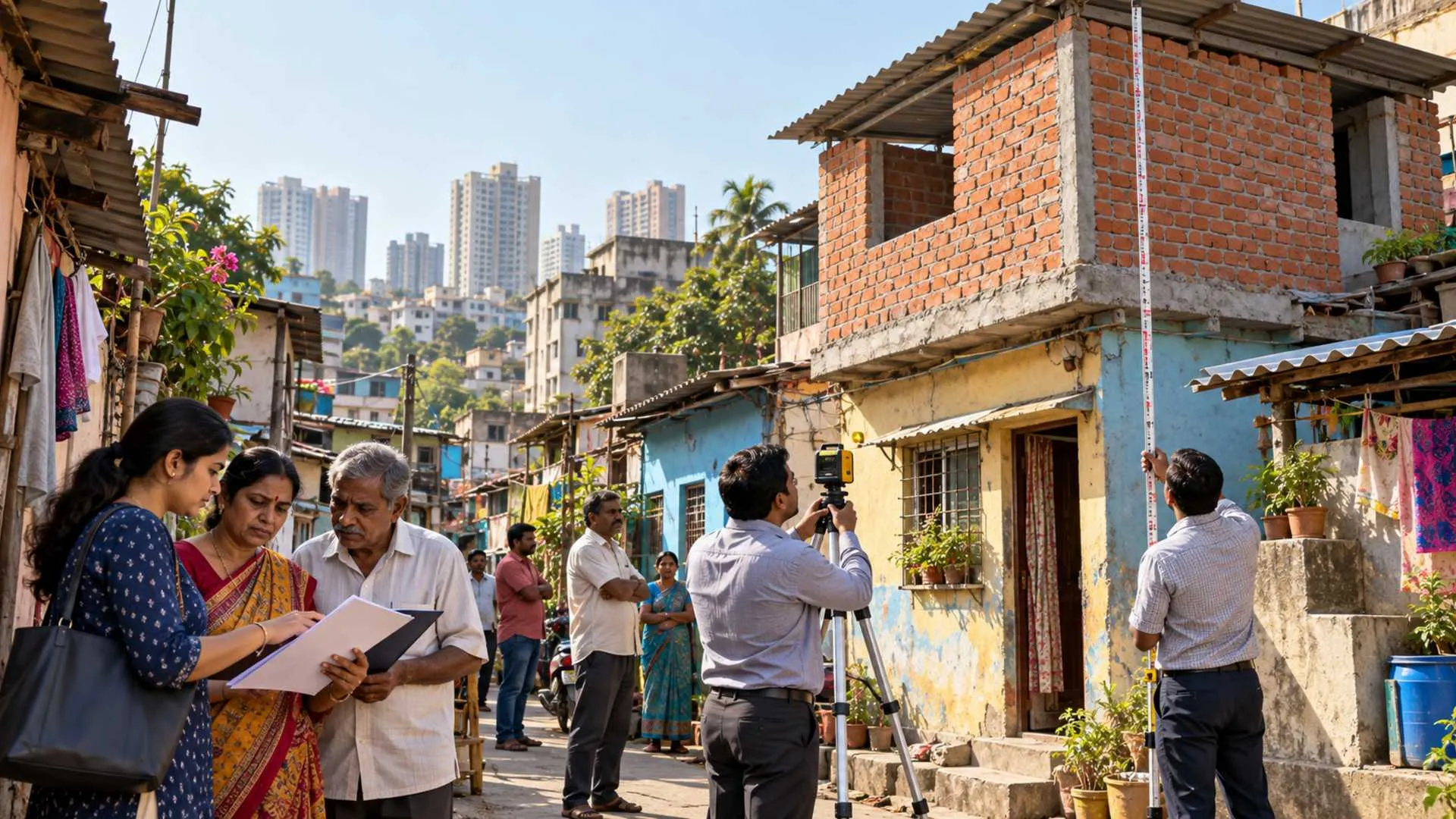
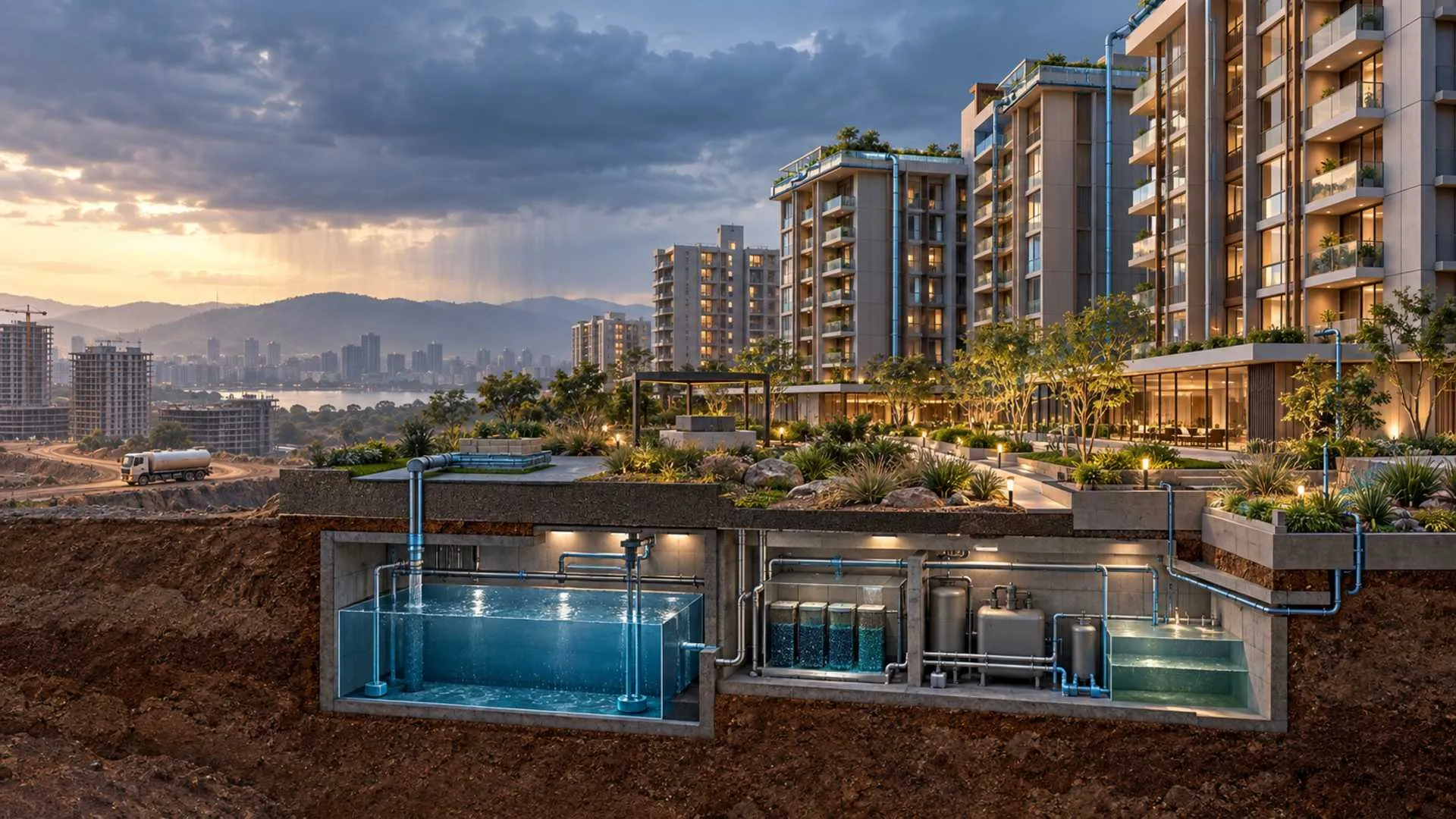
But cheaper does not automatically mean better. Buyers should examine water supply, traffic, social infrastructure, construction quality and the exact location of a project before assuming that Taloja will replicate Kharghar’s trajectory.
Airport Wave Could Reshape the Investment Map
The airport effect is broader than simply reducing travel time. A functioning international airport can attract aviation, logistics, hospitality, retail and corporate activity, creating new employment and rental demand around Navi Mumbai. Shreeji Ventures notes that the airport is expected to support this wider economic ecosystem.
That makes the Navi Mumbai airport’s impact on Kharghar and Taloja real estate a story about jobs and connectivity as much as property prices.
For investors, the decision may therefore come down to this:
- Kharghar: higher entry cost, established infrastructure and stronger end-user appeal.
- Taloja: lower entry cost, developing ecosystem and greater scope for infrastructure-led upside.
The airport wave is giving a push to Navi Mumbai’s residential profile. But Kharghar and Taloja will get their benefits in very different ways.
If you are a buyer comparing Kharghar vs Taloja property investment for 2026, the smarter way is to compare the specific project, connectivity, developer credibility and five-year holding potential rather than chasing the cheapest or most hyped location.
Confused about making a decision on new property markets in Navi Mumbai? Get more real estate tips at RealtyConnect AI.