

Dark Stores Are Repricing Indian Neighbourhoods as Quick Commerce Explodes
Dark Stores Are Repricing Indian Neighbourhoods as Quick Commerce Explodes
SHARE:
A shuttered storefront in your neighborhood may no longer be undesirable commercial real estate. To Blinkit, Zepto or Swiggy Instamart, it might be the most valuable address on the street.
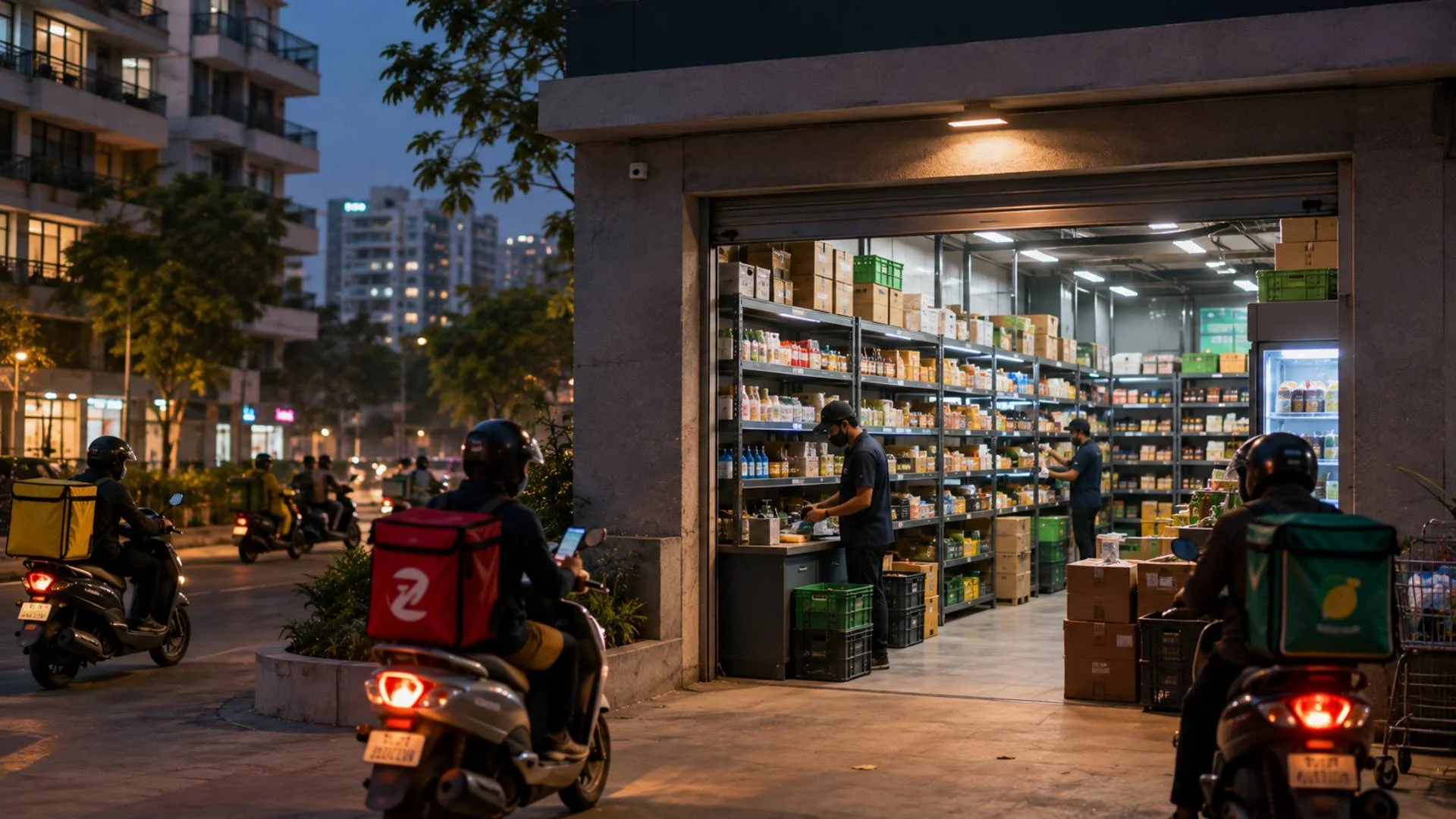
India’s 10-minute delivery race is becoming an unlikely real estate story. Quick-commerce companies are creating dark stores, also called micro-fulfilment hubs, by turning basements, older shops and ground-floor commercial spaces in residential areas into these hubs, as they need inventory to be located very close to customers.
The outcome? The boom in dark store properties and 10-minute delivery in Indian neighborhoods is starting to affect rents, demand for tenants and even the parameters of what makes a commercial location valuable.
How are dark stores affecting property prices in Indian neighbourhoods?
Dark stores are increasing demand for strategically located commercial spaces inside dense residential neighbourhoods. In high-demand locations, Kotak Neo reports that rents have risen 20–25%, while ThePrint cites cases where prime residential-area commercial rents have increased by up to 35%. However, congestion, parking and noise can negatively affect neighbouring shops and residents.
The Property Nobody Wanted Is Suddenly Prime Real Estate
Traditional retail follows footfall. Dark stores follow delivery radius.
A dark store has no browsing customers or elaborate storefront. Products sit on racks while workers pick orders and delivery riders move them to nearby homes. Kotak Neo says these facilities are designed around roughly one-to-three-kilometre delivery catchments.
That changes real-estate economics.
The most useful property is no longer necessarily a glamorous high-street shop. Quick-commerce operators are seeking ground-floor spaces within densely populated residential zones where riders can enter, load and leave quickly.
Kotak Neo reports that dark-store enquiries for 1,000–4,000 sq ft ground-floor spaces in dense residential locations increased by around 40% over the previous year. It estimates that India’s dark-store network could approach 5,500 locations during FY26, compared with roughly 24 million sq ft of dark-store space in 2023.
Quick commerce is effectively creating a new property category: logistics real estate hidden inside the neighbourhood.
Blinkit, Zepto and Instamart Are Changing the Rental Map
The dark store real estate impact of Blinkit, Zepto and Swiggy in 2026 becomes clearer when looking at rents.
According to Kotak Neo, dark-store rents can reach approximately ₹150–₹250 per sq ft per month in Delhi, ₹80–₹150 in Mumbai and ₹60–₹100 in Bengaluru, while Pune, Chennai, Hyderabad and Kolkata can range around ₹40–₹80 depending on location.
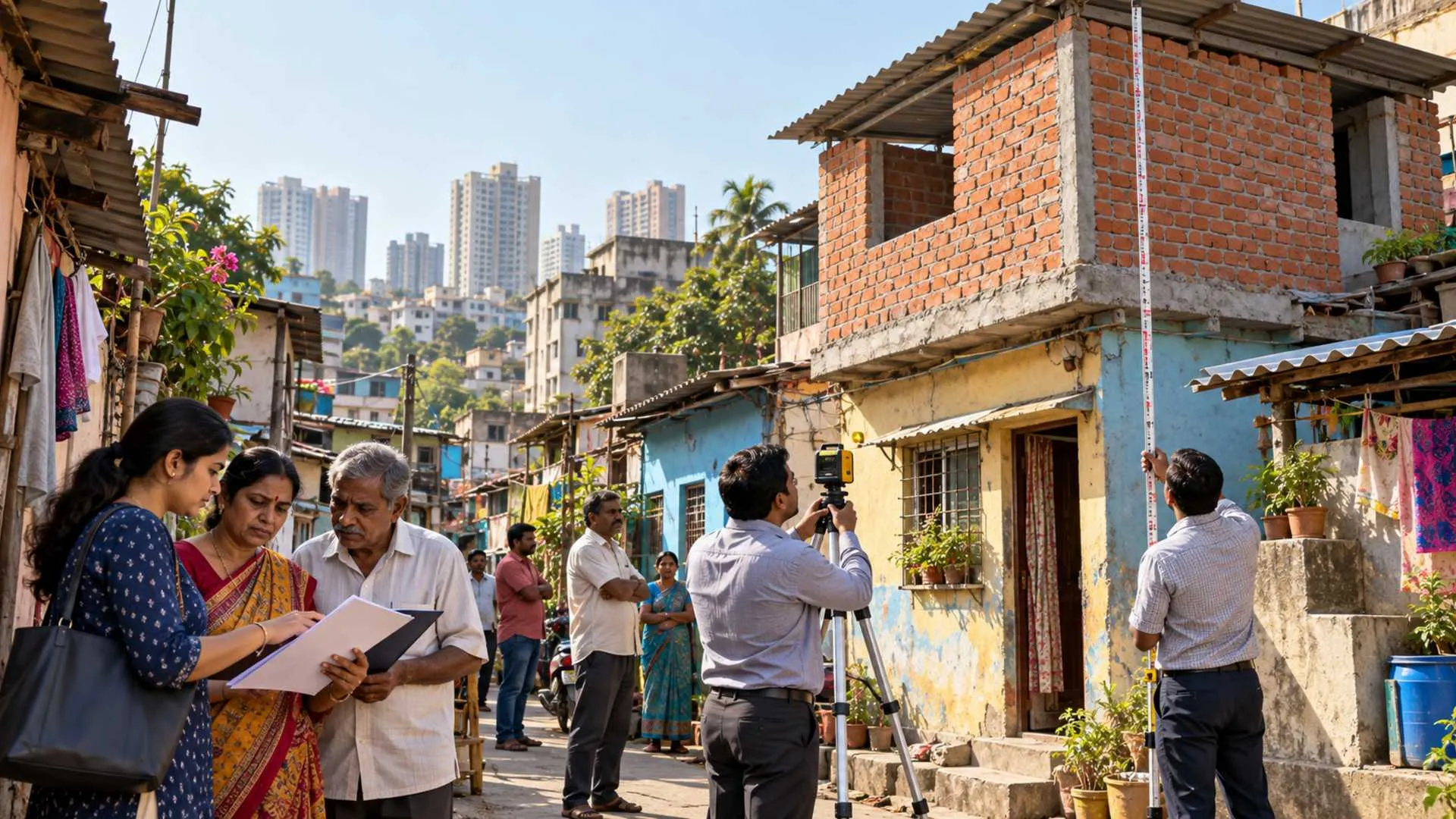
ThePrint found an even more unusual neighbourhood effect. In Delhi’s Sant Nagar, spaces previously occupied by clinics, tuition centres and kirana stores have been converted into dark stores. Its reporting also notes that quick-commerce companies can match or exceed asking rents while competing for strategically useful locations.
For landlords, that can make a previously ordinary ground-floor property considerably more interesting.
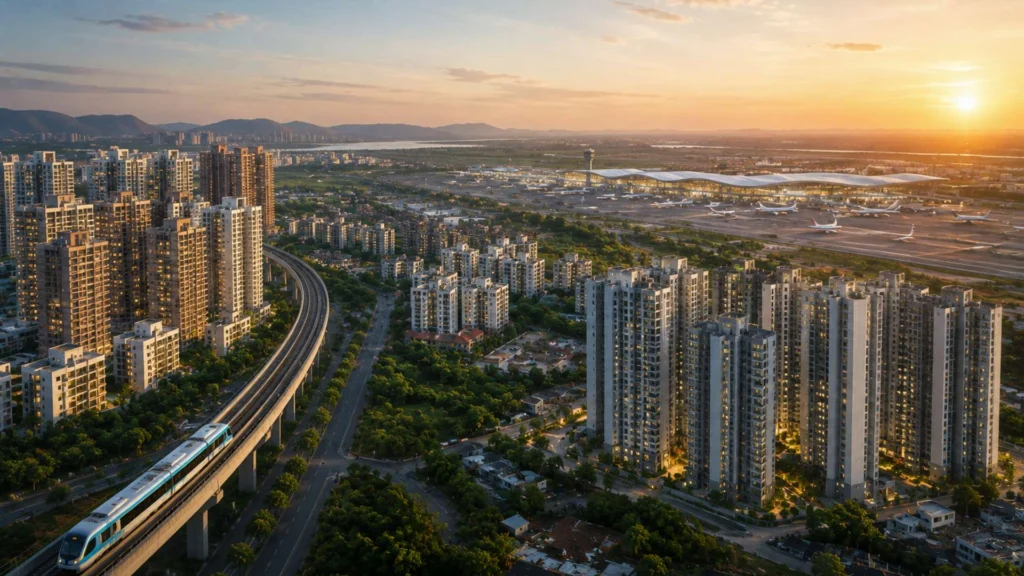
Think Hinjewadi, Baner, Kharadi and Wakad in Pune; Powai and Andheri in Mumbai; Whitefield in Bengaluru; or Noida and Gurugram in NCR. Dense apartments plus digitally active households create exactly the kind of catchment quick commerce wants.
But investors should not interpret that as a blanket recommendation to buy any ground-floor commercial unit. Accessibility, loading space, zoning, lease conditions and neighbourhood opposition can completely change the economics.
Is a Dark Store Near Your Home Good or Bad?
Here is where the story gets complicated.
A nearby Blinkit or Zepto outlet can mean extraordinary convenience and stronger demand for certain commercial properties. But the same dark store that raises one landlord’s rent can make the neighbouring shop harder to lease.
ThePrint documented parking spillover, delivery-bike congestion, safety concerns and conflicts between dark stores and nearby businesses. In one Sant Nagar building, a property broker said a ground-floor space remained vacant after a bank moved out, while the basement dark store continued operating.
So asking, “Is a dark store near my home good or bad for property prices?” has no universal answer.
It may strengthen commercial rental values for the exact space operators want, while excessive noise, traffic or blocked access could reduce the attractiveness of adjoining retail or residential property.
That makes this a highly localised form of repricing.
10-Minute Delivery Could Rewrite the Value of “Location”
India’s quick-commerce boom is also moving beyond its original grocery proposition. Kotak Neo notes that modern dark stores can stock tens of thousands of SKUs, while the major operators continue expanding their physical networks.
ThePrint reports that roughly one-third of dark stores are already located in Tier-2 cities and towns, suggesting this property story will not remain limited to Mumbai, Bengaluru, Delhi NCR or Pune.
That creates a fascinating inversion in urban real estate.
For decades, commercial property was priced around one question: How many customers can walk past this shop?
Quick commerce asks something completely different:
How many homes can a rider reach from here, fast?
As 10-minute delivery becomes embedded in everyday urban life, that question could determine which overlooked basements, side streets and ground-floor units become tomorrow’s premium commercial addresses.
For property investors, the next high-demand location may not have the best storefront on the road. It may simply sit at the centre of the perfect delivery radius.