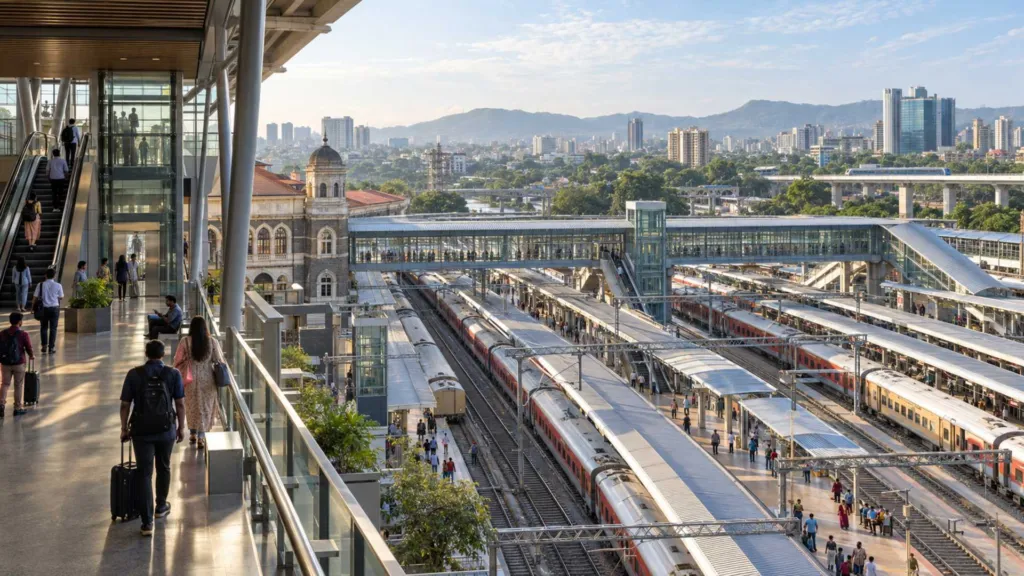


India’s Warehousing InvIT Portfolio Hits 44.2 Million Sq Ft Milestone
Explore warehouse investment, passive income, InvITs, yields, risks and access.
SHARE:
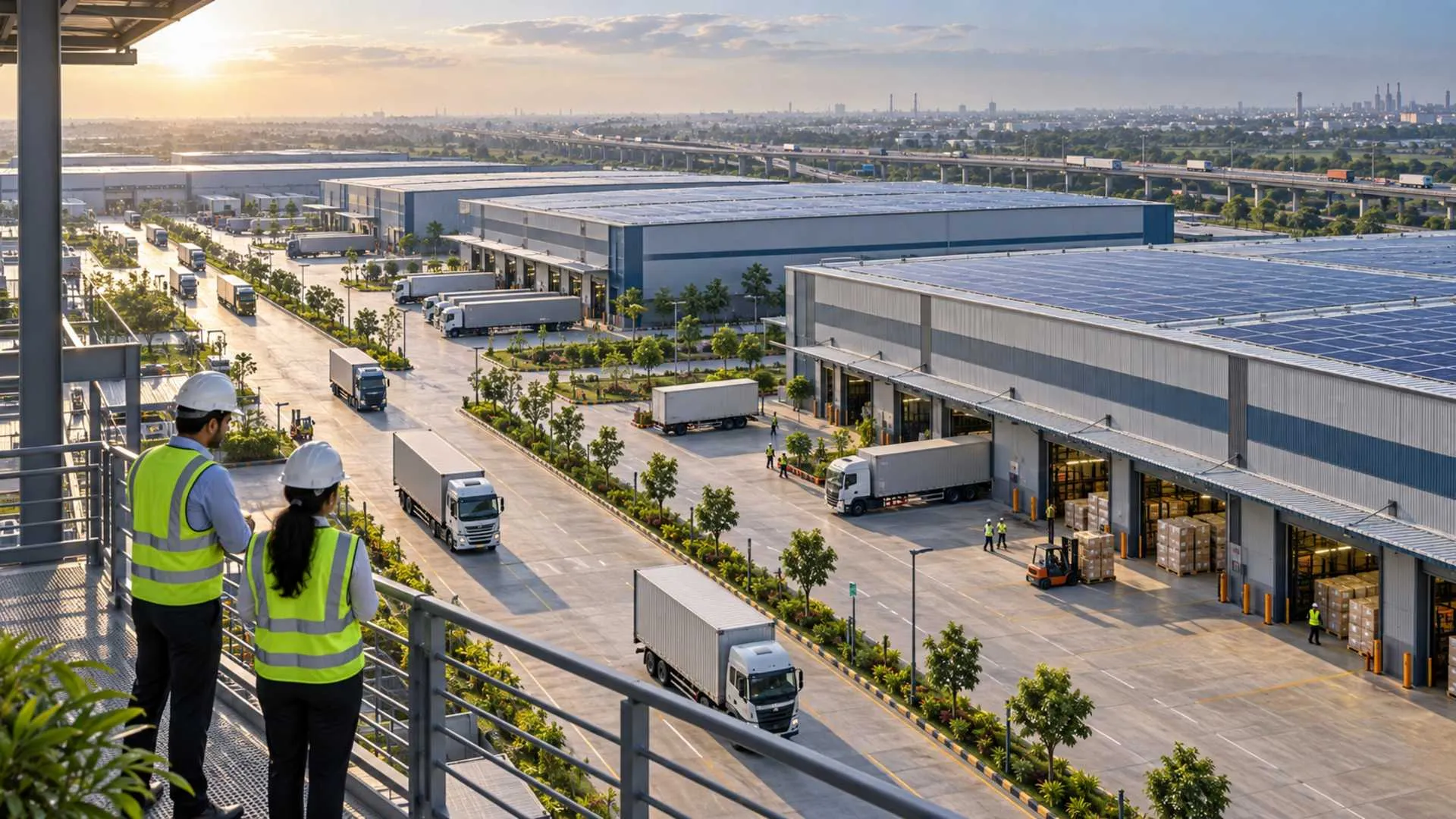
India’s institutional property market is starting to look beyond glass-fronted office towers. The country’s warehousing InvIT portfolio stood at 44.2 million sq ft as of June 2026, showing the entry of logistics and industrial assets into organized investment structures.
This was revealed in an ASSOCHAM-Knight Frank India report that comes at a time when office REITs are witnessing rapid growth and a smaller but growing retail REIT segment. These markets together suggest that India is finding new ways to pool finished properties, earn rent from established tenants and recycle institutional capital.
But the headline needs careful reading. A 44.2 million sq ft InvIT portfolio doesn’t make all the warehouses accessible to retail investors, or warehousing a sure-shot 8–14% yield.
Can I Generate Passive Income From Warehouse Properties in India?
Yes, warehouse properties can generate passive income through rent or distributions from an investment vehicle holding logistics assets. However, retail access to warehousing InvITs in India remains limited. Some InvIT units are privately placed or institutionally held, so investors must verify whether a vehicle is publicly listed, tradable through a demat account and suitable for their risk profile.
Direct ownership, alternative investment funds, fractional platforms and InvITs offer different routes into warehousing. Each has different minimum investments, liquidity, regulation, expenses and risks.
Why the 44.2 Million Sq Ft Figure Matters
According to CNBC-TV18, India’s operational office REIT portfolio reached 167 million sq ft in H1 2026, while the warehousing InvIT portfolio stood at 44.2 million sq ft. The report describes warehousing as an increasingly important part of the wider InvIT asset base, although roads and fibre infrastructure remain dominant.
The ASSOCHAM–Knight Frank India findings published by APREA reflect a broader institutionalisation of Indian real estate. Properties that were historically developed and retained by individual owners are increasingly being assembled into professionally managed portfolios.
This process can help developers and asset owners release capital from operational facilities and reinvest it in new projects. Investors, meanwhile, may gain exposure to multiple warehouses and tenants through a single vehicle.
The real significance of the 44.2 million sq ft milestone is not only its size; it is the shift from fragmented warehouse ownership towards portfolio-scale logistics property.
What Is Driving India’s Warehousing Demand?
India’s warehouse market is supported by e-commerce, quick commerce, organised retail, manufacturing and third-party logistics, or 3PL. Businesses increasingly require modern distribution centres with efficient loading areas, fire-safety systems, higher clear heights and access to major roads, ports and consumption markets.
Demand is also spreading across established and emerging hubs:
- Bhiwandi and the Nhava Sheva corridor serve Mumbai and port-linked trade.
- Chakan and Talegaon connect warehousing with Pune’s manufacturing base.
- Greater Noida and Kundli support Delhi-NCR distribution networks.
- Hoskote and Doddaballapur serve Bengaluru’s industrial and consumer markets.
- Chennai, Nagpur, Hyderabad, Kolkata and Coimbatore are expanding logistics nodes.
Platforms such as IndoSpace, Welspun One, ESR and Blackstone-backed businesses have helped institutionalise Grade-A warehousing. However, they do not all offer identical, exchange-traded products for small investors.
For example, an “IndoSpace warehousing InvIT investment guide” should not imply that retail investors can automatically purchase IndoSpace units on the NSE. The legal structure and investor eligibility of the specific fund or vehicle must first be checked.
Is Warehousing InvIT Better Than an Office REIT?
Neither structure is universally better. The appropriate choice depends on accessibility, tenant quality, lease terms, valuation and risk.
Office REITs are presently more familiar to Indian retail investors. Their units are publicly traded, portfolios are regularly disclosed and income is derived mainly from business parks occupied by corporate tenants.
Warehousing InvITs offer exposure to logistics facilities serving manufacturers, e-commerce businesses and 3PL operators. They may benefit from consumption and supply-chain growth, but individual assets can face location risk, tenant concentration, lease-expiry exposure and specialised maintenance requirements.
An investor comparing a warehousing InvIT with an office REIT in India in 2026 should examine:
- Whether the units are publicly traded or privately placed
- Portfolio occupancy and tenant concentration
- Lease duration and escalation clauses
- Debt and interest costs
- Distribution history
- Sponsor experience and asset valuation
- Exit liquidity and applicable taxation
NDR InvIT Trust is associated with operational warehousing and industrial assets. However, a stock-exchange admission of privately placed units should not automatically be treated as unrestricted retail availability. Investors must check the current offer documents, trading category and eligibility before attempting to invest.
Can Warehousing Deliver an 8–14% Yield?
Claims of 8–14% warehouse rental yields in India should be treated as indicative marketing ranges, not market-wide guarantees. Returns differ according to land cost, construction quality, lease tenure, tenant strength, vacancy, maintenance and leverage.
A direct warehouse may provide contractual rent, but it requires significant capital and active due diligence. The owner also carries the risk of a vacant asset or a defaulting tenant.
A fund or InvIT can spread risk across several properties, although management fees, borrowing costs and market-price movements affect the investor’s return. Distributions may be periodic rather than monthly and can change with the vehicle’s cash flow.
Fractional warehousing platforms sometimes advertise low entry amounts. Before investing, buyers should confirm who owns the property, whether their interest is transferable, how rental income is calculated and what happens if the platform or tenant fails.
Is Warehouse Investment Right for Beginners?
Warehousing can suit investors who understand commercial leases and can tolerate limited liquidity. Beginners should start by choosing the investment structure, not simply the city or promised yield.
Someone seeking exchange-based liquidity may prefer to wait for a clearly accessible public warehousing InvIT or use an established listed commercial-property vehicle. An experienced investor with a larger portfolio may evaluate privately placed InvITs, AIFs or direct Grade-A assets with professional advice.
India’s 44.2 million sq ft warehousing InvIT portfolio confirms strong institutional momentum, but retail accessibility is still developing. The opportunity is real; the route into it must be verified carefully.
Before investing, read the offer document, confirm the vehicle’s SEBI status, examine tenant and debt disclosures and calculate the post-tax return.