

South Mumbai or Western Suburbs: Where Should Buyers Invest in 2026?
SHARE:
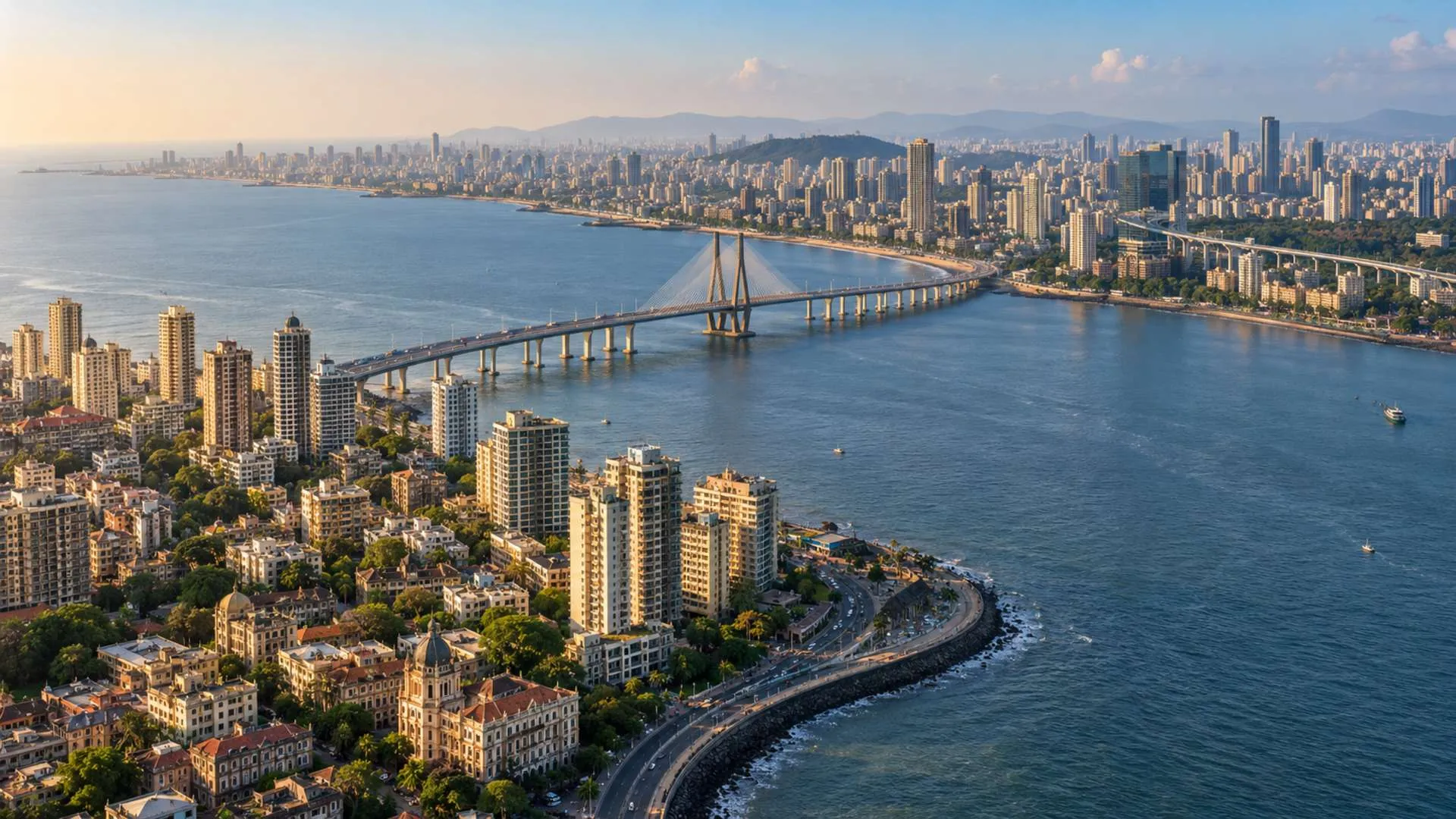
Mumbai’s luxury heart and its high-energy western corridor are competing for the same affluent homebuyer, but they offer very different versions of value.
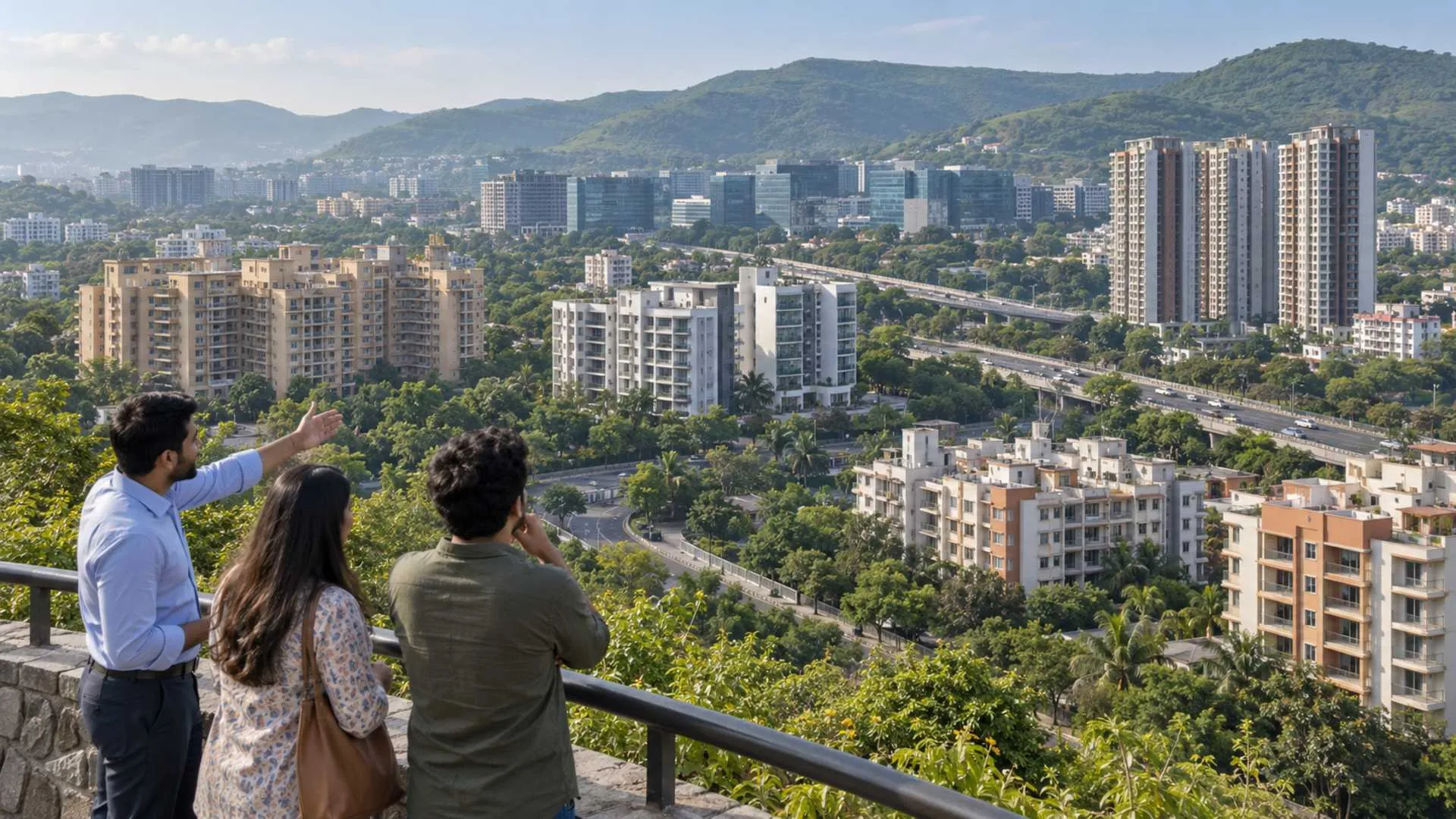
South Mumbai has legacy addresses, limited land, sea-facing residences and proximity to the city’s historic business districts. The Western Suburbs offer more choice in housing and closer links to newer employment centers and, in some micro-markets, a more active rental and resale market.
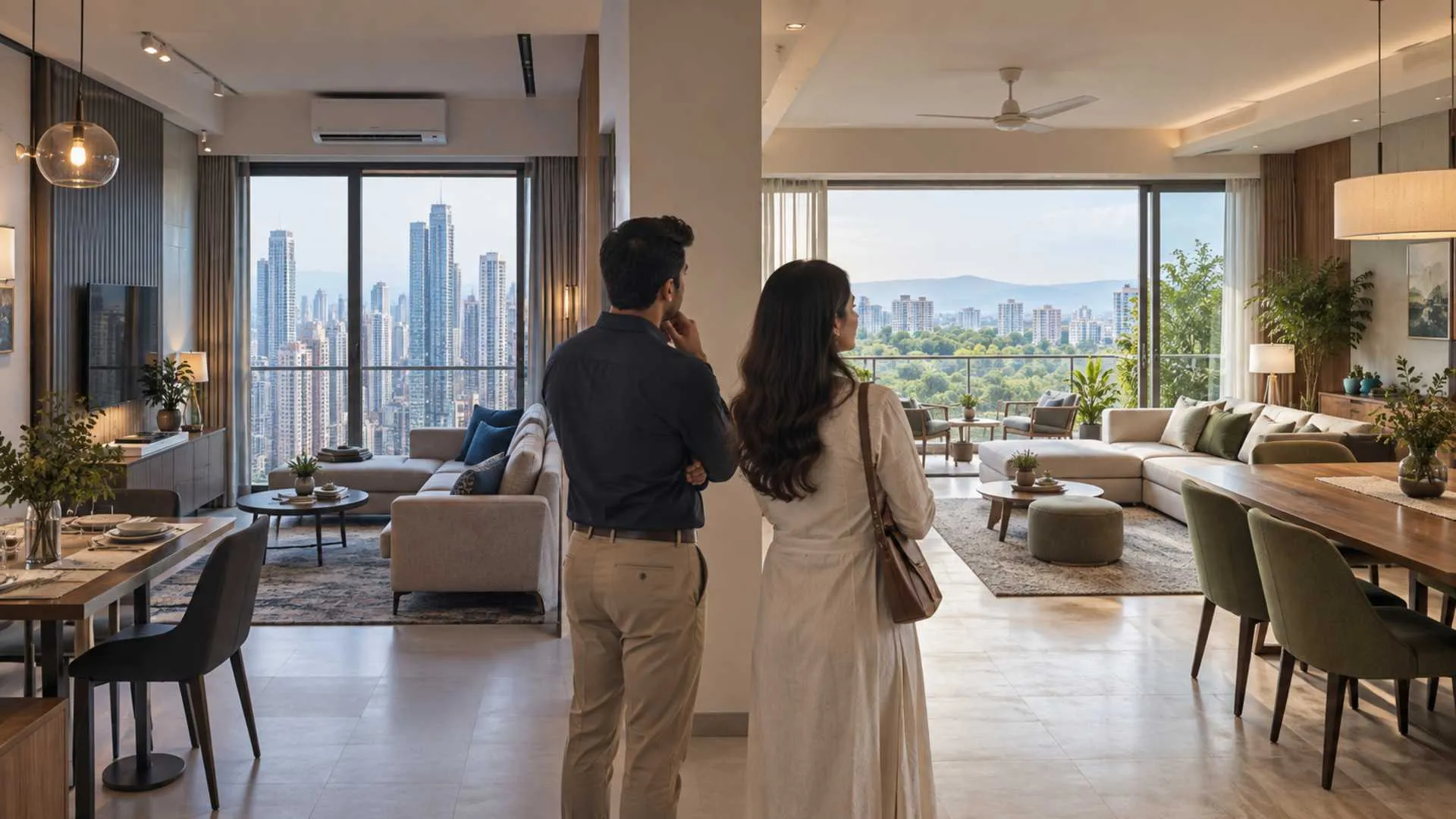
So, the South Mumbai vs Western Suburbs property comparison in 2026 is more than simply determining which side is cheaper. It is a trade-off between scarcity and flexibility, legacy and modern convenience, capital preservation and potentially higher income yield.
South Mumbai is generally the stronger address-led buy. Western Suburbs are generally the more practical choice for buyers who are prioritizing commute, rental demand, liquidity and usable space per rupee.
South Mumbai vs Western Suburbs: Which Is Better to Buy in 2026?
South Mumbai may suit high-net-worth buyers seeking prestige, scarcity and long-term wealth preservation near established commercial districts. The Western Suburbs may offer better value for salaried families and investors because they provide wider inventory, access to BKC and other employment hubs, and comparatively stronger rental demand. The right choice depends on budget, workplace and holding period.
Neither market is uniform. Malabar Hill and Cuffe Parade cannot be compared directly with Borivali or Malad. Bandra West is geographically part of the Western Suburbs but operates as a luxury market of its own, often competing directly with South Mumbai.
That distinction matters when deciding whether South Mumbai is worth its premium over the Western Suburbs.
The Price Gap Is Really a Lifestyle Gap
Indicative 2026 prices published by Property Butler place South Mumbai locations such as Colaba, Cuffe Parade and Malabar Hill broadly between ₹62,000 and ₹90,000 per sq ft, with trophy properties capable of moving well beyond those levels.
Bandra West was placed at approximately ₹40,000–₹65,000 per sq ft. However, rates can differ substantially by building age, carpet efficiency, sea view, floor, parking, redevelopment potential and possession status.
This is why a single figure such as “South Mumbai at ₹46,350 per sq ft versus the Western Suburbs at ₹34,900” should not be treated as a universal market rate. Broad averages can mix old resale stock, luxury towers and very different neighbourhoods.
South Mumbai’s entry cost can exceed ₹5 crore even for relatively compact homes, while prime three-bedroom properties in Malabar Hill or other trophy locations may cost well above ₹12 crore. In the Western Suburbs, a two-bedroom home in selected Malad, Kandivali or Borivali projects may fall within a broad ₹1.8–₹2.5 crore bracket, although new luxury developments can be substantially more expensive.
Bandra, Khar and Juhu are not affordable suburban alternatives. They sit at the premium end of western Mumbai and can command prices comparable with parts of Worli, Lower Parel and South Mumbai.
The Western Suburbs do not always mean “low cost.” They mean a wider price ladder.
South Mumbai: Scarcity, Prestige and Capital Preservation
South Mumbai’s investment case begins with scarcity. Locations such as Malabar Hill, Cuffe Parade, Colaba and Nariman Point have limited opportunities for large new developments. Much of the future inventory depends on redevelopment, building consolidation and premium replacement stock.
The area also offers access to heritage districts, established schools, cultural institutions and traditional commercial centres. For buyers whose personal and professional lives remain concentrated around Fort, Nariman Point, Lower Parel or Worli, the location can reduce daily travel and preserve an established lifestyle.
New transport infrastructure has also changed the accessibility argument. Mumbai Coastal Road and Metro Line 3 have strengthened north-south movement, reducing some of the isolation historically associated with living at the southern end of the city.
The trade-off is financial. High capital values generally produce modest rental yields because rents do not rise in the same proportion as purchase prices. JLL Homes places historical South Mumbai rental yields at approximately 1.5–3%.
A South Mumbai property can still be an effective long-term store of wealth, particularly when it has a strong title, an efficient layout and a genuinely scarce location. But buyers expecting high monthly income may find the purchase price difficult to justify through rent alone.
Claims that South Mumbai automatically generates 4–6% returns should also be treated cautiously. “ROI” may refer to capital appreciation, rental yield, or a combination of both. These are different measurements, and none is guaranteed.
Why the Western Suburbs Attract More End Users
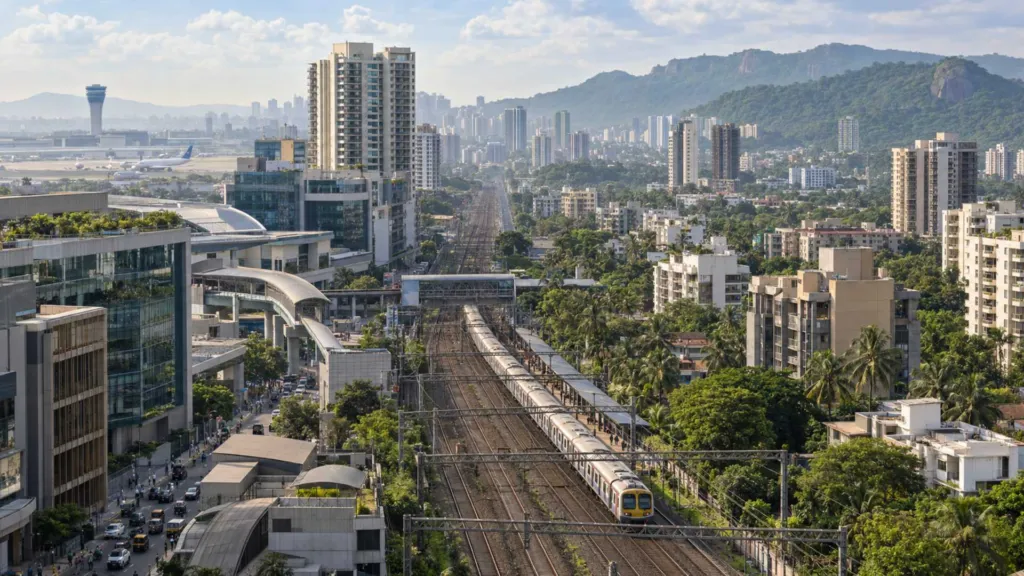
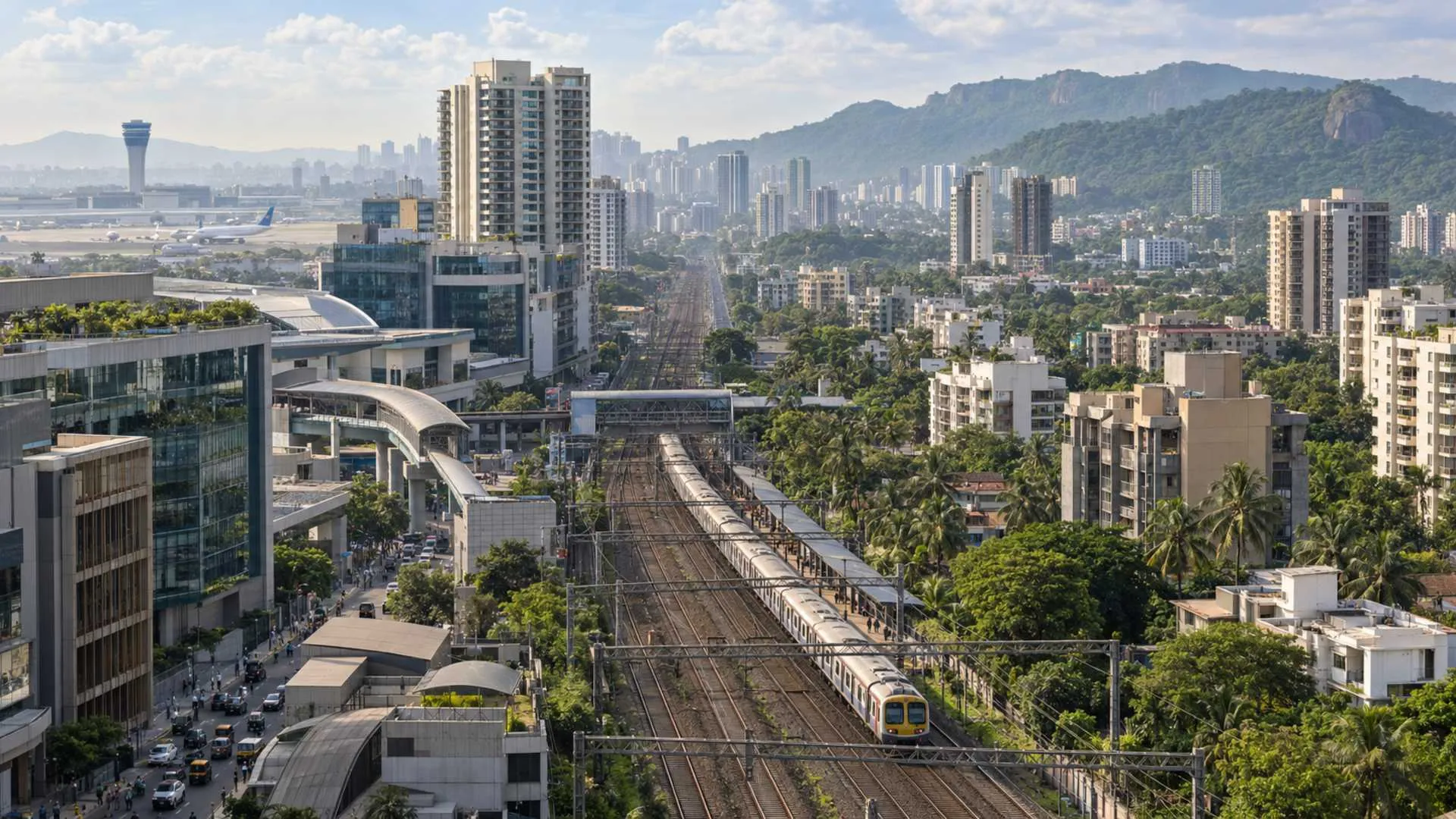
The Western Suburbs combine housing with employment access. Bandra, Andheri, Goregaon, Malad, Kandivali and Borivali connect residents to BKC, Andheri East, commercial districts along the Western Express Highway, media and entertainment businesses, and the airport corridor.
According to Just Imagine Realty, the corridor benefits from the suburban railway, the expanding metro network, Link Road and the Western Express Highway. Its established schools, hospitals, shopping districts and workplaces also support end-user demand.
The corridor divides into recognisable buyer profiles:
- Bandra, Khar and Juhu: Luxury lifestyle markets with high entry prices
- Andheri: A mixed residential-employment hub with active rental demand
- Goregaon and Malad: Value-plus markets offering newer projects and redevelopment
- Kandivali and Borivali: Family-oriented areas with relatively broader affordability
Metro Lines 2A and 7 have improved connectivity across parts of the western belt, while redevelopment is gradually replacing ageing buildings with modern housing. However, proximity to a metro station does not eliminate road congestion, crowded public transport or last-mile difficulties.
Older cooperative societies may offer larger rooms and established neighbourhoods, but parking, amenities and structural condition require scrutiny. New towers provide modern services and security, although their quoted saleable areas can disguise comparatively compact carpet areas and higher maintenance charges.
For a first-time buyer, daily convenience and carpet area may create more real value than a prestigious pin code.
Which Side Offers Better Returns and Rental Yield?
Rental performance depends on the relationship between rent and acquisition cost. Since South Mumbai homes carry exceptionally high capital values, gross yields tend to remain restrained even when monthly rents appear substantial.
JLL Homes estimates rental yields of around 3–4% in emerging suburban and peripheral micro-markets, compared with approximately 1.5–3% in South Mumbai. Property Butler places Bandra West’s indicative gross yield at 2.5–3.8%, against 1.8–3.2% in South Mumbai.
A broad claim of 4–6% rental yield across the Western Suburbs would therefore be optimistic. Individual compact apartments near major employment centres may achieve stronger returns, but investors must verify this using actual registered purchase costs and comparable leases.
Similarly, forecasts of 8–12% annual returns across Malad, Kandivali and Borivali should not be presented as assured. Infrastructure, redevelopment and employment growth can support appreciation, but the purchase price, project quality and supply pipeline determine the outcome.
South Mumbai can offer resilience through limited supply and a deep pool of wealthy buyers. The Western Suburbs may offer greater liquidity because the buyer base is wider and transaction sizes are smaller.
The practical distinction is straightforward: South Mumbai favours scarcity-led wealth preservation, while the Western Suburbs may provide stronger income potential and easier resale at mainstream price points.
Can You Buy a Mumbai Home on a ₹2.5 Lakh Monthly Salary?
A monthly salary of ₹2.5 lakh can support a Mumbai purchase, but probably not a conventional South Mumbai home without substantial existing capital or another earning co-applicant.
As an illustration, if a household limits its EMI to 35–40% of monthly take-home income, the available EMI would be roughly ₹87,500–₹1 lakh. At an illustrative 8% interest rate over 20 years, that could support a loan of approximately ₹1.05–₹1.20 crore, subject to the lender’s assessment.
With a 20% down payment, the corresponding property budget could be around ₹1.30–₹1.50 crore before stamp duty, registration, taxes and other expenses. Existing loans, age, credit history and employment profile can reduce eligibility.
That budget may open selected compact, resale or peripheral options, but it is below typical two-bedroom pricing in many established Western Suburbs. A joint home loan or larger down payment could expand the shortlist, although the EMI must remain comfortable.
Buyers seeking a flat below ₹1 crore may need to explore Mira Road, Thane, Dombivli, Kalyan or parts of Navi Mumbai. These locations belong to the wider Mumbai Metropolitan Region rather than Mumbai city, and commute costs must be included in the affordability calculation.
The “cheapest area to buy an apartment in Mumbai” is therefore often outside the municipal core. Lower prices in Bhiwandi, Kalyan, or distant MMR corridors should not be compared with Andheri or South Mumbai without accounting for employment access, infrastructure and resale demand.
Where Should Different Buyers Look?
South Mumbai may be appropriate if the buyer has a budget above ₹5–8 crore, works in the southern business districts, values a legacy address and expects to hold the property for many years.
Bandra West can suit buyers who want luxury, cultural energy and access to BKC, but it does not provide a low-cost alternative to South Mumbai.
Andheri offers a practical balance for professionals who need airport, metro and employment connectivity. Goregaon and Malad may suit families seeking newer housing and access to commercial districts. Kandivali and Borivali can provide comparatively better value for long-term end users, particularly when daily travel remains within the western corridor.
A buyer comparing a development such as Lodha Bellevue in Mahalaxmi with a Western Suburbs project should examine carpet area, possession status, all-inclusive price and commute, not only the developer name or headline rate.
The 2026 Buying Verdict
There is no single winner in the South Mumbai versus Western Suburbs investment debate.
Choose South Mumbai for scarcity, heritage, prestige and capital preservation. Choose the Western Suburbs for broader budgets, stronger rental depth, employment connectivity and a more liquid resale market. Consider Bandra and Khar as a separate premium category rather than treating them like Malad or Borivali.
Most importantly, compare buildings, not merely neighbourhood labels. Two apartments on the same road can differ sharply because of title quality, construction age, redevelopment prospects, carpet efficiency, views and maintenance.
In 2026, the smarter Mumbai purchase is not automatically the most prestigious address. It is the home that matches the buyer’s budget, commute and holding strategy without relying on speculative returns.
Before booking, verify the MahaRERA record, calculate the complete acquisition cost and compare recent transactions with asking prices. For help evaluating Mumbai properties across budgets and micro-markets, start a conversation with RealtyConnect.