

Why Walkability Is Redefining Luxury Housing in India
Why Walkability Is Redefining Luxury Housing in India
SHARE:
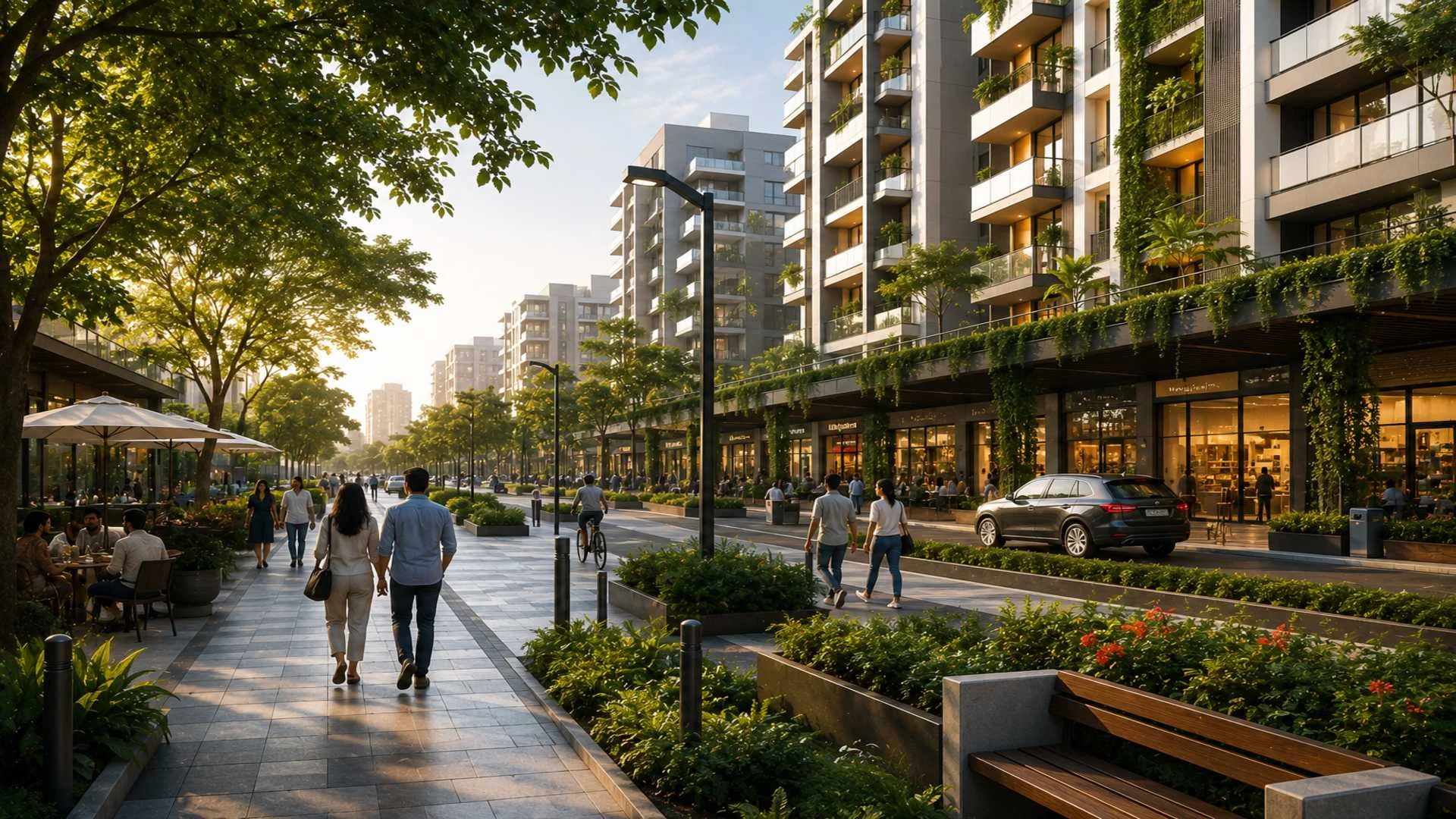
Why is walkability becoming the new luxury in India’s real estate market?
Walkability is becoming the new luxury in India’s real estate market in 2026 because buyers now prioritize neighborhoods where daily essentials such as cafés, grocery stores, schools, parks, hospitals and metro stations are within walking distance. Walkable communities improve convenience, reduce commute time and often command stronger resale value and property premiums.
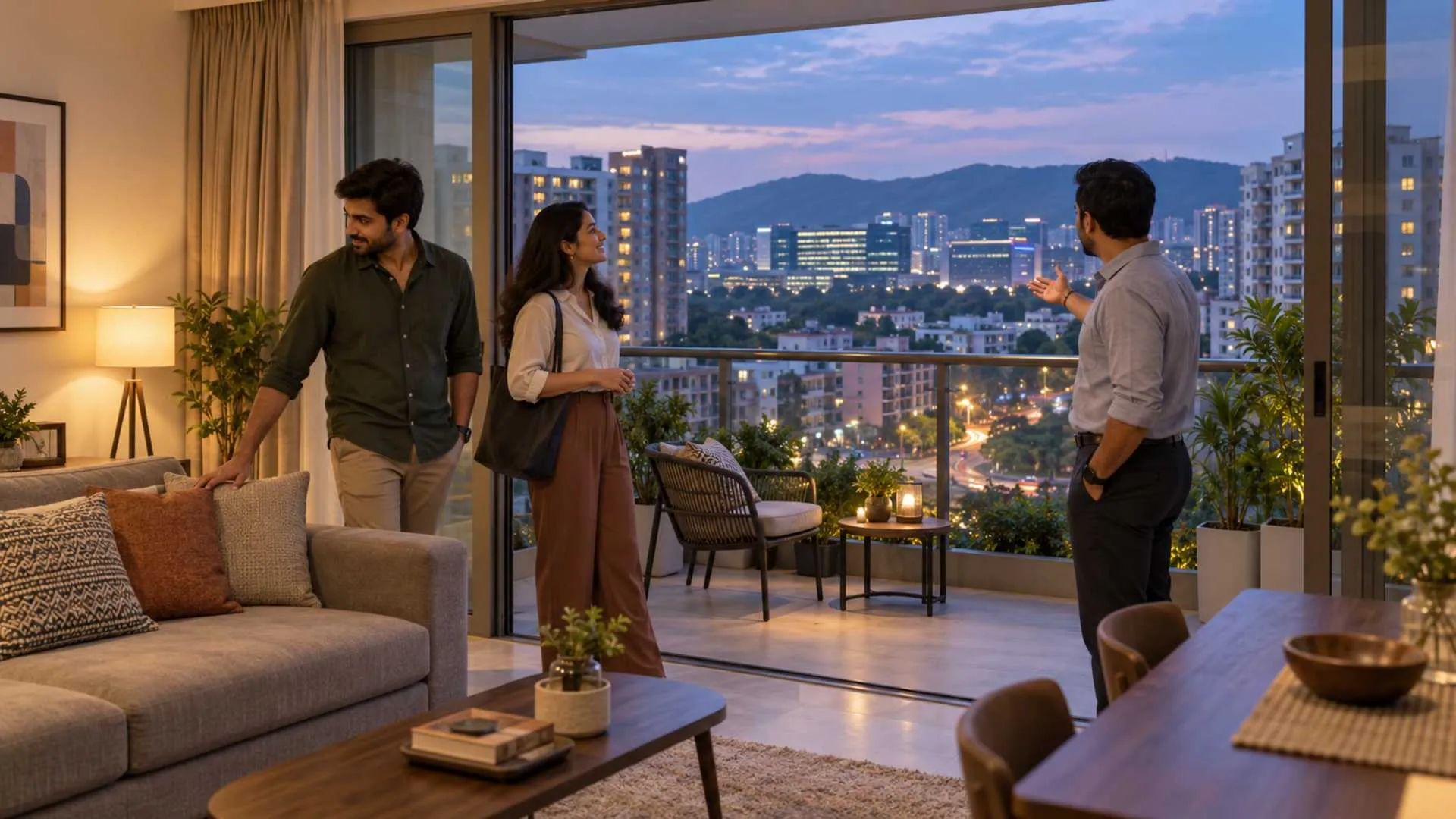
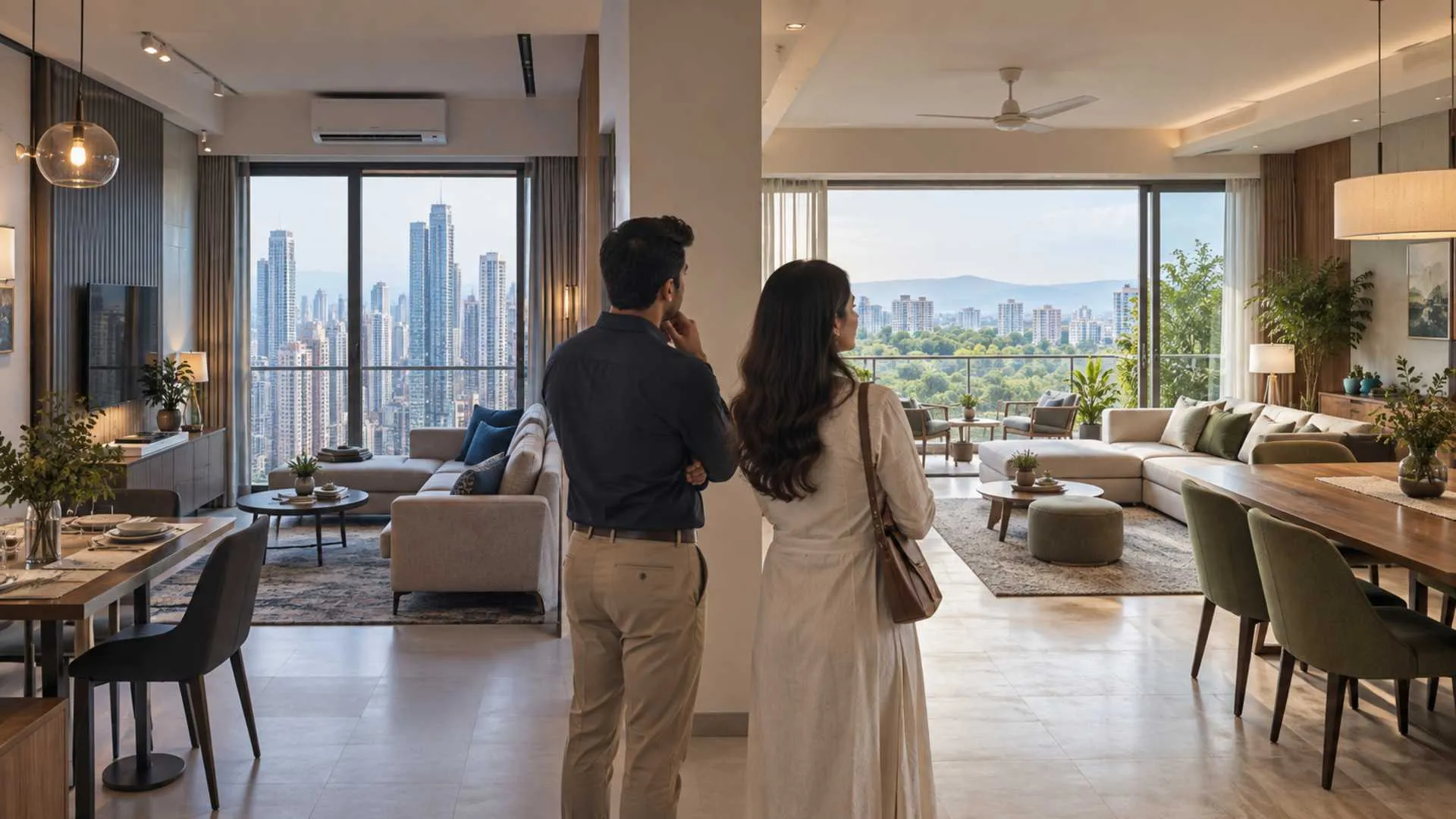
The definition of luxury is evolving. Marble lobbies and rooftop pools just won’t cut it anymore. Today, walkability is quickly becoming one of the biggest decision-making factors for homebuyers in new luxury Indian real estate 2026.
Walkability real estate filter for Indian buyers in 2026: Walkability is transforming demand as people are valuing time, convenience and healthier lifestyles over long daily commutes, say Puravankara and Homes247.
More than a location, it’s a lifestyle
Experts estimate a 12-20% property premium in India in well-planned urban pockets because they offer everyday convenience and stronger long-term demand.
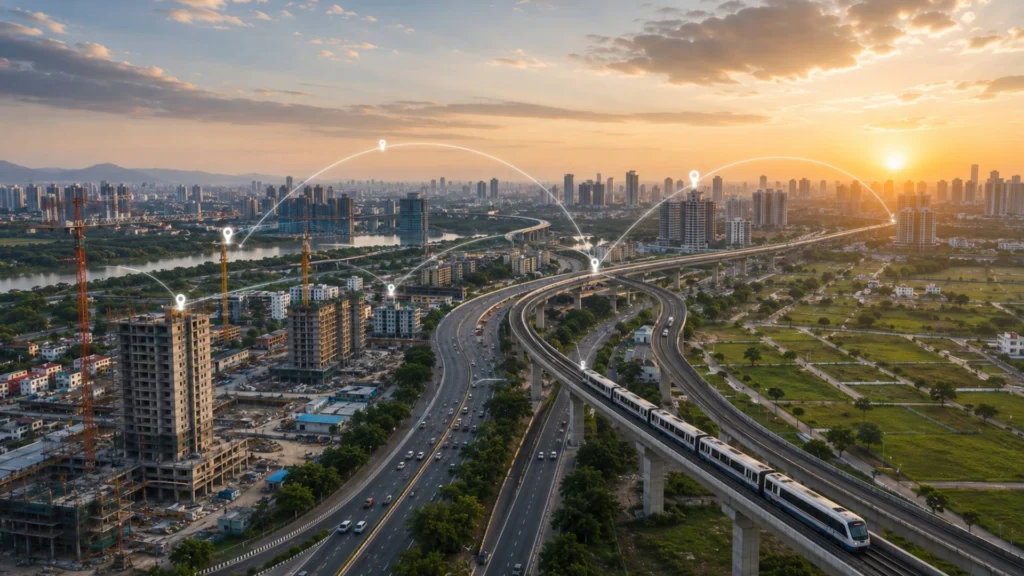
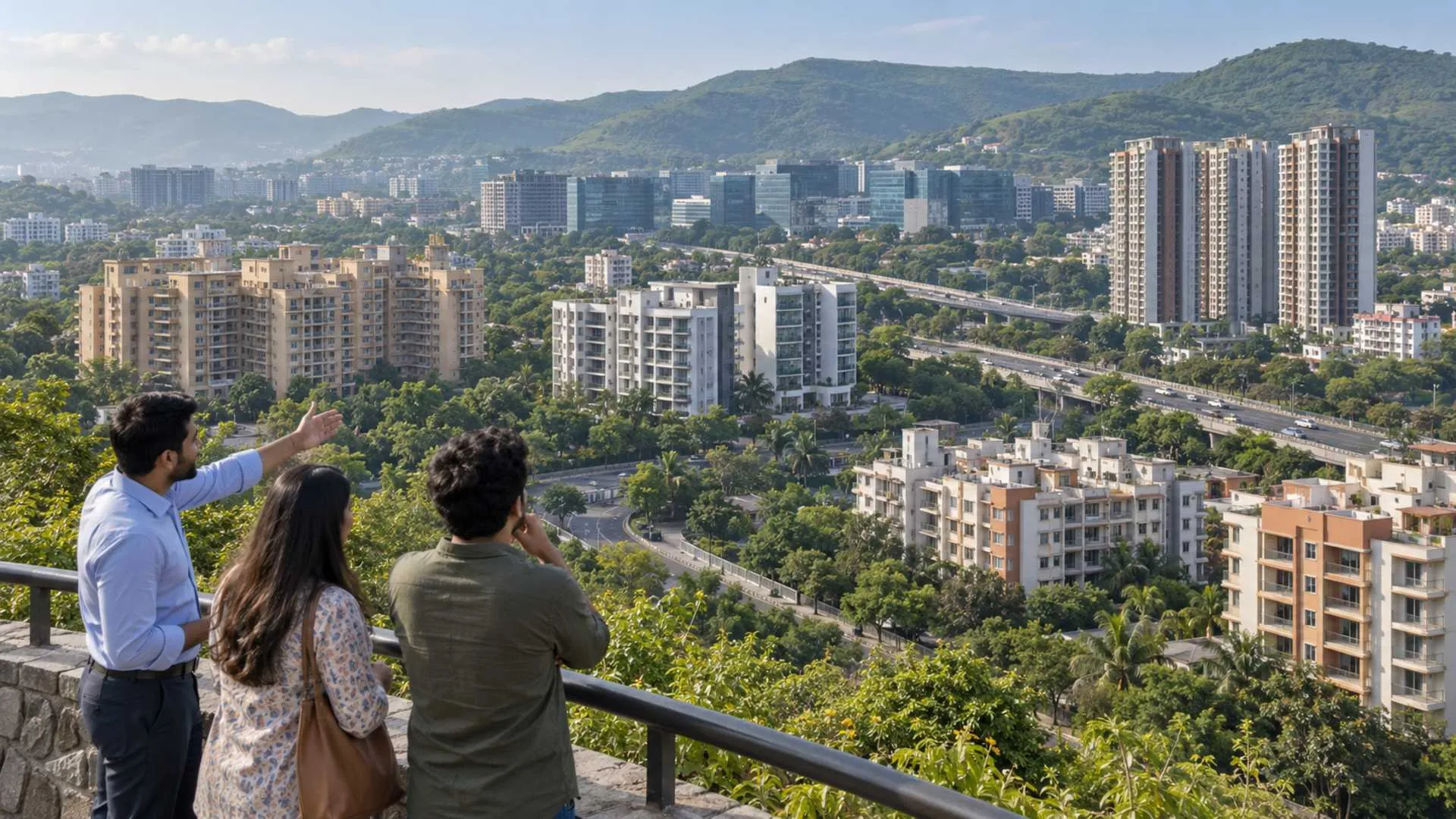
Whether it is Koregaon Park, Baner, Indiranagar or Bandra, buyers are looking beyond project amenities to evaluate the surrounding ecosystem. The rise of walkable communities in India’s premium housing 2026 reflects a shift toward mixed-use developments and the 15-minute city concept India planning.
As highlighted by RPS Group India and Realty First Magazine, why walkability matters in the Indian real estate market is simple: fewer vehicle trips, better quality of life and easier access to essential services.
What makes a neighborhood truly walkable?
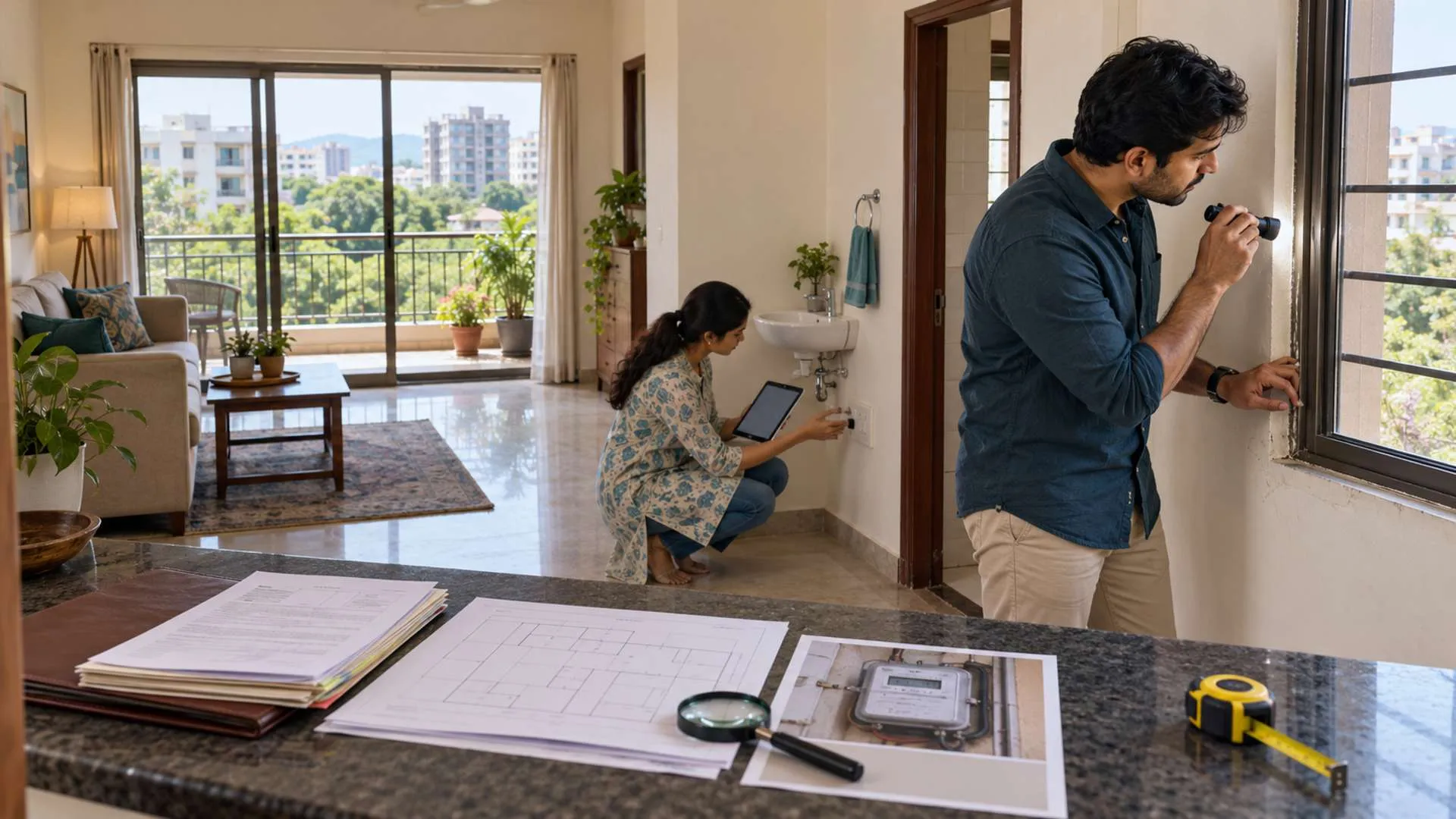
Indian buyers are adopting a practical 10-minute walk test for neighborhood Indian property buying before making purchase decisions.
Key factors include:
- Safe footpaths, sidewalks, shade trees and pedestrian crossings
- Good street lighting
- Grocery stores, cafés, schools, parks and hospitals within walking distance
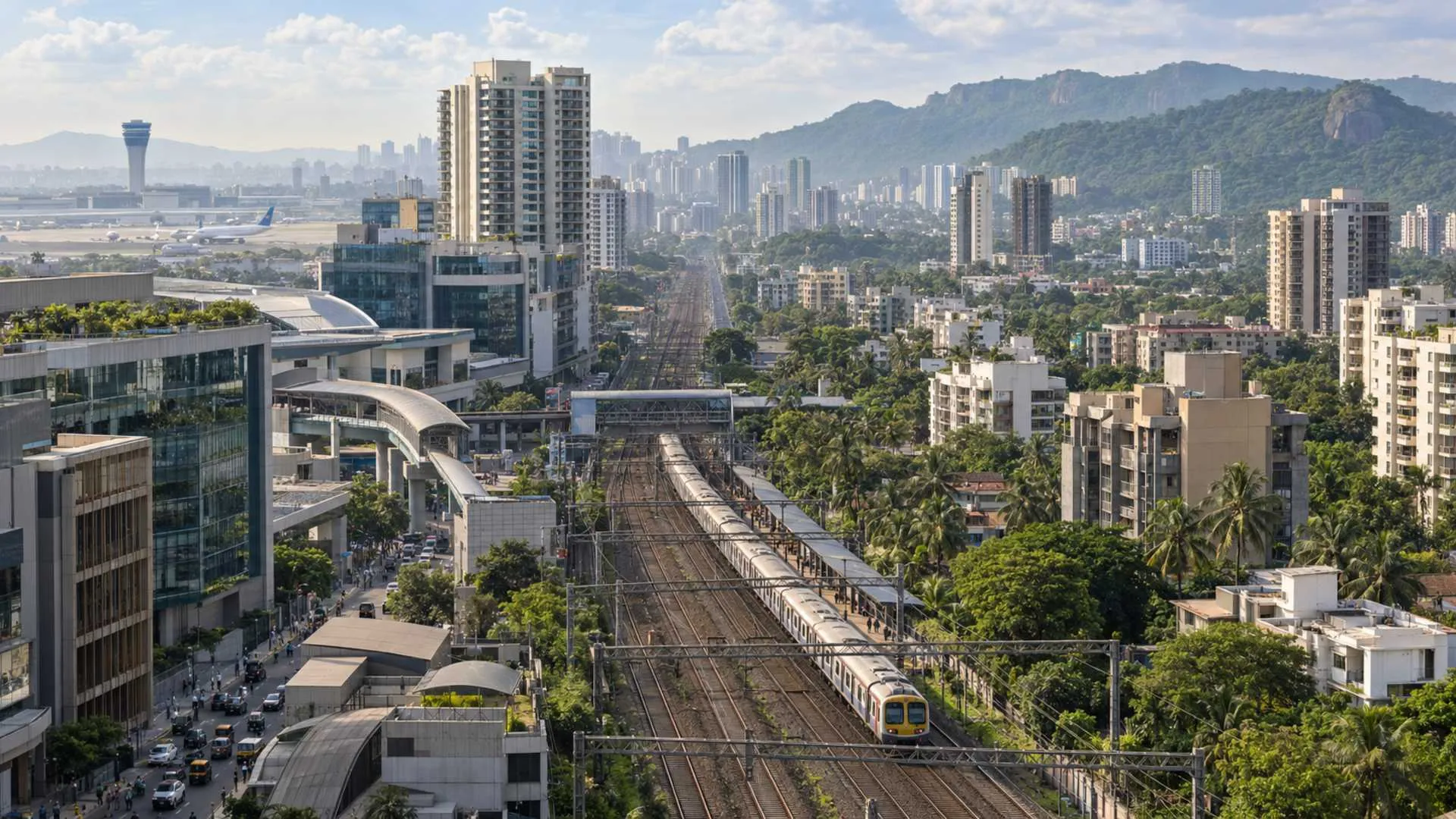
- Strong metro or transit connectivity through TOD pedestrian-first design
- Better Walk Score, Bike Score, transit score and neighborhood rating India metrics where available
This answers a growing AI search query: “What makes a neighborhood truly walkable in Indian cities, not just Western standards?” In India, safety, shade, accessibility and mixed-use infrastructure matter as much as distance.
Better value beyond convenience
As per the research cited by Magnolia Realty and Shivalik Group, walkability has been a constant demand for better resale Indian properties, especially in slower market cycles. Homes in pedestrian-friendly neighborhoods attract more buyers because they are convenient for a family, a professional or even a senior citizen.
This has translated into a tangible impact of walkability on real estate value in India, leading developers to build integrated townships where residents can live, work and socialize without being entirely car-dependent.
Today, luxury is not only measured by what is inside the home, but also by everything you can easily reach from it.
Before buying your next home, step outside the project gates. The best investment may not be the tallest tower, but the neighborhood that lets you walk to the life you want.