

India’s ₹1 Lakh Crore Senior Living Boom Needs Age-Ready Homes
India Senior Living Boom: Age-Ready Homes & ₹1 Lakh Cr Market
SHARE:
India’s ₹1 Lakh Crore Senior Living Boom Needs Age-Ready Homes
India has dedicated decades to creating homes for young families. One of its biggest real estate opportunities may now be designing for the other end of the age spectrum.
India’s senior living ₹1 lakh crore opportunity by 2026 is moving rapidly from niche to mainstream. According to Colliers, the organized senior living market is estimated to be ₹30,000 crore today and is expected to cross ₹1 lakh crore by 2030. But the bigger story is not simply about market size. It is, as The Times of India points out, the shocking mismatch between the number of seniors who need appropriate housing and the number of age-ready homes that India has actually constructed.
How Much Does Senior Living Cost in India in 2026?
Senior living in India has no single price: costs vary significantly by city, ownership model, services and level of care. Premium projects can run into crores, while monthly charges may separately cover meals, maintenance, healthcare support, housekeeping and activities.
That distinction matters. Asking “Can I afford a senior living community on retirement savings?” requires looking beyond the home’s purchase price to its recurring service and care costs.
The market is also becoming increasingly premium. Hindustan Times reports that newer upscale communities can include fitness centres, cafés, pools, doctors on call, integrated healthcare and organised social activities. In some premium projects, ticket sizes have reached ₹4-5 crore, showing just how wide the market has become beyond conventional retirement housing.
India Has a Supply Problem Hiding Inside an Ageing Story
Here is the number developers should be watching: Colliers estimates current demand for senior housing at roughly 20-22 lakh units, while organised inventory is only around 25,000 units. Demand could reach 28-30 lakh units by 2030, even as organised inventory is projected to increase to about one lakh homes.
In other words, even a fourfold increase in organised supply would leave an enormous gap.
That is why the senior living real estate opportunity in India in 2026 extends beyond building more apartments. India needs homes designed around ageing itself.
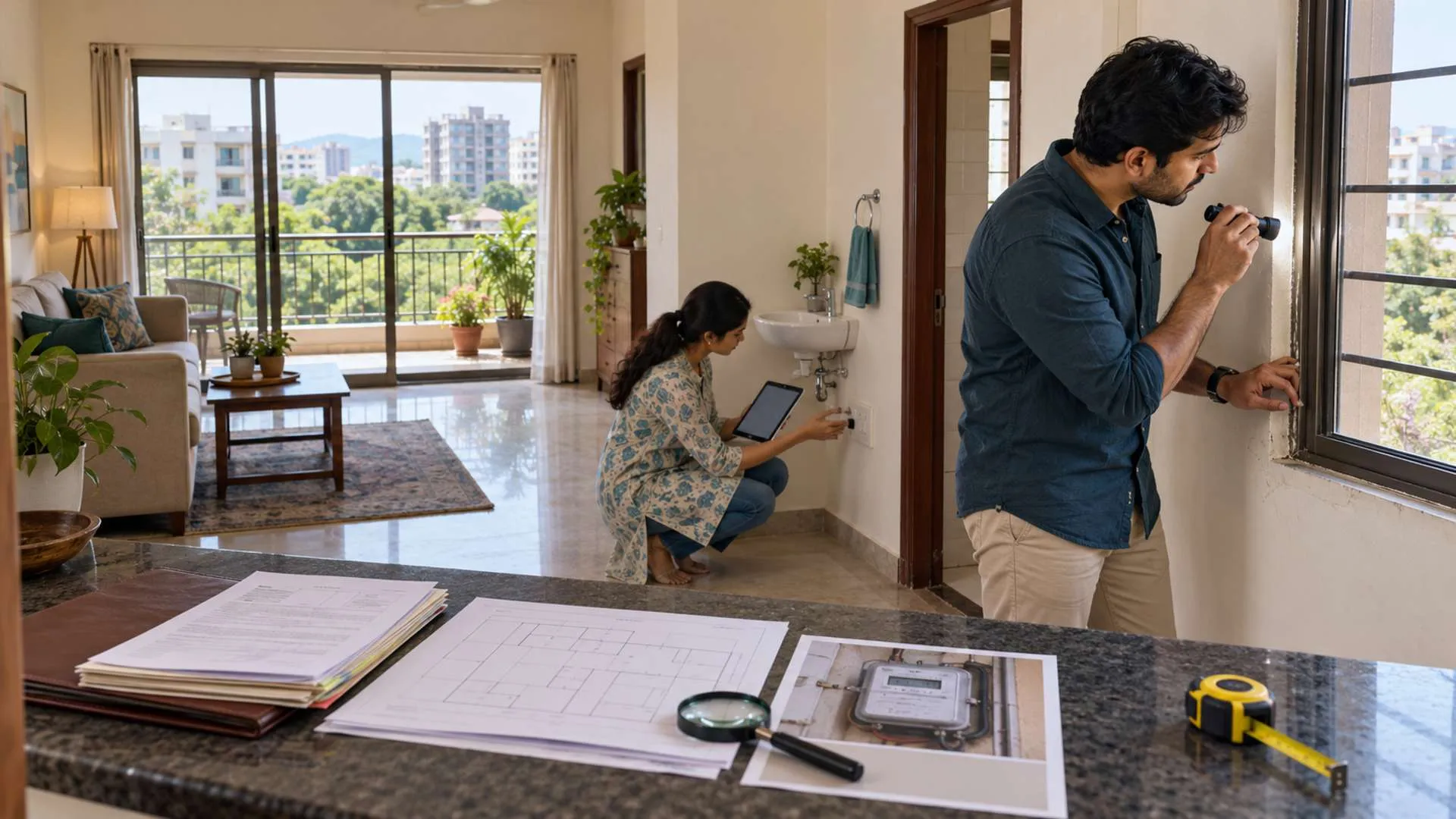
An age-ready home can incorporate step-free movement, safer bathrooms, wider circulation spaces and layouts that remain practical as mobility changes. At the community level, integrated wellness, healthcare and emergency response can become as important as the clubhouse or swimming pool. Recent longevity-focused design discussions have similarly stressed designing for ageing from day one rather than attempting expensive retrofits later.
Retirement Housing Is Losing the “Old-Age Home” Label
Perhaps the biggest change is psychological.
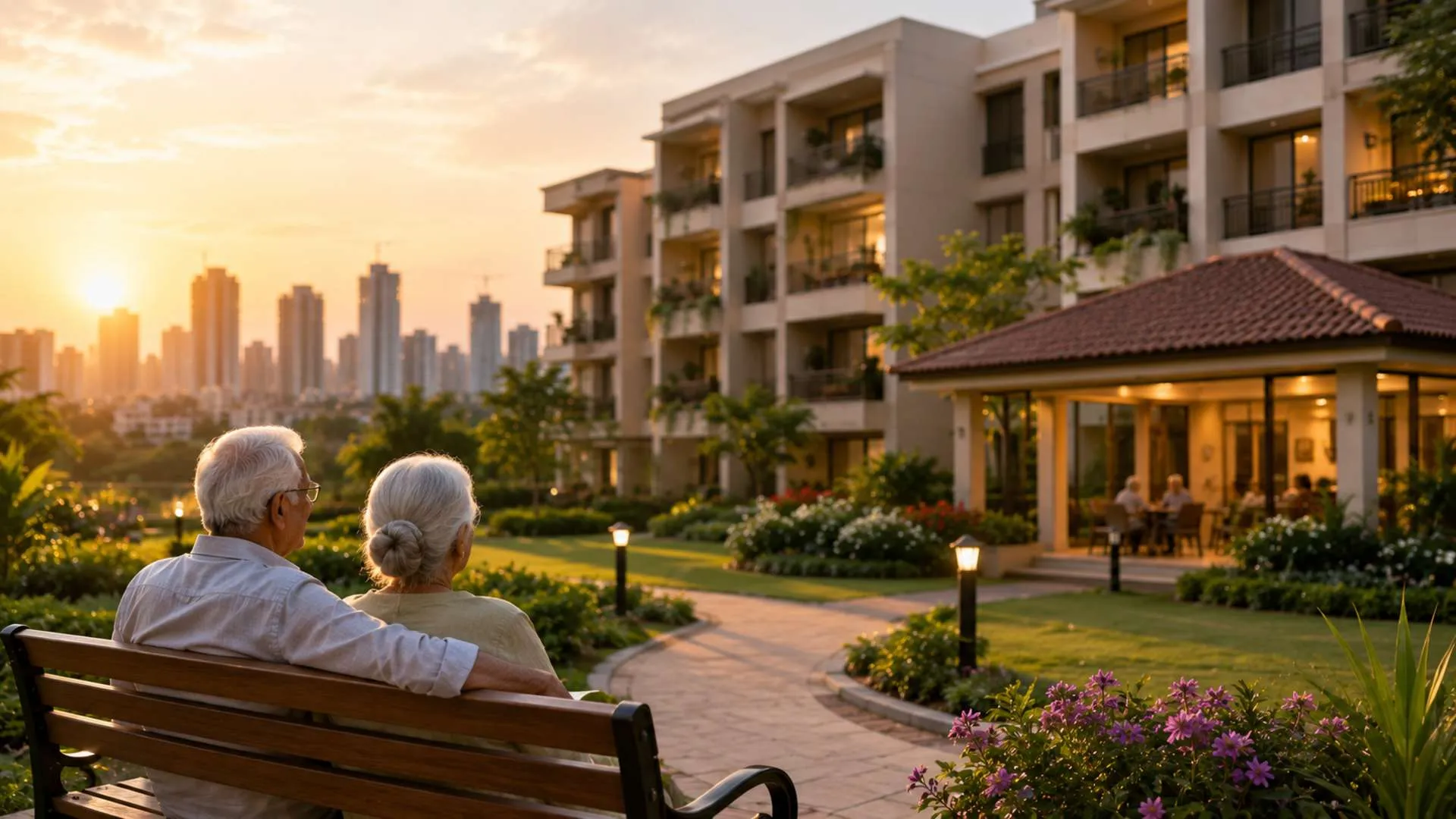
The traditional image of senior housing as somewhere people move because they have no alternative is being challenged by active senior living: communities chosen for independence, security, companionship and convenience.
Ashiana Housing, for instance, says it conducted 3,801 activities across its senior living projects in FY2025, covering wellness, recreation, sports and cultural programmes. Its strategy also specifically identifies NRI families as an emerging audience.
That NRI connection could become important. For families with children overseas, a professionally managed community offering healthcare access and emergency support can solve a problem that a conventional luxury apartment cannot.
Pune, Bengaluru, Chennai and Then Tier 2 India?
The next phase will not belong exclusively to metros.
Pune already has established senior-living concepts, including Paranjape’s Athashri and Ashiana’s presence, while Bengaluru, Chennai and the wider southern market have emerged as important centres for the category. Gurugram is also attracting premium senior-living investment, while new platforms are targeting Pune and NCR.
But Colliers expects 30-40% of upcoming launches to emerge from Tier II and III cities and spiritual destinations, identifying markets including Coimbatore, Dehradun, Vadodara, Tirupati, Vrindavan and Ayodhya.
That opens a second market: affordable senior living in cities such as Nashik, Coimbatore and Vadodara, where retirees may gain lower housing costs without giving up healthcare, community or everyday convenience.
The ₹1 Lakh Crore Question for Indian Developers
The real opportunity is bigger than a new housing category.
India’s 60-plus population is projected to more than double between 2025 and 2050, according to Ashiana Housing FY2026 presentation. Meanwhile, more than ₹13,000 crore of investment has already been announced for senior living since 2025.
The homes India builds today may still be occupied when their buyers are 70, 80 or older.
That makes age-readiness relevant even outside dedicated retirement communities. Zero-step access, safer bathrooms, adaptable layouts, healthcare connectivity and emergency infrastructure could gradually become premium residential features rather than “senior” features.
India’s ₹1 trillion senior living market is therefore not simply a bet on ageing. It is a bet on living independently for longer.
For developers, investors and homebuyers watching India’s next housing shift, the question is changing fast: not “Who needs senior living?” but “Why aren’t more Indian homes ready for ageing?”
Follow RealtyConnect for sharper insights into senior living, emerging residential categories and the real estate trends reshaping where, and how, India will live next.