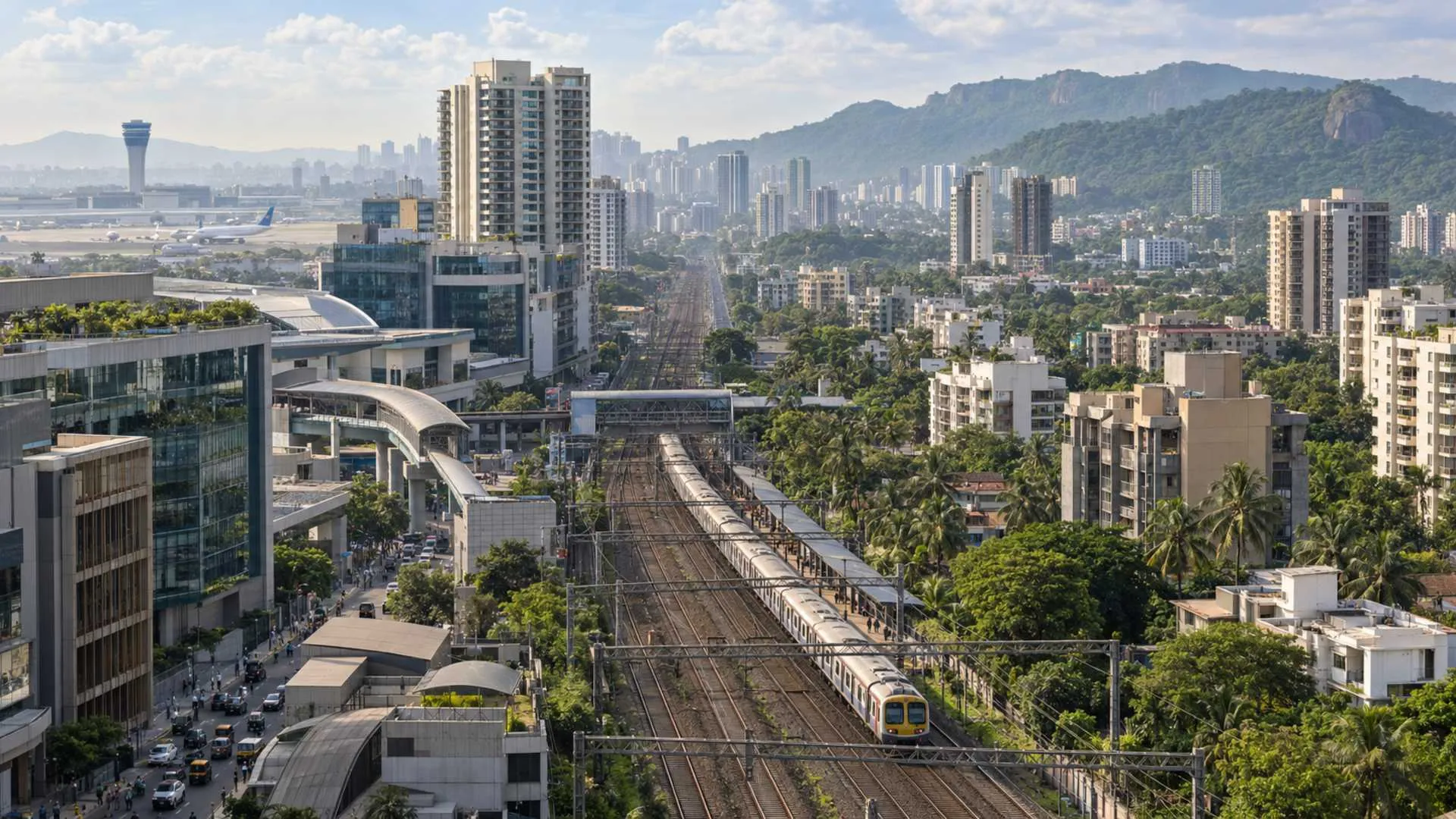


Mumbai Property Market H2 2026: Demand Holds, Buyers Turn Selective
Explore Mumbai property market trends for H2 2026
SHARE:
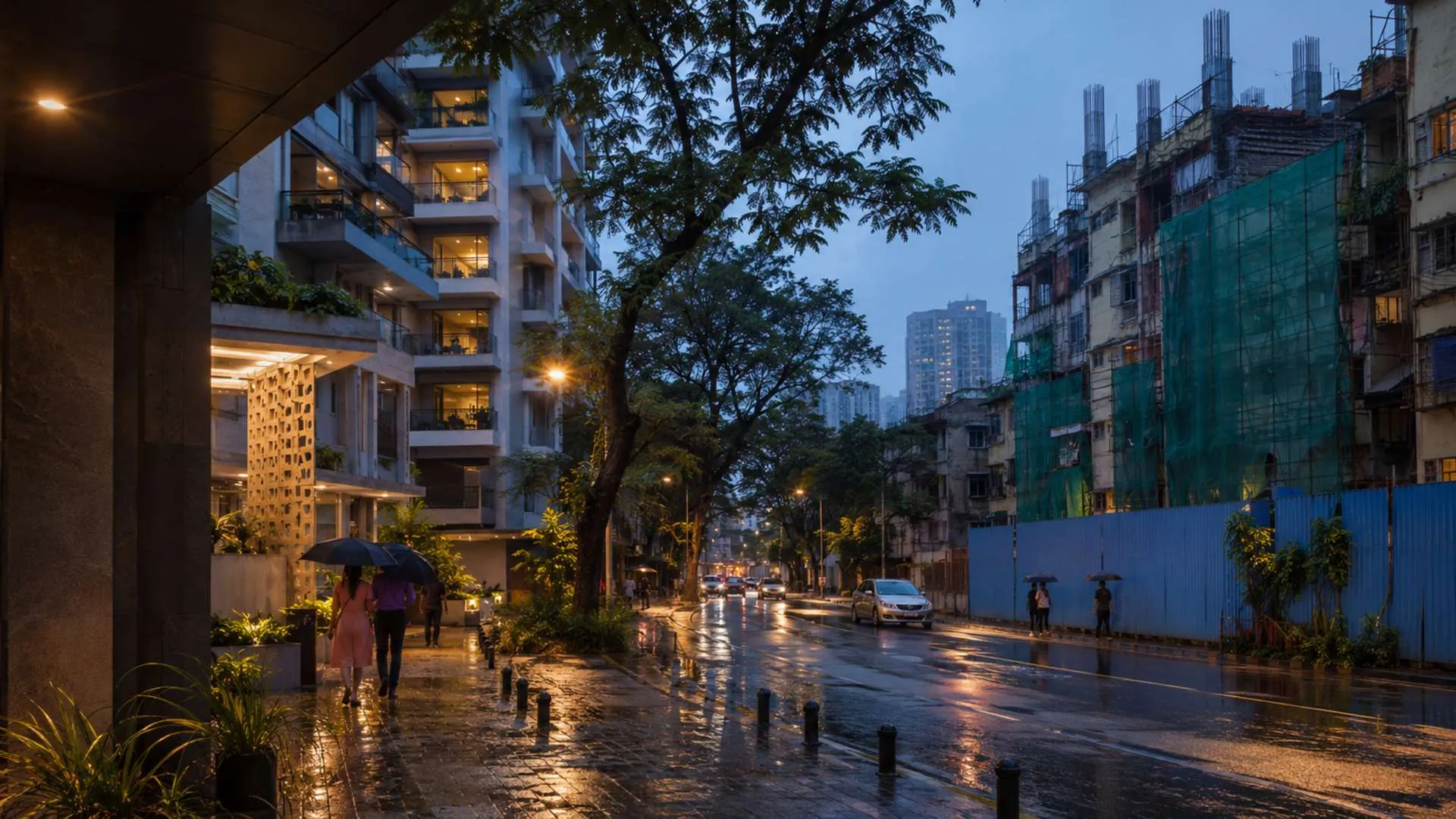
Mumbai’s housing market has entered the second half of 2026 with an unusual combination: record registrations, premium launches, infrastructure-led optimism and persistent affordability pressure. It is not an easy market, but buyers are still signing deals.
The latest Mumbai property market trends for H2 2026 indicate that a broad price correction is unlikely. Instead, the market is becoming more selective. Well-connected projects from credible developers are sustaining demand, while overpriced inventory without a strong location or delivery advantage may take longer to sell.
August offered the clearest signal. Mumbai recorded 12,503 property registrations within Brihanmumbai Municipal Corporation limits, an 11% year-on-year increase and the city’s strongest August performance in 14 years. Stamp-duty revenue rose 12% to ₹1,123 crore, according to registration data analysed by Knight Frank India and reported by ETRealty.
Mumbai is expensive, but demand has not disappeared; it has moved towards better-connected homes, trusted builders and projects with visible lifestyle value.
Will Mumbai Property Prices Go Down in H2 2026?
Mumbai property prices are unlikely to fall broadly in H2 2026 because end-user demand, limited land, redevelopment and improving infrastructure continue to support values. However, buyers may secure discounts, flexible payment plans or festive incentives in projects carrying unsold inventory. Price movements will remain highly dependent on the locality, developer and stage of construction.
This answers the central buyer query: will Mumbai property prices go down in the second half of 2026? A citywide crash is not the base-case expectation. A period of moderate appreciation, longer negotiation cycles and project-level corrections appears more probable.
The BeyondWalls Mumbai property market forecast expects measured price growth, with developing infrastructure corridors potentially recording annual appreciation of around 5% to 8%. This is an industry outlook, not a guaranteed return. The report correctly highlights that buyers must examine individual micro-markets rather than rely on one Mumbai-wide average.
The Mumbai real estate H2 2026 outlook guide is therefore less about timing the bottom and more about avoiding the wrong property at the wrong price.
Registrations Reveal a Market with Real Depth
Mumbai entered H2 after an exceptionally active first half. BMC limits recorded 80,221 property registrations in H1 2026, up 6% year on year and the strongest first-half tally since 2013. These transactions generated ₹6,968 crore in stamp-duty revenue, according to Knight Frank data reported by Business Standard.
That verified total is more useful than the frequently circulated but misleading claim that Mumbai sold 47,355 homes in H1. Registrations include transactions in both primary and secondary markets and should not be treated as identical to developer sales.
August’s 12,503 registrations reinforced the H2 story. Hindustan Times also reported the 11% annual rise, confirming that demand held up against a strong comparison base.
Knight Frank India Chairman and Managing Director Shishir Baijal attributed the performance to resilient homebuyer sentiment. The important detail is that Mumbai’s momentum appears increasingly supported by structural, end-user demand rather than short-term speculation.
The ₹1–2 Crore Buyer Is Setting the Pace
The market’s centre of gravity is shifting towards practical premiumisation. The widely tracked ₹1–2 crore Mumbai segment in H2 2026 is attracting salaried professionals, upgrading families and investors who want connectivity without paying South Mumbai prices.
This is helping Andheri, Borivali and other western suburbs retain registration volume. In the eastern suburbs, Mulund and nearby Thane offer larger configurations, township amenities and improving transport links. Buyers searching for a Mumbai under ₹1 crore affordability festive window H2 2026 are increasingly looking towards Mira Road-Bhayander and the wider metropolitan region.
The comparison between the ₹1–2 crore and ₹2–5 crore segments will be critical. Mid-premium homes have a deeper buyer pool, whereas ₹2–5 crore inventory can face resistance when pricing runs ahead of location quality, carpet area, or construction progress.
The H2 market will reward correctly priced projects, not merely expensive ones.
Luxury Mumbai Is No Longer a Side Story
At the upper end, Mumbai’s luxury residential market registered transactions worth a record ₹18,512 crore in H1 2026, rising 12% year on year, according to a CRE Matrix and India Sotheby’s International Realty study reported by The Economic Times.
The question for H2 is whether this momentum can continue. The Worli-Lower Parel luxury H2 2026 demand outlook remains constructive because these locations combine established social infrastructure, business-district access and limited premium land. BKC and Bandra West continue to appeal to senior executives, entrepreneurs and wealthy investors, while South Mumbai’s ultra-luxury market draws HNIs and NRIs seeking scarce, trophy-grade residences.
Mahalaxmi is also drawing attention through redevelopment and premium launches. Yet ₹10 crore-plus luxury housing is not immune to risk. Buyers at this level are highly quality-conscious, and poorly differentiated projects may struggle despite the headline boom.
Infrastructure Is Redrawing Mumbai’s Investment Map
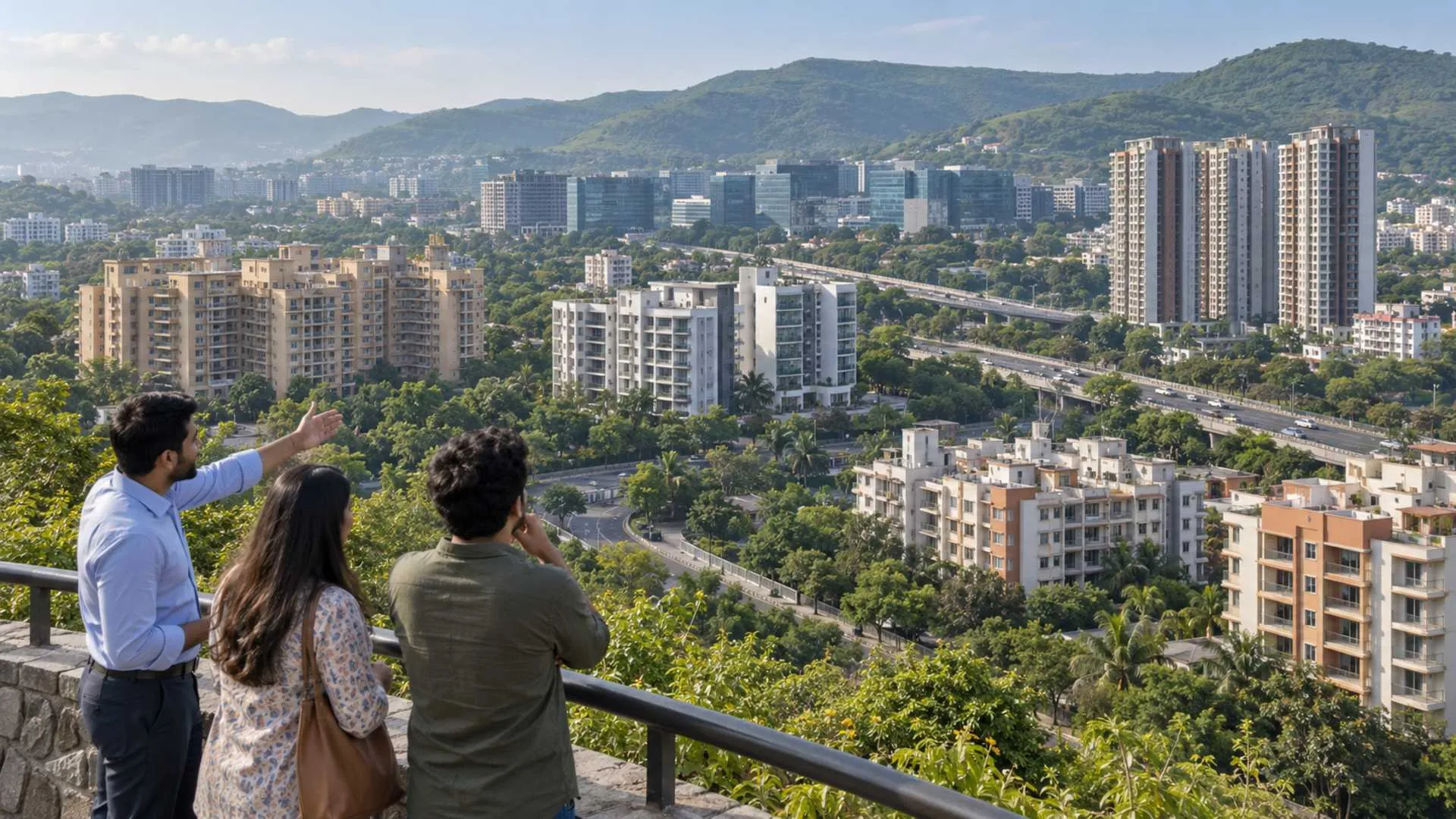
Transport improvements are making the Mumbai property market forecast for the second half of 2026 increasingly area-specific. Metro expansion, the operational Mumbai Trans Harbour Link, the Coastal Road network and planned corridors such as the Goregaon-Mulund Link Road are altering commuting calculations.
This creates several distinct H2 stories:
- Thane and Mulund: Metro connectivity and the future GMLR support their long-term outlook, although completion schedules must be checked independently.
- Panvel and Kharghar: Navi Mumbai International Airport-related economic activity is strengthening interest, but buyers should distinguish existing connectivity from proposed infrastructure.
- Wadala and Sewri: Central locations, redevelopment and improved east-coast access make them important premium growth corridors.
- Mira Road-Bhayander: Relative affordability continues to draw first-time buyers priced out of Mumbai’s core suburbs.
BeyondWalls identifies Panvel, Ulwe, Sewri, Wadala, Vikhroli and Mira Road-Bhayander among the micro-markets worth monitoring. HomeseekersIndia similarly points to Panvel, Thane, Navi Mumbai, Wadala and Byculla as active markets, although its recommendations should be read as property-advisory commentary rather than independent investment ratings.
Will Navratri and Diwali Unlock Better Deals?
The festive quarter traditionally brings new launches, advertising campaigns and faster decision-making. Mumbai Diwali-season property registrations in October 2026 could receive a lift from pent-up demand, while Navratri launches may add fresh competition between developers.
With the Reserve Bank of India holding the repo rate at 5.25% in August, borrowing conditions have a degree of stability. Buyers should not assume that every advertised festive home-loan rate is a permanent reduction, however. Processing fees, reset clauses, insurance bundling and the lender’s spread can materially change the total cost.
A festive purchase makes sense when the underlying property already works. Useful benefits may include:
- A genuine price reduction supported by the cost sheet
- Stamp-duty or registration assistance
- Construction-linked payment flexibility
- Maintenance waivers with clearly written terms
- Upgrades that do not inflate the agreement value
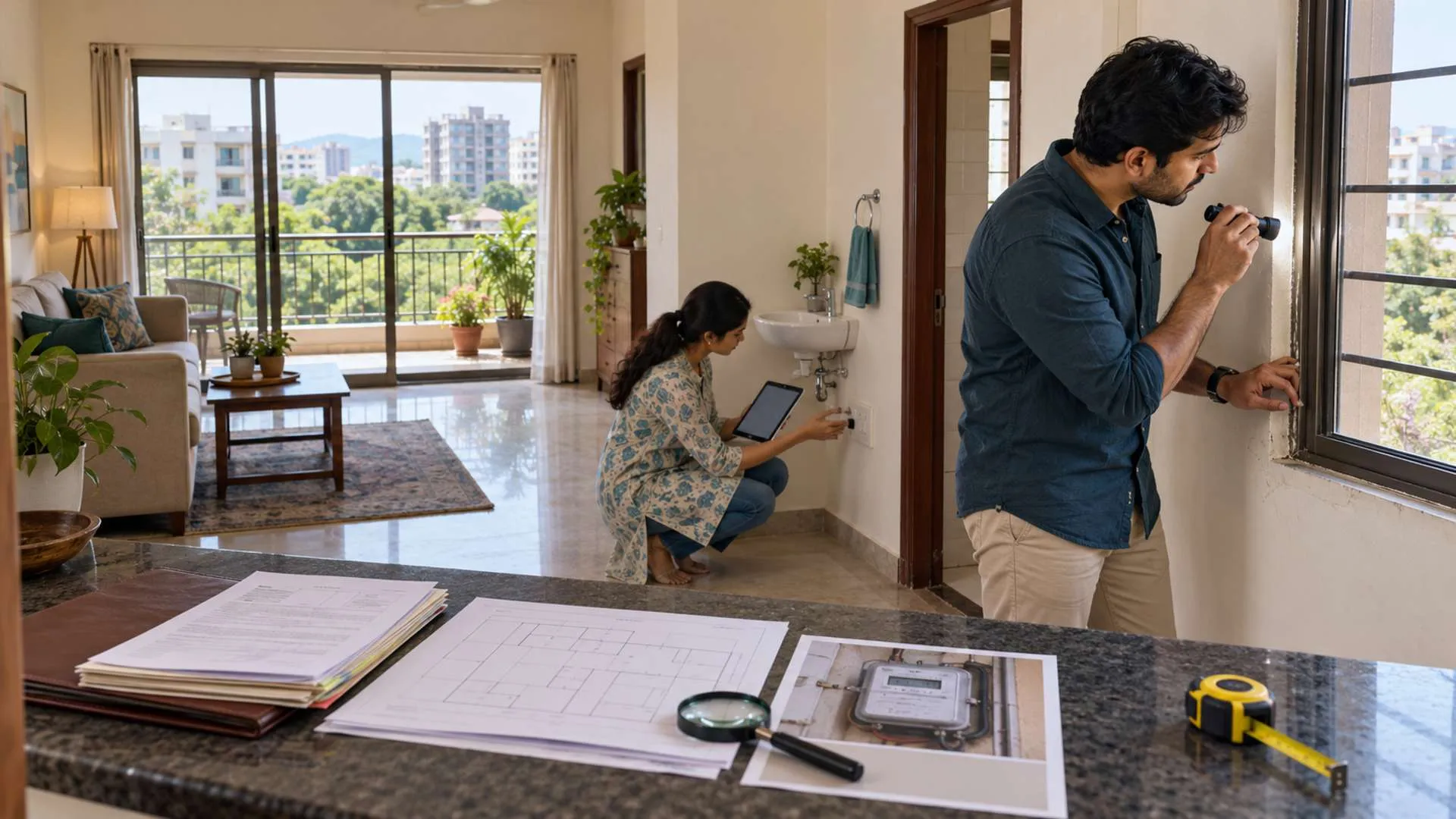
“Book now” messaging should never replace title verification, MahaRERA checks, construction assessment, or an EMI stress test.
Should You Buy Now or Wait for a Correction?
For end-users asking, “Kya abhi Mumbai mein ghar lena sahi hai H2 2026 mein?”, the answer depends on financial readiness rather than market headlines.
Buying now may be sensible if the home suits a seven-to-ten-year horizon, the EMI remains manageable after other obligations, the developer has a credible delivery record and the property solves a genuine housing need. Waiting may be wiser if the down payment would exhaust emergency savings, the project depends heavily on uncompleted infrastructure, or its price is disconnected from comparable properties.
Investors should examine rental demand, vacancy risk and total acquisition cost instead of relying only on appreciation forecasts. Mumbai’s resilience does not mean every project will outperform. A metro-adjacent apartment near an employment hub and a remote unit marketed around a proposed road carry very different risk profiles.
What to Expect from Mumbai Real Estate Through December
The most plausible Mumbai real estate trends from September to December 2026 are continued registration momentum, active festive launches and measured price growth in strong micro-markets. Luxury demand should remain visible, but the mid-premium segment is likely to provide greater transaction depth.
Risks remain. High ticket sizes can weaken affordability, construction delays can erode projected returns, and excessive inventory in the ₹2–5 crore bracket may encourage negotiation. Global volatility, employment sentiment and future interest-rate decisions could also affect buyer confidence.
Still, the market is not displaying the characteristics of an imminent crash. Its strongest supports, limited land, redevelopment, employment concentration, household formation and infrastructure investment, are structural.
The defining Mumbai real estate trend of H2 2026 will not be indiscriminate price growth. It will be a flight towards quality, connectivity and execution certainty.
For homebuyers, that creates a valuable window to compare projects rather than chase hype. Review MahaRERA records, visit the site, study actual commute times and negotiate the complete cost, not just the headline rate.
Ready to evaluate Mumbai opportunities for H2 2026? Shortlist verified projects, compare micro-market fundamentals and speak with a qualified property adviser before making your move.