

Mumbai Redevelopment Boom Is Reshaping Housing in 2026
Mumbai Redevelopment Boom: Housing Market Trends 2026
SHARE:
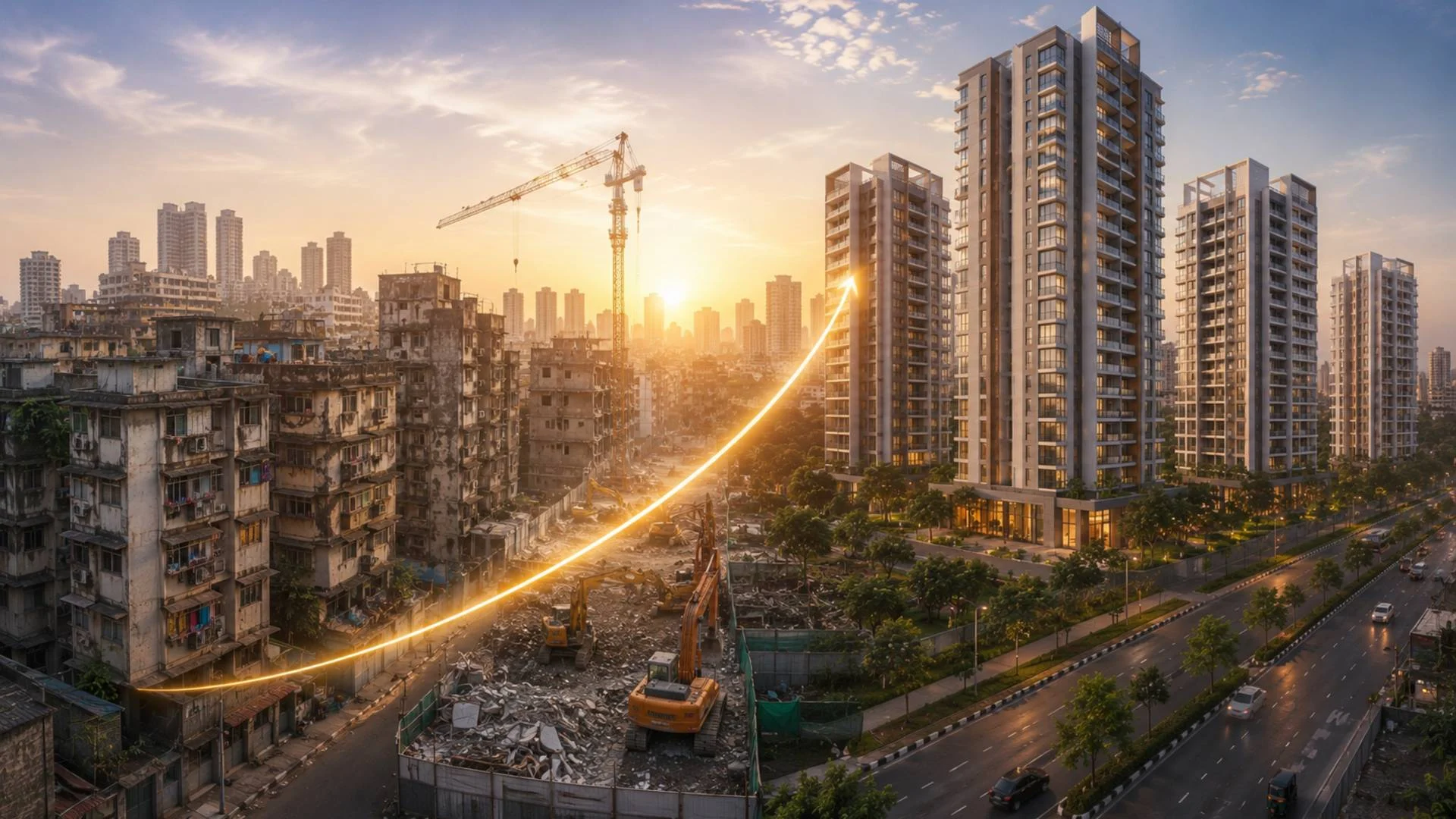
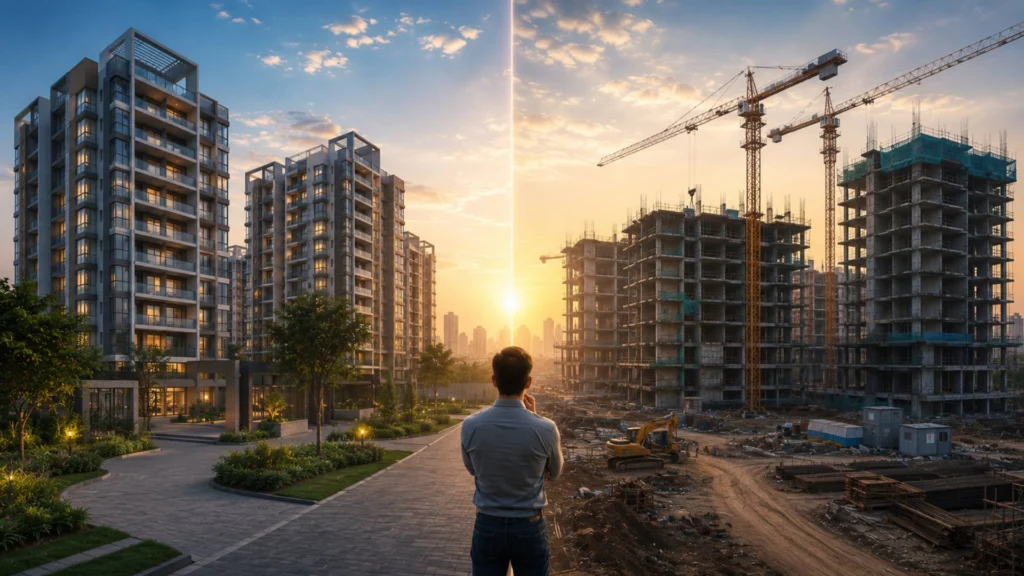
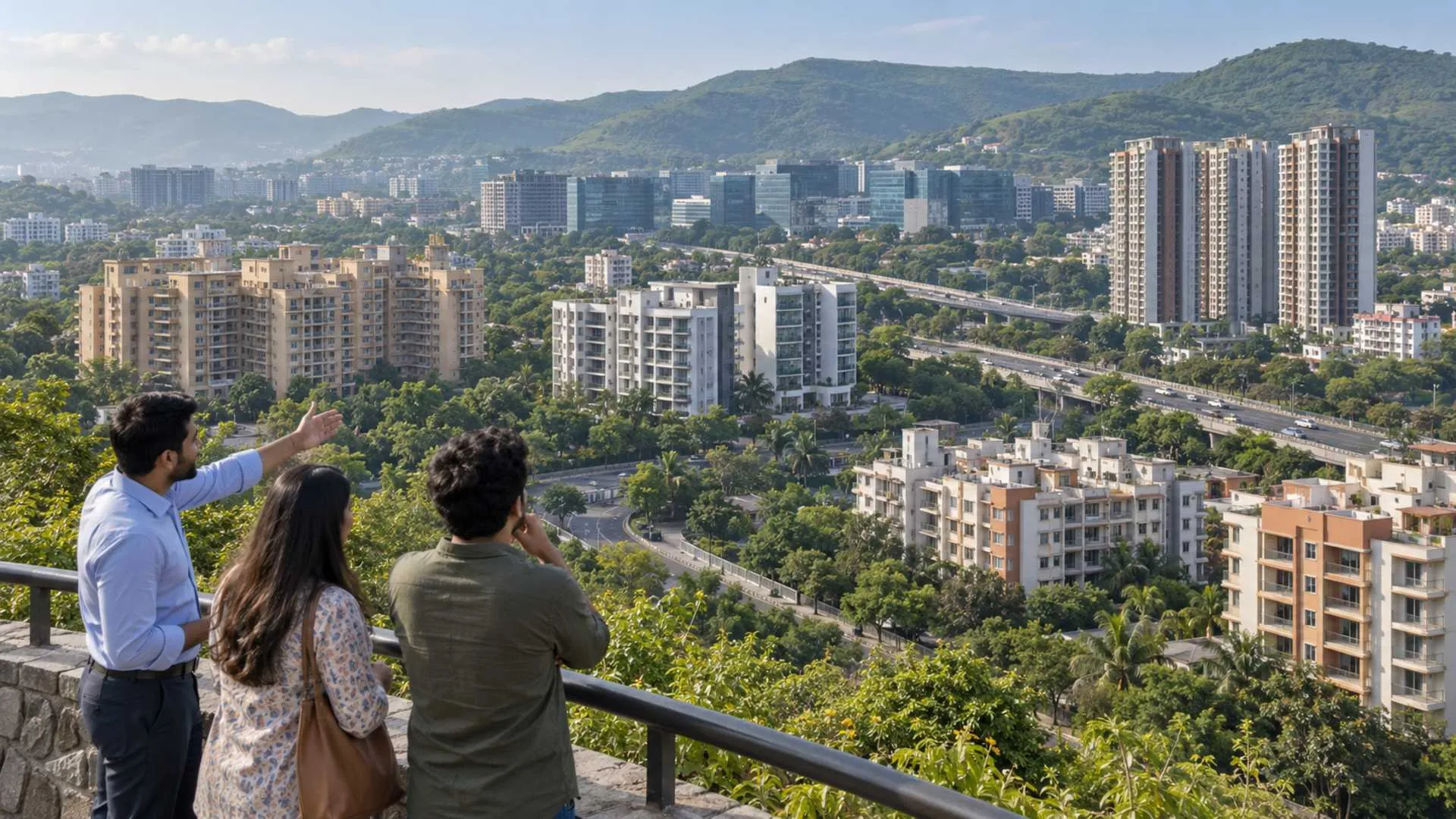
A decade ago, Mumbai’s skyline grew by expanding outward. Today, it is growing by rebuilding itself. The rise of redevelopment reshaping the Mumbai housing market in 2026 has become the city’s biggest real estate story, as ageing buildings make way for modern residential communities without requiring additional land.
According to JLL India’s latest redevelopment insights, redevelopment has evolved from isolated building replacements to large-scale neighbourhood transformations that are redefining housing supply across the city. Mumbai redevelopment transforming housing market 2026 is no longer just about replacing old buildings. It is about creating an entirely new urban ecosystem. (JLL)
Why Redevelopment Has Become Mumbai’s Growth Engine
Mumbai’s land scarcity has made redevelopment the most practical path to new housing. The Economic Times, citing civic data, notes that nearly 160000 buildings in Mumbai that are 30 years old need redevelopment, making urban renewal a necessity rather than an option. (The Economic Times)
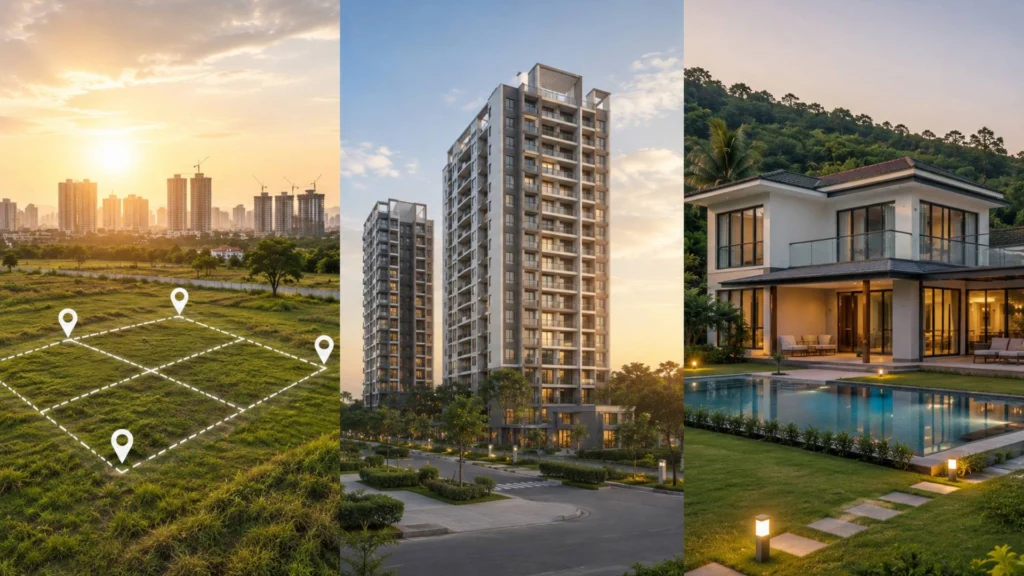
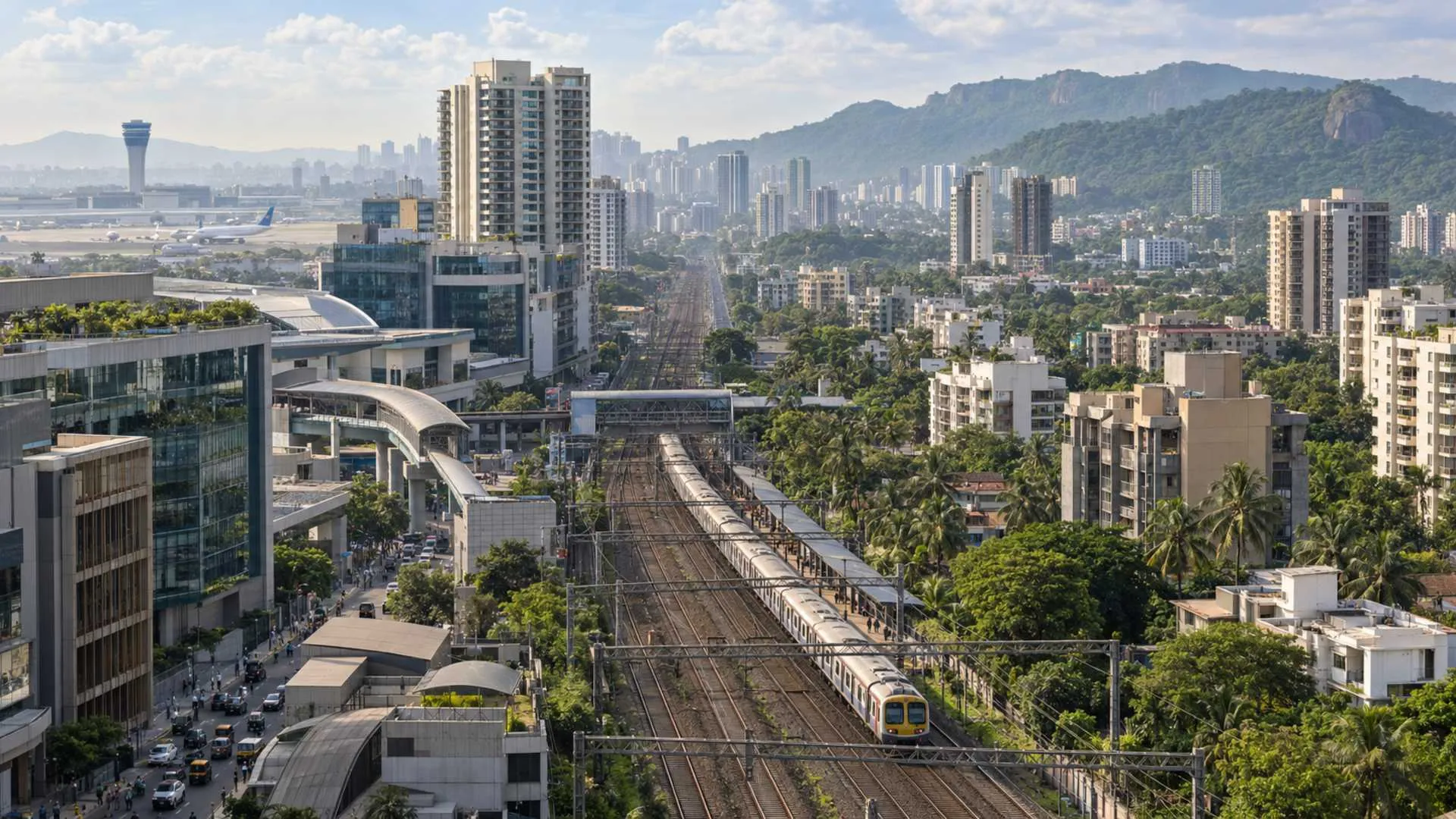
This explains how redevelopment is changing Mumbai real estate 2026. Instead of pushing development farther from employment hubs, developers are creating modern homes in established neighbourhoods with better connectivity, infrastructure and amenities.
Projects across Borivali, Andheri, Goregaon, Chembur and Ghatkopar are bringing new inventory into locations where demand has remained consistently strong. As MagicBricks and BeyondWalls observe, redevelopment also enables buyers to own newer homes in mature localities that were previously difficult to access.
The Numbers Behind Mumbai’s Society Redevelopment Boom
The scale of the Mumbai society redevelopment boom 2026 is larger than ever.
According to recent Knight Frank India data reported by the Indian Express, 1094 societies, 432 acres of Mumbai redevelopment active 2026, are currently under redevelopment. Nearly 70 new redevelopment agreements were signed during the first quarter of 2026 alone. (The Indian Express)
The western suburbs continue to dominate activity.
- Borivali redevelopment remains the city’s most active market.
- Andheri society redevelopment continues to add premium housing.
- Bandra redevelopment is transforming older residential pockets into luxury communities.
- Ghatkopar, Chembur and Mulund are emerging as key eastern redevelopment corridors.
Redevelopment reshaping Mumbai skyline housing supply is now contributing a significant share of new launches across the metropolitan region. According to JLL India, redevelopment has become one of the strongest contributors to residential launches and sales since 2022. (JLL)
From Chawls to Modern Communities
Few projects illustrate this transformation better than the BDD Chawl redevelopment.
BDD Chawl 160 sq ft to 500 sq ft 2BHK transformation is replacing ageing one-room units with spacious apartments equipped with modern infrastructure, lifts, parking and community amenities. This ambitious rehabilitation project covering Worli, Naigaon and NM Joshi Marg is changing thousands of families’ quality of life while modernising Mumbai’s island city. (JLL)
At the same time, the Mumbai self-redevelopment society model, gaining momentum, is giving housing societies greater control over project execution. Alongside this, cluster redevelopment replacing building by building in Mumbai is enabling planners to redevelop entire neighbourhoods with wider roads, improved open spaces and upgraded civic infrastructure rather than isolated buildings.
Why Buyers Are Watching Redevelopment Closely
Redevelopment is attracting both end users and investors because it combines established locations with modern construction.
Buyers increasingly ask:
- What happens when your Mumbai building enters redevelopment?
- Is self-redevelopment better than developer-led redevelopment in Mumbai?
- Why is cluster redevelopment the future of Mumbai housing supply?
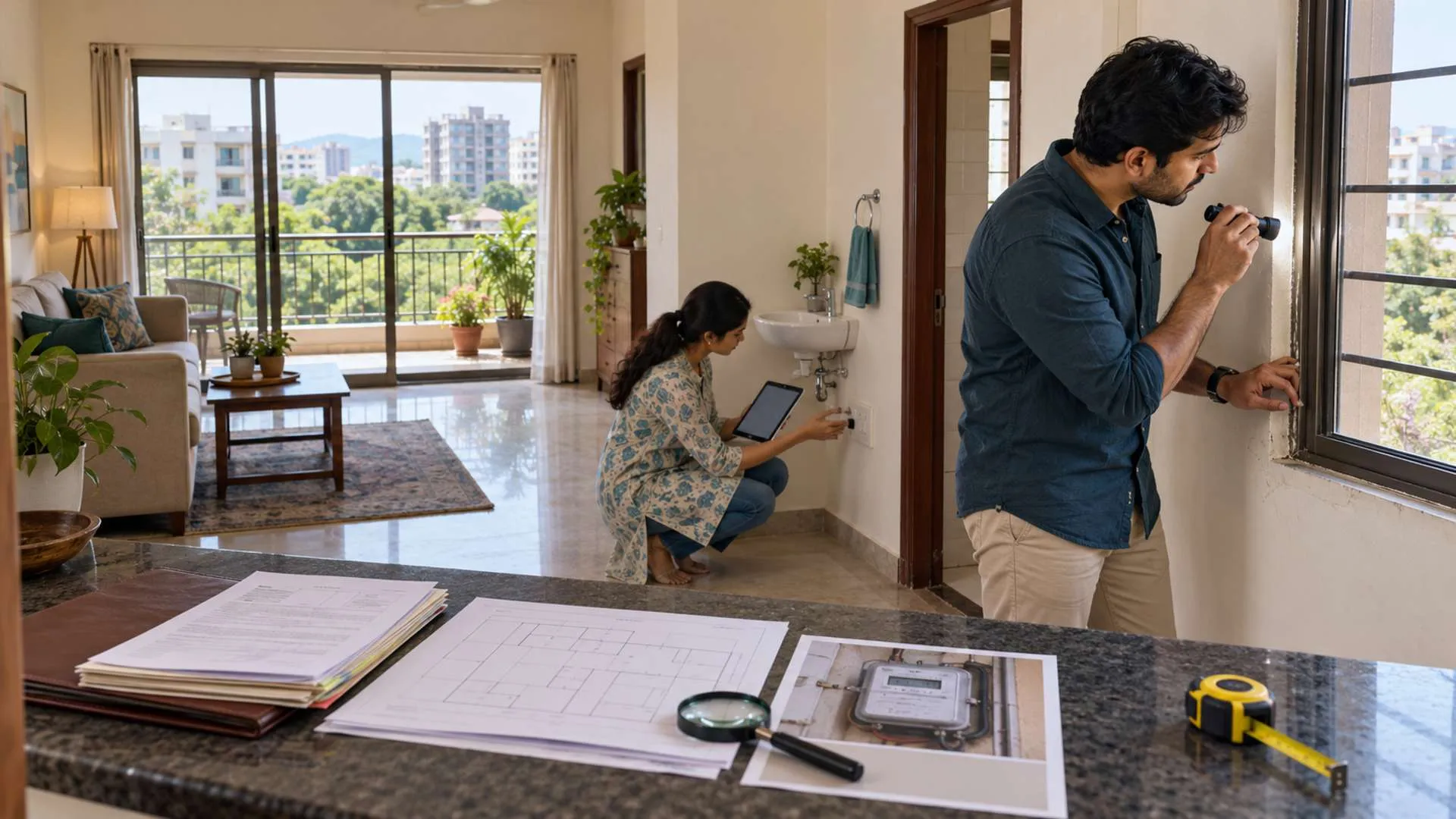
The answers increasingly favour redevelopment because buyers gain access to newer homes in neighbourhoods that already offer schools, transport, healthcare and employment opportunities.
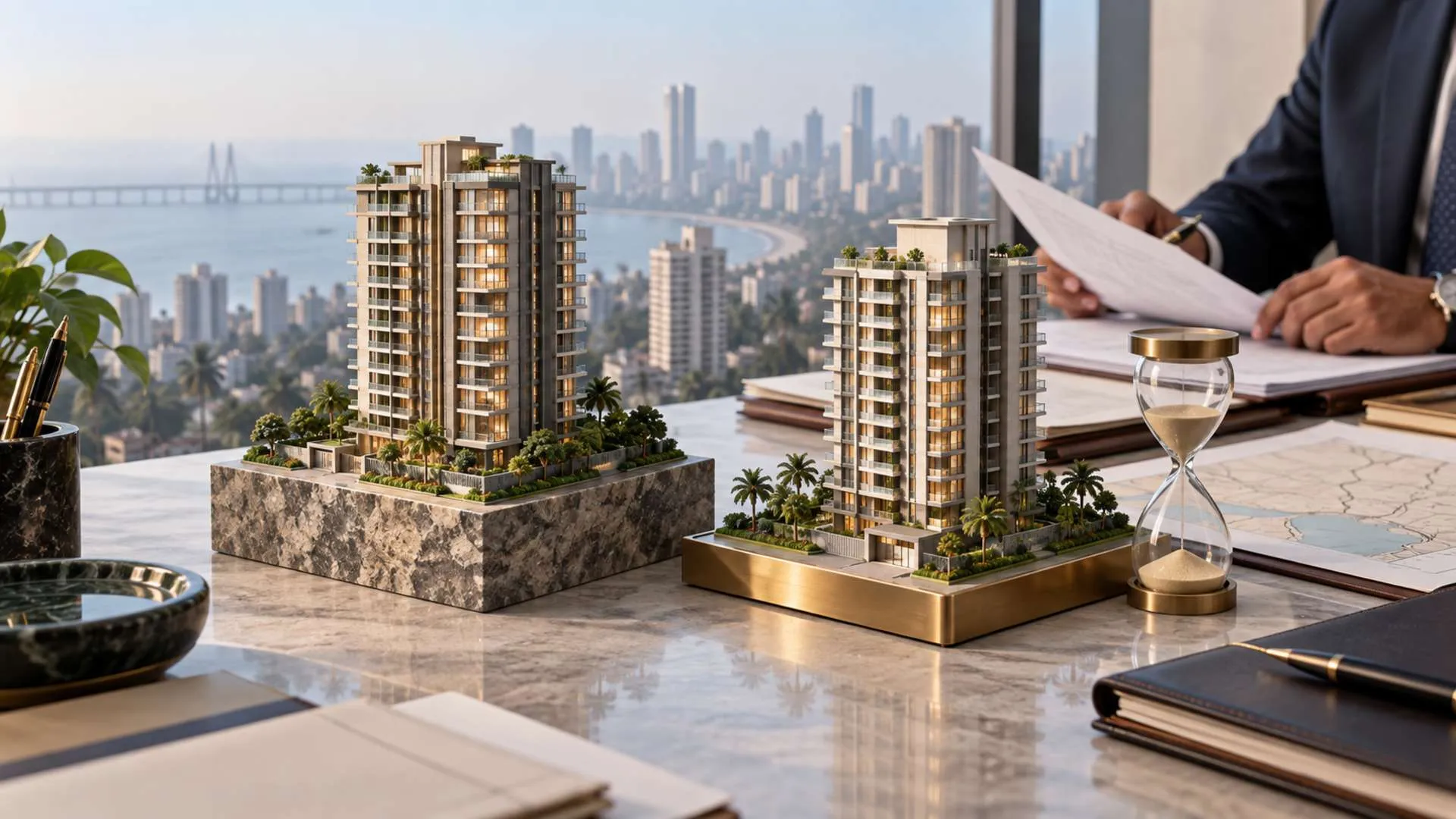
Developers including Godrej Properties, Lodha, Rustomjee, Raymond Realty and SD Corp continue expanding redevelopment portfolios as demand shifts toward centrally located housing.

Conclusion
Mumbai’s future is no longer being built on vacant land. It is being rebuilt from within. Policies supporting redevelopment, growing developer participation and rising buyer confidence are ensuring that redevelopment remains the city’s largest housing opportunity.
Whether you are a homeowner, investor, or first-time buyer, understanding how redevelopment is changing the face of Mumbai housing in 2026 can help you identify tomorrow’s high-growth locations today. Stay updated with the latest redevelopment trends, housing insights and investment opportunities at www.realtyconnect.tech, where every major real estate shift is tracked before it reaches the mainstream.