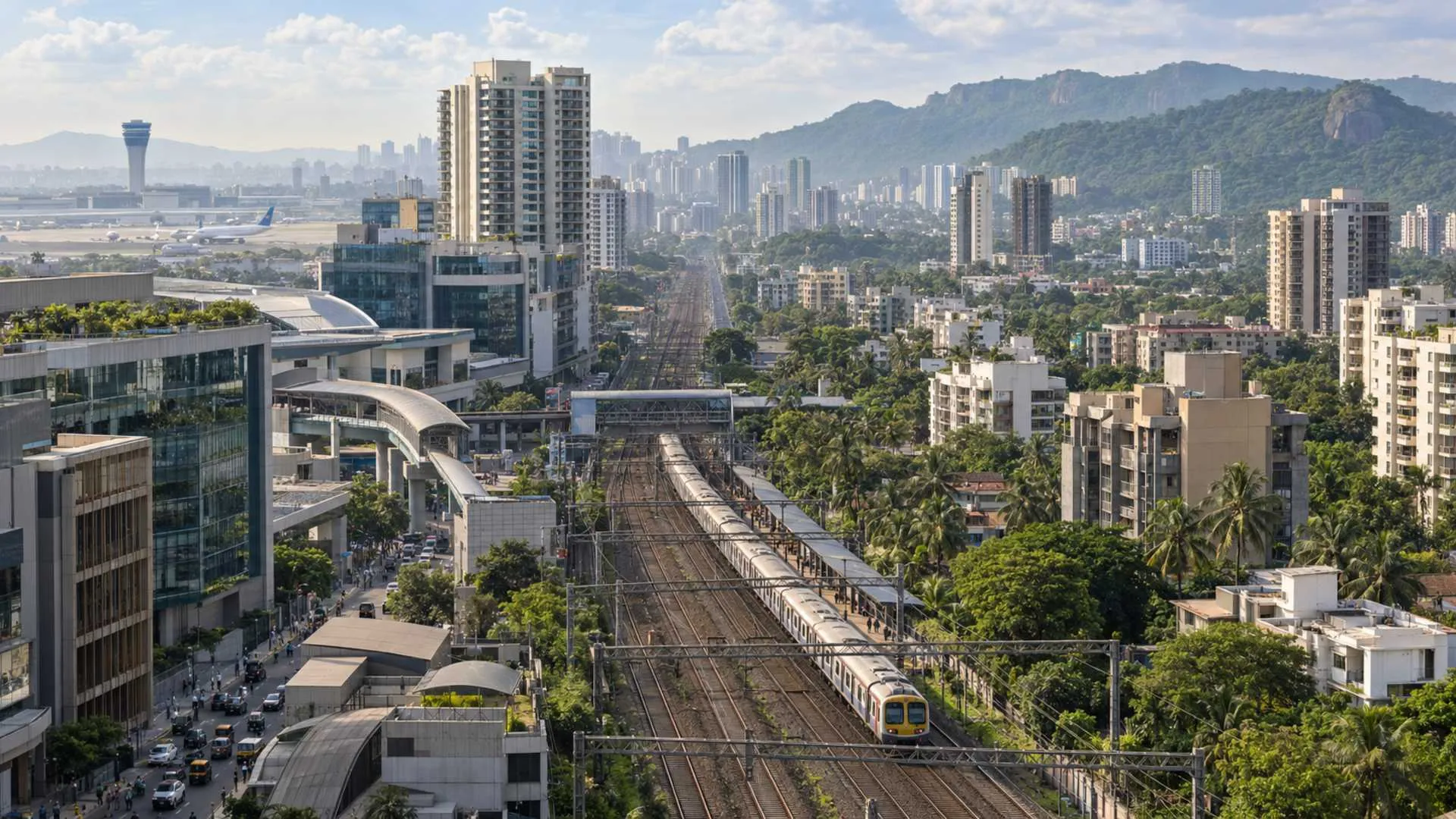


Ready-to-Move or Under-Construction: What Buyers Prefer in 2026
Ready-to-Move vs Under-Construction Homes in India
SHARE:
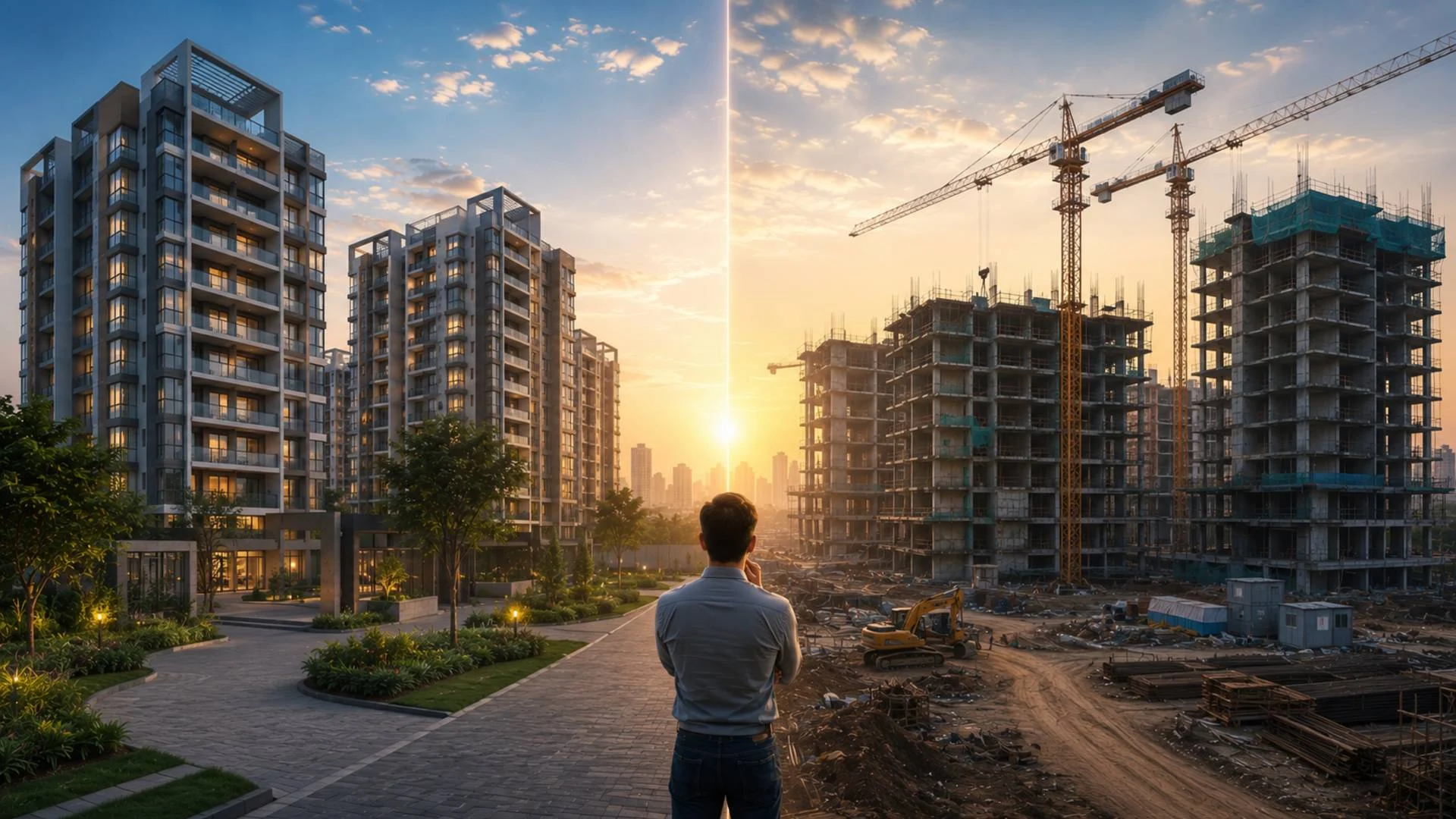
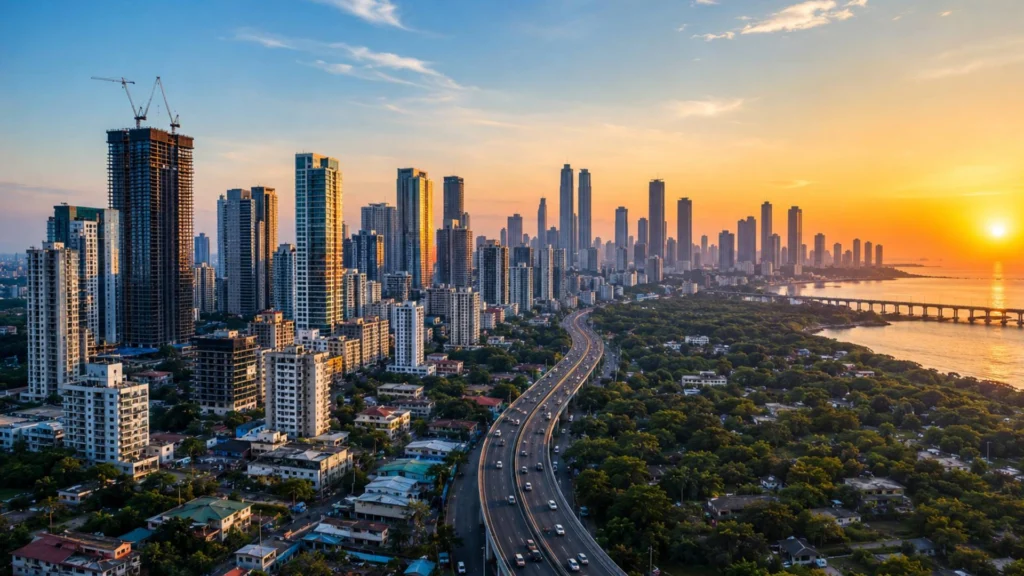
The biggest question in India’s housing market today is no longer whether to buy a home. It is when to buy and what stage of construction offers the best value. The debate around ready-to-move vs under-construction in India 2026 is becoming more relevant as homebuyers balance affordability, immediate possession and long-term appreciation. Whether you are an end user, investor, or first-time buyer, understanding what drives buyer preference RTM under construction India can help you make a smarter decision.
According to JLL Homes, buyer sentiment has become more practical in 2026, while Kalpataru notes that confidence is shifting towards projects with visible progress and reliable delivery timelines.
Why Buyer Preferences Are Changing in 2026
The discussion around ready-to-move or under construction flat India 2026 is no longer straightforward because both property types offer unique advantages.
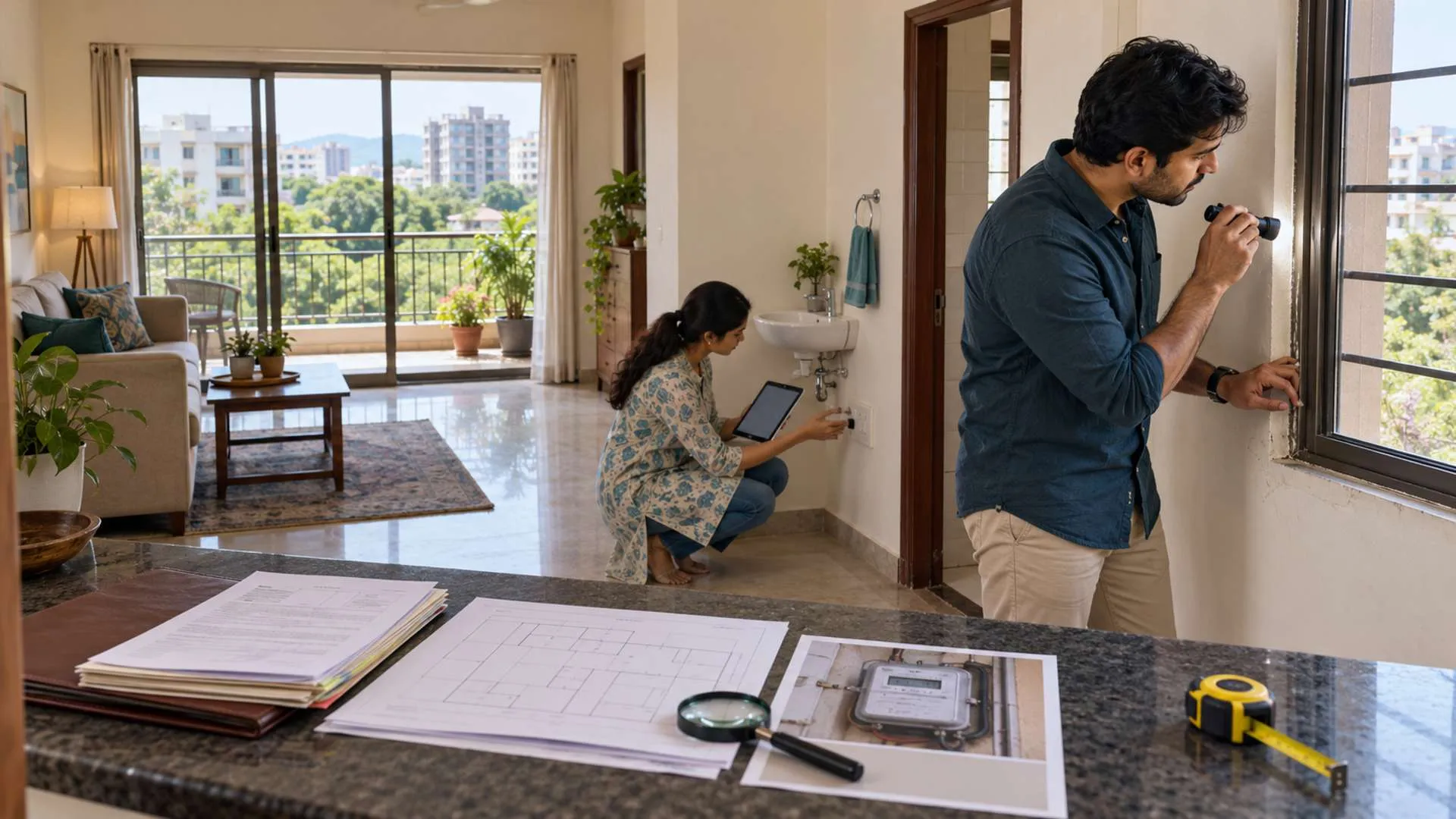
Ready-to-move zero GST vs under construction 5% GST India remains one of the biggest financial differentiators. Buyers choosing completed homes avoid GST while also inspecting the finished apartment, neighbourhood and amenities before making a purchase. As highlighted by 100Acress and Together Buying, this transparency is attracting families looking for certainty.
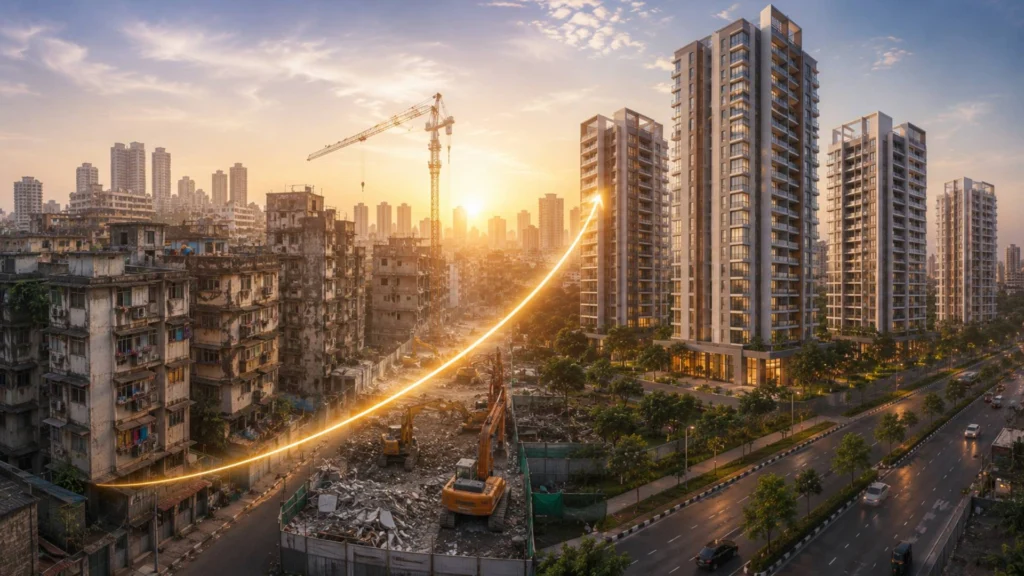
On the other hand, under construction 5-20% cheaper, but rental income loss continues to appeal to investors seeking lower entry prices. However, delayed possession can result in missed rental earnings and additional holding costs.
Ready-to-Move Homes Are Winning End Users
The conversation around ready-to-move vs under-construction, which is better 2026, increasingly favours completed projects among families.
Some of the biggest advantages include:
- Immediate possession without waiting for construction.
- Better visibility into construction quality and surroundings.
- Faster rental income generation.
- Easier financial planning with no uncertainty.
According to The Propertist, luxury buyers are increasingly selecting ready homes because they value convenience over speculative appreciation.
Under-Construction Projects Still Attract Investors
That does not mean under-construction projects have lost relevance.
RERA 70% escrow under-construction buyer protection has significantly improved transparency by ensuring a large share of project funds remains dedicated to construction. As explained by Investors Clinic and Housiey, stronger regulations have reduced many of the risks that once discouraged buyers.
Flexible payment structures such as CLP, BLP and DLP also make under-construction homes accessible to younger professionals entering the property market.
Price Gap Is Narrowing
One surprising trend influencing RTM vs under construction buyer preferences 2026 is pricing.
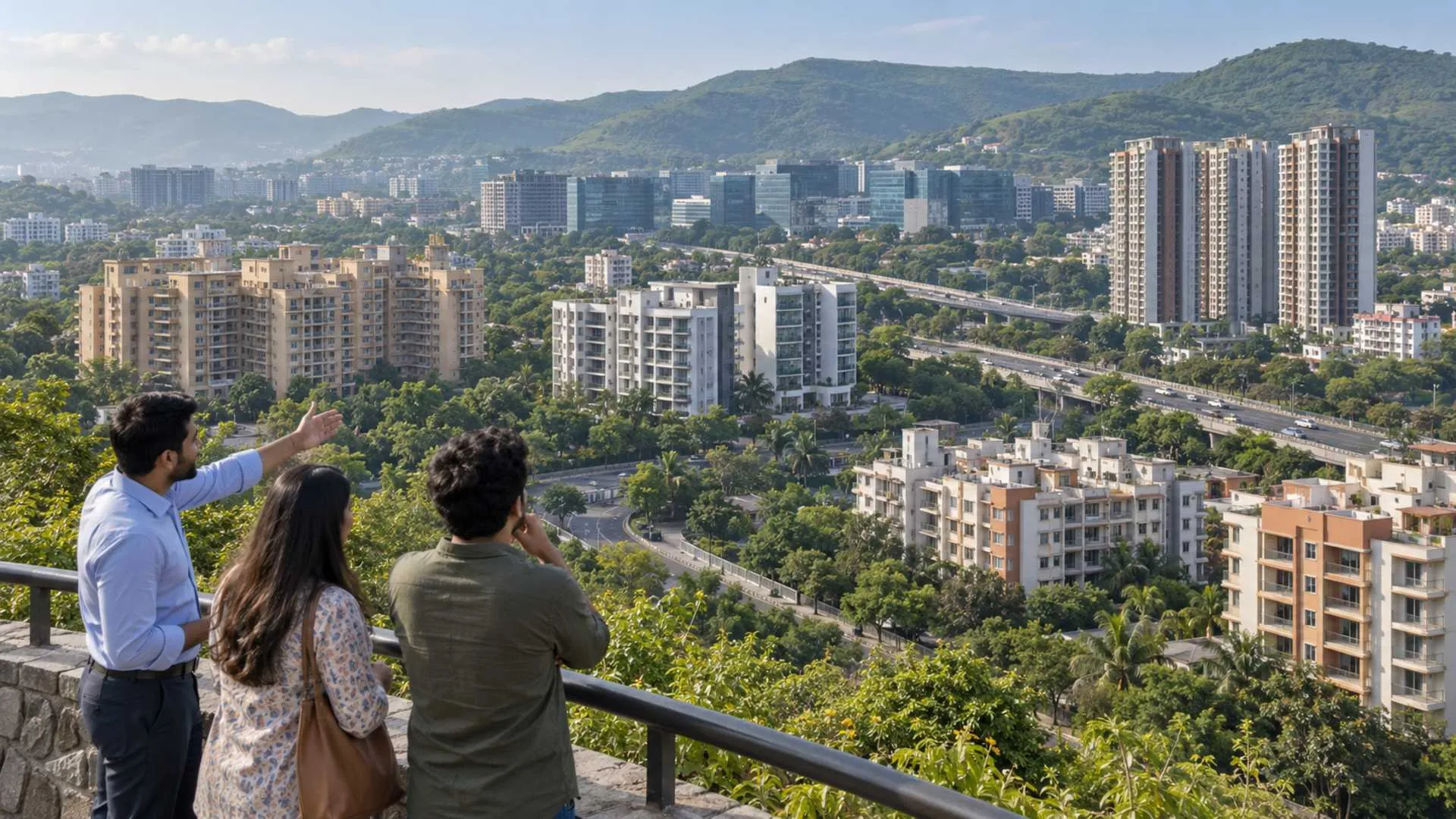
Under-construction prices rising above RTM in India 2026 is becoming visible in several premium micro markets where future infrastructure, limited inventory and high demand have pushed launch prices higher than completed homes. Market observations shared by JLL Homes suggest buyers should compare total ownership cost instead of assuming every under-construction property is automatically cheaper.
For investors, future appreciation still remains attractive. For end users, RTM immediate possession rental income vs UC appreciation often becomes the deciding factor depending on personal goals.
Which Option Should You Choose?
If you are wondering ready to move vs under construction which gives better return on investment, the answer depends on your priorities.
Choose ready-to-move if you want:
- Immediate occupancy.
- Stable rental income.
- Lower buying uncertainty.
- Zero GST benefits.
Choose under-construction if you want:
- Lower initial investment.
- Flexible payment plans.
- Potential appreciation before completion.
- Access to new launches in emerging locations.
As Modi Builders, Kalpataru and Together Buying collectively suggest, buyers should evaluate the developer’s track record, MahaRERA registration, construction progress and financing options before making a decision.

Conclusion
There is no universal winner in the ready-to-move vs under-construction India 2026 debate. The right choice depends on your financial goals, investment horizon and lifestyle requirements. Completed homes offer certainty while under-construction projects offer growth potential. Before making your next property decision, stay updated with verified market insights, buyer trends and expert analysis at www.realtyconnect.tech, your trusted destination for Maharashtra’s evolving real estate landscape.